Labour is hoping that big investors will build more homes. But there’s no guarantee they will be genuinely affordable
T
o an outside eye, English cities might seem deliberately designed to foment a housing crisis. Unconstrained by craggy topography or fortified ramparts, their Victorian developers built endless streets of low-rise terraces. Cities that expanded during the Industrial Revolution are less dense than their European equivalents and have far fewer flats. Their private rental sectors are fragmented, dominated by small-time landlords for whom property ownership is often a second career.
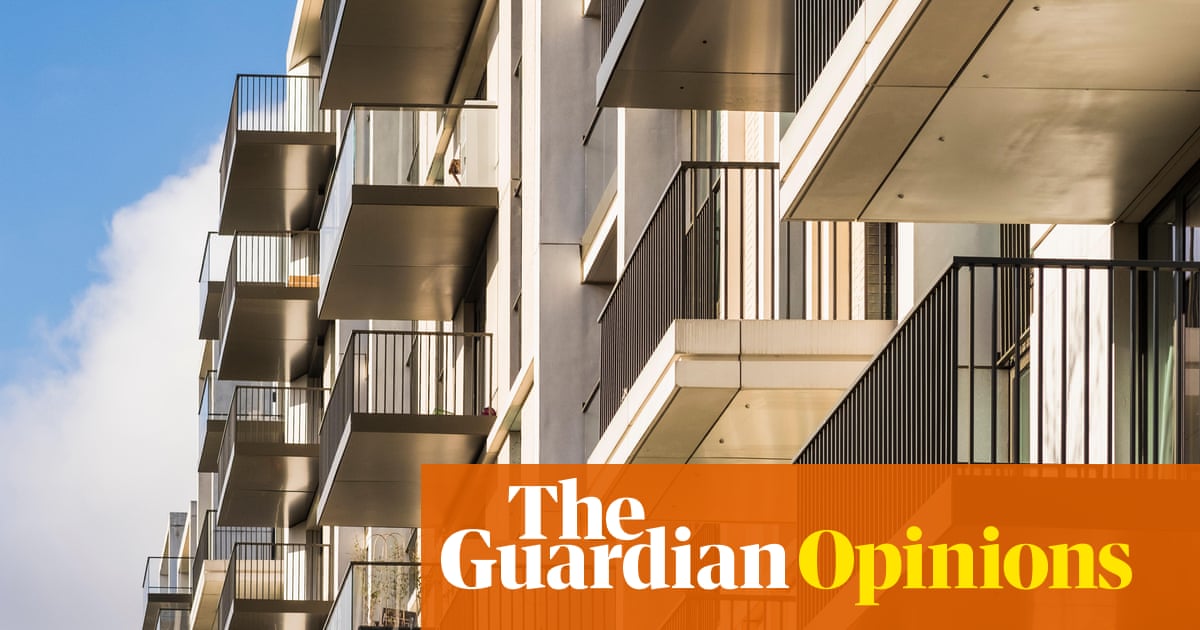
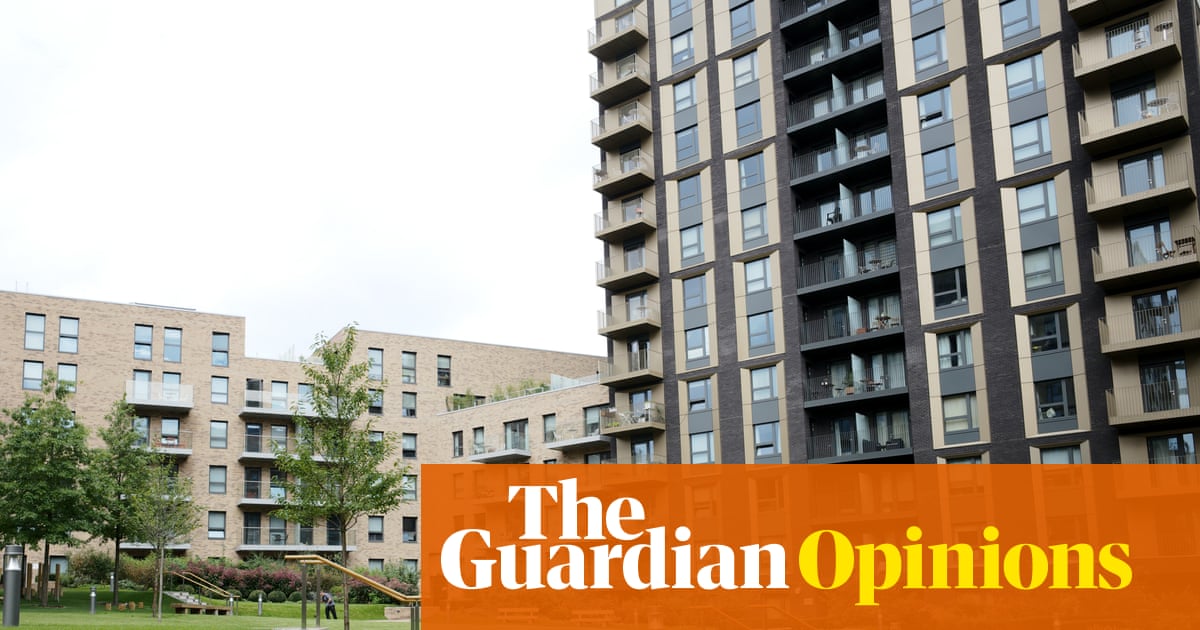
In recent years, large investors have begun bankrolling high-rise apartment blocks that promise to create the type of housing that English cities need. These “build-to-rent” developments are transforming the skylines of Manchester and London, and have added about 14,000 new homes each year since 2020. For a Labour government that hopes to build 1.5m homes, the sector’s growth looks like a blessing. Clive Betts, the Labour MP who chairs a build-to-rent taskforce, has described such developments as “good-quality housing with a real future”.
Labour’s pledge to “build, build, build” rests on the idea that supplying more homes will make housing more affordable. If only it were so straightforward. The housing researcher Adam Almeida recently found that in Brent, Ealing and Newham, London boroughs with the greatest number of these rental property developments, rents have increased by 48% to 52% since 2015, exceeding the city-wide average. Brent saw the highest rise. The borough is home to Britain’s largest build-to-rent development, in Wembley. Two-bedroom flats at this outer London development are priced between £2,471 and £3,370 per month. It is plausible that other landlords in the area may have seen these prices, and raised theirs accordingly.