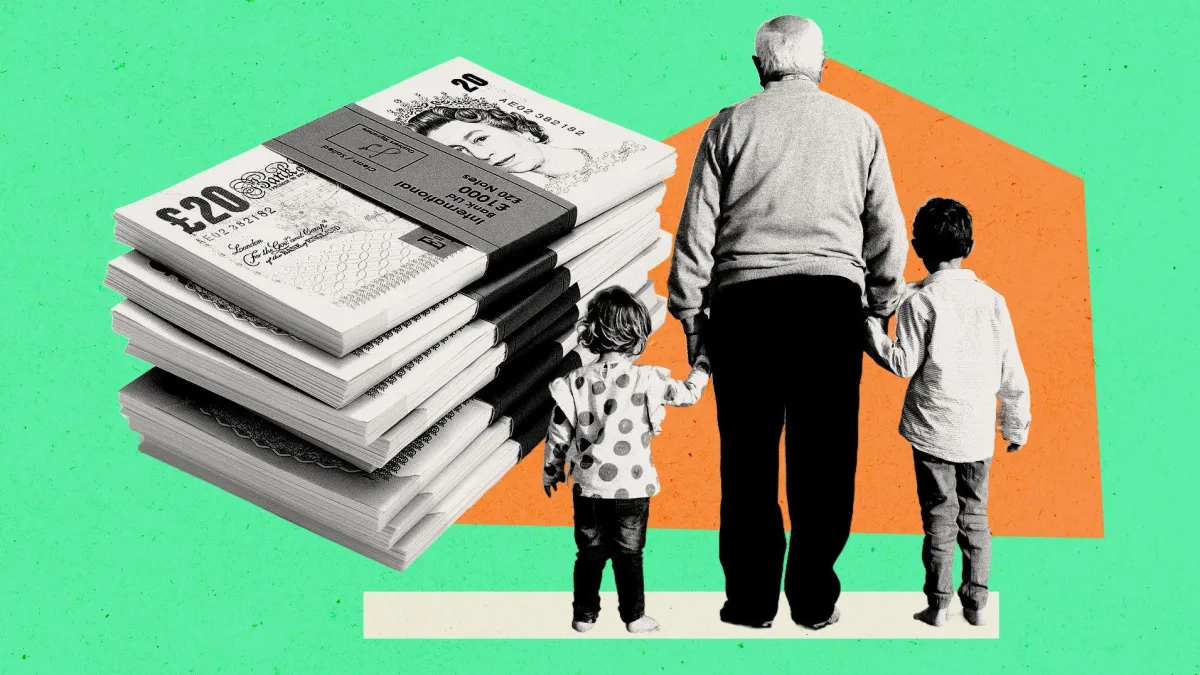
Politicians are scrabbling to raise birthrates, but when the older generation is the only childcare safety net, that’s a problem
‘E
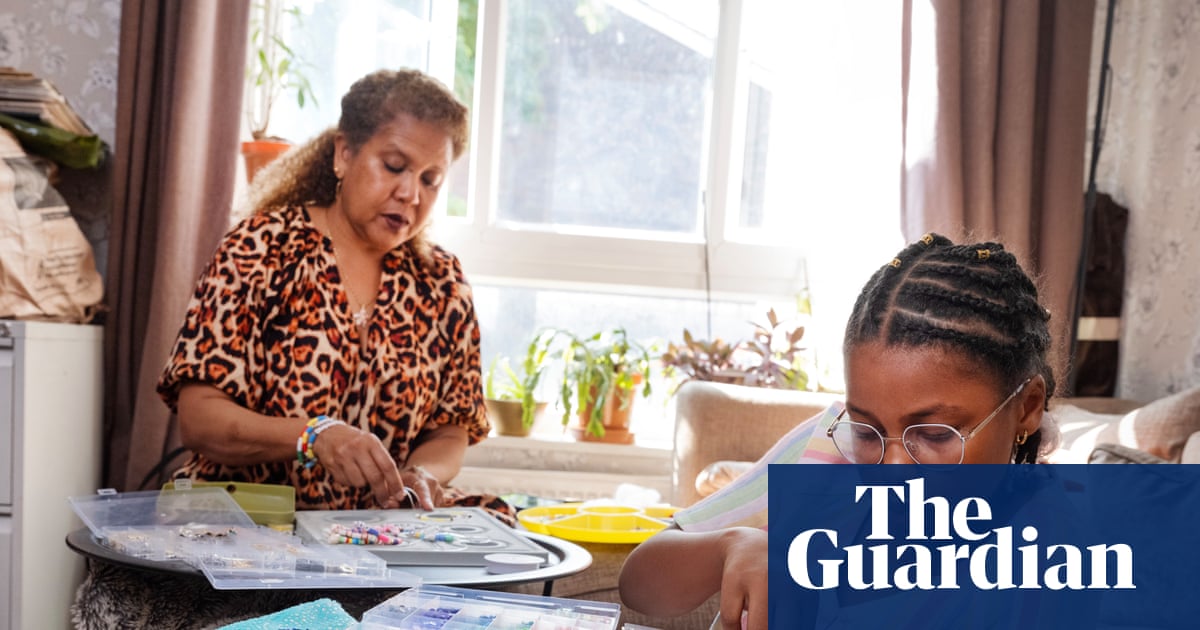
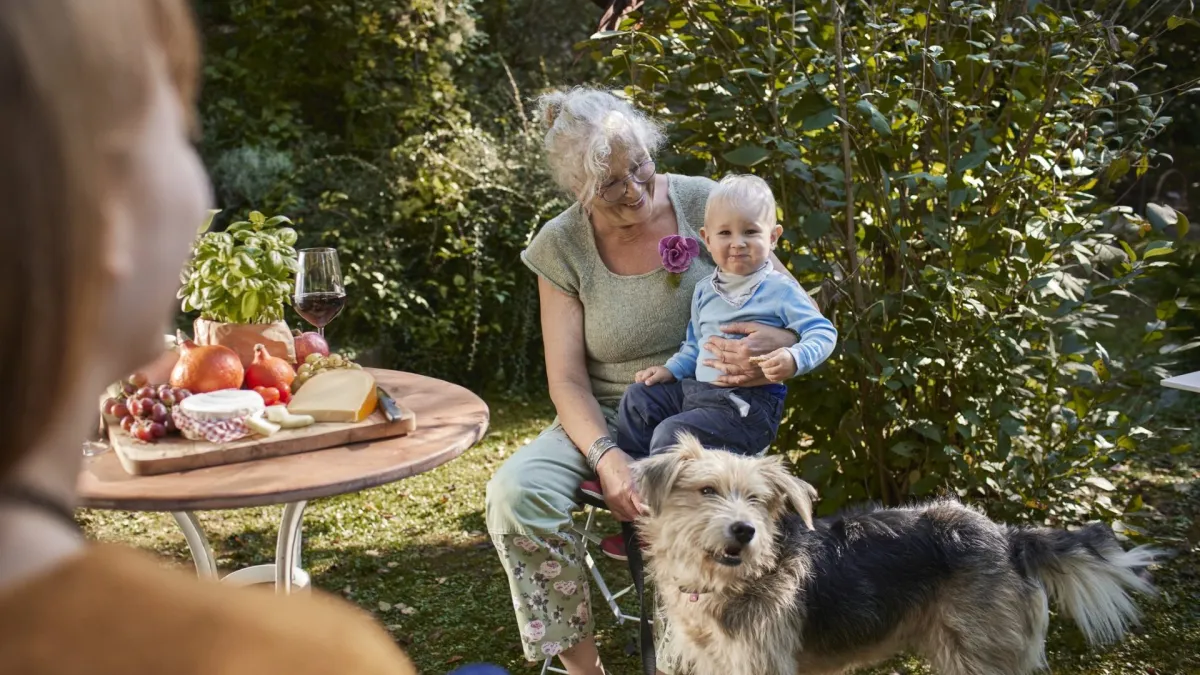
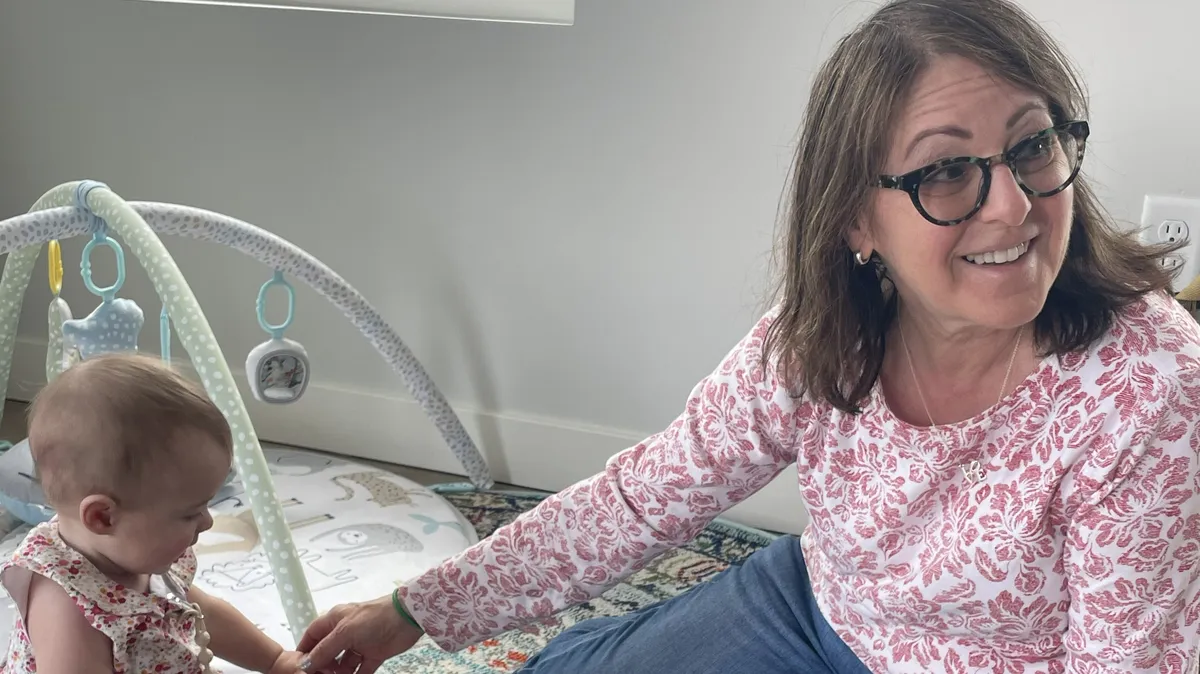
nslaved grandparent syndrome” – sounds extreme, doesn’t it? But that’s what some psychologists in Spain are calling the childcare burden faced by older people in that country, where 35% of people over the age of 65 take care of their grandchildren several days a week. In my London neighbourhood, the sight of a grandparent pushing a baby in a buggy, or a toddler in a swing, is fairly common, but in Madrid, even more so. The latest Europe-wide survey, in 2016, found the proportion of over 65s undertaking childcare at least several days a week in southern European countries – Spain especially, but also in Italy and Greece – is much higher than in France (13%) and Germany (15%) or the UK (18%).
This is the result of historical cultural norms of shared care between generations, but now some Spanish grandparents are fighting back. After working all their lives, and years spent raising their own children, they hadn’t bargained for spending their retirements engaged in unpaid childcare, and they are not alone in that.
Anyone who lurks on parenting internet forums will observe that these faultlines are emerging across the western world, with some parents saddened and frustrated at the lack of input or interest from grandparents (“they’d rather spend their money on cruises!”) and, on the other side, grandparents worn down and exhausted by the expectation, and sometimes entitlement, levied upon them by their children. I’ve seen memes and video content claiming that boomers are the most selfish generation of grandparents ever, but also had conversations with burnt-out older people who simply don’t have the energy to care for small, rambunctious children.