C
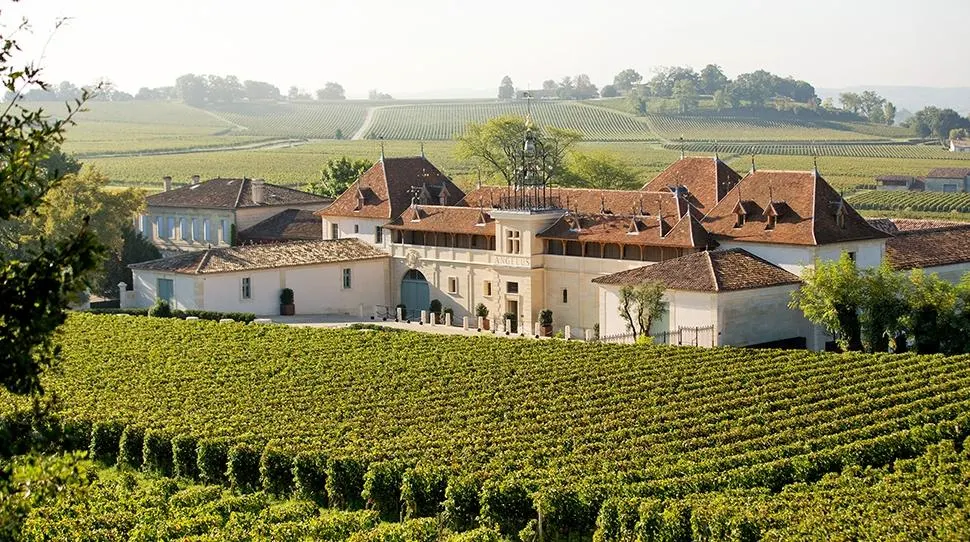
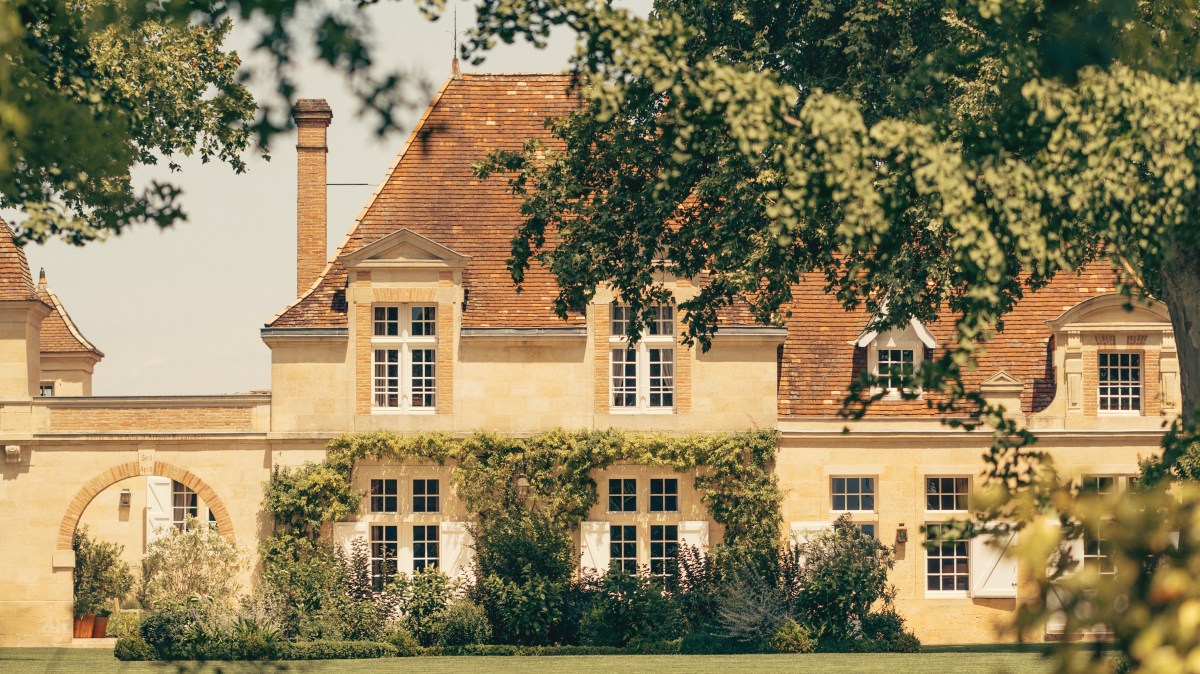
hanel’s pair of flagship wine estates face each other in Bordeaux, straddling each side of the silty waters of the Gironde estuary in western France, at the confluence of two great rivers — the Dordogne and Garonne — en route to the Atlantic Ocean.
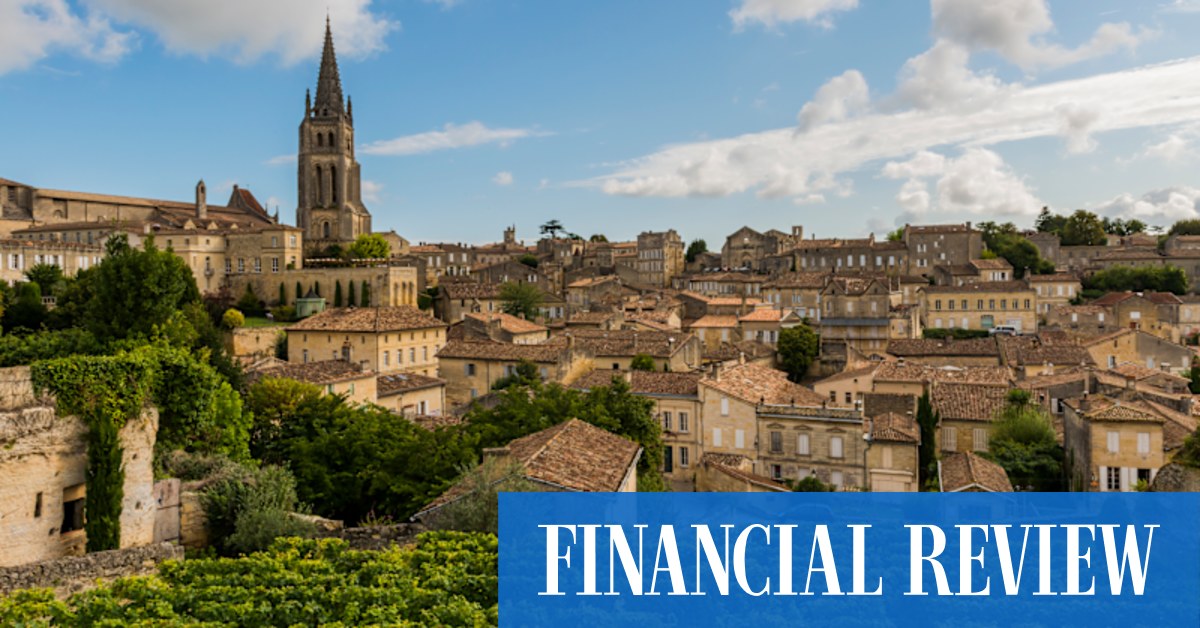
The haute couture house has been discreetly producing fine wine here for three decades: first purchasing Château Rauzan-Ségla in Margaux, on the lower-lying left bank, in 1994, while on the opposing right bank, Château Canon, bought in 1996, sits on the limestone plateau of St Émilion, a gorgeous cobblestoned town named after an 8th-century Benedictine monk.
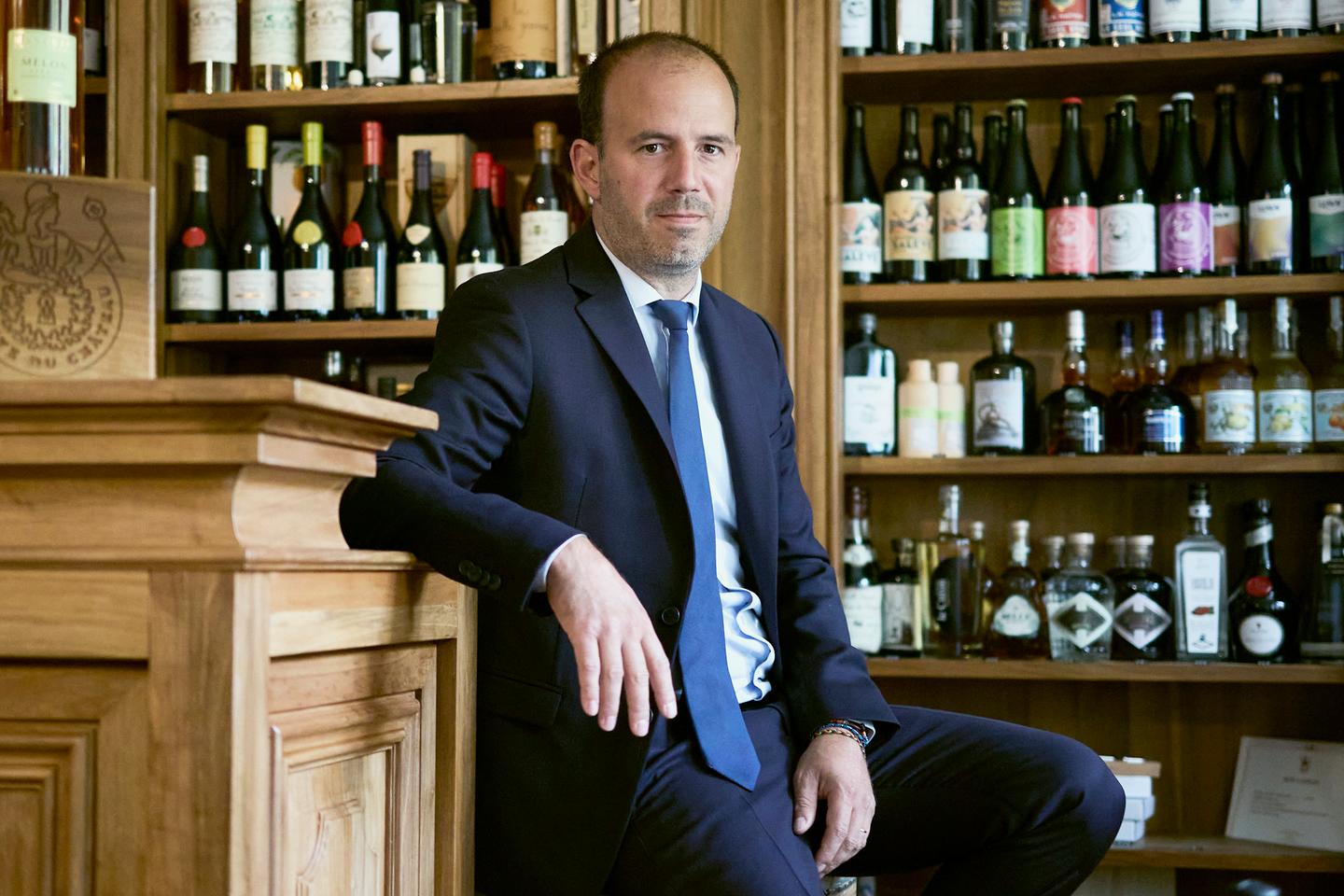
Bordeaux’s hallowed top-tier wines, typically made up of two or more of the classic bordeaux grape varieties (cabernet sauvignon, plus lesser quantities of merlot, cabernet franc and petit verdot) before being matured for a minimum of 18 months in French oak barriques, are entirely in keeping with Coco Chanel’s modus operandi of eschewing the zeitgeist: “Fashion changes, but style endures.” Indeed, as Nicolas Audebert, hired a decade ago to take the helm of Chanel’s vineyard properties, says: “People buying a bottle of bordeaux are not looking for something new, different or trendy.”
Nicolas Audebert, head of Chanel’s vineyard properties; bottles from the two Chanel estates