As Hong Kong steps up its use of surveillance cameras and introduces facial-recognition technology, it must ensure the right balance is struck
Hong Kong police sparked outrage, more than 20 years ago, when they proposed a radical new approach to fighting crime.
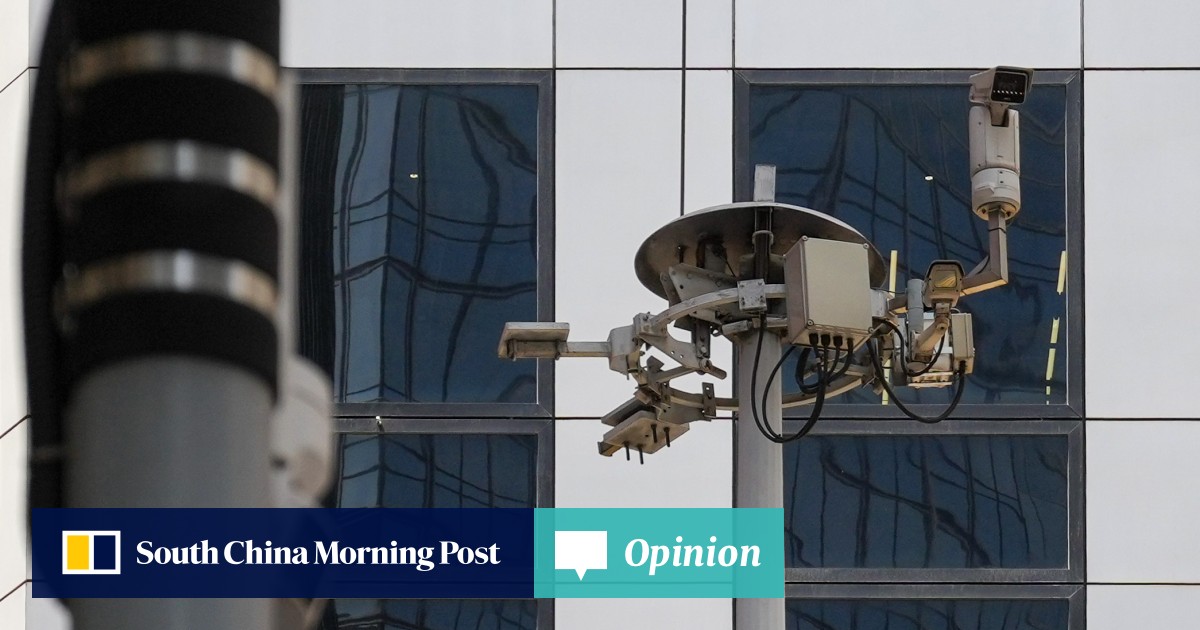
A pilot scheme to install closed-circuit television cameras in entertainment hotspot Lan Kwai Fong was shelved in 2002, after a backlash from the public and cross-party opposition from lawmakers. Since then, the use of cameras in various forms has been enthusiastically embraced by law enforcement agencies around the world, helping to trace and deter criminals.
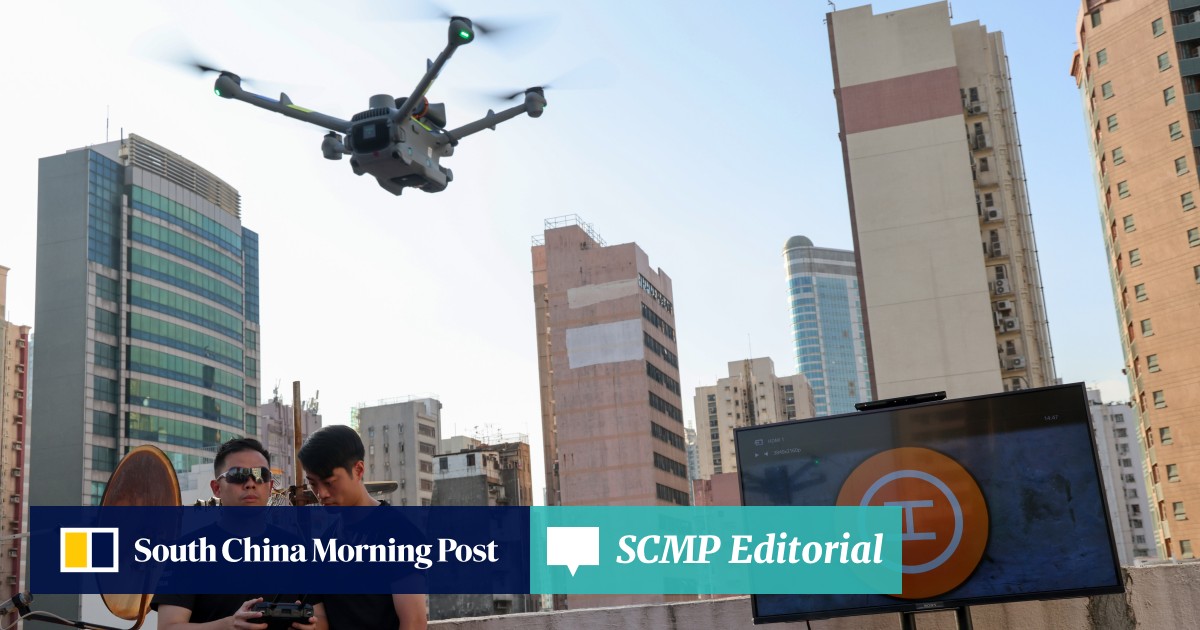
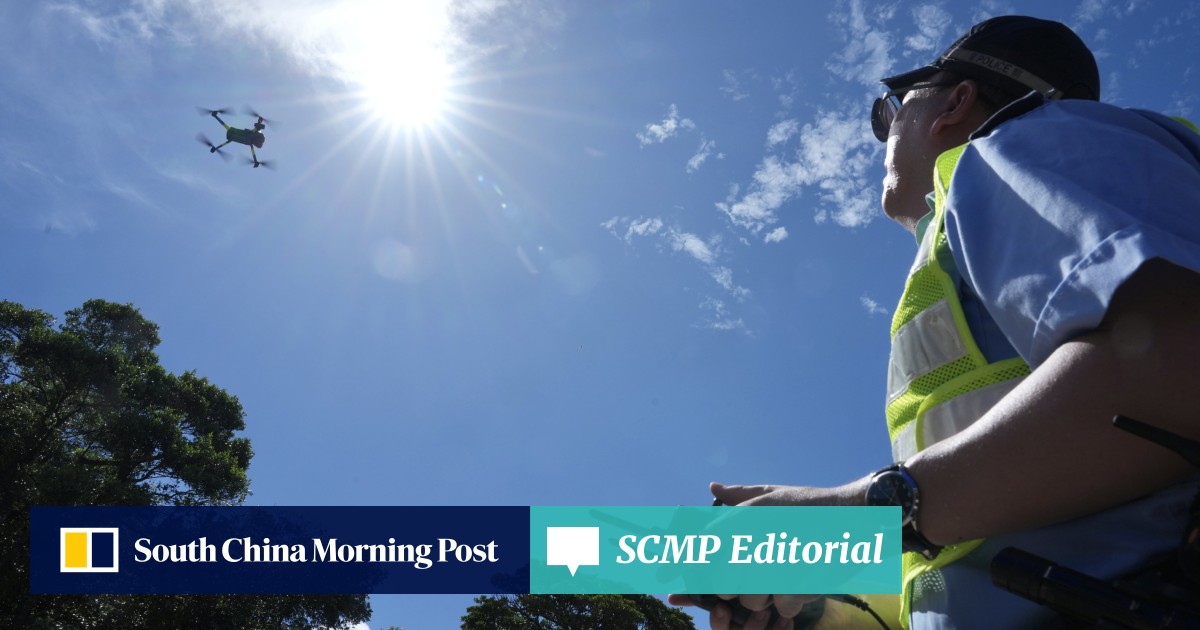
Hong Kong is no exception, but it has been slow to adopt the latest technology. Now, it is catching up. Thousands of surveillance cameras are being deployed and the use of facial-recognition technology to identify suspects could begin this year.
As the city embarks on a rapid transition to “smart policing” it should be aware that concerns about privacy intrusions remain and sufficient safeguards are needed.