C
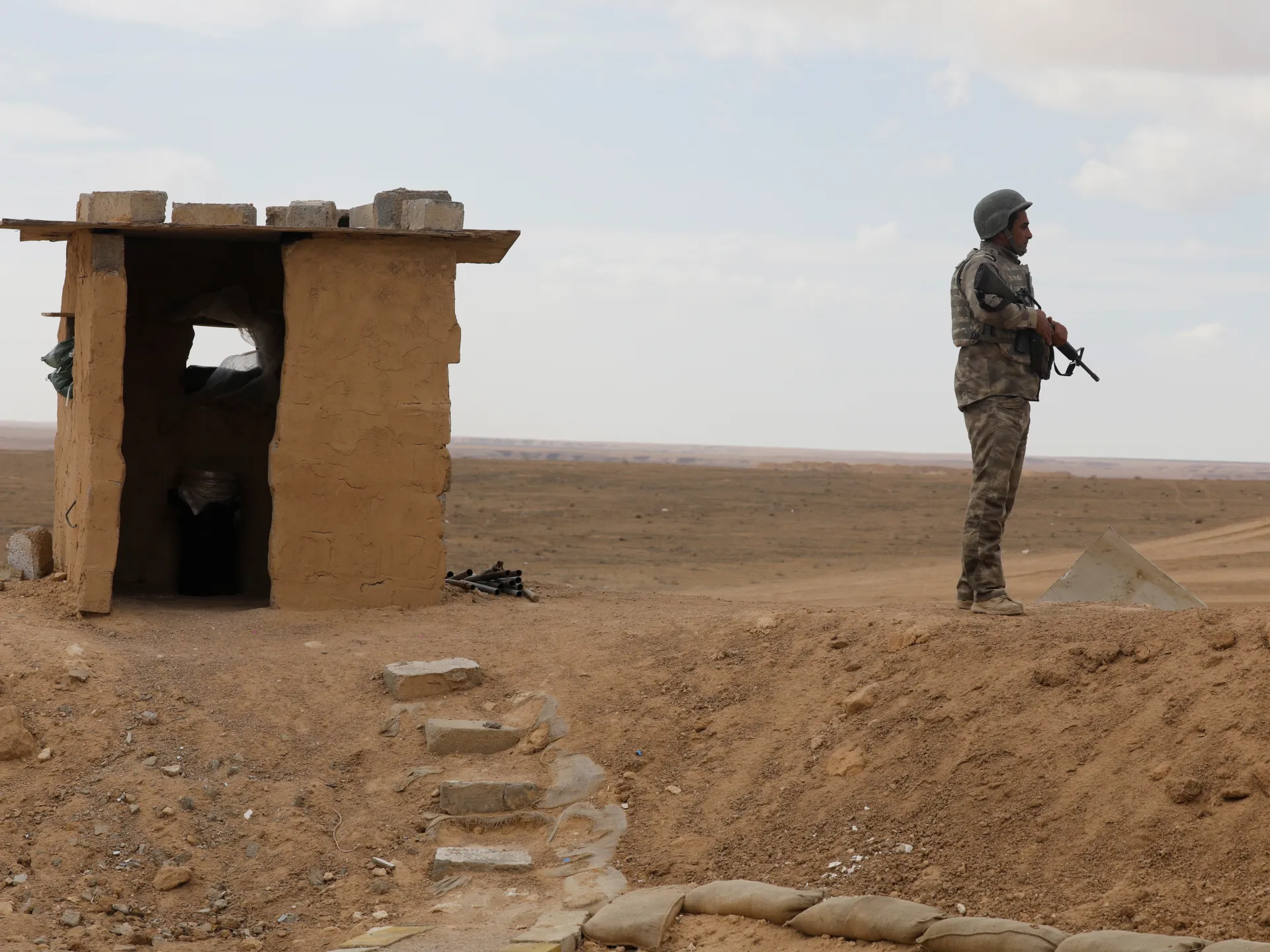
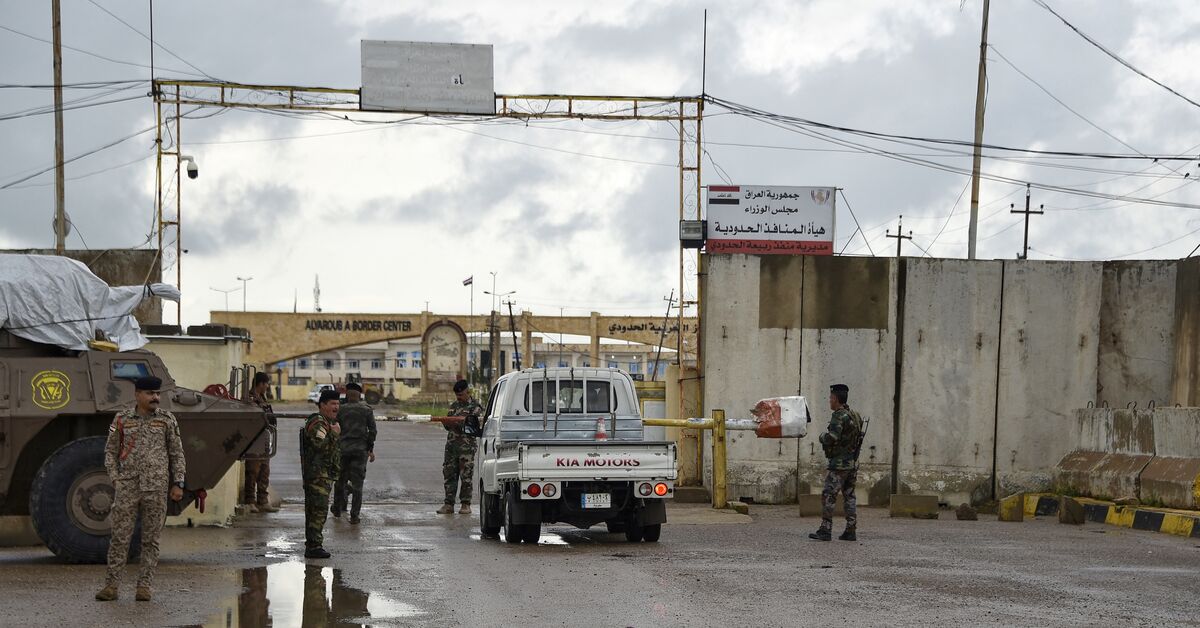
rossing the border from Lebanon into Syria, the driver casually pointed out a scar on the road – a result of Israeli jets bombing the frontier in the chaotic aftermath of the Assad regime’s fall on December 8, 2024. The road trip was part of an initial assessment of weapons and ammunition management in Syria in early May undertaken by Norwegian People's Aid and my organization, Small Arms Survey – a research center focused on small arms and armed violence at the Graduate Institute of International and Development Studies in Geneva.
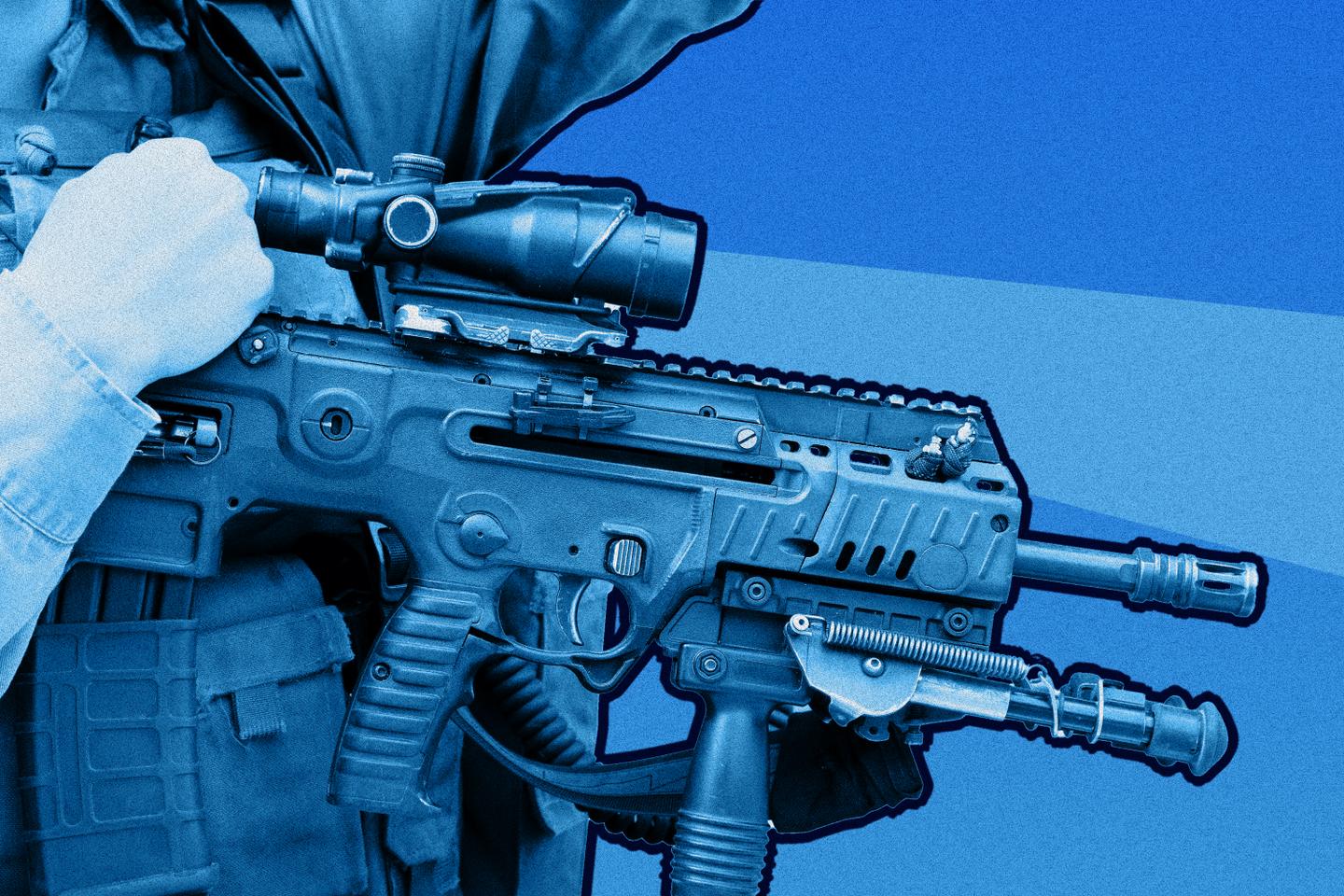
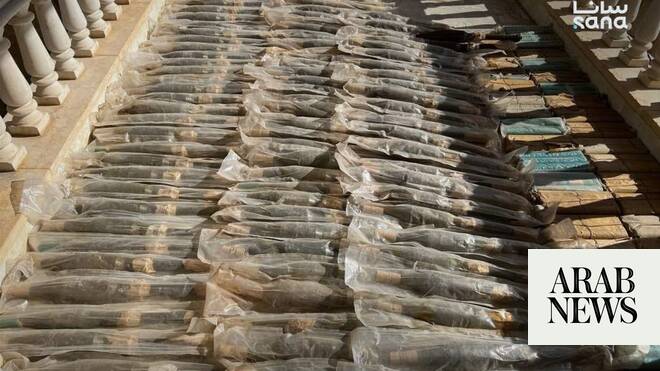
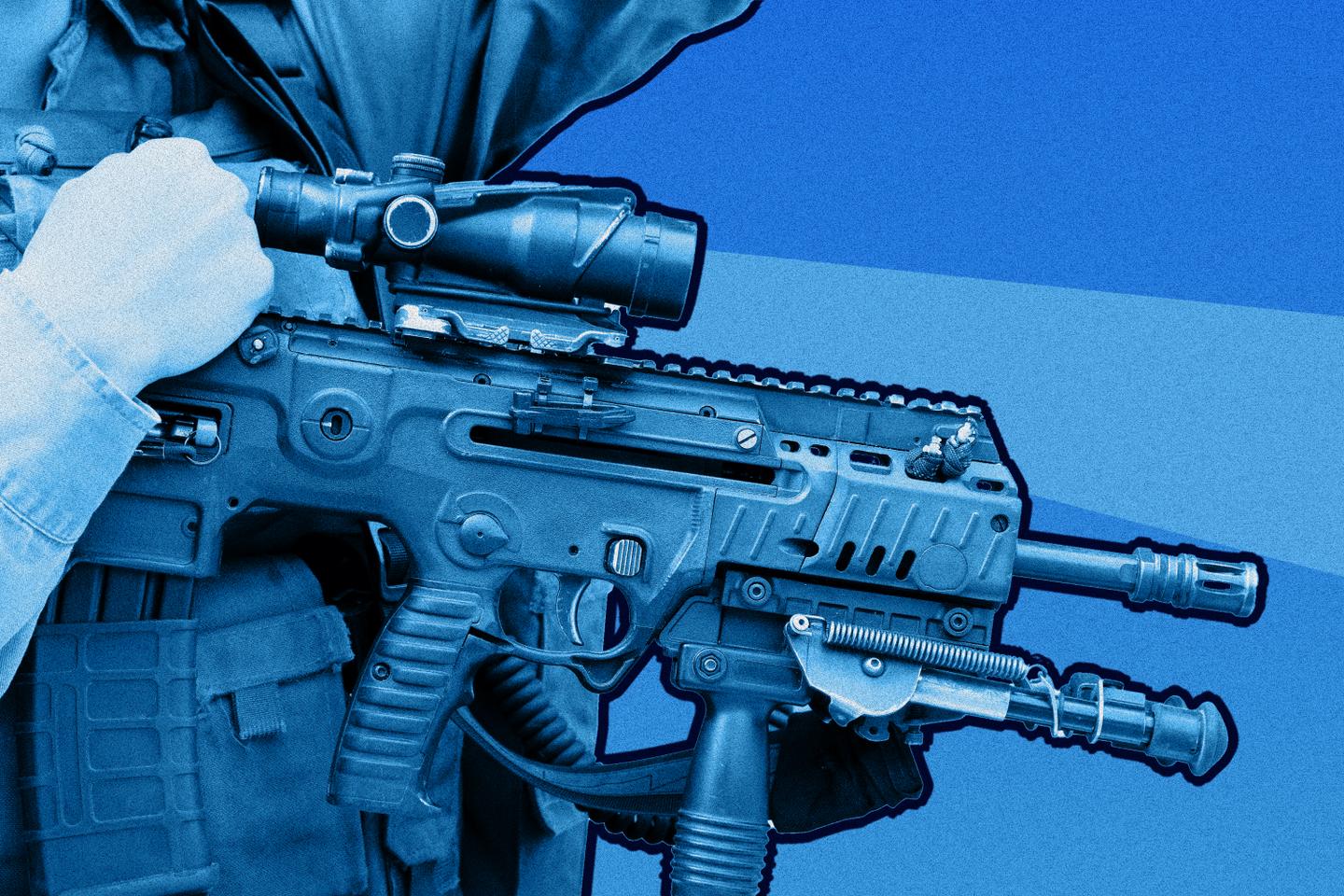
Not long before this trip, a series of Israeli strikes targeted weapons depots and storage facilities across Syria. Little is known about the precise contents of the targeted facilities, but these strikes did little to prevent the widespread looting of thousands of pistols, rifles, machine guns, grenade launchers, mortars, and portable missile and rocket launchers – collectively referred to as small arms and light weapons – stockpiled by the Assad regime over its five-decade rule.
By some estimates [reported by Inkstick Media], tens of thousands of Syrian small arms and light weapons have been stolen and trafficked. The consequences were immediate and staggering. In some regions of Syria, the price of an AK-pattern assault rifle plummeted to a quarter of its pre-regime collapse market value, according to the Syrian news organization Enab Baladi. In Lebanon, the going rate fell as low as $50.