This hilarious, melancholic comedy about a Jewish family from the writer of BoJack Horseman is an astonishing feat. It hops around in time from the 50s to 2022 in a flurry of one-liners
F
ew shows in recent memory have boasted the hidden depths of Raphael Bob-Waksberg’s BoJack Horseman. Conceived and marketed as a surreal stoner comedy about the madcap adventures of a delusional washed-up half-human, half-horse former sitcom star, BoJack quickly burned off its premise and unfurled into something quite wonderful.
Little by little, the jokes started to disappear. The central character stopped being a punchbag and became a case study of depression and loneliness. At times, the focus on trauma was overwhelming – witness The View From Halfway Down episode, in which BoJack is haunted by figures from his past while his brain starves of oxygen as he drowns in a pool – but the series was ambitious enough to single out Bob-Waksberg as a generational talent.
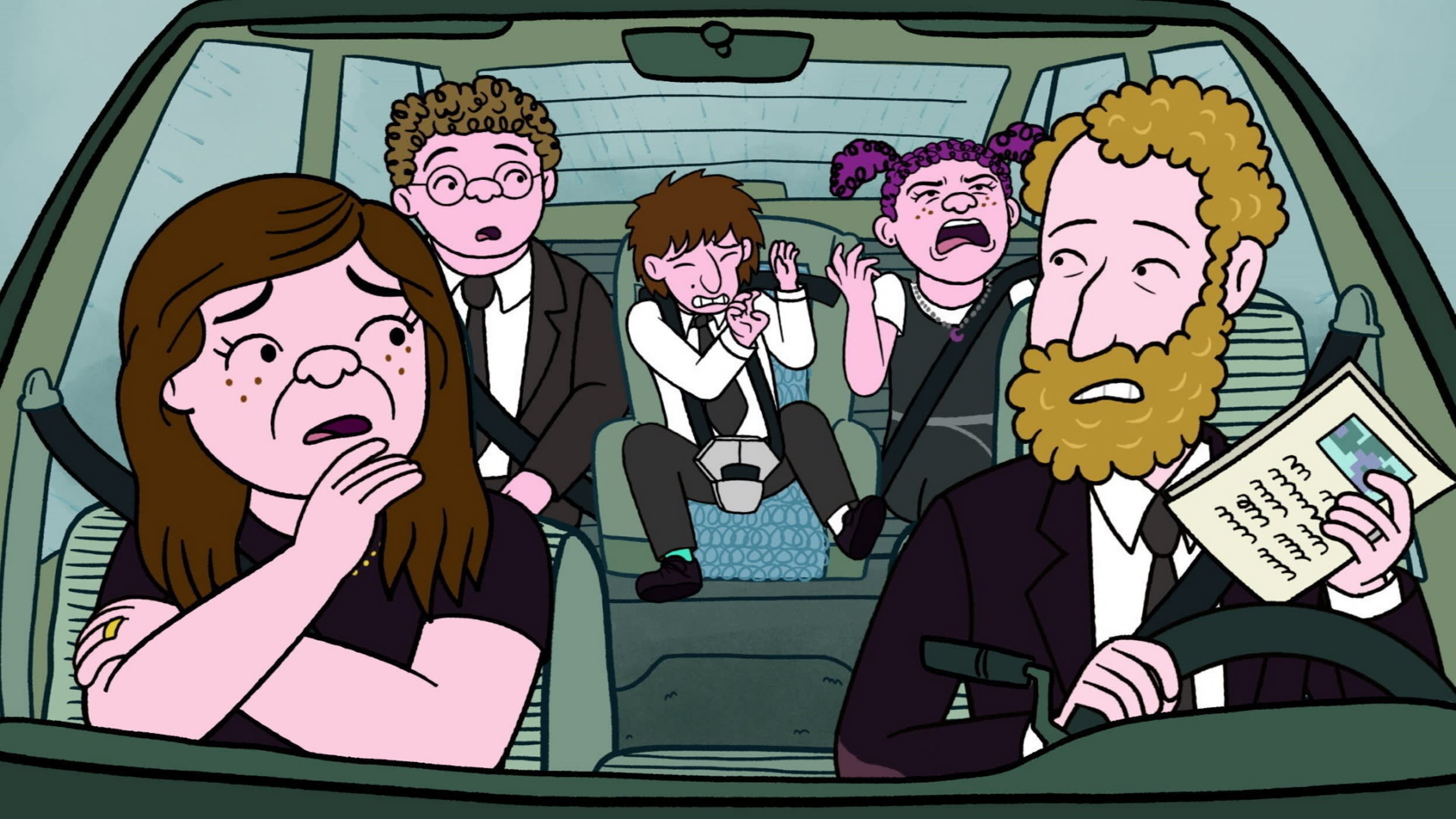
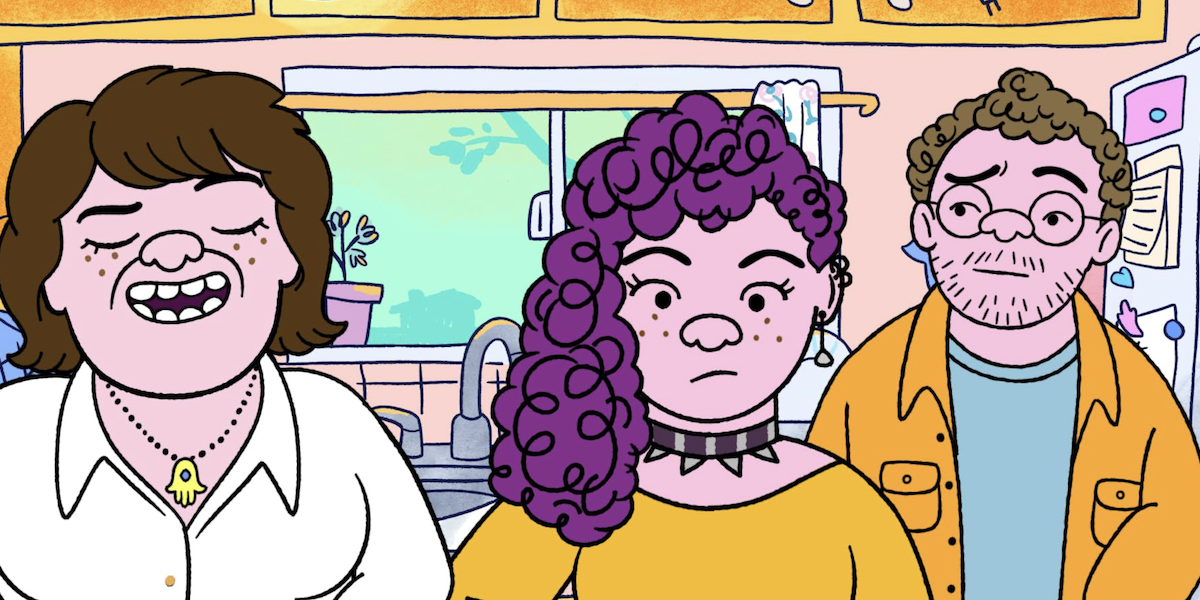
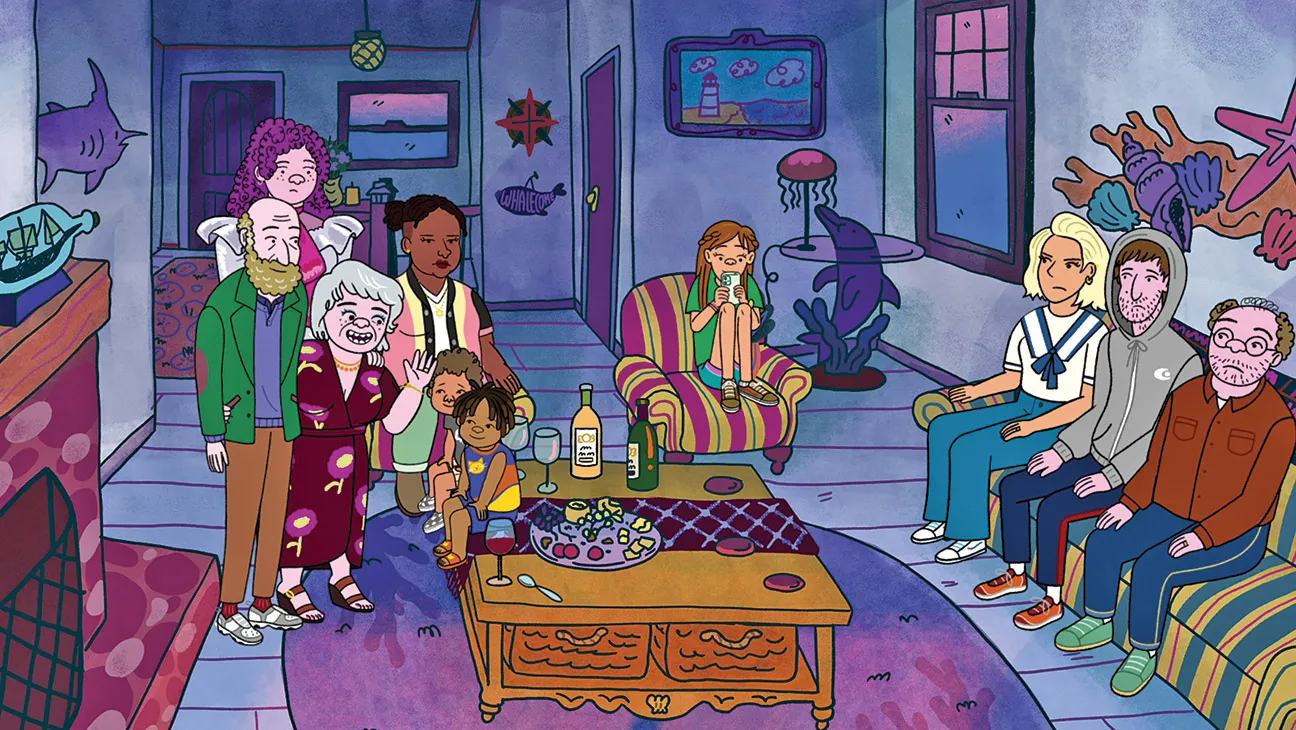
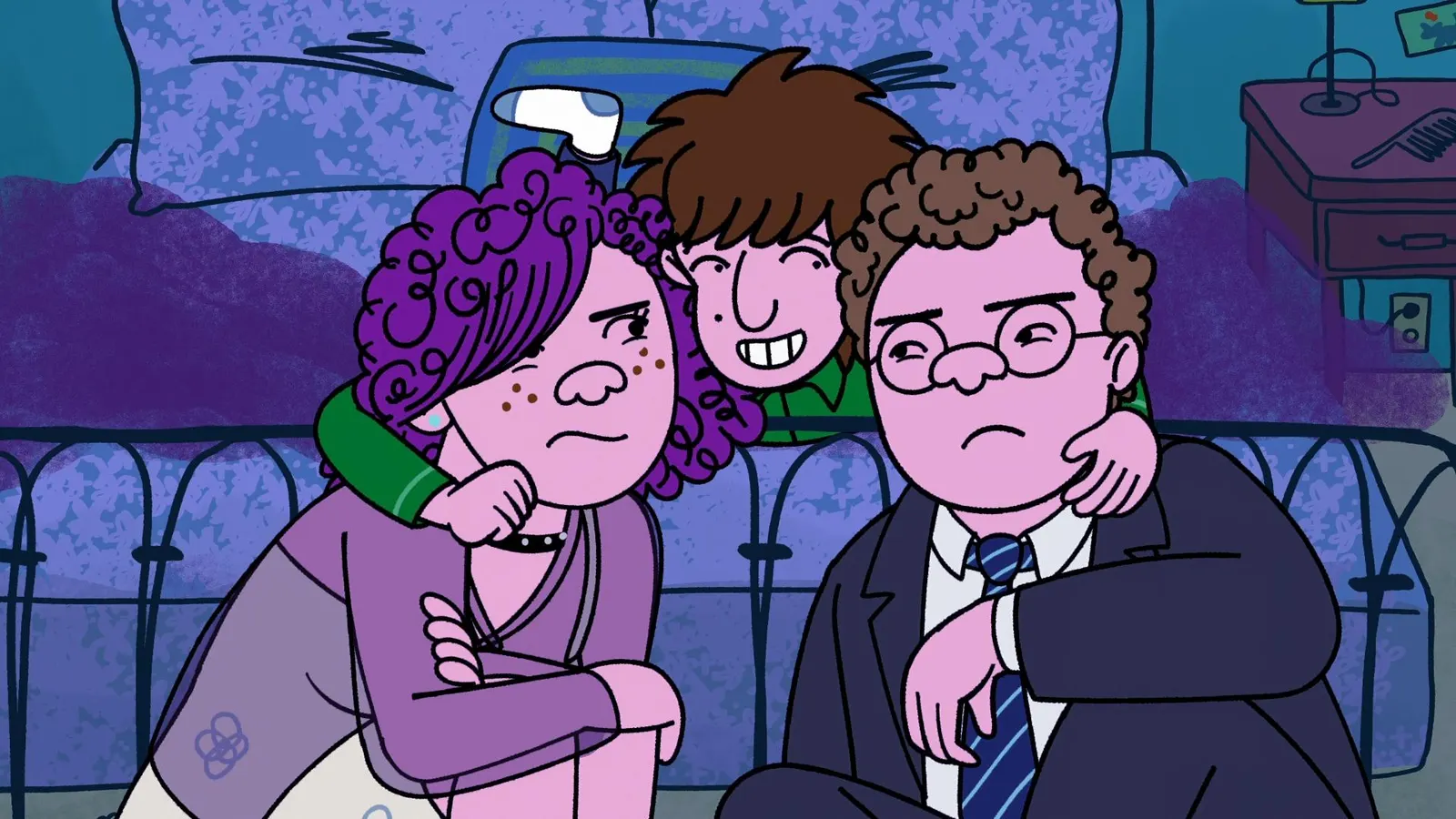
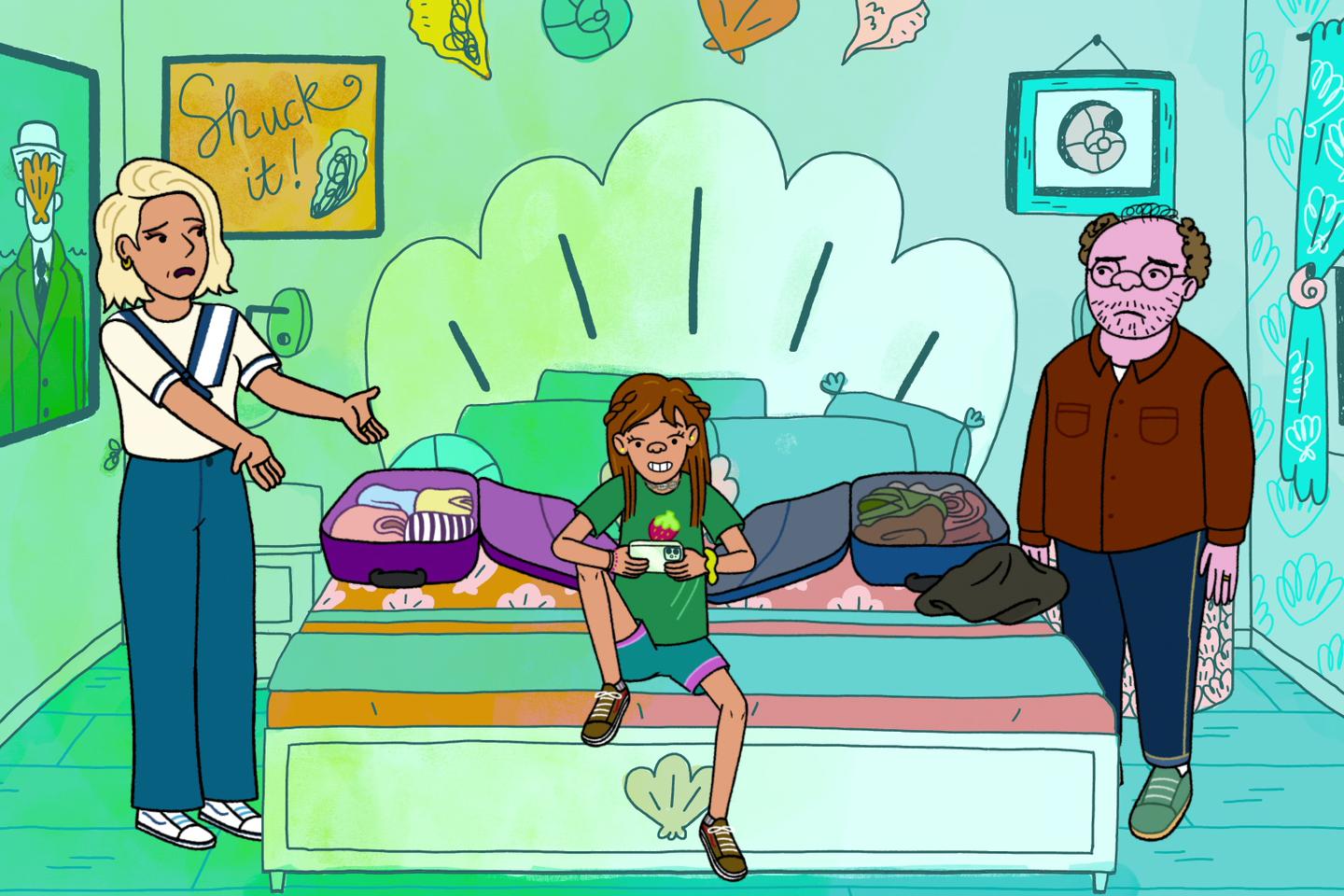
It stands to reason that his new series, Long Story Short, should give us several generations at once. The show is the tale of the Schwoopers, an unexceptional Jewish family, told at various points between 1959 and 2022. Chronologically, episodes shuffle the deck – one might start in the 1990s and end this decade, or vice versa – which means that all the characters are in a constant state of flux. There is no fixed point to them. They are all transitional figures, growing and learning from various levels of experience.