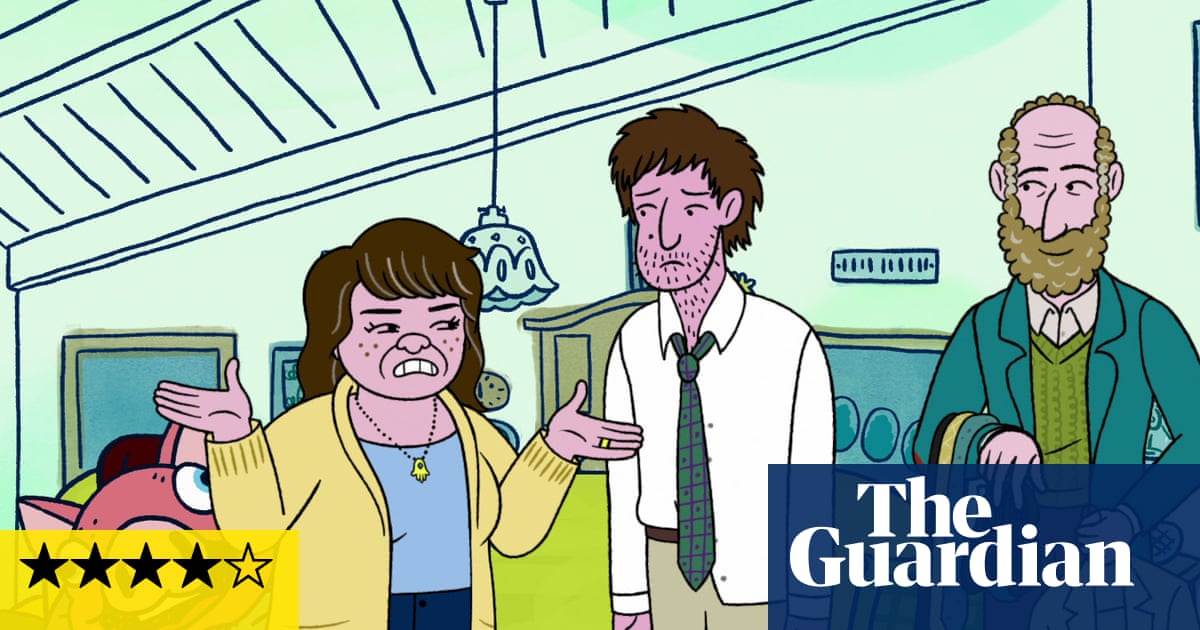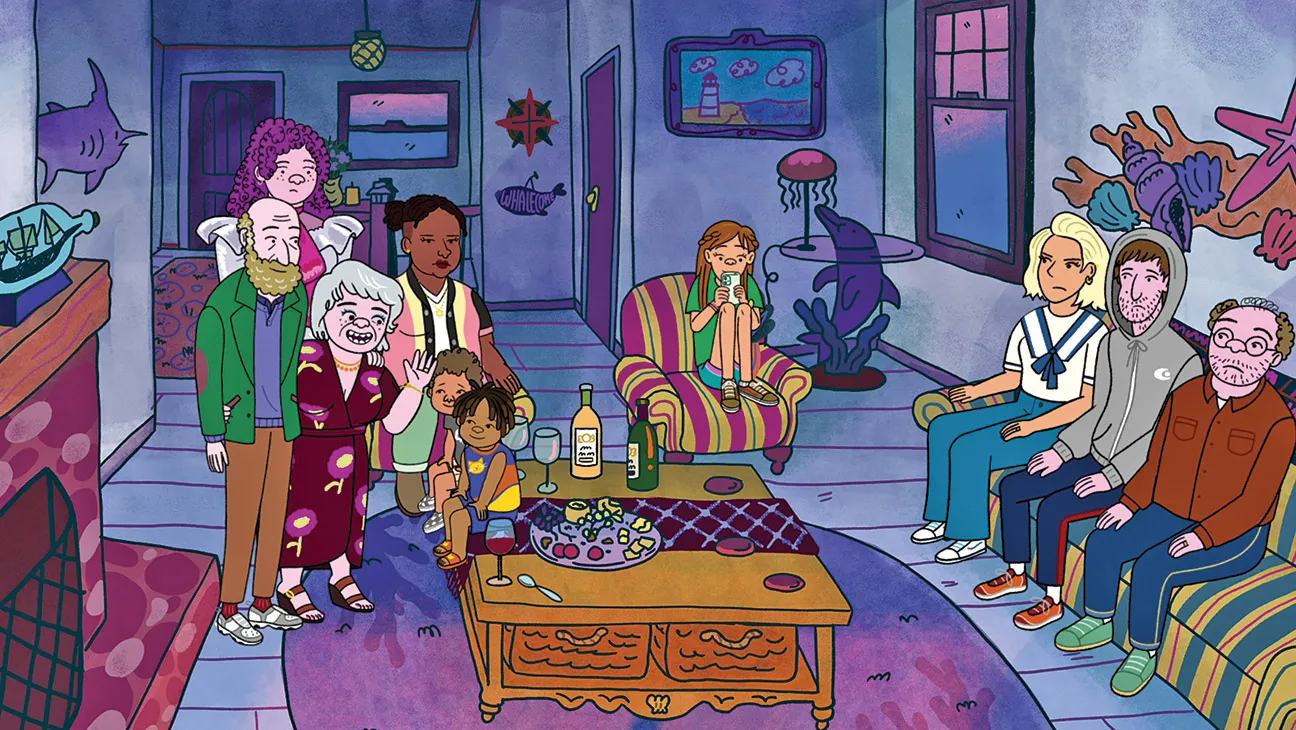
A sweeping, hilarious family saga told in multiple timelines from the 50s to the present day. Yes, that’s right – it’s basically Bluey meets Tolstoy
L
ike schoolboys, my friend Charlie and I send each other coded messages. One of these is “Am back on the horse”, which means “Rewatching BoJack Horseman”, which means “Having a mental health crisis”. The recipient knows to go to the other’s house with Danish pastries and some grass to touch. That show changed my life. The Simpsons had redefined what a cartoon could be, Ren & Stimpy and South Park were transgressive thrill-rides. But Raphael Bob-Waksberg’s tale of a washed-up actor chasing redemption wasn’t just adult; it was profound.
So I was worried, approaching the new animated series from that show’s creators. It’s not about celebrity. There are no talking dogs or porcupines, or underwater worlds. No Will Arnett. How could I watch without expectation? It feels unfair yet unavoidable to keep an artist’s previous work in mind. Isn’t that like comparing a current partner with an ex?
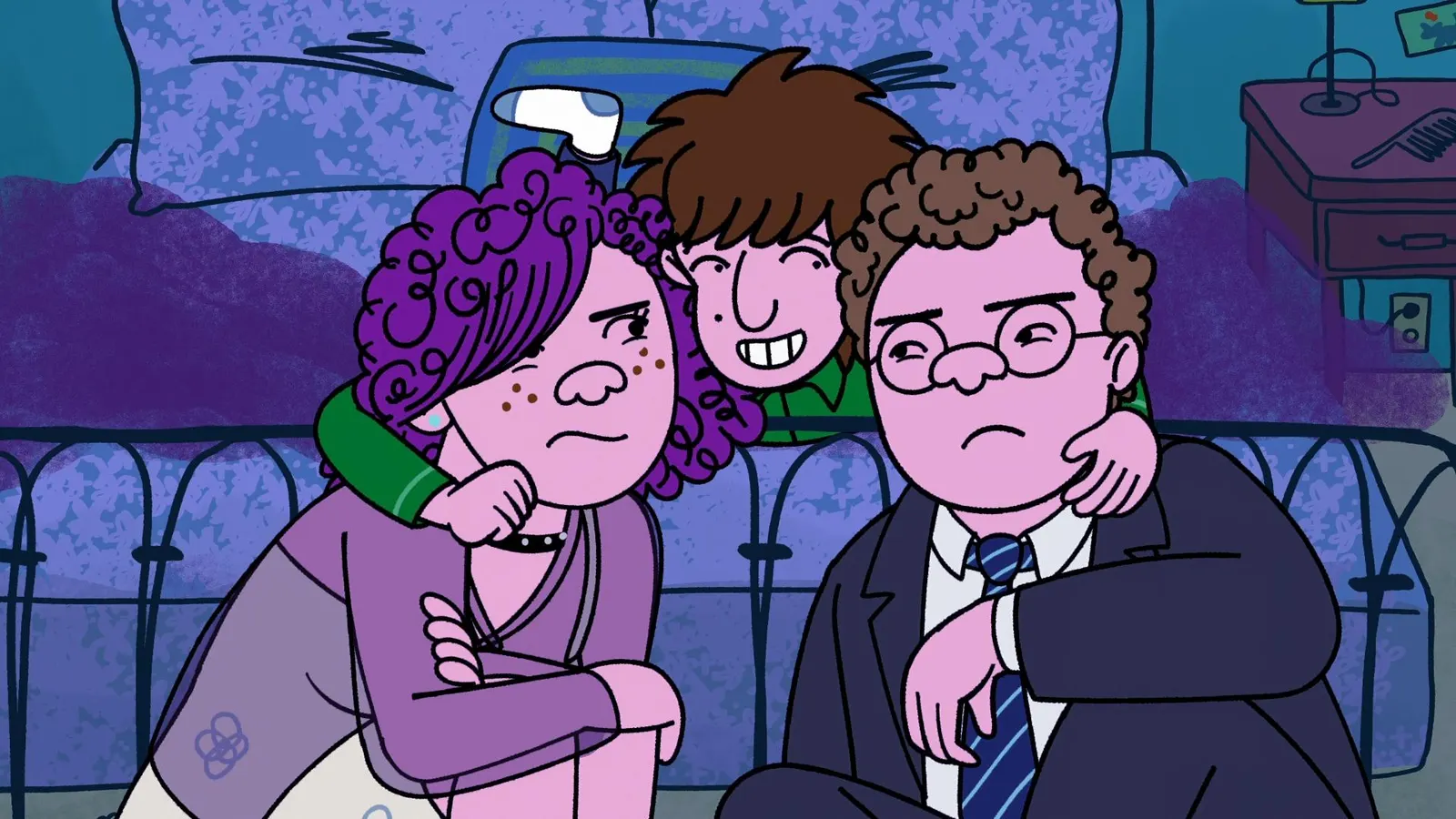
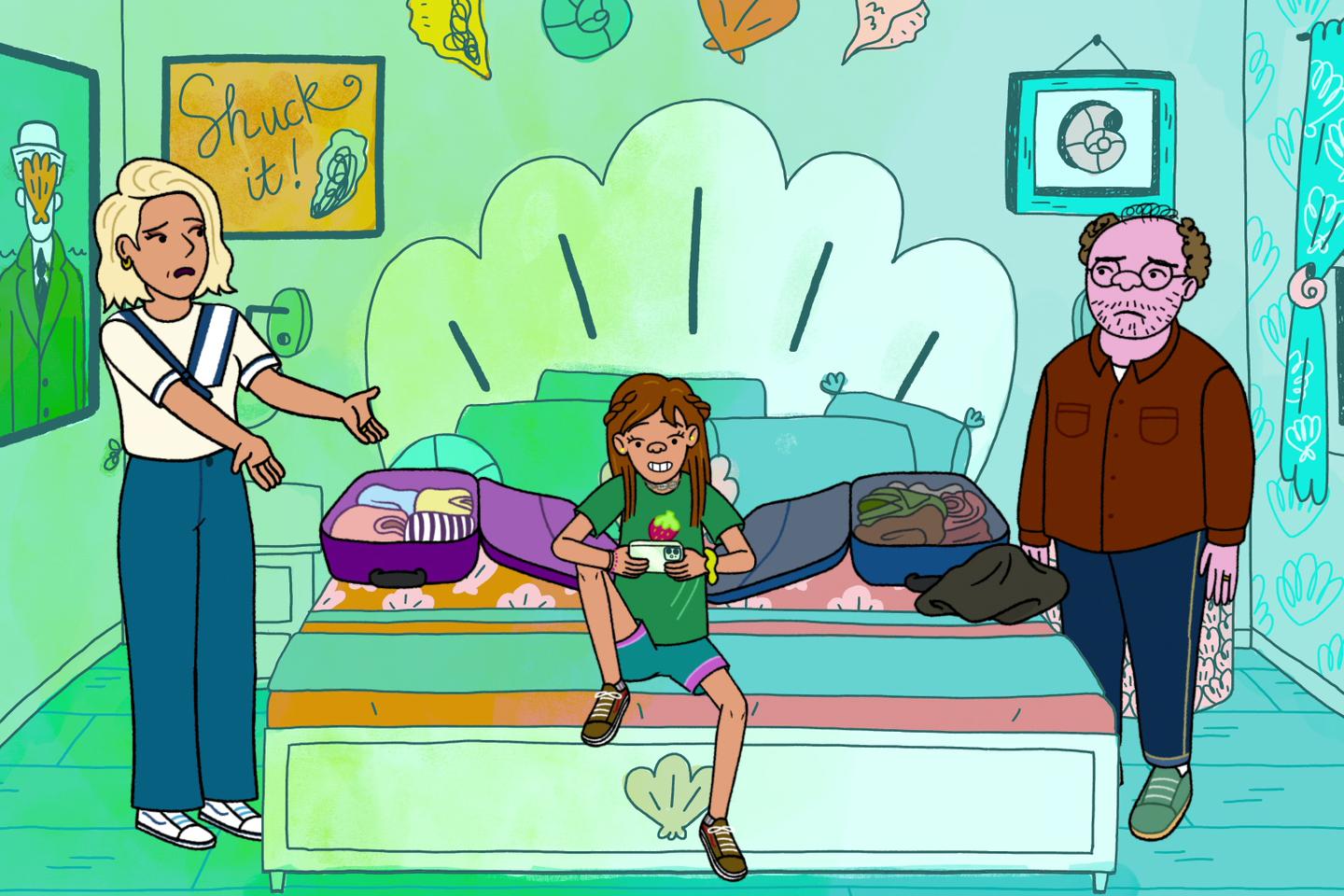
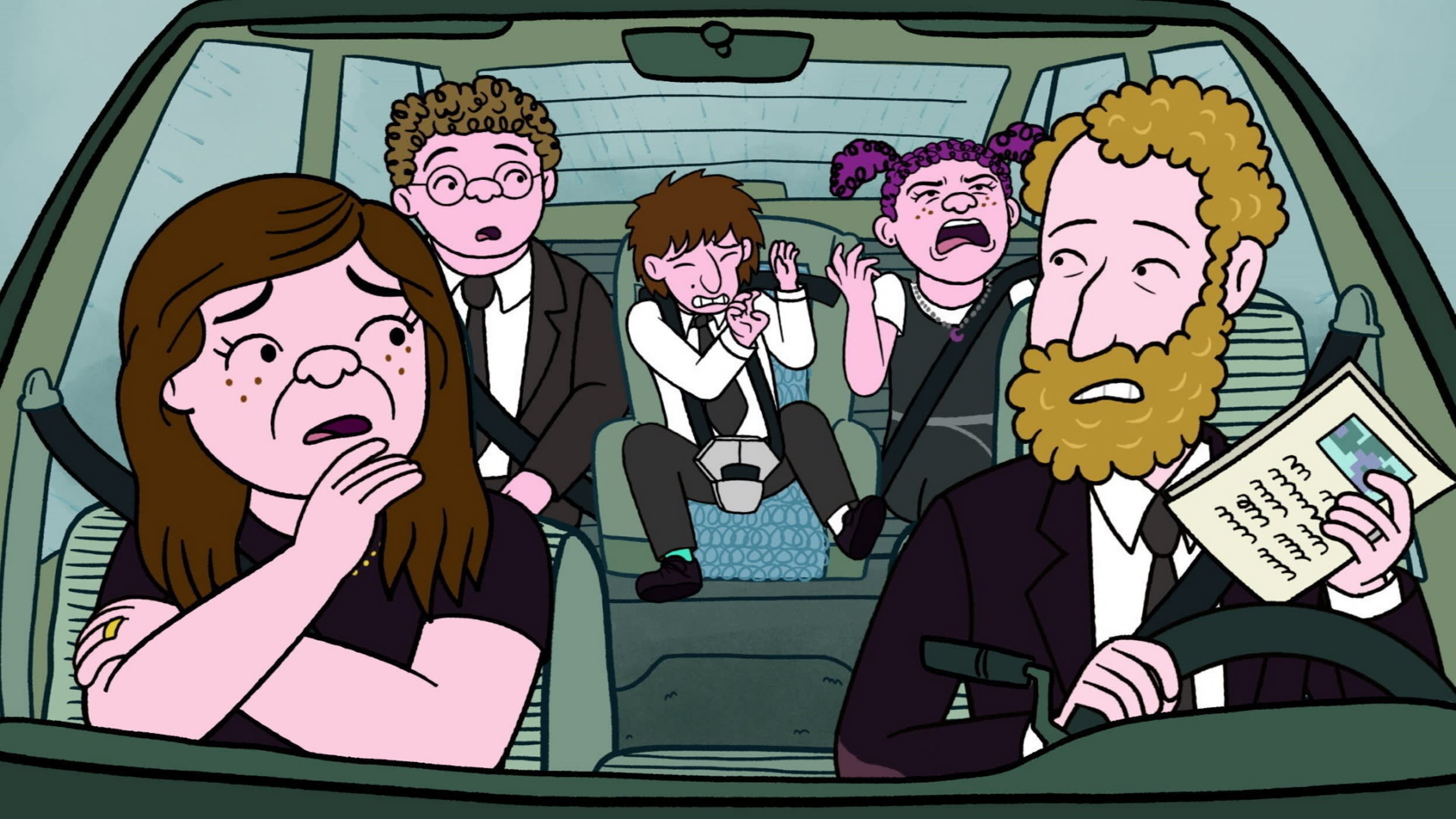
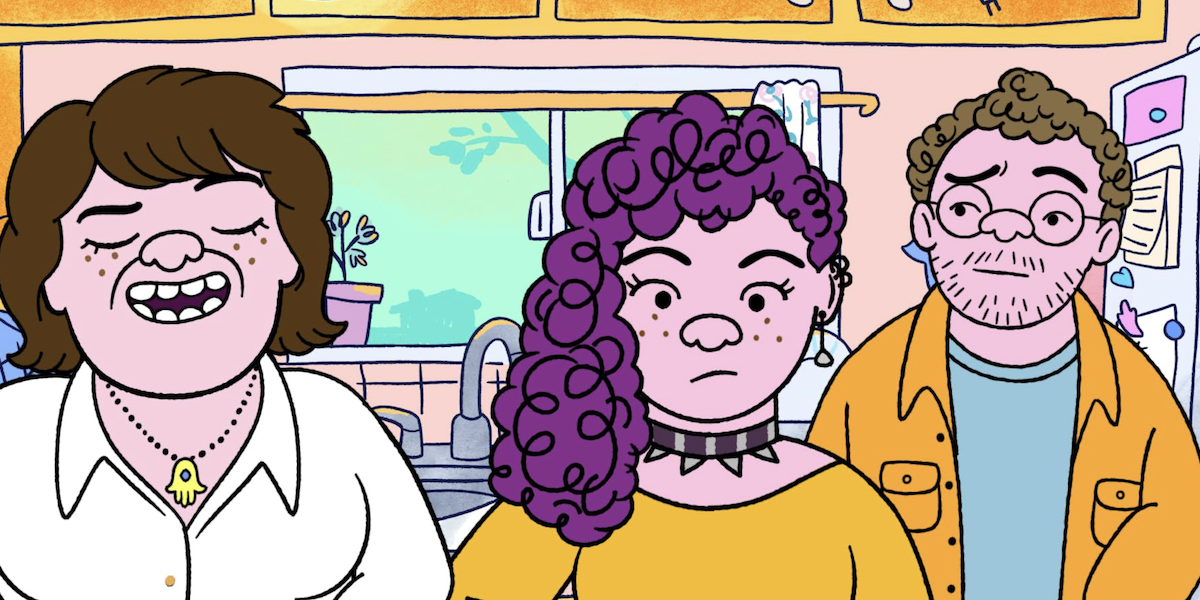
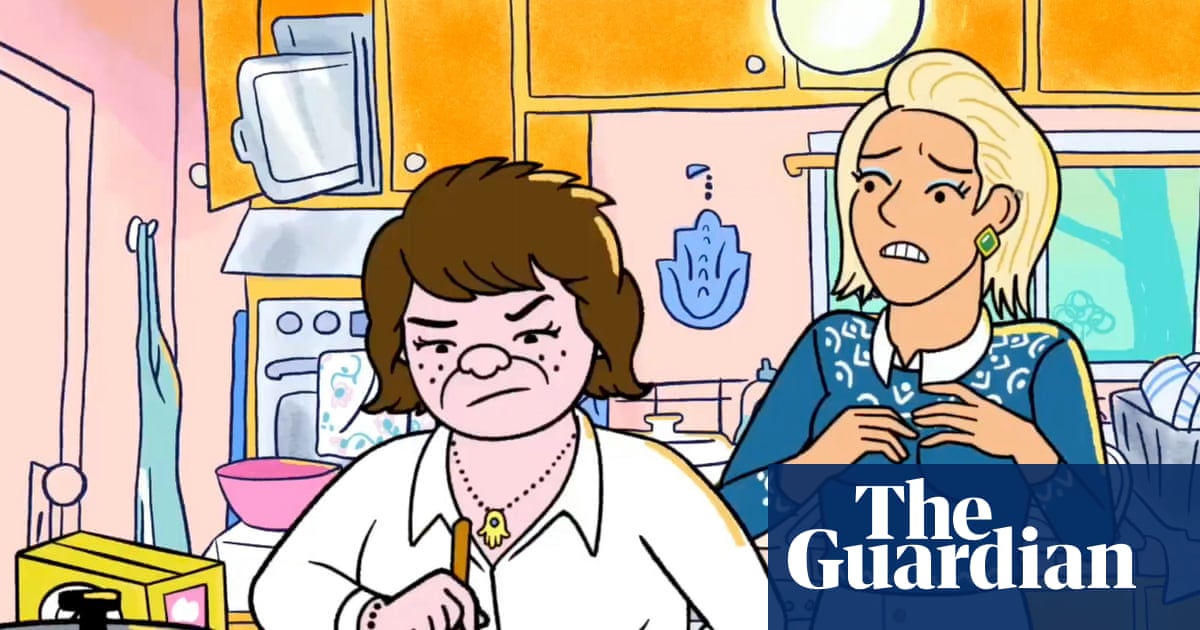
While it lacks a famous horse, Long Story Short (Netflix, from Friday 22 August) is its own beast, and no less ambitious. It’s a family saga told in multiple timelines. The Schwoopers are an argumentative, chaotic Jewish household. Each episode focuses on a character or relationship, swooshing back and forward in time, from the 1950s to the 2020s, as they navigate romance, coming of age, marital breakdown, parenting, old wounds, joy, death and purpose. Basically, it’s Bluey meets Tolstoy.