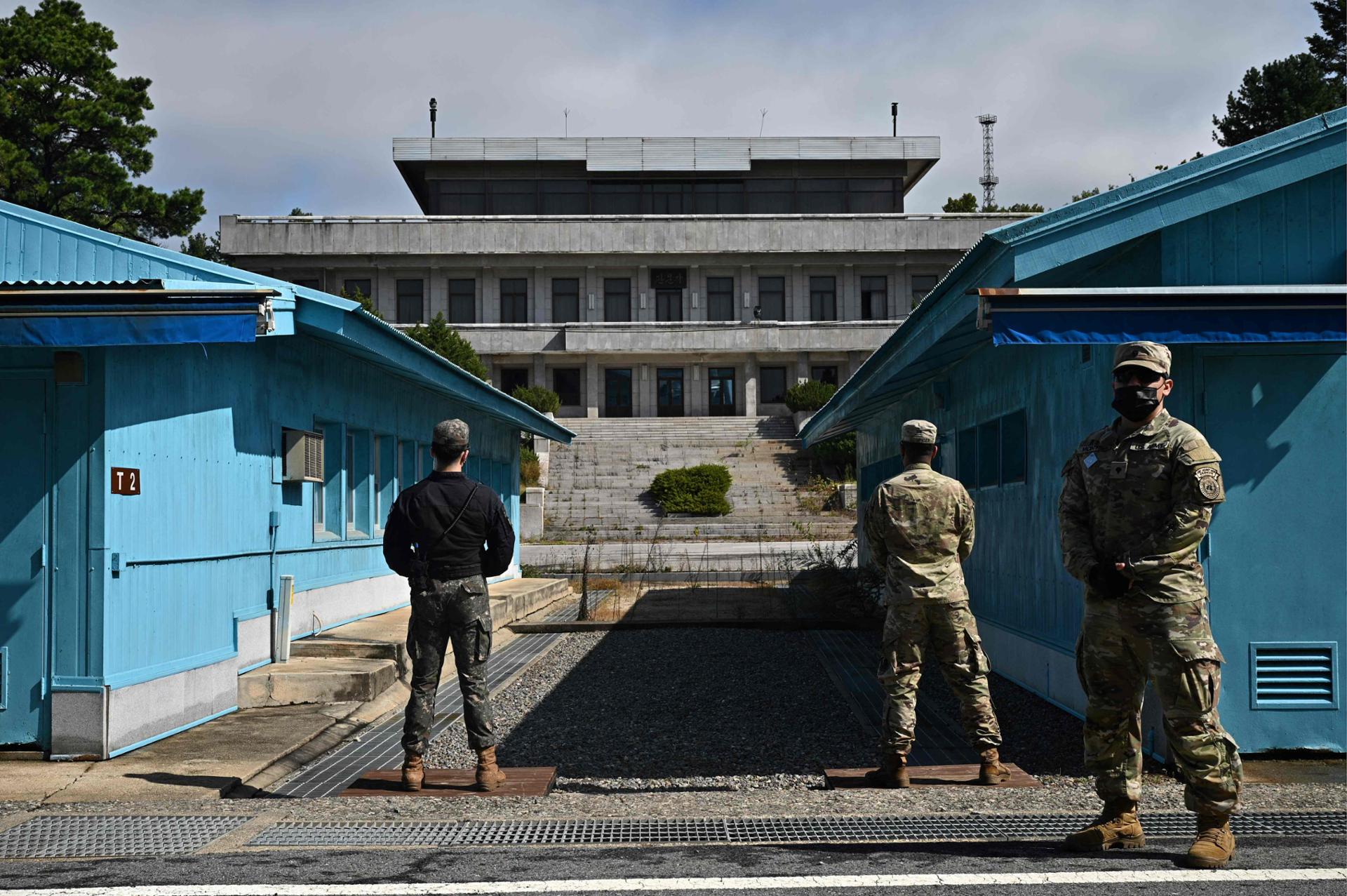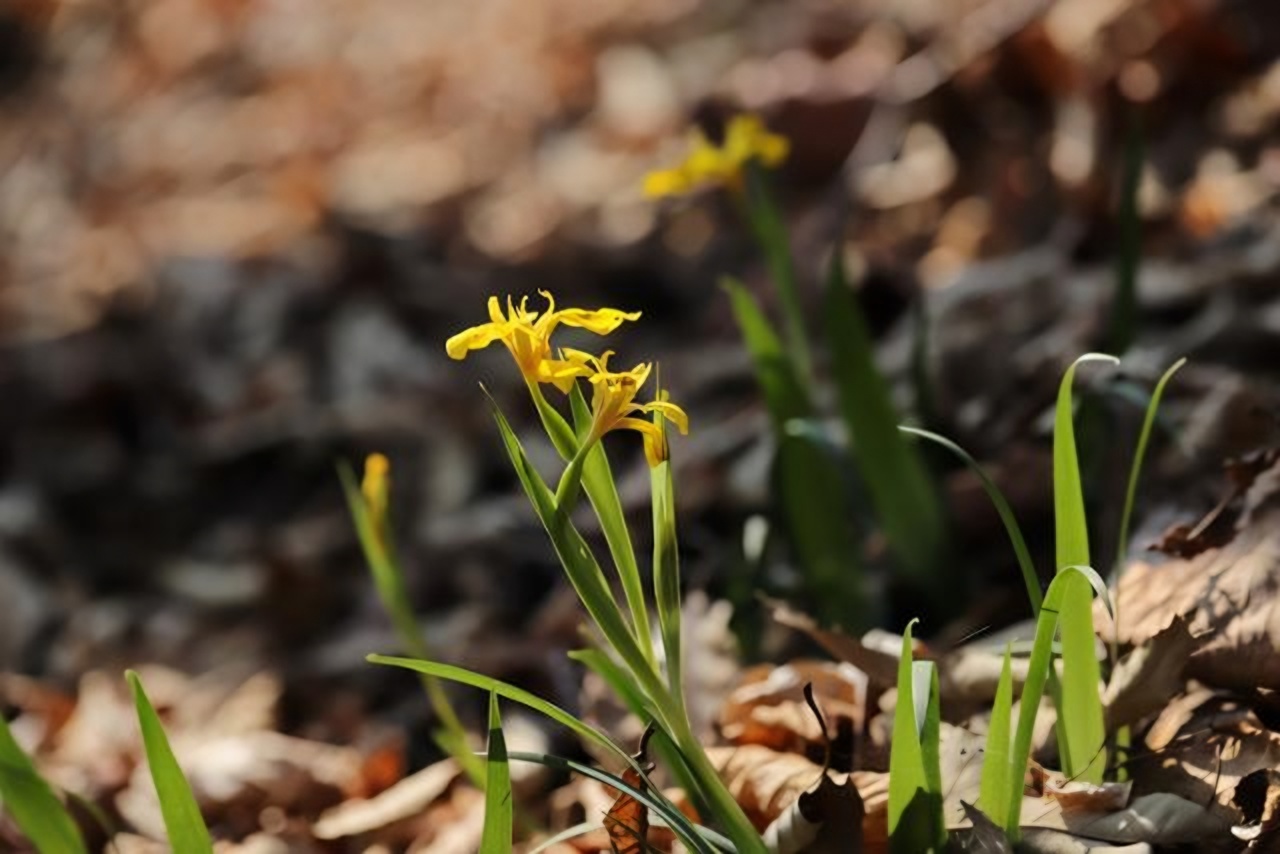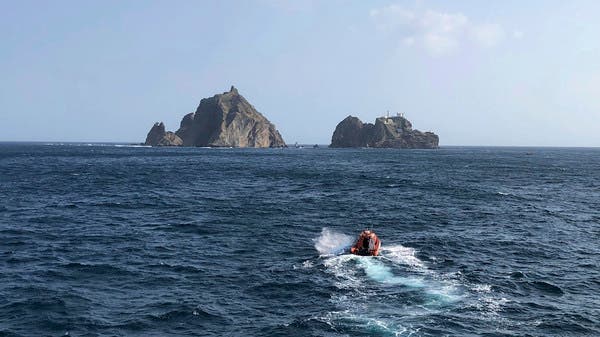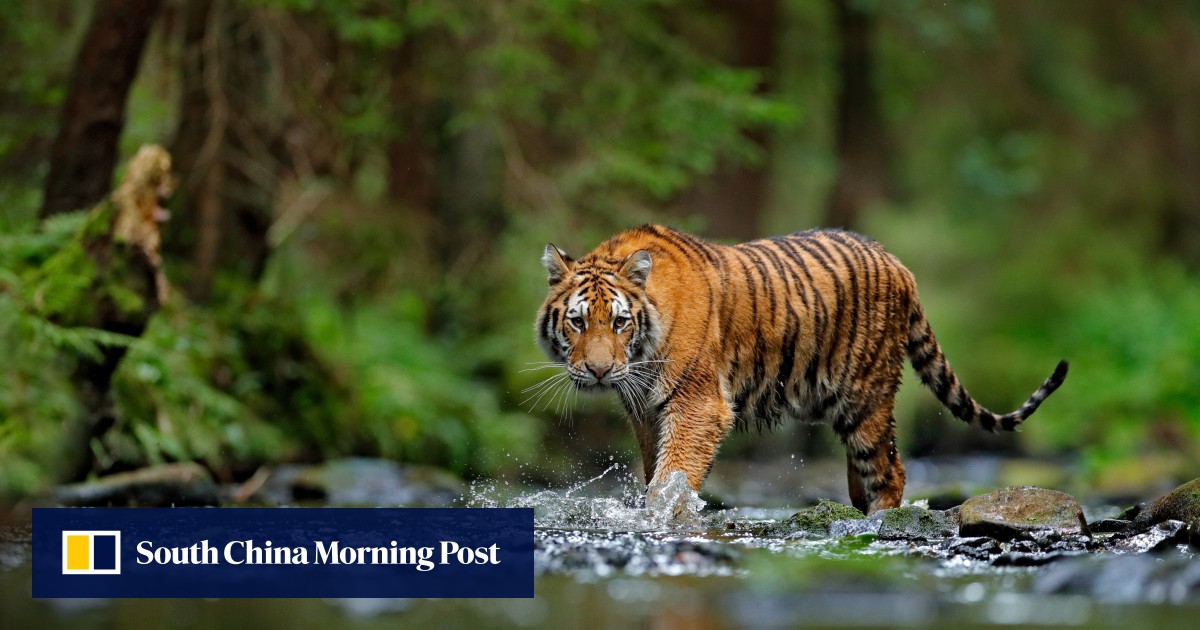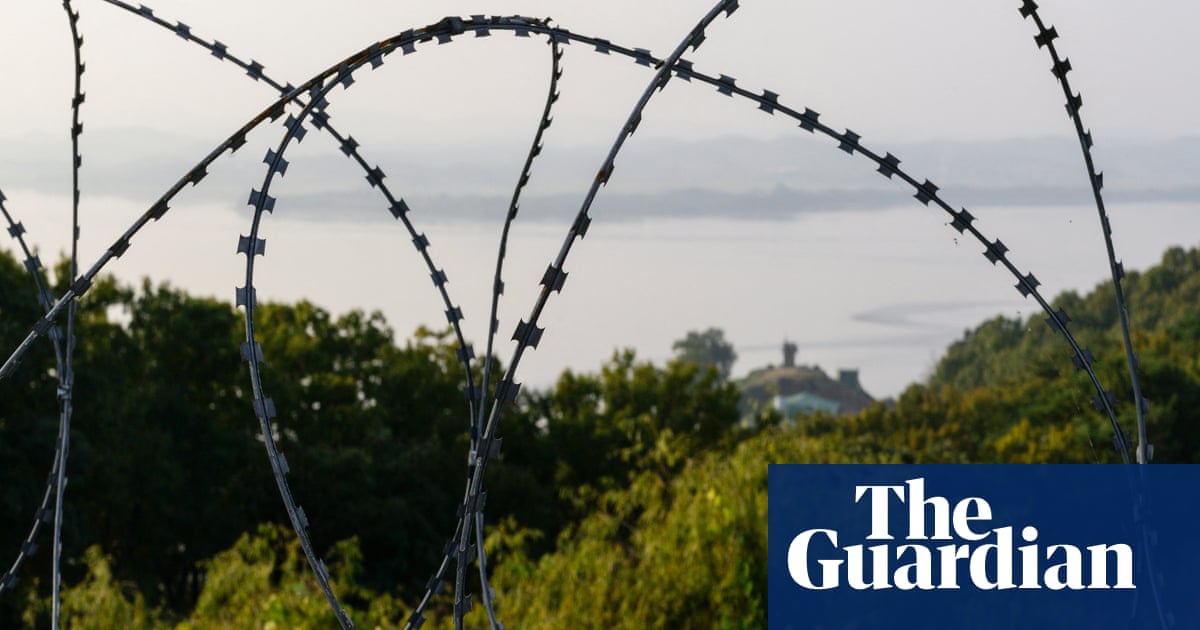
The demilitarised zone between North and South Korea has become an ecological oasis with nearly 6,000 species documented, including rare cranes, deer and bears
S
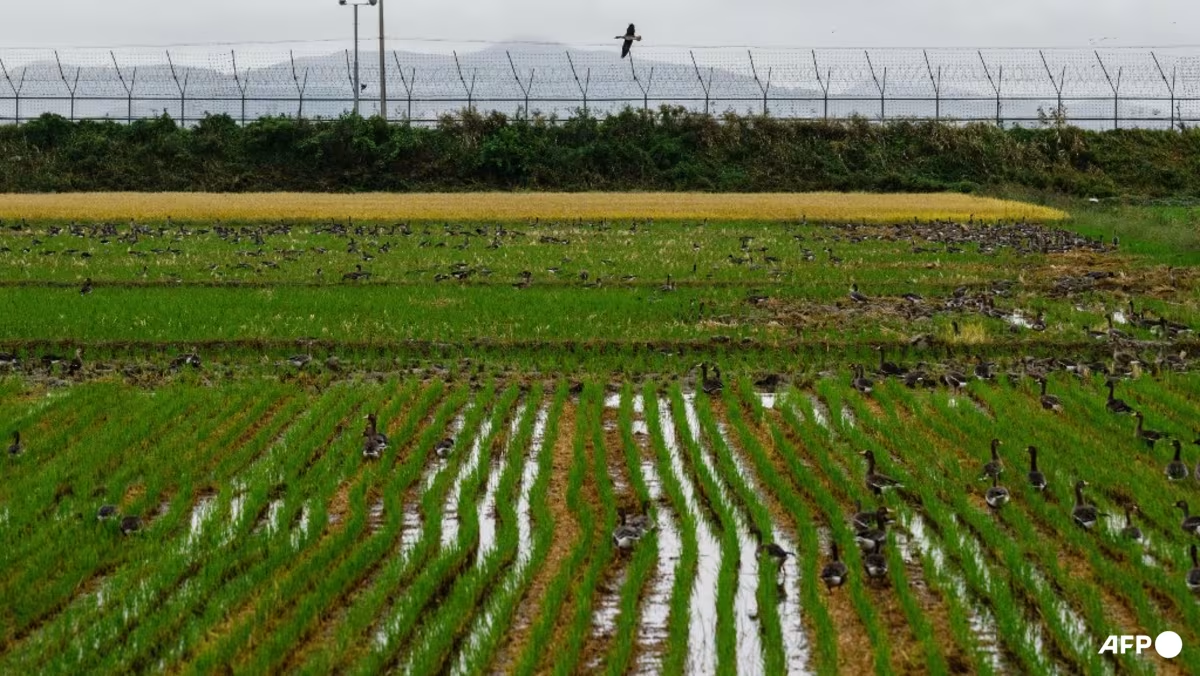
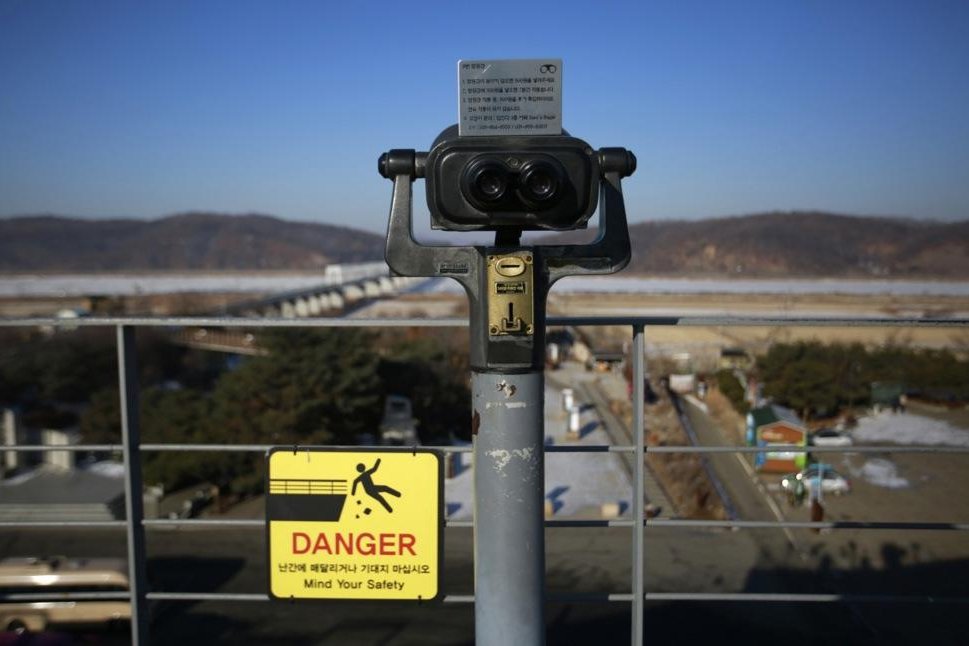
tanding on top of a small mountain, Kim Seung-ho gazes out over an expanse of paddy fields glowing in their autumn gold, the ripening grains swaying gently in the wind. In the distance, North Korea stretches beyond the horizon.
“It’s so peaceful,” says the director of the DMZ Ecology Research Institute. “Over there, it used to be an artillery range, but since they stopped firing, the nature has become so beautiful.”
The land before him is the demilitarised zone, or DMZ, a strip of land that runs across the Korean peninsula, dividing North and South Korea roughly along the 38th parallel north.