A great vibe shift is underway—and it’s not that one. It’s the one that’s deeply felt in both boardrooms and break rooms, a dramatic change in workplace power. The boss is back in charge in a way that comes down to four simple words: “Because I said so.” It’s the sequel to the Great Resignation, when labor shortages forced business leaders to fork over once-in-a-generation raises and signing bonuses. Welcome to the Great Resentment.
This is more than a backlash to DEI or ESG. It’s more than whether a remote or flexible workplace is the most productive. And it’s more than a market correction for a period when wages, and inflation, briefly sent economic historians back to their textbooks about the serial crises of the 1970s.
This is about employers clawing power back from labor. It’s about payback—for overreach by workers who forgot who was really in charge. It’s about social class, a reminder that some people are haves and others have-nots. More than anything, it’s about resentment.
Putting a lid on wages
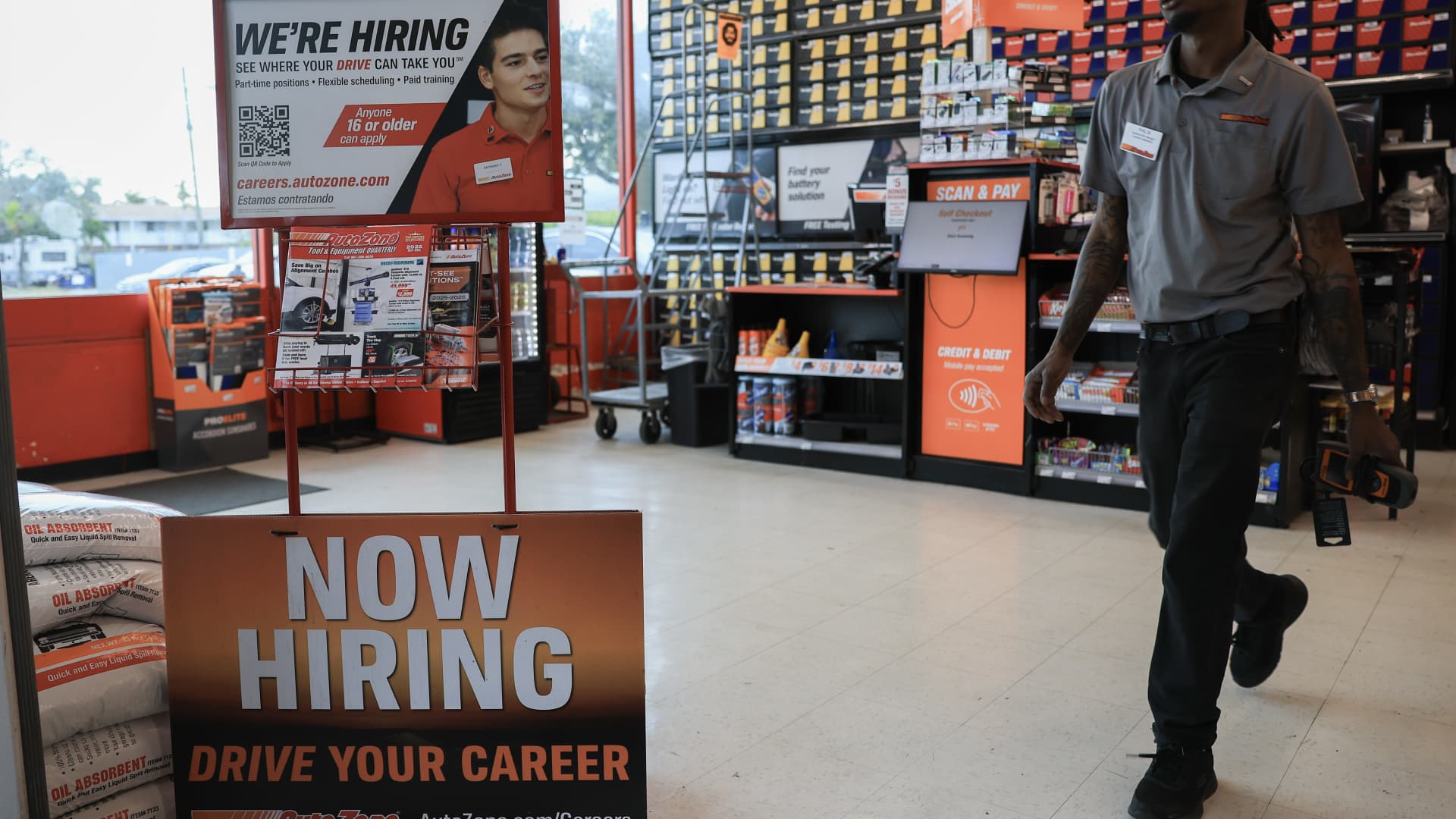
During the pandemic era, especially between 2021 and mid-2023, companies scrambling to fill roles competed with eye-popping wage bumps. Employees switching jobs regularly saw salary hikes of around 16%, particularly in sectors like hospitality and retail. Job postings advertised unprecedented pay, and workers seized on their newfound leverage, often quitting roles in droves to pursue better offers—a phenomenon that became known as the Great Resignation.