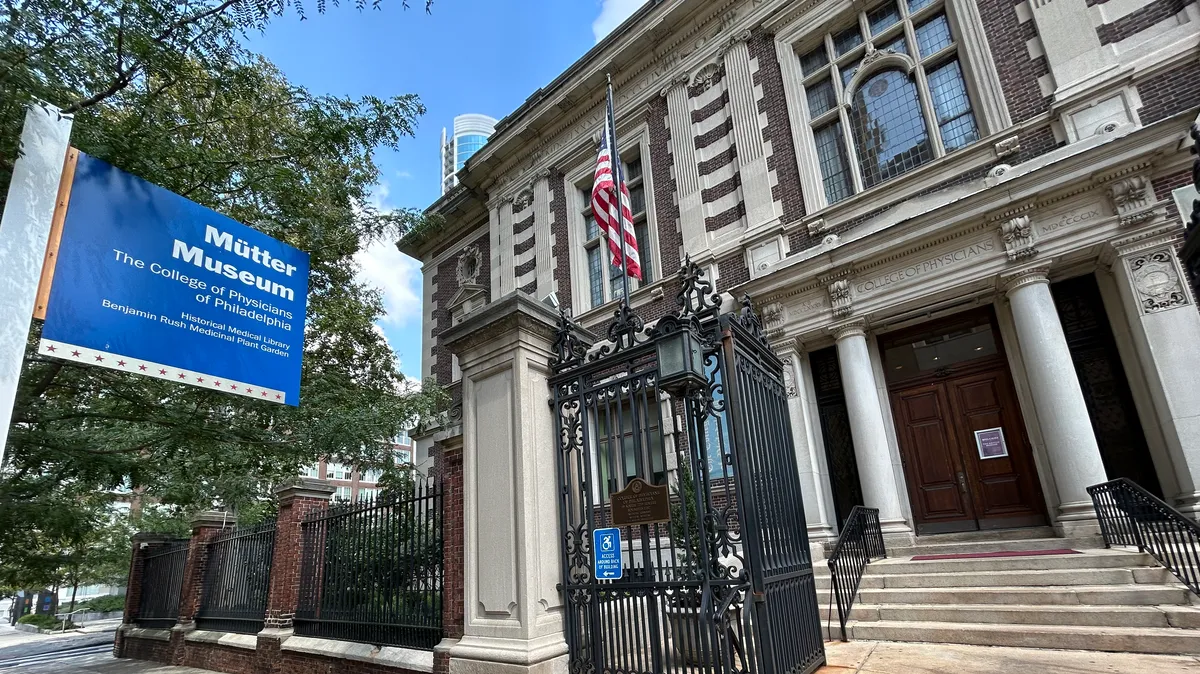
Part of the College of Physicians of Philadelphia, the Mütter Museum says it investigated the ethics of displaying donated human remains.Show Caption
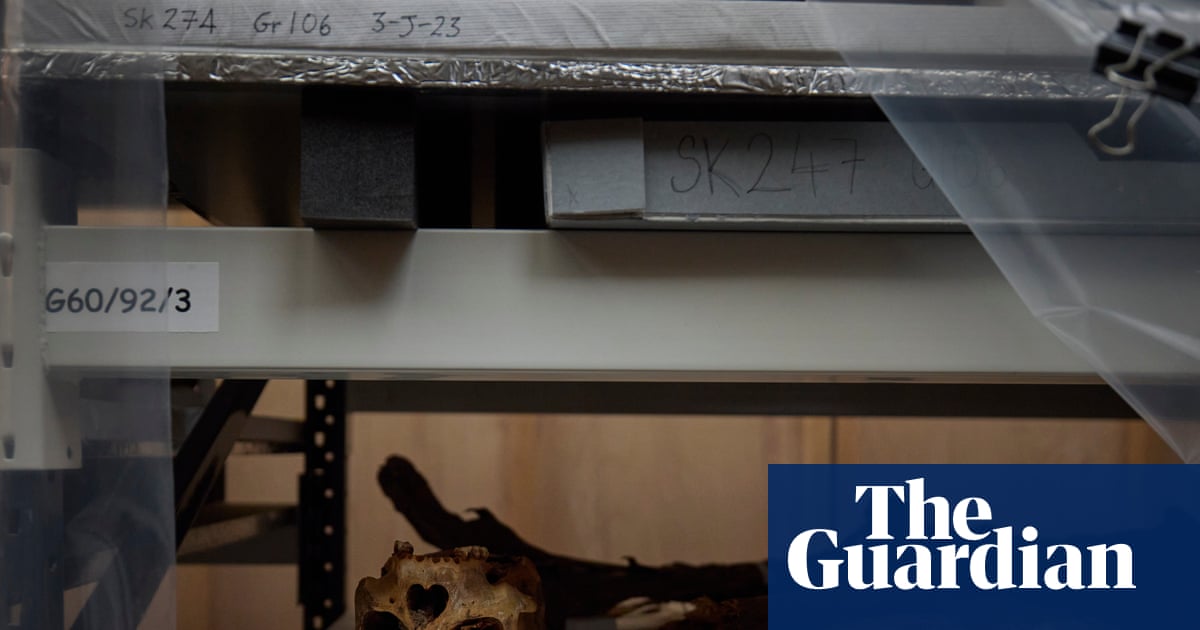
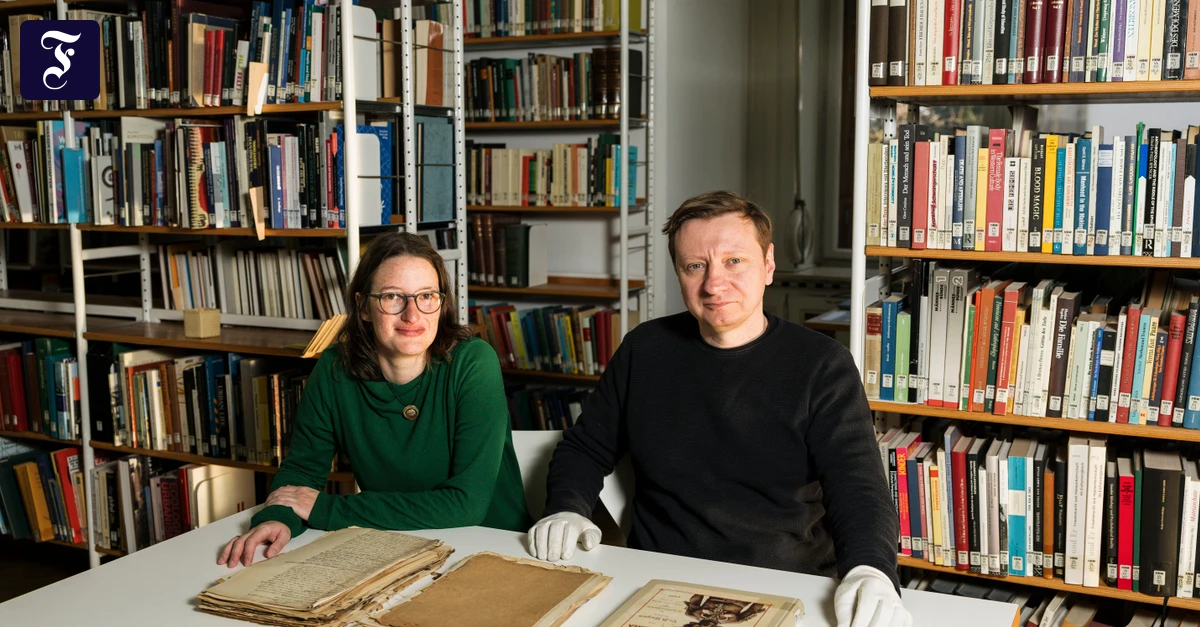
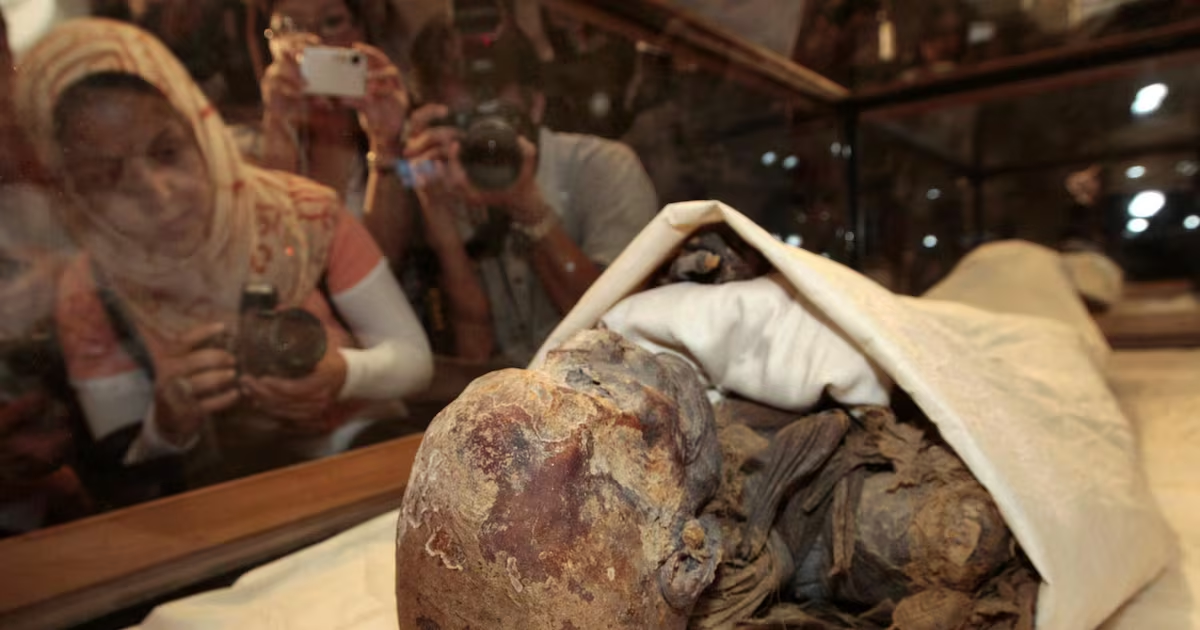
PHILADELPHIA ‒ For years, the Mütter Museum leaned into its appeal as a repository of medical curiosities: dozens of human skulls, fetal specimens and skeletons of people with varying pathologies, for starters.There were calendars with glossy photos and appearances on "The Late Show With David Letterman" by its late director, Gretchen Worden, as well as a YouTube channel with videos about death, illness and medical history.But one big issue loomed over the museum ‒ the ethics of displaying human remains, many of them donated by physicians or from private collections. So beginning in 2023, it embarked on what it called a "Postmortem Project": an effort to provide clarity and context to items within the collections.Two staffers ‒ Erin McLeary and Sara Ray ‒ helped bring the project to its conclusion, which was announced on Aug. 19.The museum is part of the College of Physicians of Philadelphia, which dates to 1787 and bills itself as "the birthplace of American medicine." The Mütter was meant to educate medical students and the public on different pathologies and differences in the physical human condition.Museums aligned with a medical institution, such as the Mütter, were once much more common, said McLeary, the Mütter's senior director of collections and research. "What's unique about the Mütter is that it survived.""We wanted to open up a dialog with visitors to understand and sometimes answer some of their questions about obstetrics, for example, or disability," said Ray, the senior director of interpretation and engagement.McLeary and her team embarked on a research project (one that is still ongoing) to de-anonymize human remains within the collection ‒ finding out not only the names of people whose skulls, skeletons and other pathologies were on display, but learning about them as people: how they lived; how those conditions impacted their daily lives; what they and their physicians knew of their condition; how and whether they'd consented to their remains being used to educate generations of doctors and the wider public.It wasn't easy. Because so many of the items in the Mütter's collections came from doctors and even private donors before record-keeping standards were what they are today, McLeary had to rely on what she and her team could find. They looked into genealogical records, contemporary news reports and medical records.They pointed to one skeleton as an example, that of Tommy Jeff, a child born with hydrocephalus, which enlarged his skull. The boy, whose remains were sold to the Mütter after his death in the 1880s, came from a poor Black family and his mother allowed his physician to give her son's remains to the museum because she'd feared they might be dug up and sold for profit, or otherwise exploited.The museum says the two-year project has led to changes that allow visitors to learn more through interpretive signage and exhibits that provide greater context. The museum held several public sessions to discuss how to ethically and respectfully adjust their programs and their displays. Signs ask visitors to think more critically about what they're seeing, to understand the ethical considerations, to think about who can tell the stories of those who can't tell their own, and to understand the historical context around issues like consent.After taking down many of its videos on YouTube as they undertook the Postmortem Project, more than 400 of them were restored to the museum's channel. The museum is hosting events to share its findings with the public, as well, and will resume more of its educational programming in the fall season.