On a trip to the eastern Aegean isle with my mum after my dad died, we found inspiring landscapes, delicious local produce, and a profound sense of peace
T
here are no signs to the hot spring, but I locate it on the map and we drive to the end of the paved road. Overlooking the sea is a stone bench someone has dedicated to her parents, “with gratitude and love as deep as the Aegean”. My dad died recently and the words strike home. I’m glad my mum has joined me on this little adventure.
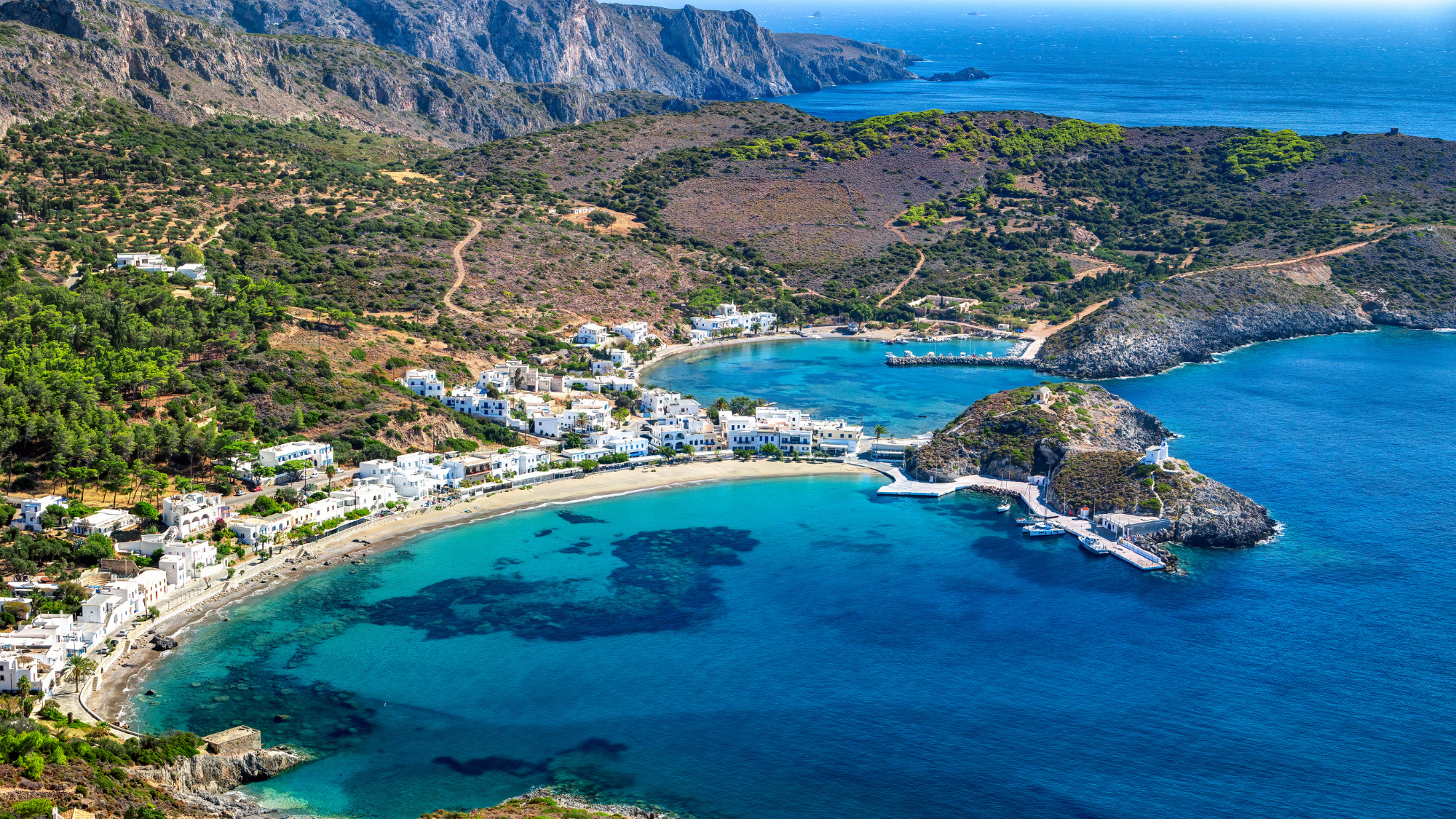
We walk down to the deserted cove at Agia Kyriaki thermal springs. There are old fishing shacks with stone-slab roofs, and shuttered cottages. Down an unmarked path, we find a rock pool where hot waters bubble gently from the sand, blending with the sea to a perfect temperature. Immersed in the healing mineral bath, I look up at juniper trees and blue sky, lulled by lapping waves and cicadas.
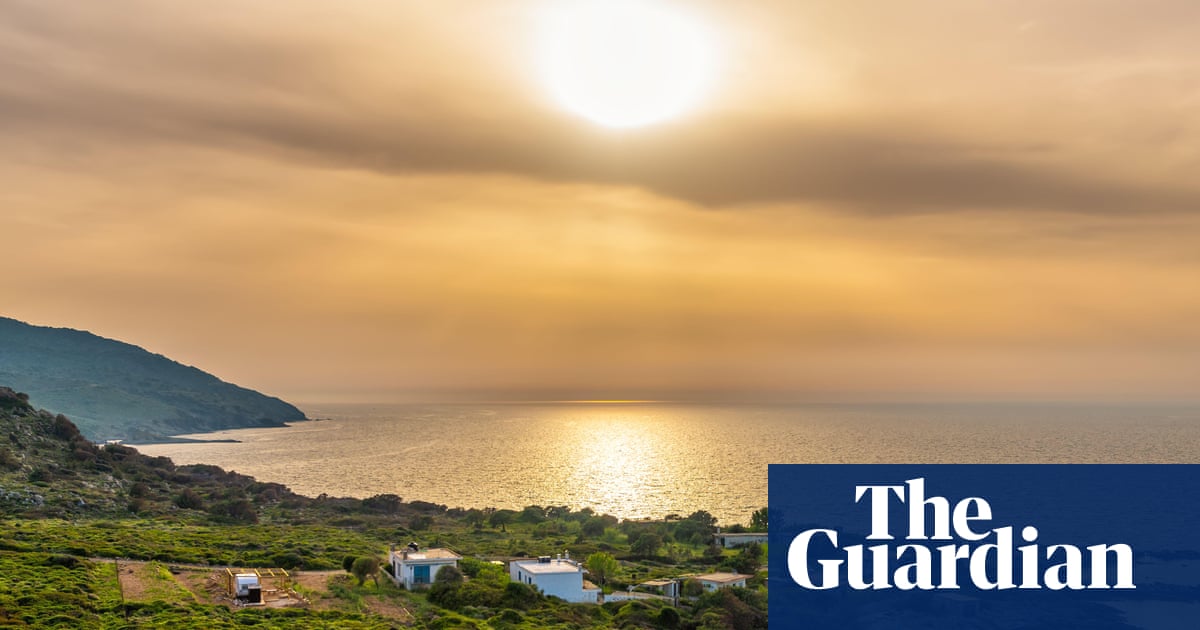
Ikaria, in the eastern Aegean – named after Icarus, the Greek mythological figure who flew too close to the sun – is known for its forests, springs and wine, communist leanings and longevity. Its population of about 8,000 is spread across dozens of scattered villages over 255 sq km, with few dedicated to tourism, and it only really gets busy in July and August. We arrive in mid-June from Kos (ferries also connect Samos and Athens to the port of Evdilos) at the port of Agios Kirykos and drive north-east to Faros, which has a mile of beach without a single hotel. The house we’ve rented for our first few days, Lighthouse Lodge, is perfectly located next to a cafe-bar and two tavernas – the hot spring a few kilometres away.