https://arab.news/wn4pv
I grew up with stories of starvation at home. Both my parents somehow survived, only just, this horrible fate during the Second World War. My mother was in Stalingrad and my father in a concentration camp in Poland, suffering from that slow and agonizing process of wasting away. Their stories, and those of others who did not survive, exposed me from a young age to this type of cruelty, which one group of human beings is capable of inflicting on another at times of war and conflict. Tragically for humanity, we have completely failed to eradicate it.
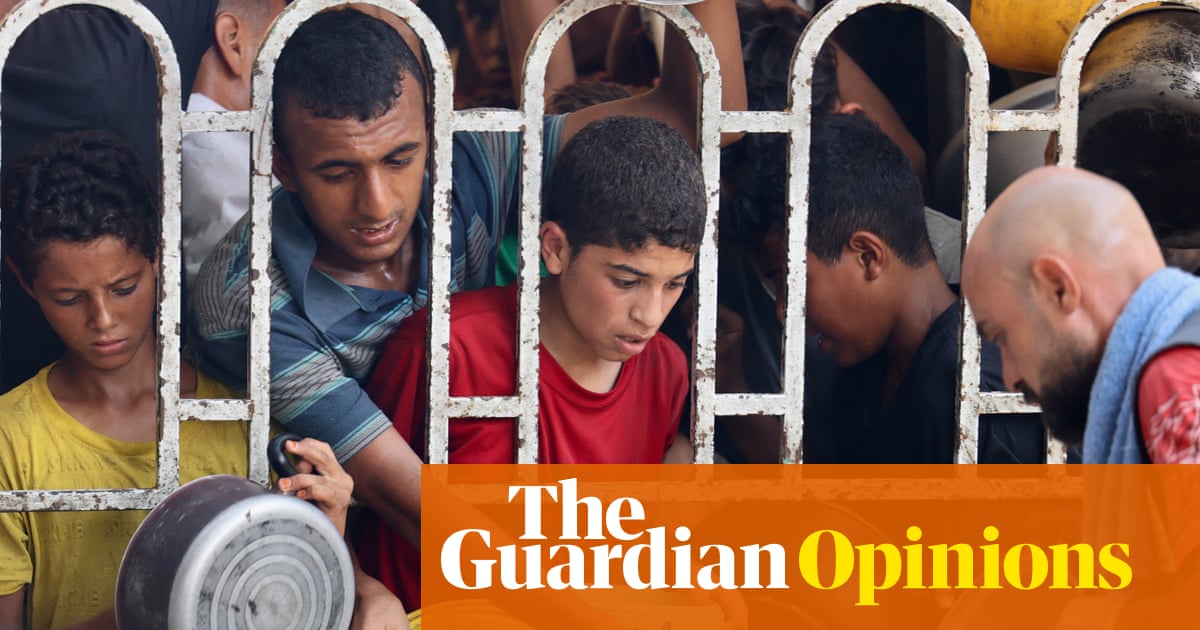
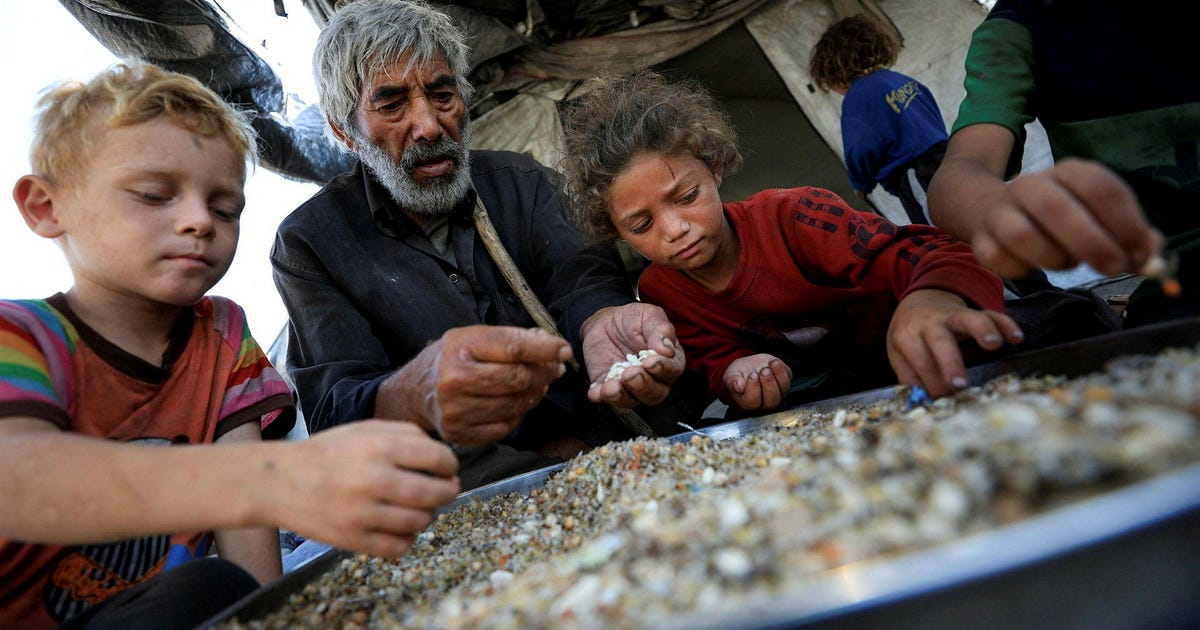
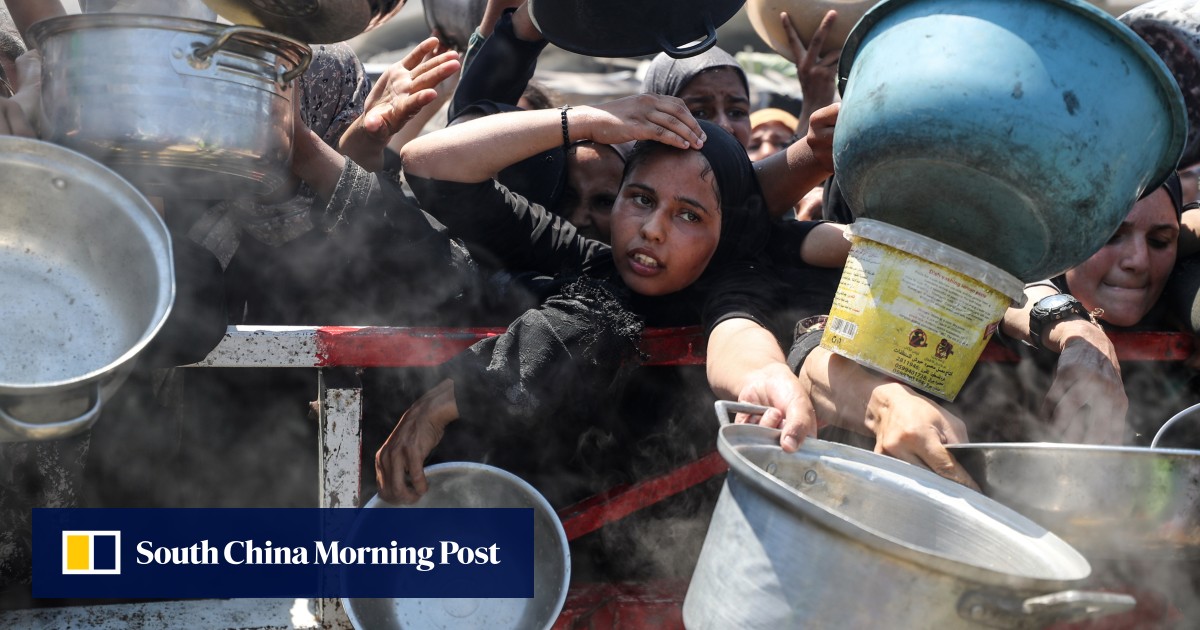
Starvation, if it doesn’t kill you, will induce severe long-term mental and other health vulnerabilities and adversely affect one’s life expectancy. Having lived my formative years among those who had suffered from extreme hunger and its consequences, I feel sickened and distressed by the images of starved people in Gaza. It feels personal. Some might argue it evokes a secondary trauma and the inability to reconcile with the fact that no empathy or compassion are being shown by today’s Israeli government, not to the very young or old or anyone else there.
I can already hear the chorus of criticism for comparing what is taking place in Gaza with the Holocaust. I won’t do this, because this is not what matters now and is not my intention. A starved person, especially when their condition is human-made and avoidable, is the victim of a brutality that has no place in a civilized society.