My generation was raised wondering how ordinary people could countenance an atrocity. In a grotesque twist, the question has circled back to us
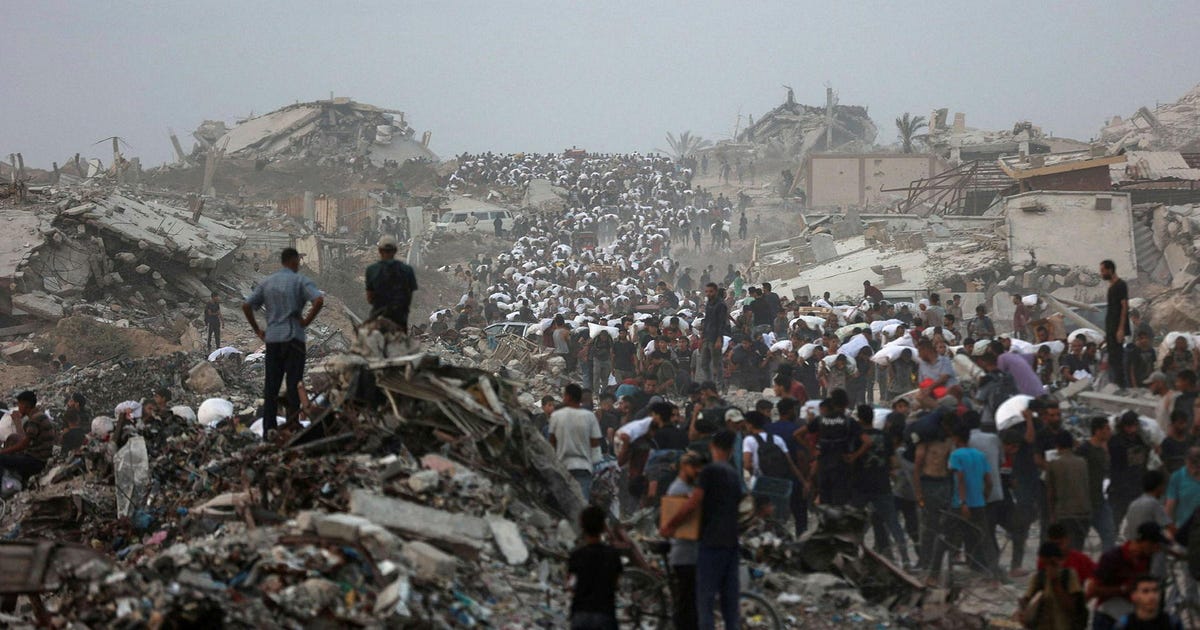
The question keeps gnawing at me: Could this really be it? Could we be living through a genocide?
Outside Israel, millions already know the answer. But many of us here can’t – or won’t – say it aloud. Perhaps because the truth threatens to unmake everything we believed about who we are, and who we wanted to be. To name it is to admit that the future will require reckoning – not just with our leaders, but with ourselves. But the cost of refusing to see is even higher.
For Israelis of my generation, the word “genocide” was supposed to remain a nightmare from another planet. A word tethered to our grandparents’ photographs and the ghosts of European ghettoes, not to our own neighborhoods. We were the ones who asked, from a distance, about others: How could ordinary people go on with their lives while something like this happened? How could they let it happen? What would I have done in their place?
In a grotesque twist of history, that question now circles back to us.