https://arab.news/nzm33
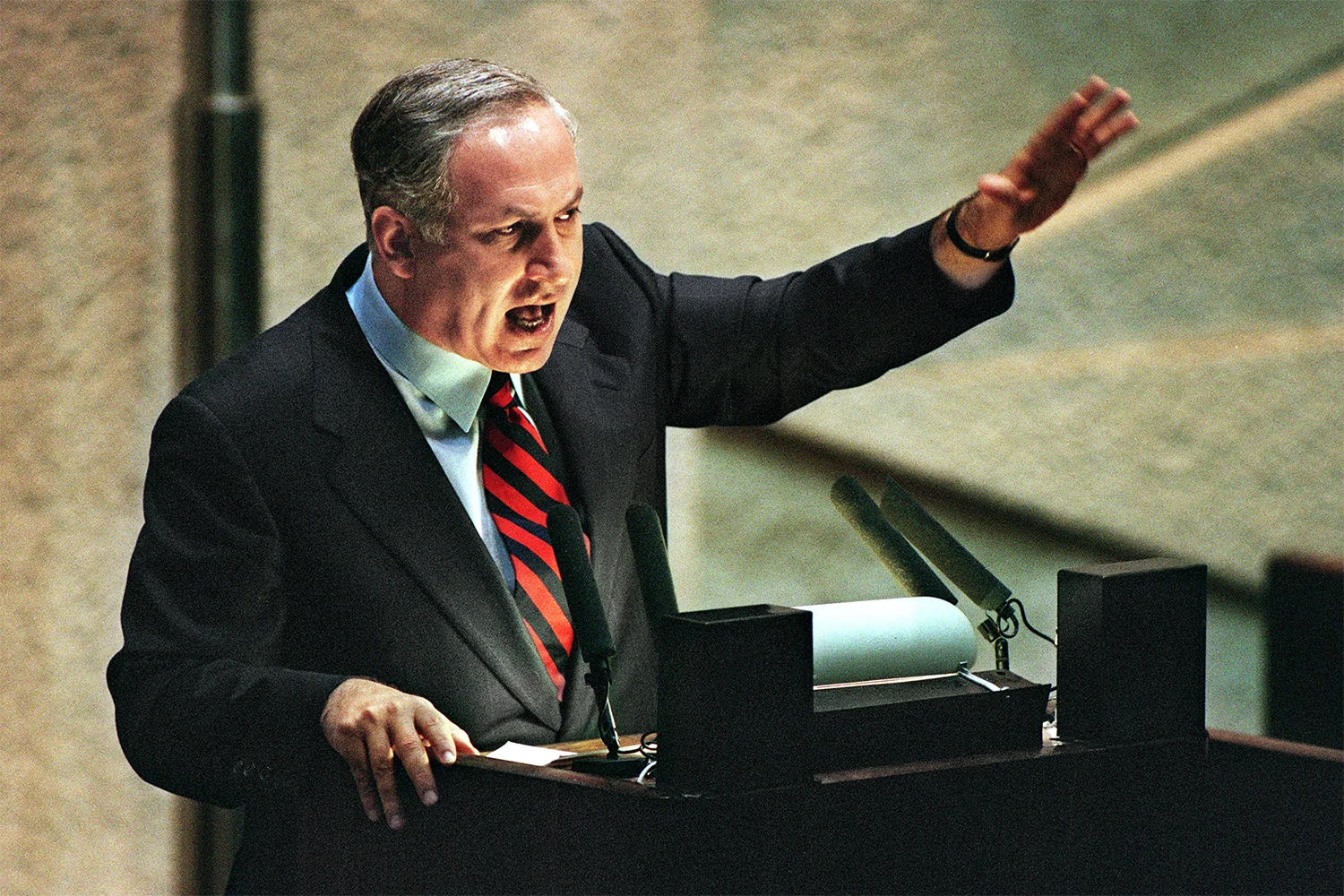
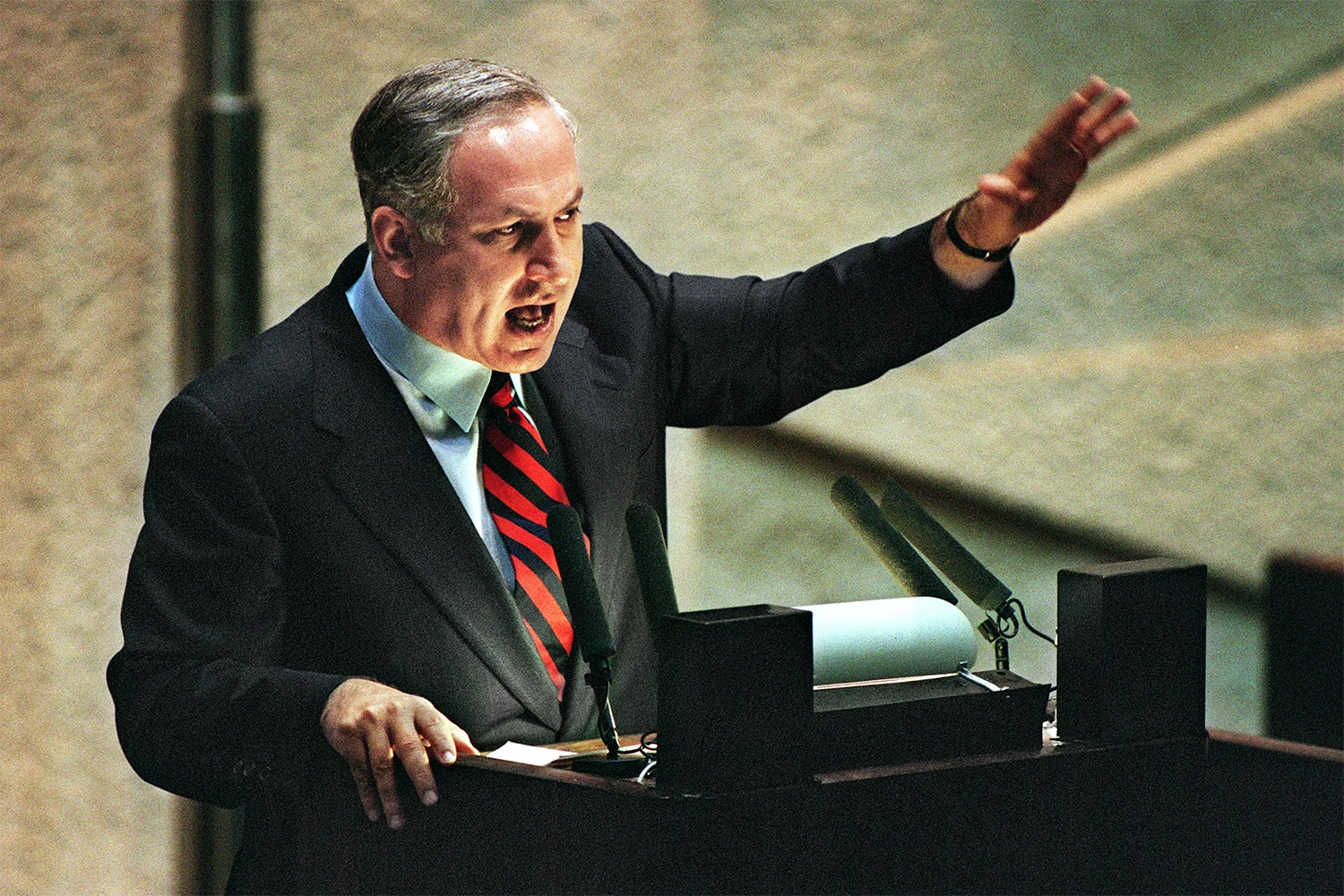
Israeli Prime Minister Benjamin Netanyahu had always seen himself as a man on a historic mission: to bury Palestinian ambitions of a state of their own and extend Israel’s boundaries beyond historical Palestine. His rise to the helm in the late 1990s came in the wake of the Oslo Accords, which he considered a betrayal of ultra-nationalist Zionism as preached by Ze’ev Jabotinsky, the Russian-born Zionist activist and poet.
As a firebrand politician, Netanyahu galvanized both ultra-nationalist and ultra-religious Israelis, who until then played a minor role in Israeli politics. But he was able to charm the right and far right because of his ability to convince all that his maximalist designs, seen then as improbable, were possible.
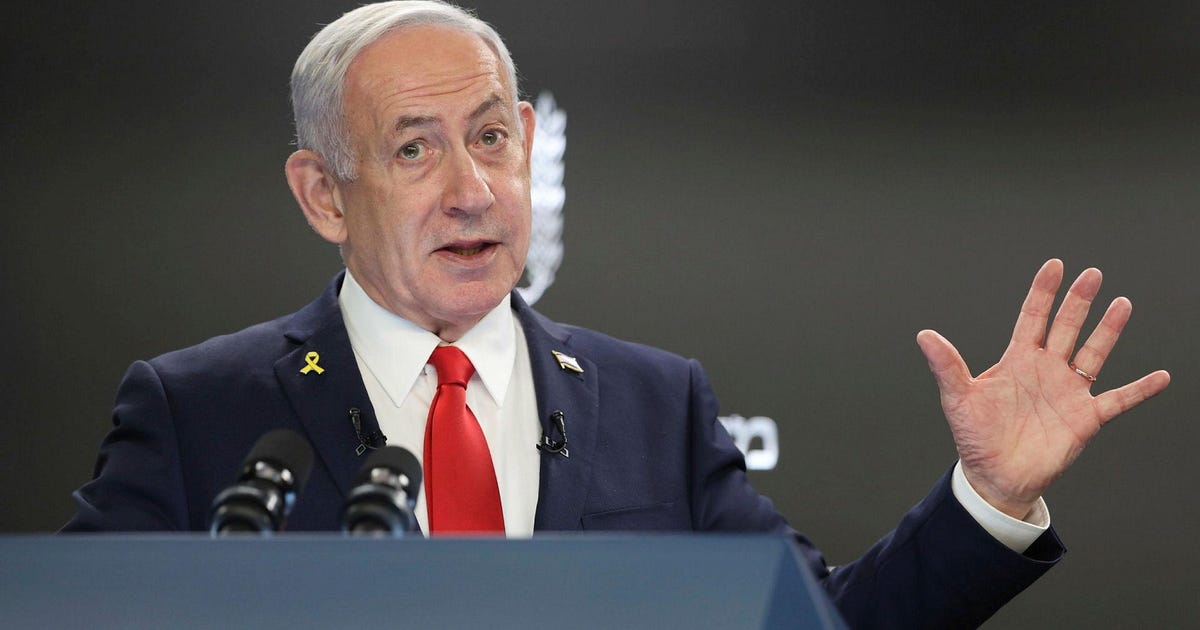
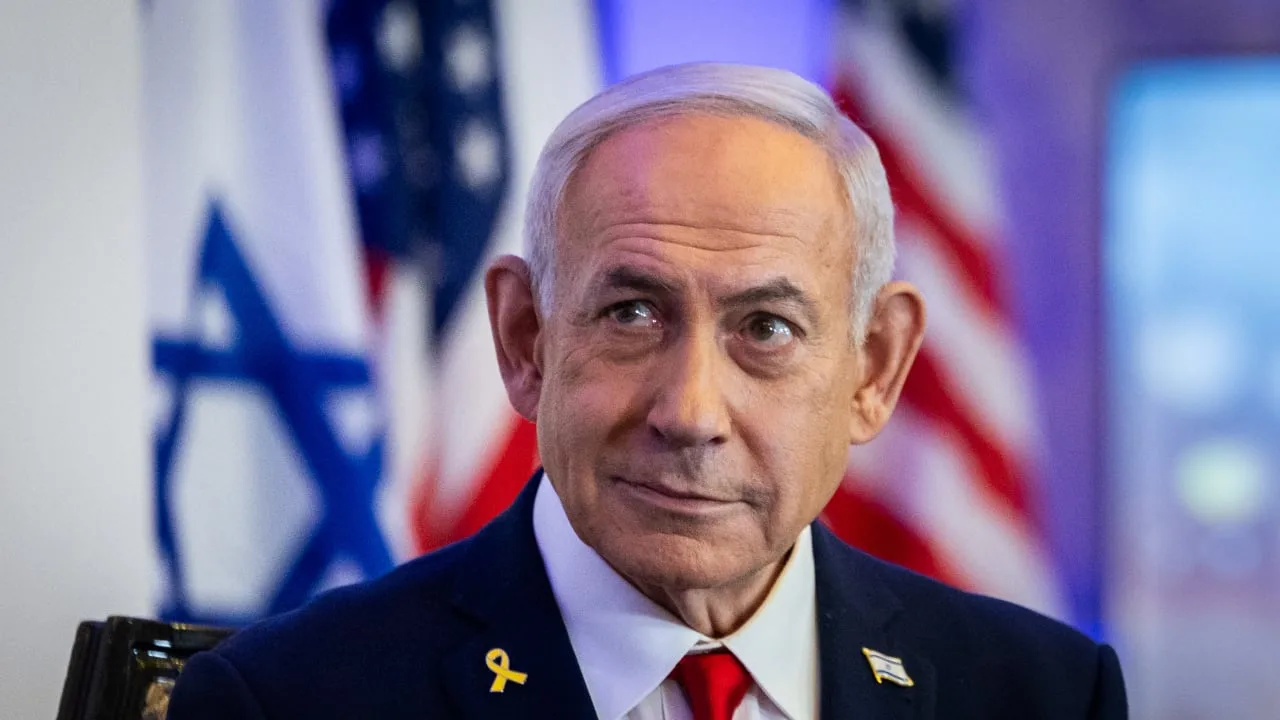
His ability to paint his radical policies as mainstream won him the unofficial title of “King of Israel,” and eventually made him the longest-serving premier in the country’s history. Until Oct. 7, 2023, Netanyahu rarely presented himself as a religious as well as a political leader. But since the notorious Hamas attack, Bibi, as he is often called, referred to the Torah several times to portray Israel’s Palestinian enemies and the Hebrew state’s modern wars. The purpose was always to whip up support among the extremists.