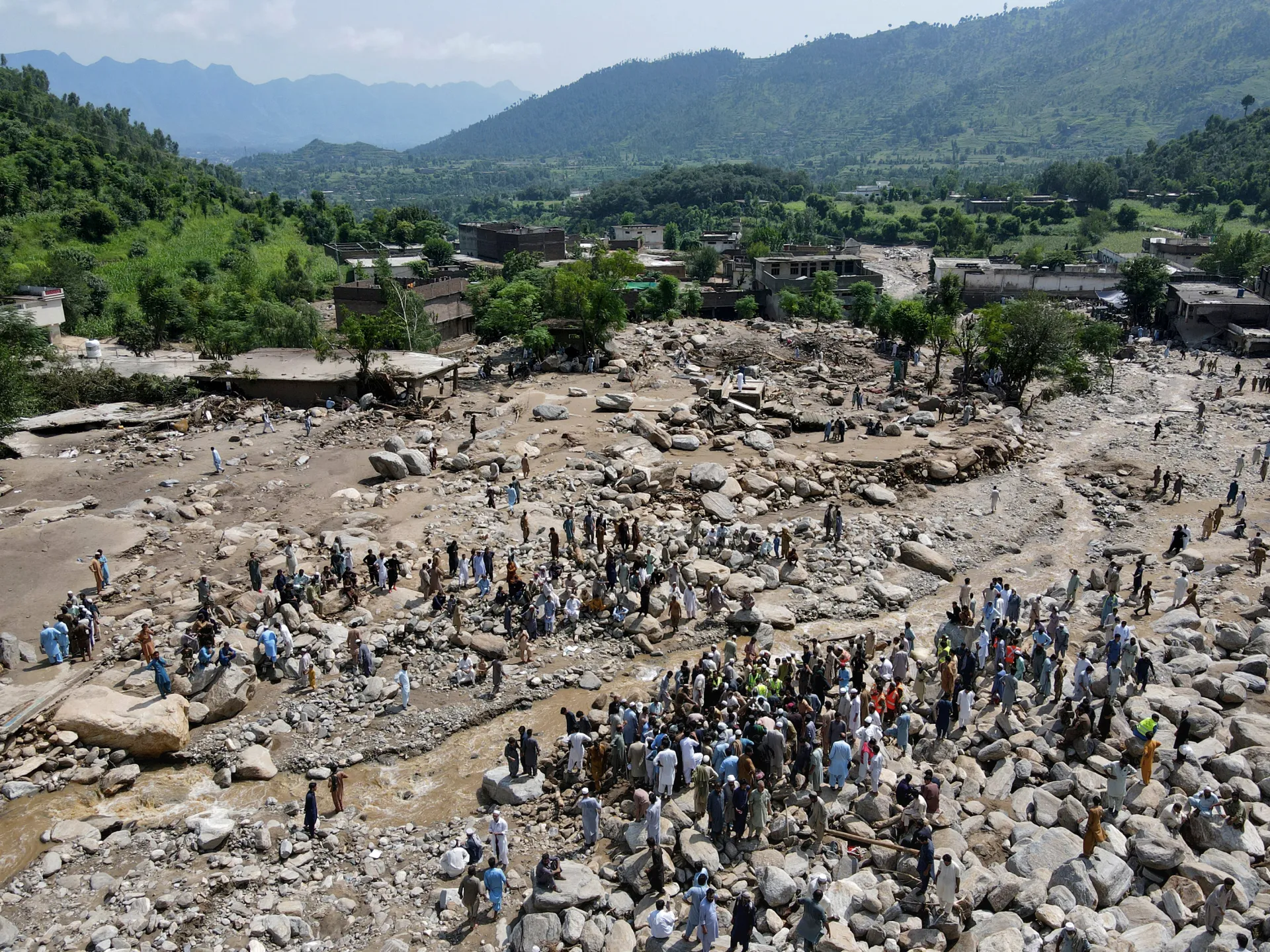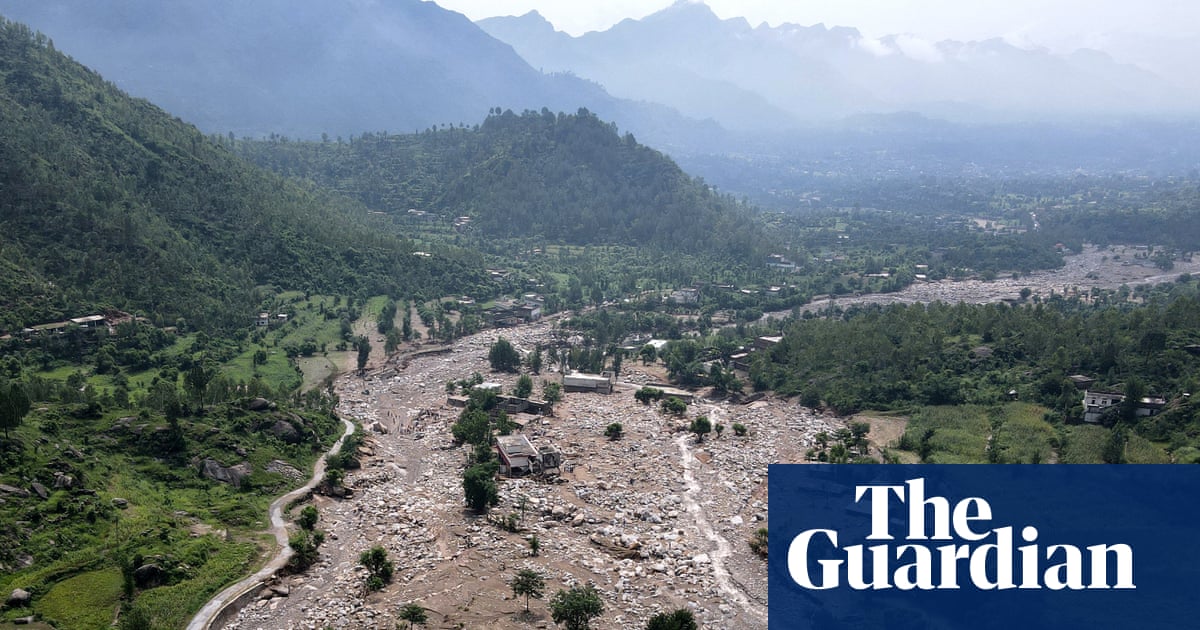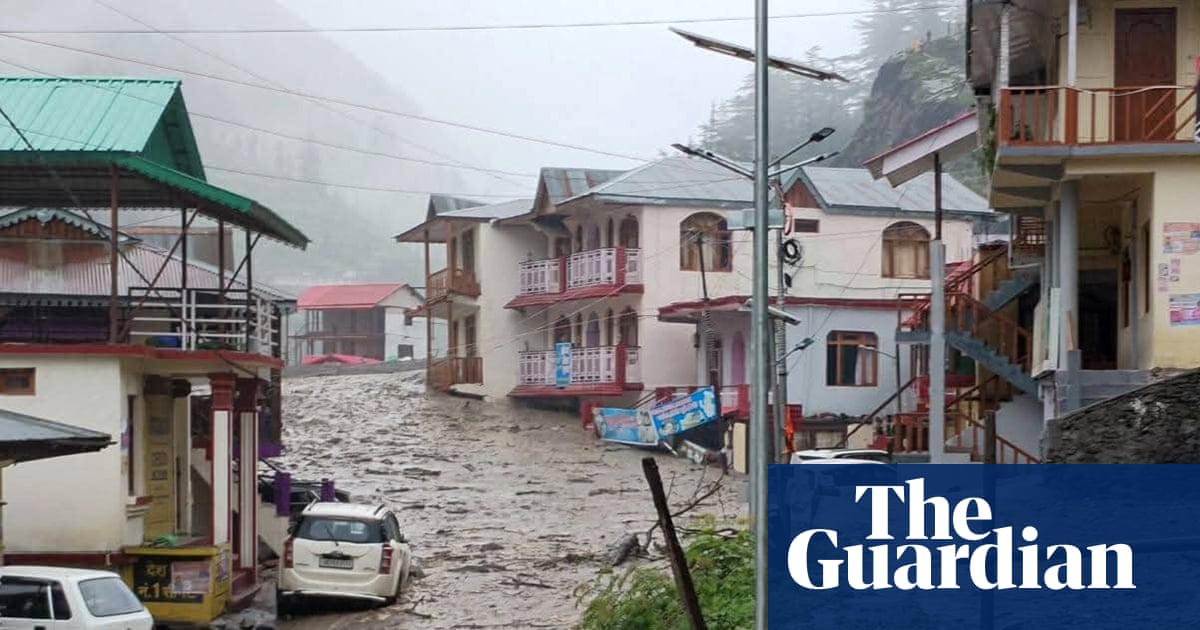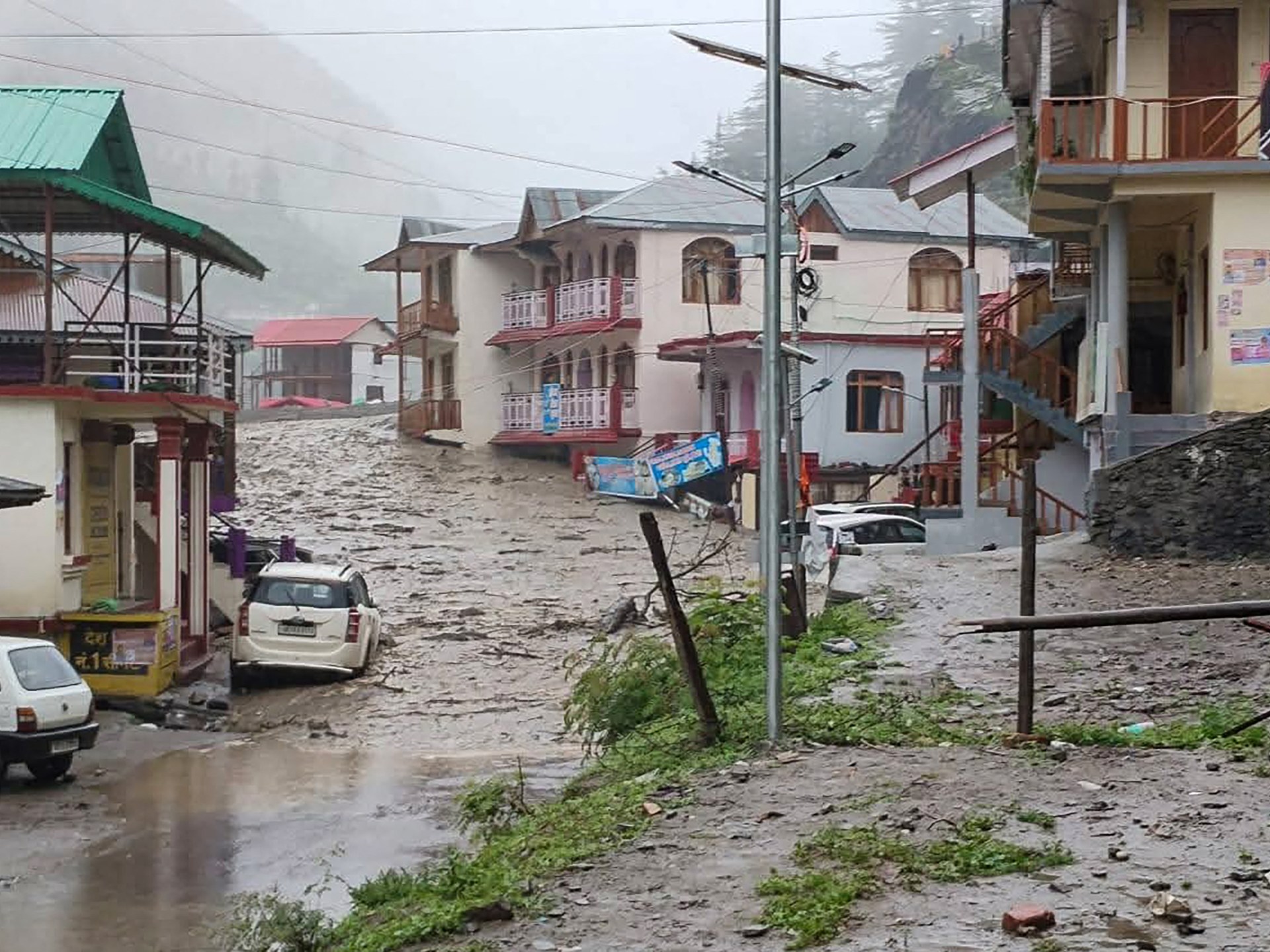
ISLAMABAD/NEW DELHI: Massive, sudden downpours of rain known as cloudbursts have struck Pakistan and India during this monsoon season, killing hundreds of people in the flash floods and landslides they have triggered.
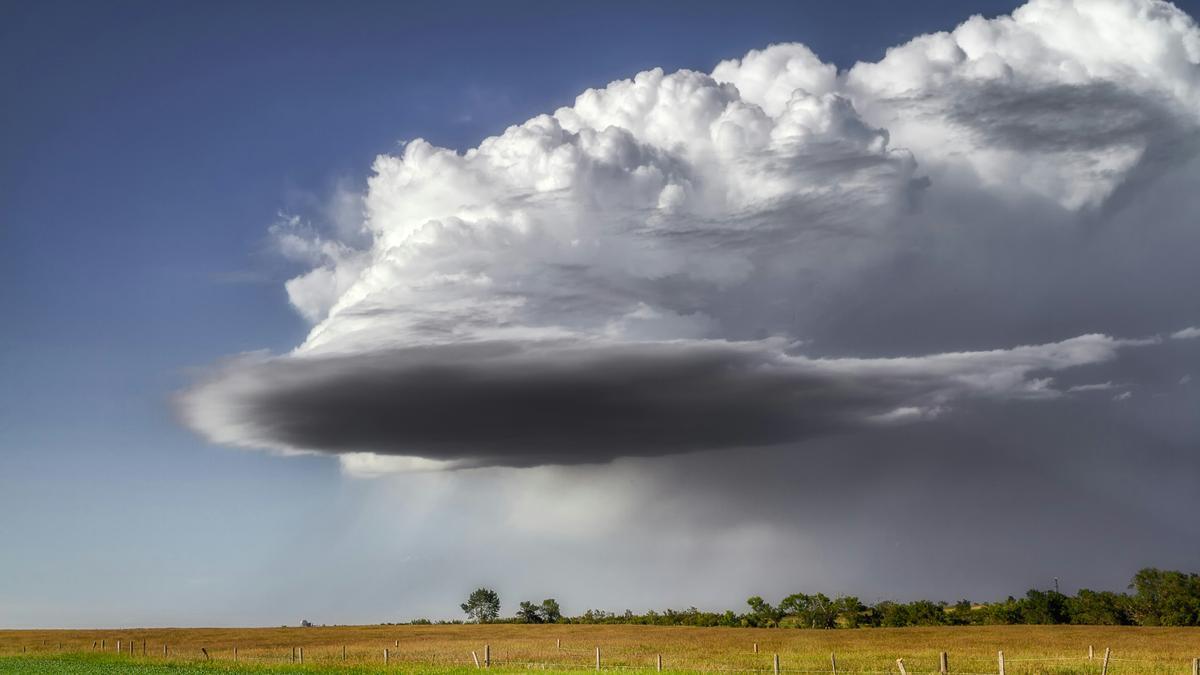
WHAT ARE CLOUDBURSTS AND WHY DO THEY OCCUR?
By a widely accepted definition, a cloudburst means more than 100 mm (4 inches) of rainfall in one hour, over a small area.
This year, the monsoon, which originates in the Bay of Bengal and then sweeps westwards across northern India to Pakistan every summer, has brought deadly cloudbursts. Weather studies say cloudbursts typically occur in South Asia when warm, monsoon winds, laden with moisture, meet the cold mountain air in the north of India and Pakistan, causing condensation. With a warming planet, the monsoon has hotter air, which can carry more moisture.
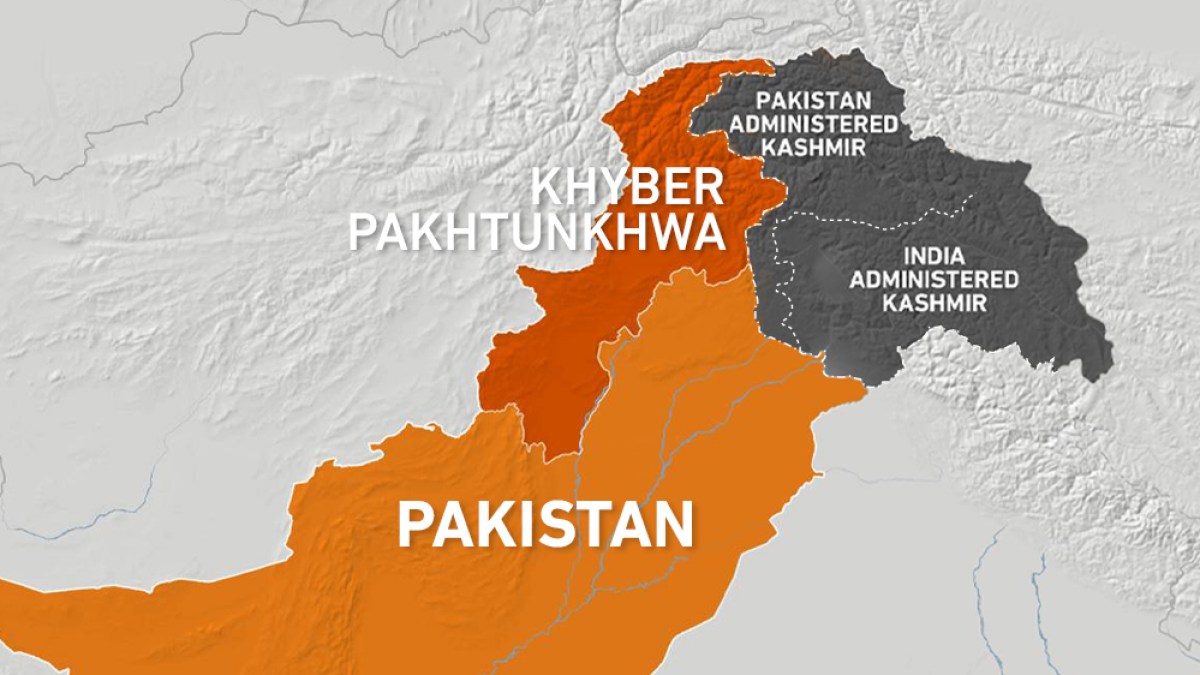
India's weather department data shows cloudbursts are most common in the Himalayan regions of Indian Kashmir, Ladakh, Himachal Pradesh and Uttarakhand.