Meteorologists say that complex processes combine to create cloudbursts, which can have life-threatening consequences
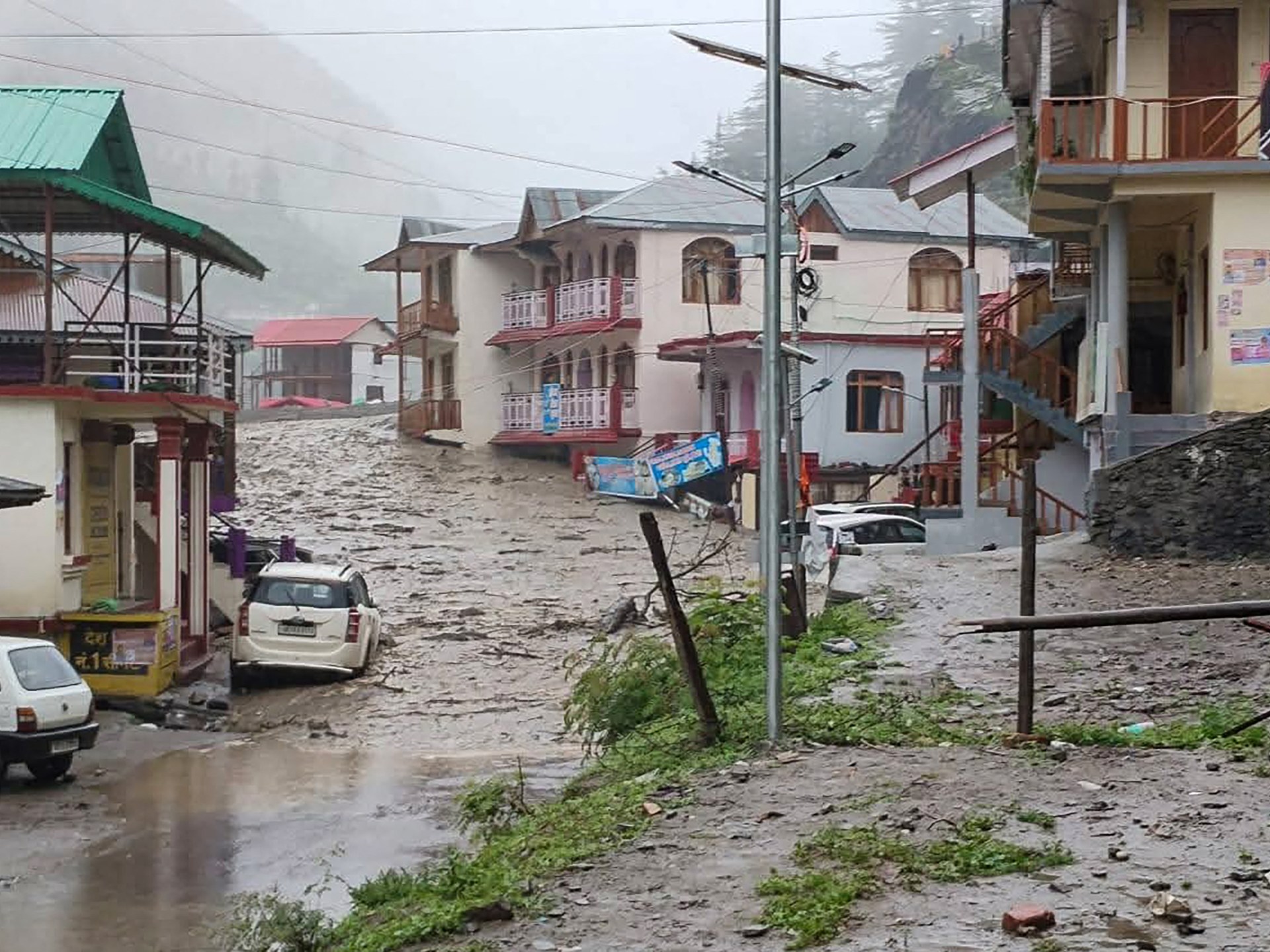
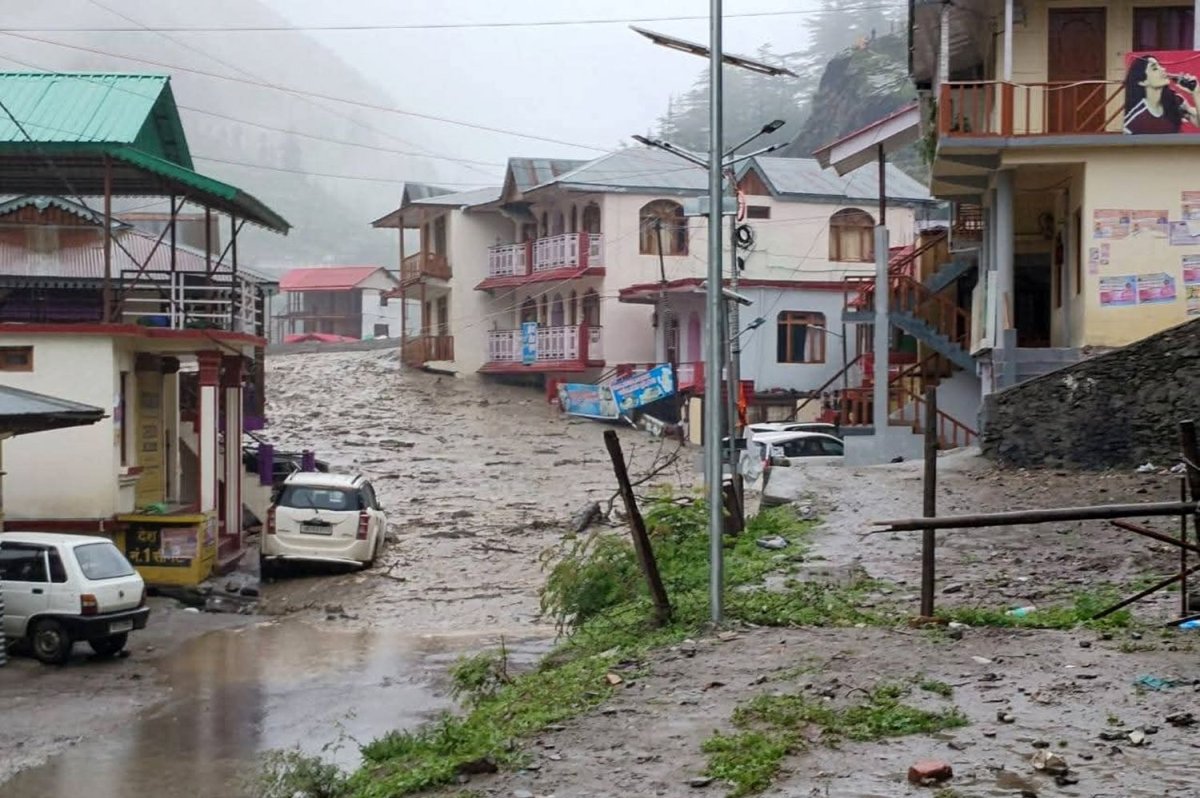
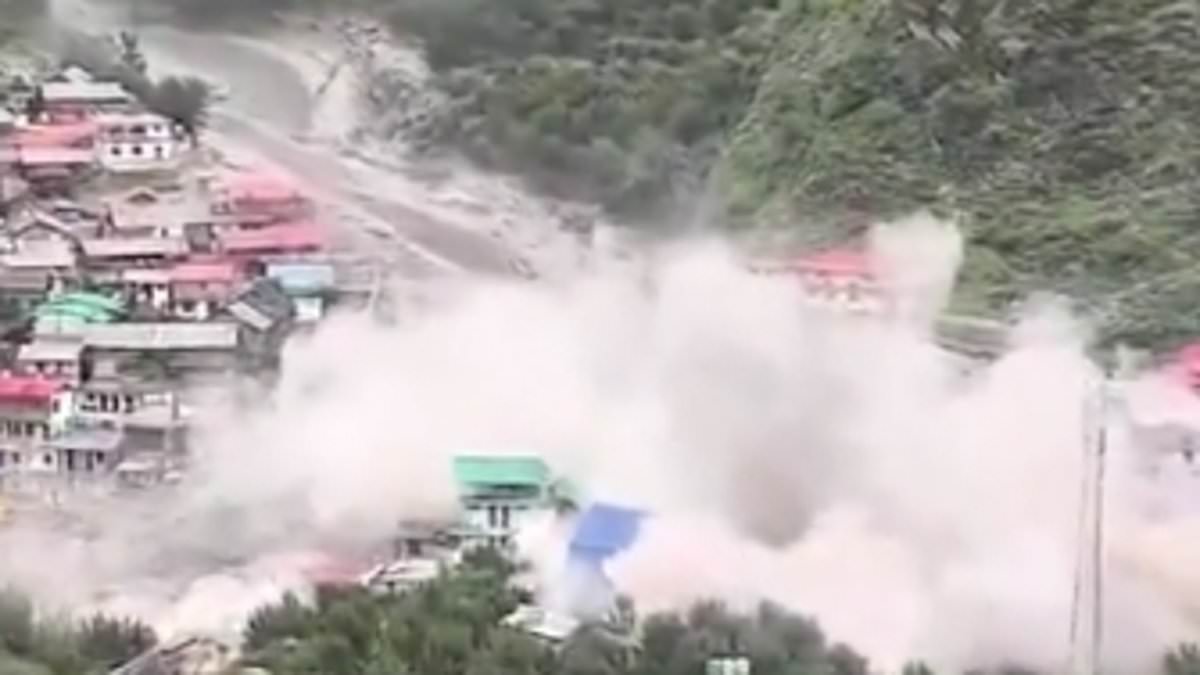
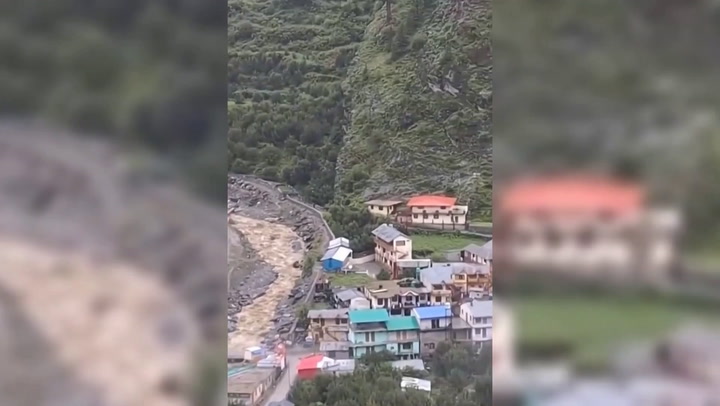
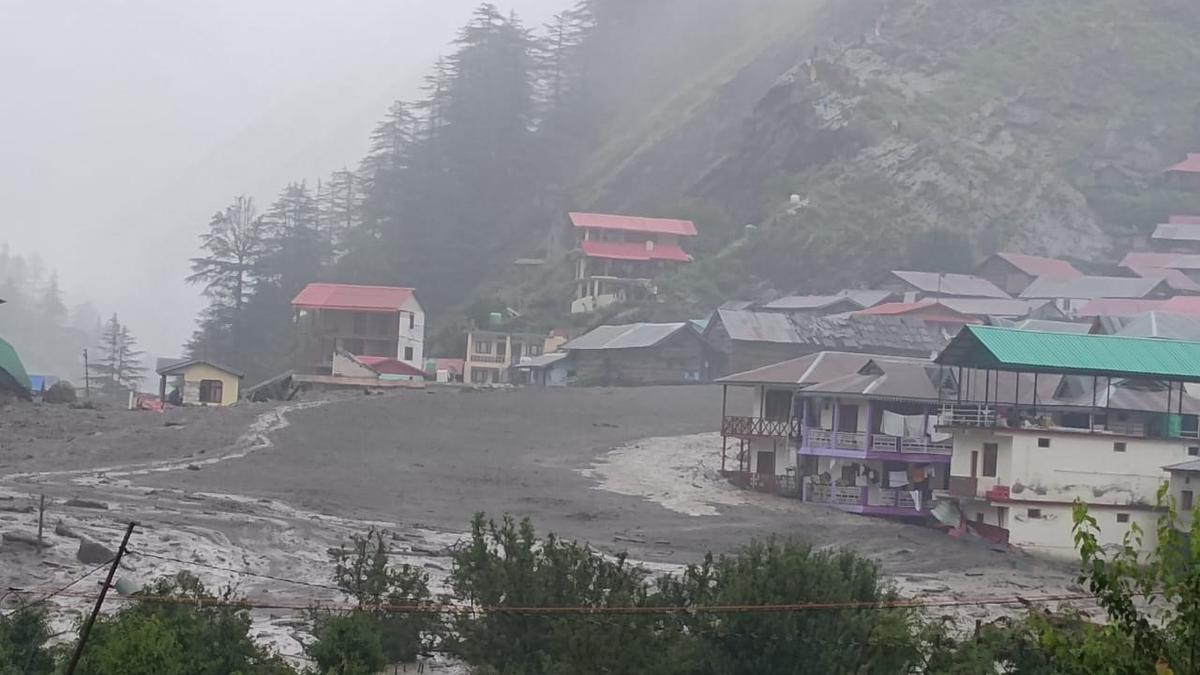
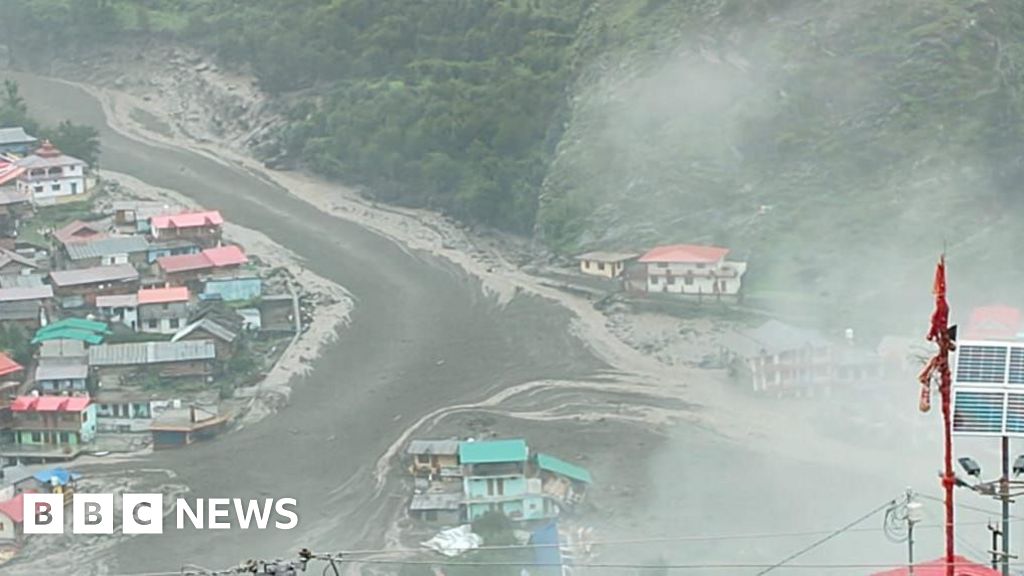
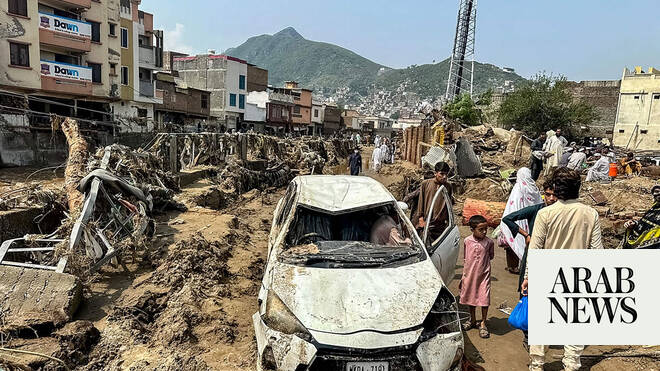
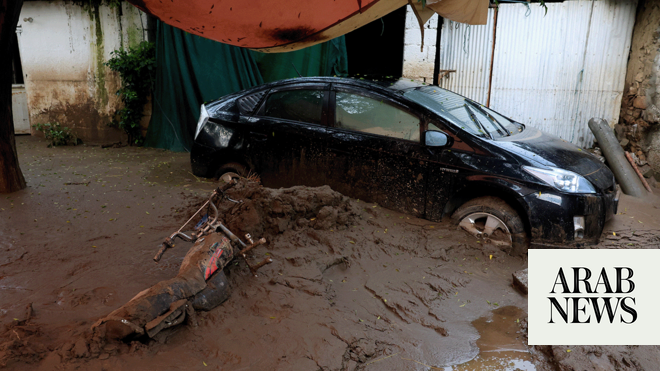
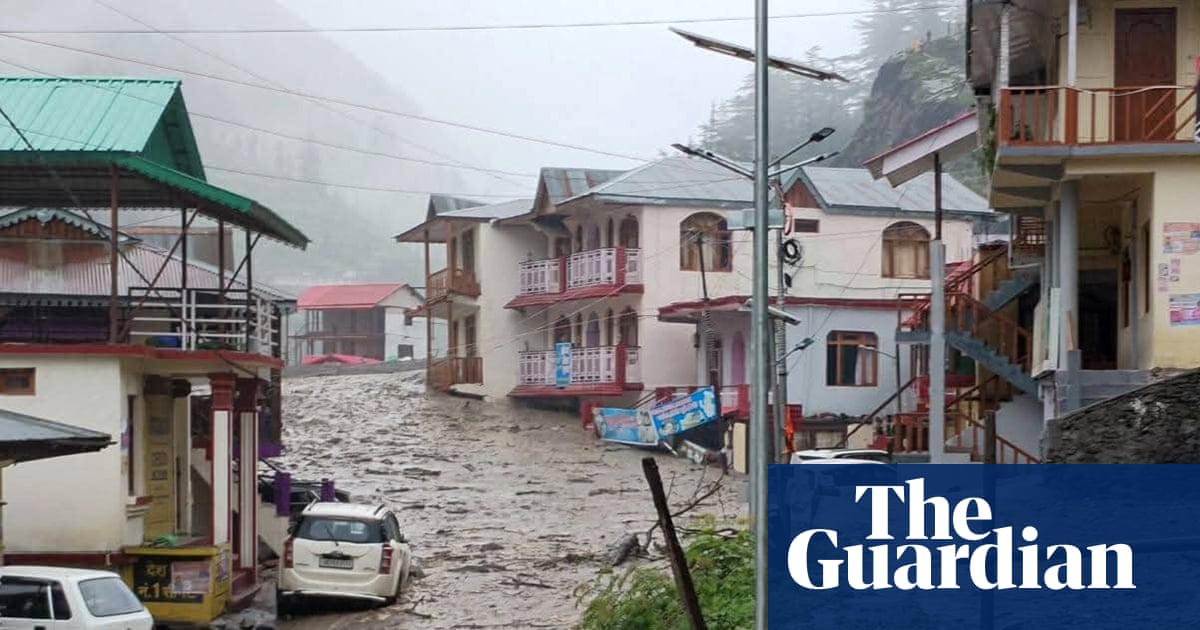
A so-called “cloudburst” has been identified as a potential cause of a river of sludge that swamped a village in northwest India, killing at least four people and leaving 100 more missing.
The Indian Meteorological Department said on Wednesday that over the previous 24 hours extreme rainfall of 210 mm or more had been recorded in parts of northwest India, including the state of Uttarakhand where the disaster happened. Uttarakhand state chief minister Pushkar Singh Dhami said the area had been hit by a “cloudburst” before the deluge of water and debris swamped the village at Dharali.
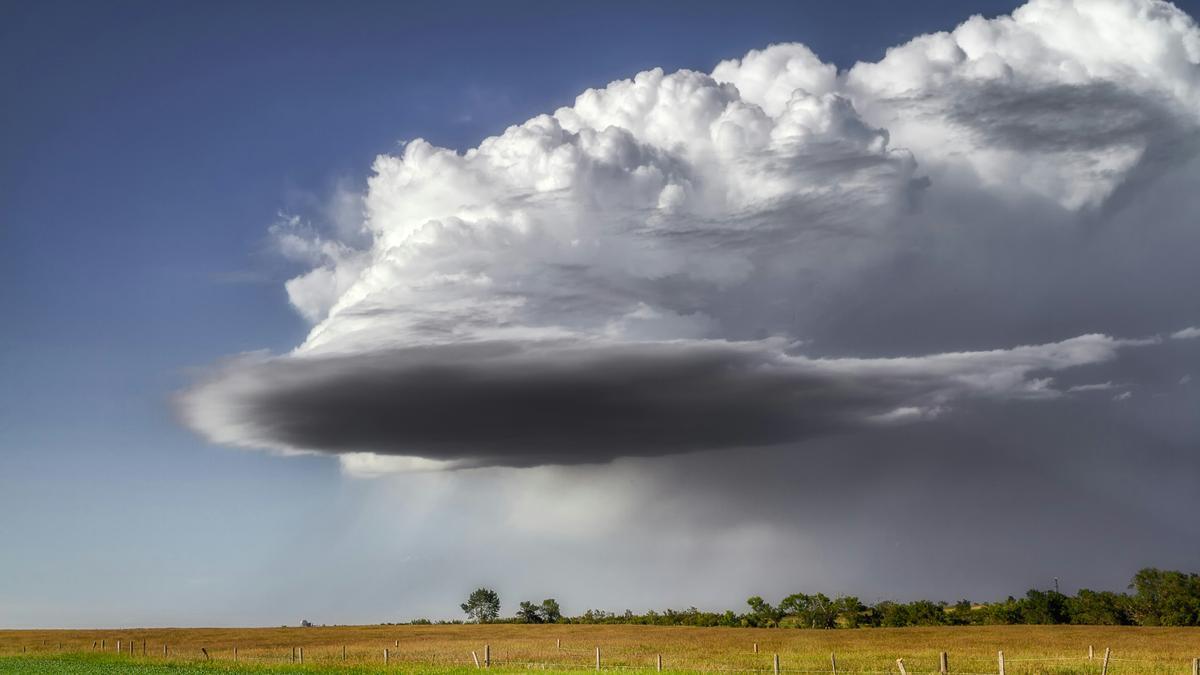
So what is a cloudburst?
Meteorologists in India define a cloudburst as an event over a concentrated area of 30sqkm or less with rain falling at a rate of 100mm or more per hour. But there are complex processes that can go into these events.