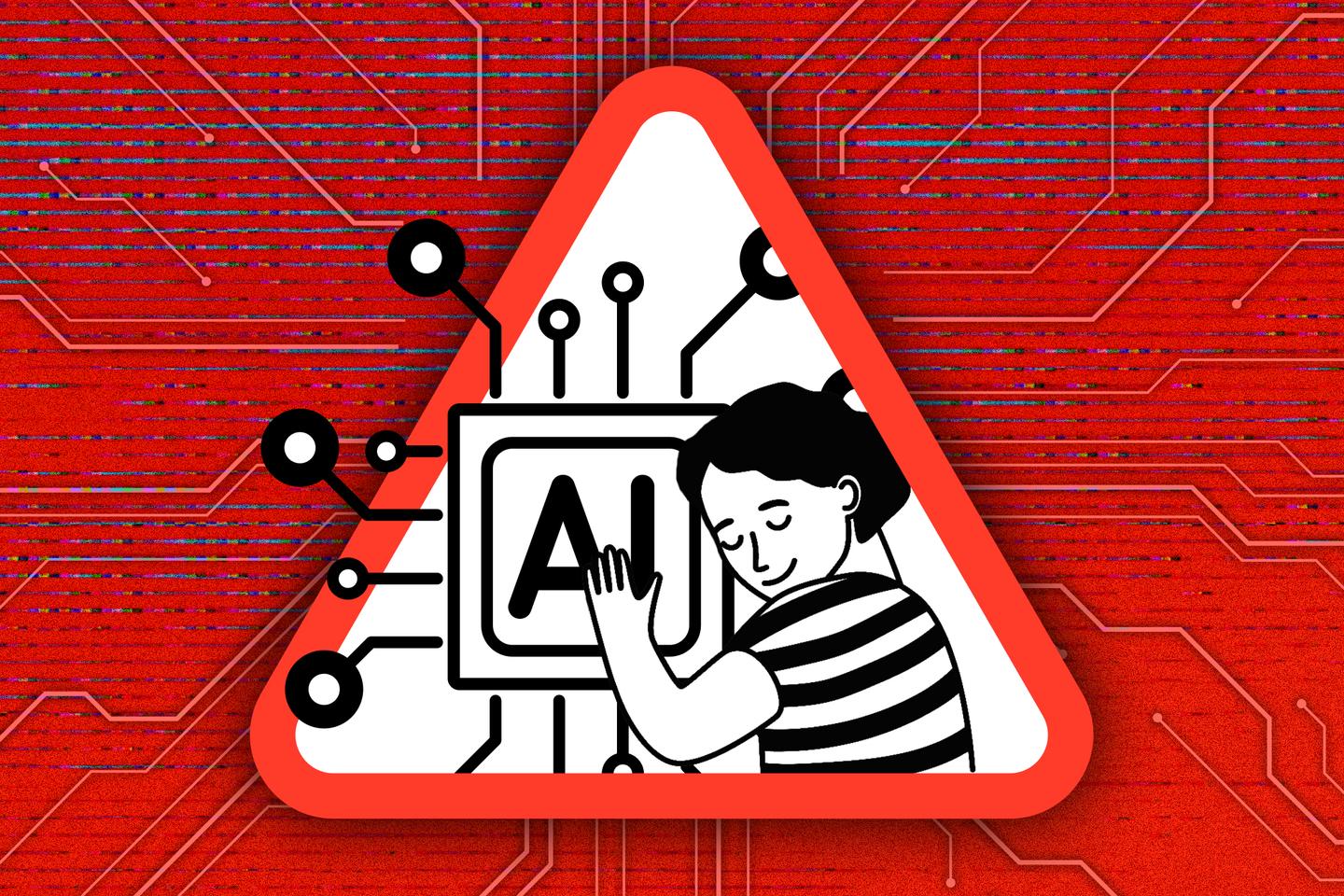
He faces a trilemma. Should ChatGPT flatter us, at the risk of fueling delusions that can spiral out of hand? Or fix us, which requires us to believe AI can be a therapist despite the evidence to the contrary? Or should it inform us with cold, to-the-point responses that may leave users bored and less likely to stay engaged? It’s safe to say the company has failed to pick a lane.
Back in April, it reversed a design update after people complained ChatGPT had turned into a suck-up, showering them with glib compliments. GPT-5, released on August 7, was meant to be a bit colder. Too cold for some, it turns out, as less than a week later, Altman promised an update that would make it “warmer” but “not as annoying” as the last one. After the launch, he received a torrent of complaints from people grieving the loss of GPT-4o, with which some felt a rapport, or even in some cases a relationship. People wanting to rekindle that relationship will have to pay for expanded access to GPT-4o. (Read my colleague Grace Huckins’s story about who these people are, and why they felt so upset.) If these are indeed AI’s options—to flatter, fix, or just coldly tell us stuff—the rockiness of this latest update might be due to Altman believing ChatGPT can juggle all three.