https://arab.news/p9zpw
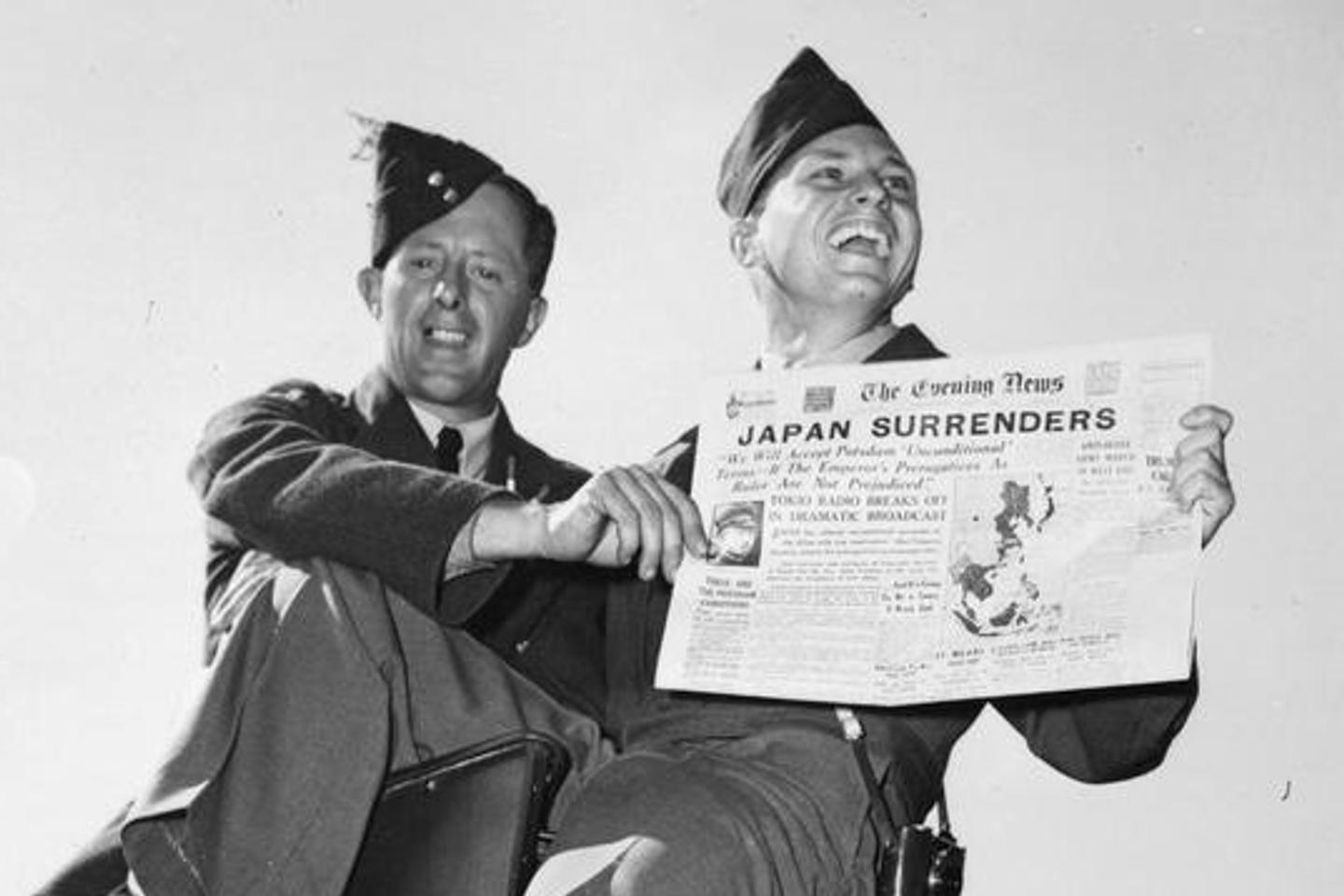
Eight decades on, relatively few people recall the historical significance of Aug. 15, 1945. Yet, the surrender of Japan on that day, ending the Second World War, was a pivotal moment in 20th-century history.
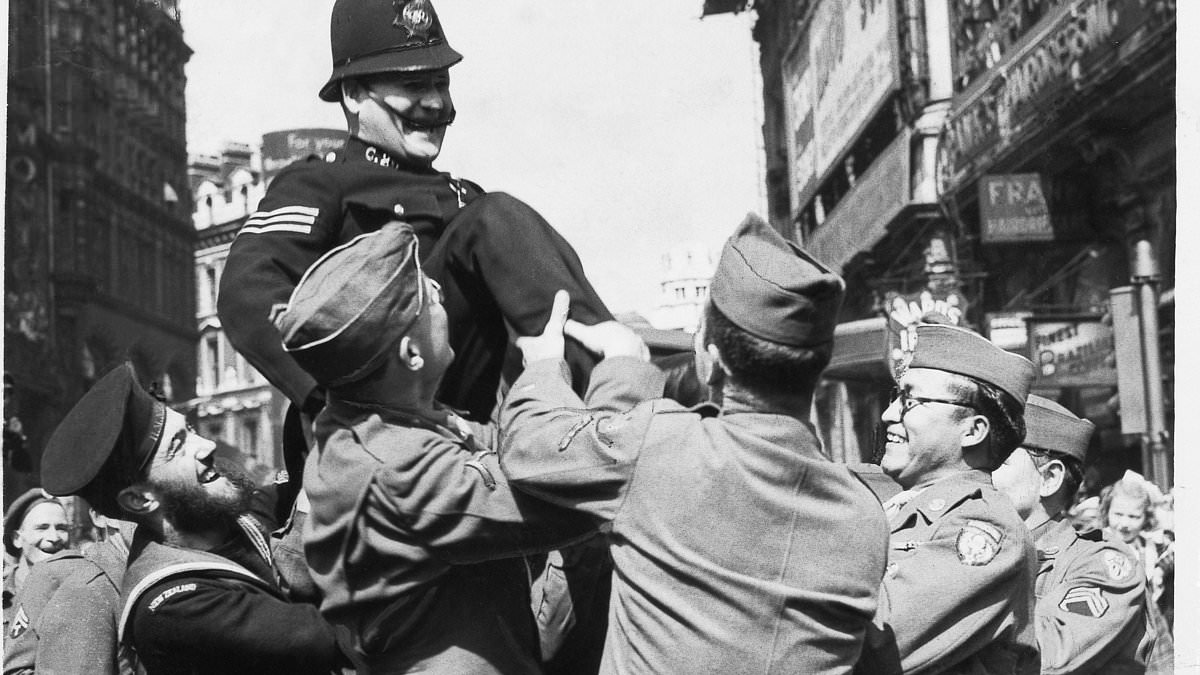
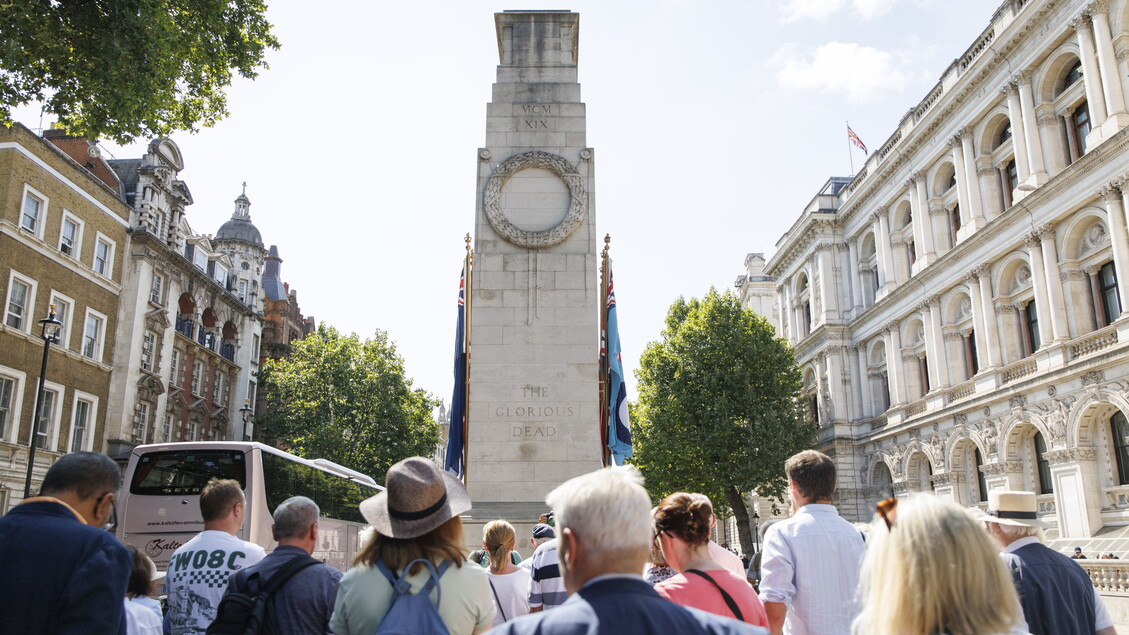
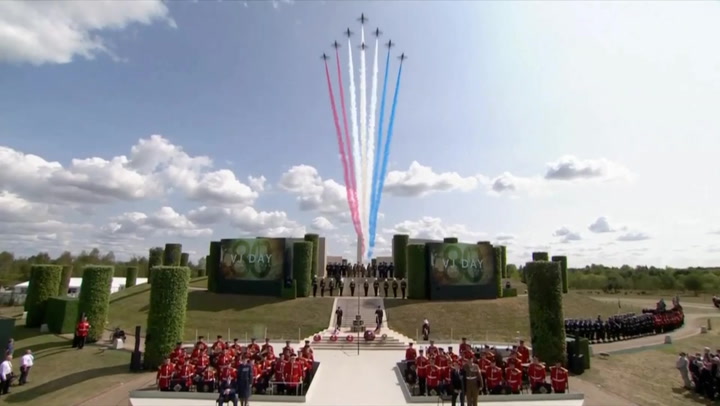
Each year, Victory over Japan Day, known as VJ Day, commemorates that surrender. While Victory in Europe Day — May 8, 1945 — marked the end of the war in Europe, many thousands of armed forces personnel had continued to fight in Asia in what is sometimes seen as a forgotten conflict.
Eighty years later, the momentous events of 1945 might appear to be consigned to the history books, yet they have much relevance to the world of today.
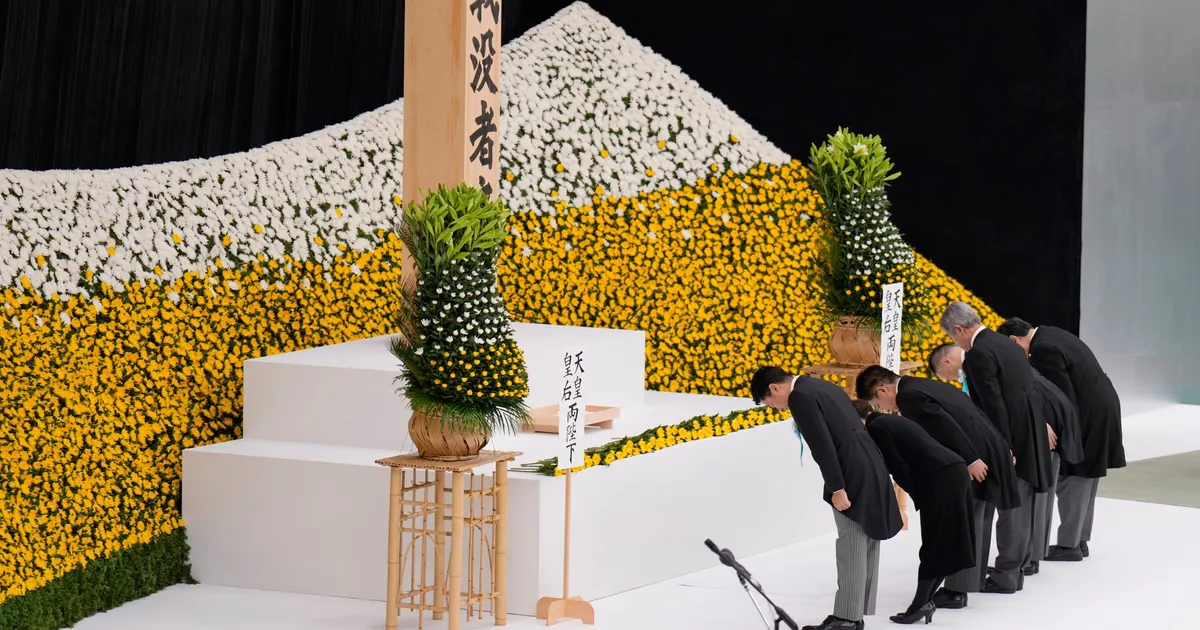
This core point was highlighted by Japanese Prime Minister Shigeru Ishiba on this month’s 80th anniversary of the dropping of the atomic bomb on Nagasaki, one of the key developments that led to the surrender of Japan. Ishiba vowed to uphold the commitment that his country would never possess, produce or permit the introduction of nuclear weapons. Moreover, he pledged to help bring about “a world without nuclear war and a world without nuclear weapons.”