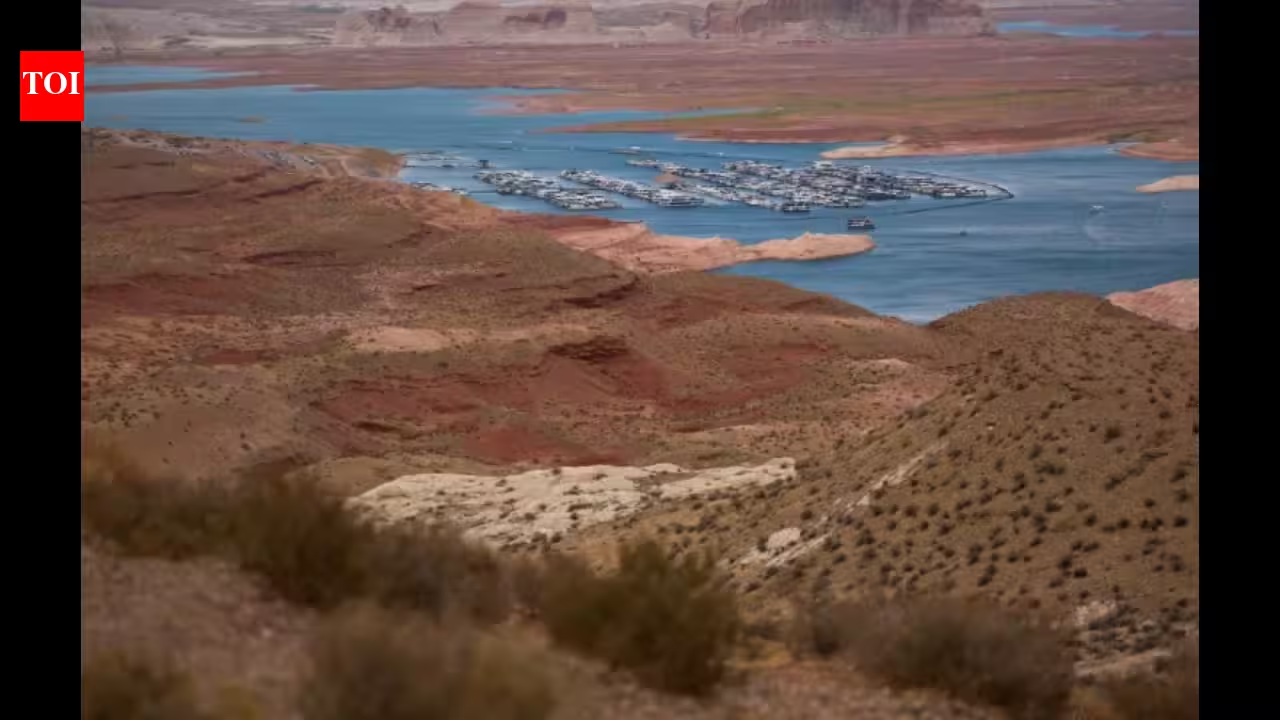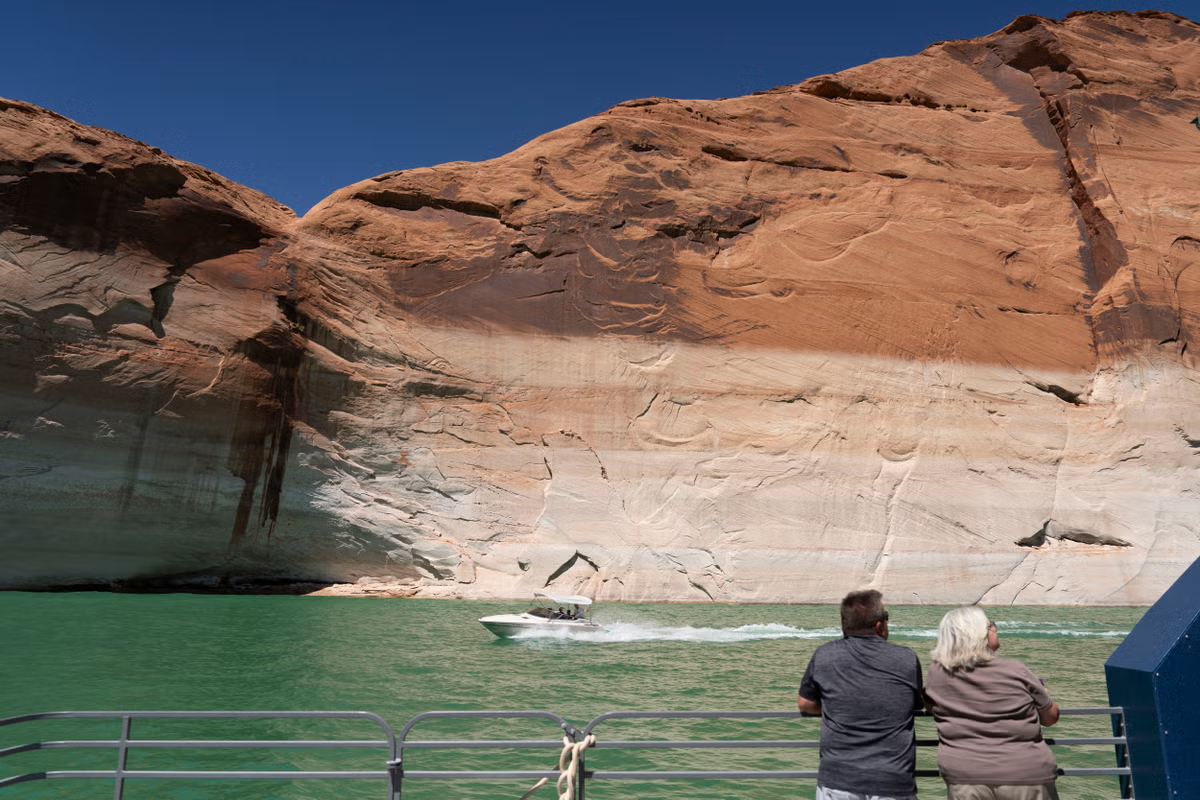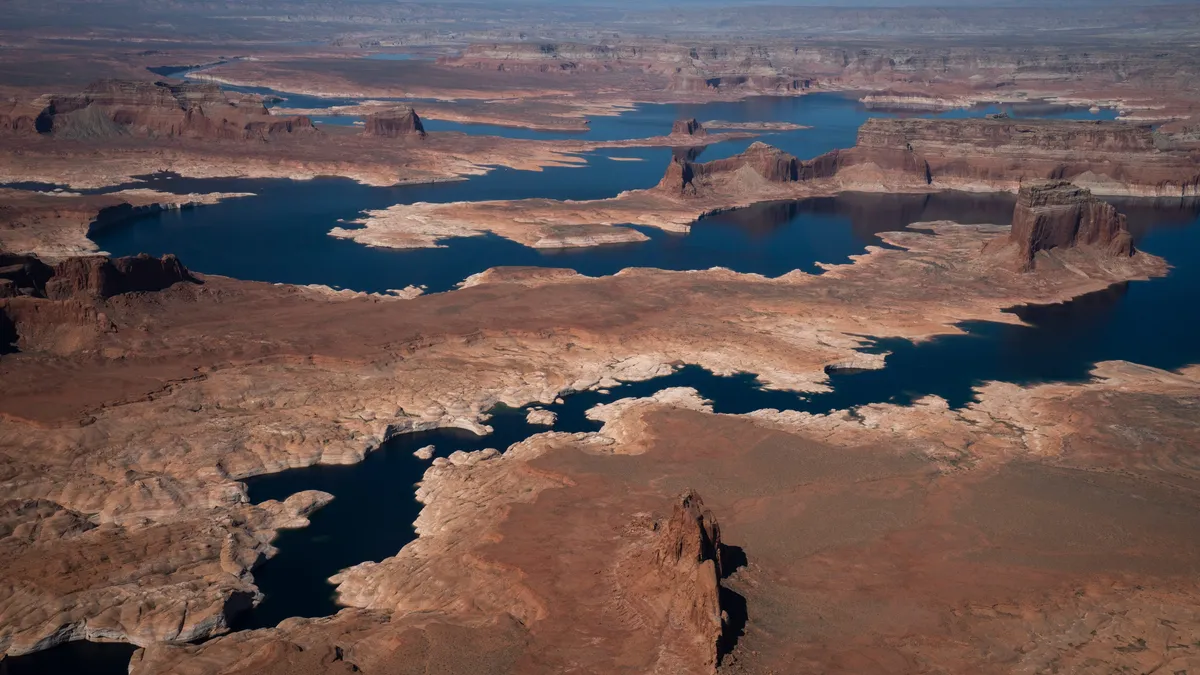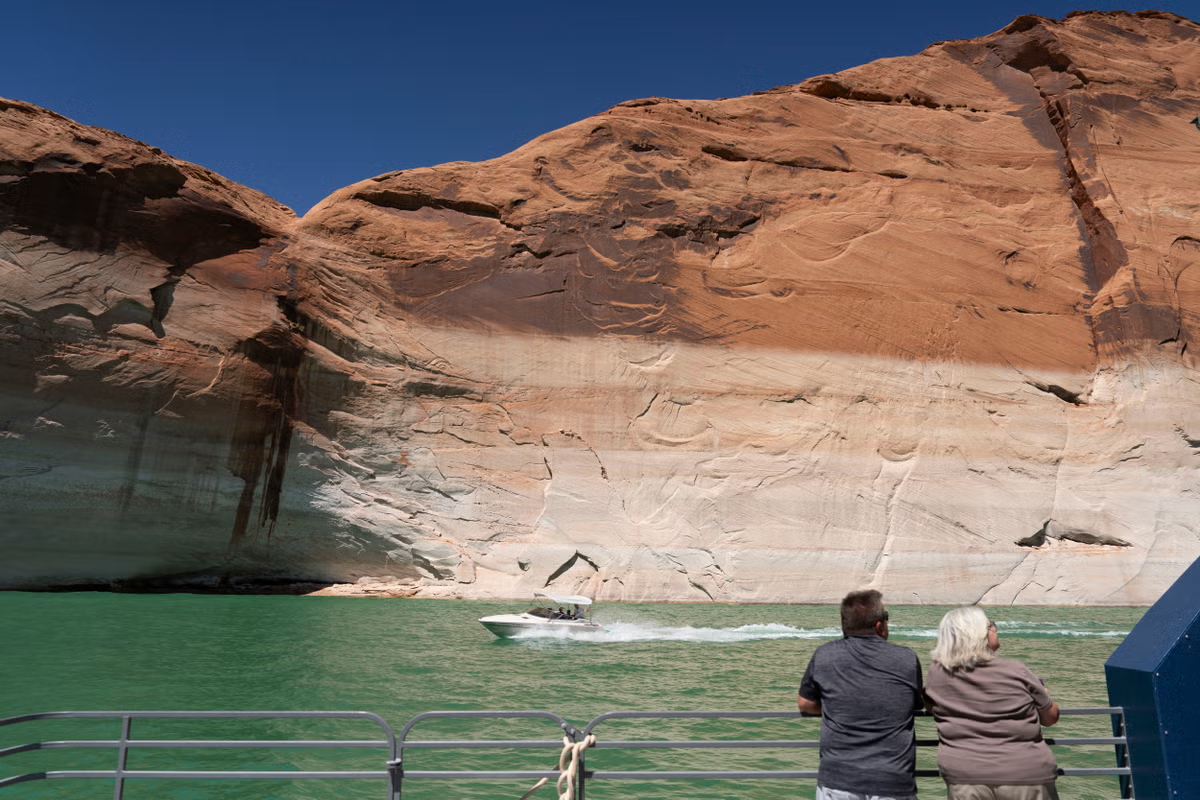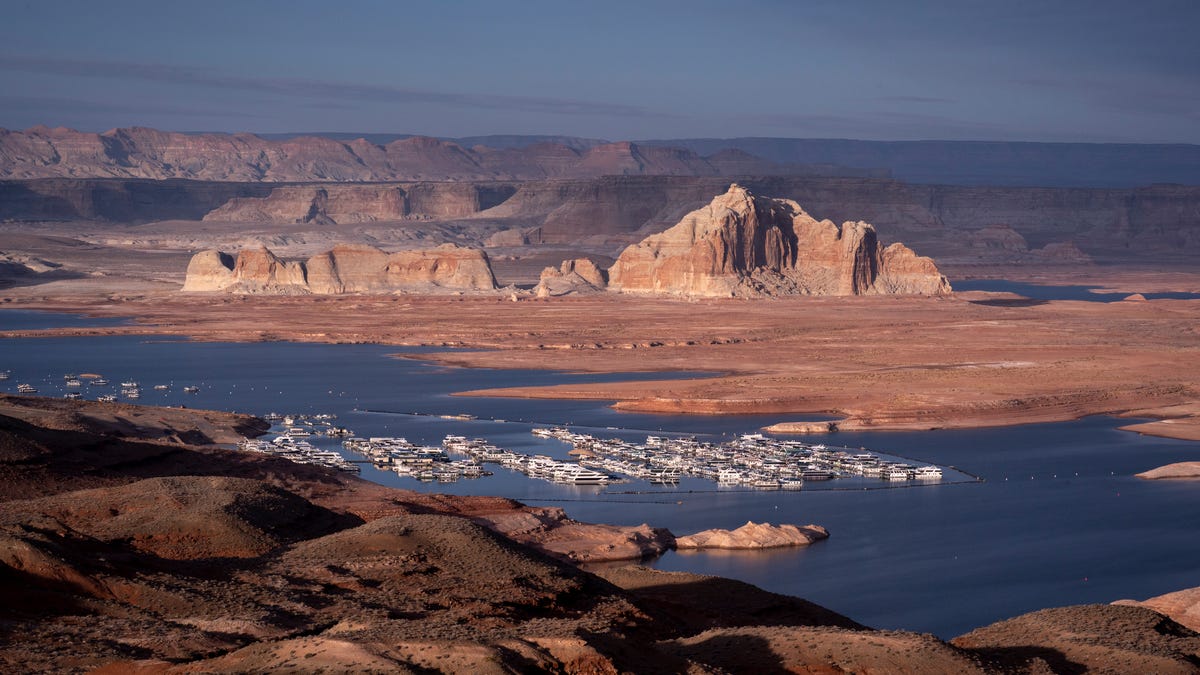
Water levels at Lake Powell, the giant reservoir on the Utah-Arizona border, have dropped to their lowest point in three years, prompting boat ramp closures and raising fears about downstream water supplies and hydroelectric power generation that could affect millions of people across the West.
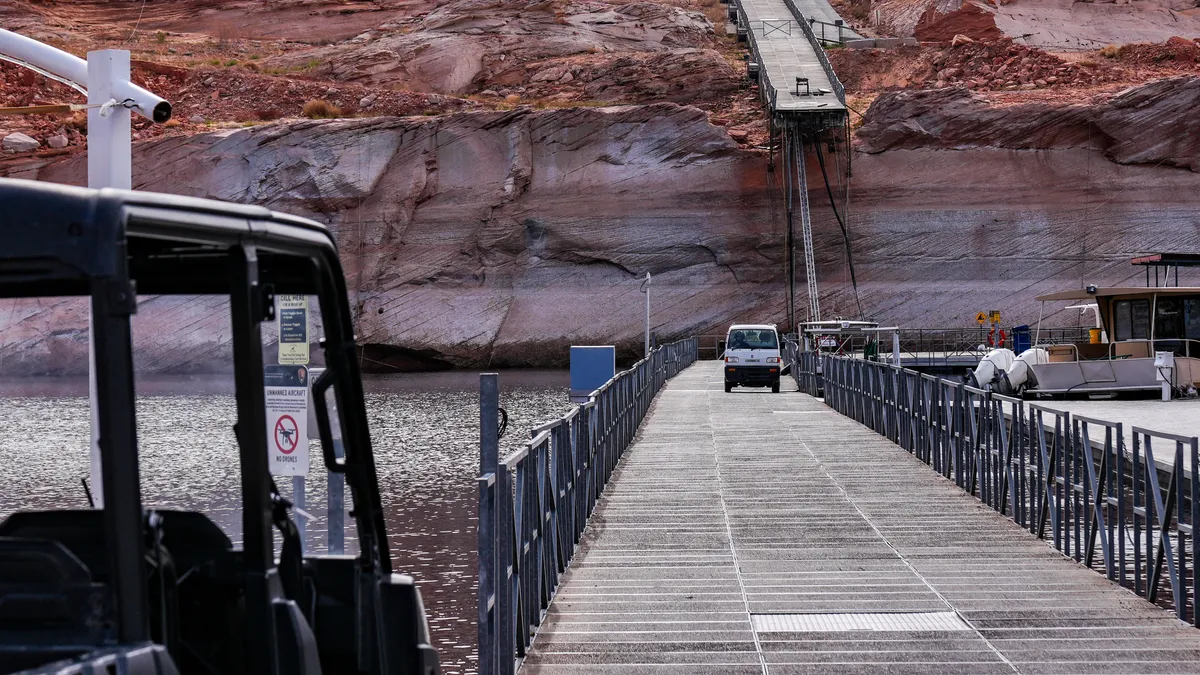
The U.S. National Park Service announced that one of the primary boat launches within the Glen Canyon National Recreation Area in Utah – the Wahweap Main Launch Ramp – will be closed starting Aug 18. And the Park Service is relocating the Rainbow Bridge floating dock into deeper water.
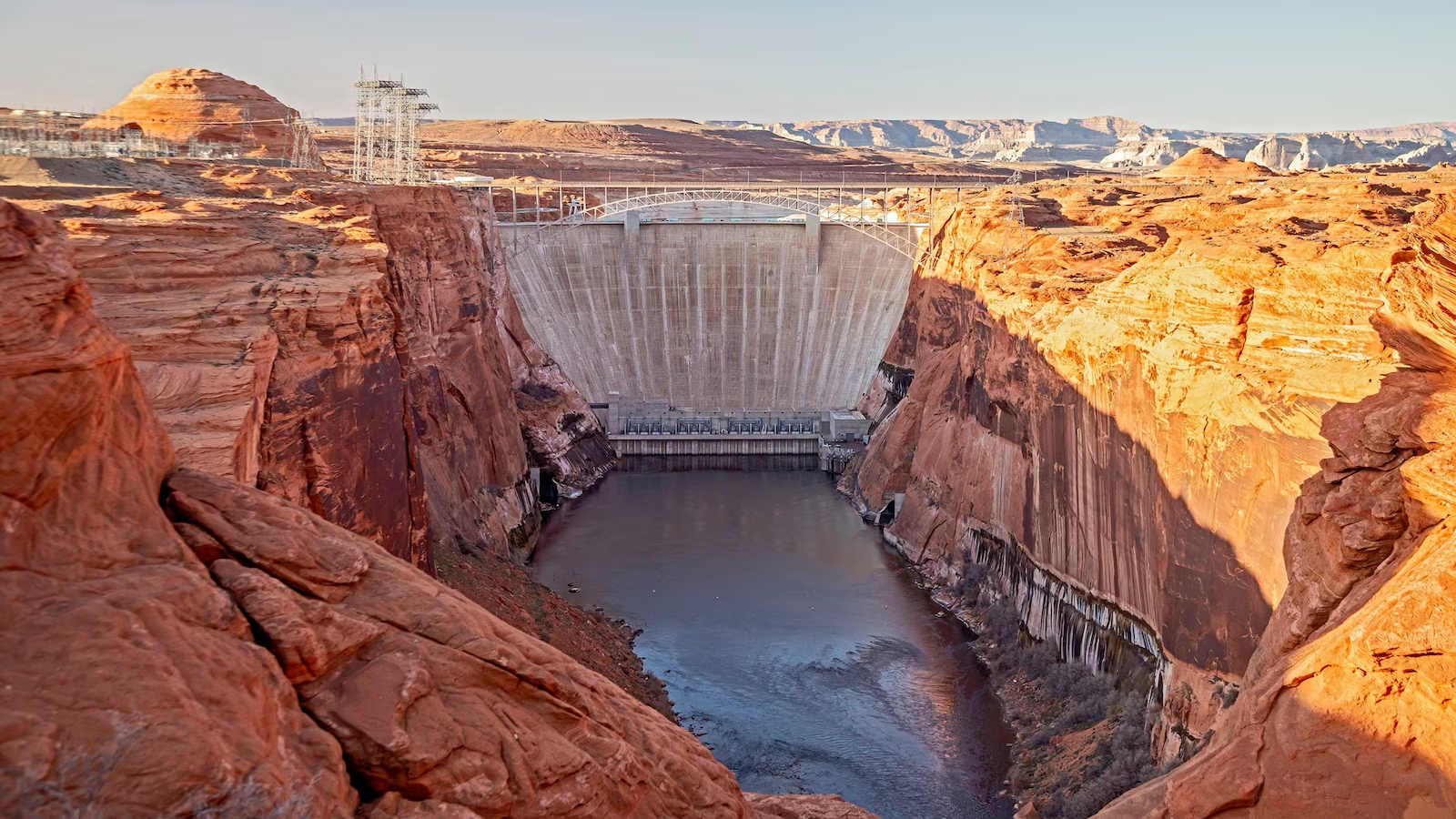
Of greater concern in the long term is how dropping water levels will impact both power generation and water supply: There's a chance that Lake Powell's water level could fall to an elevation that would force the stoppage of power generation at the Glen Canyon Dam, which would affect electricity supply to millions of people in many states.
Additionally, another concern is the chance that Lake Powell could reach so-called "dead pool" status by December 2026. That is the level at which a dam can no longer release water downstream.
According to the U.S. Bureau of Reclamation and the U.S. Department of the Interior, if dead pool is reached at Lake Powell, residents of seven western states – Wyoming, Utah, Colorado, New Mexico, Arizona, Nevada and California – could possibly see power blackouts and water shortages.