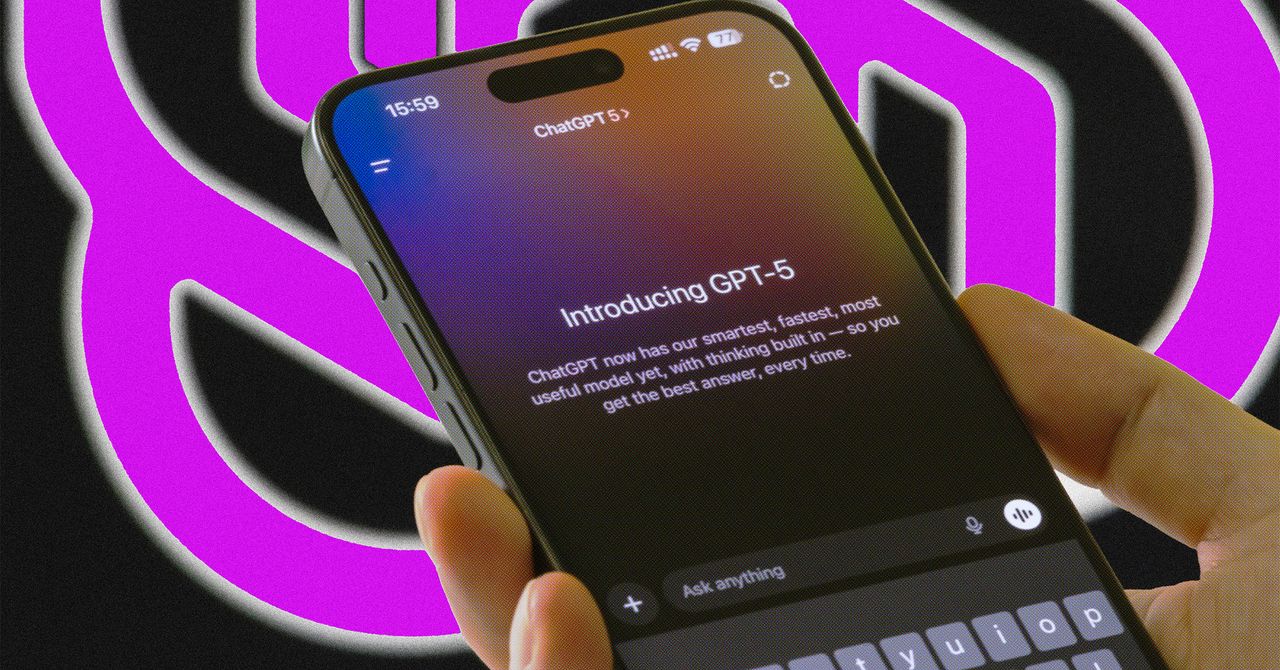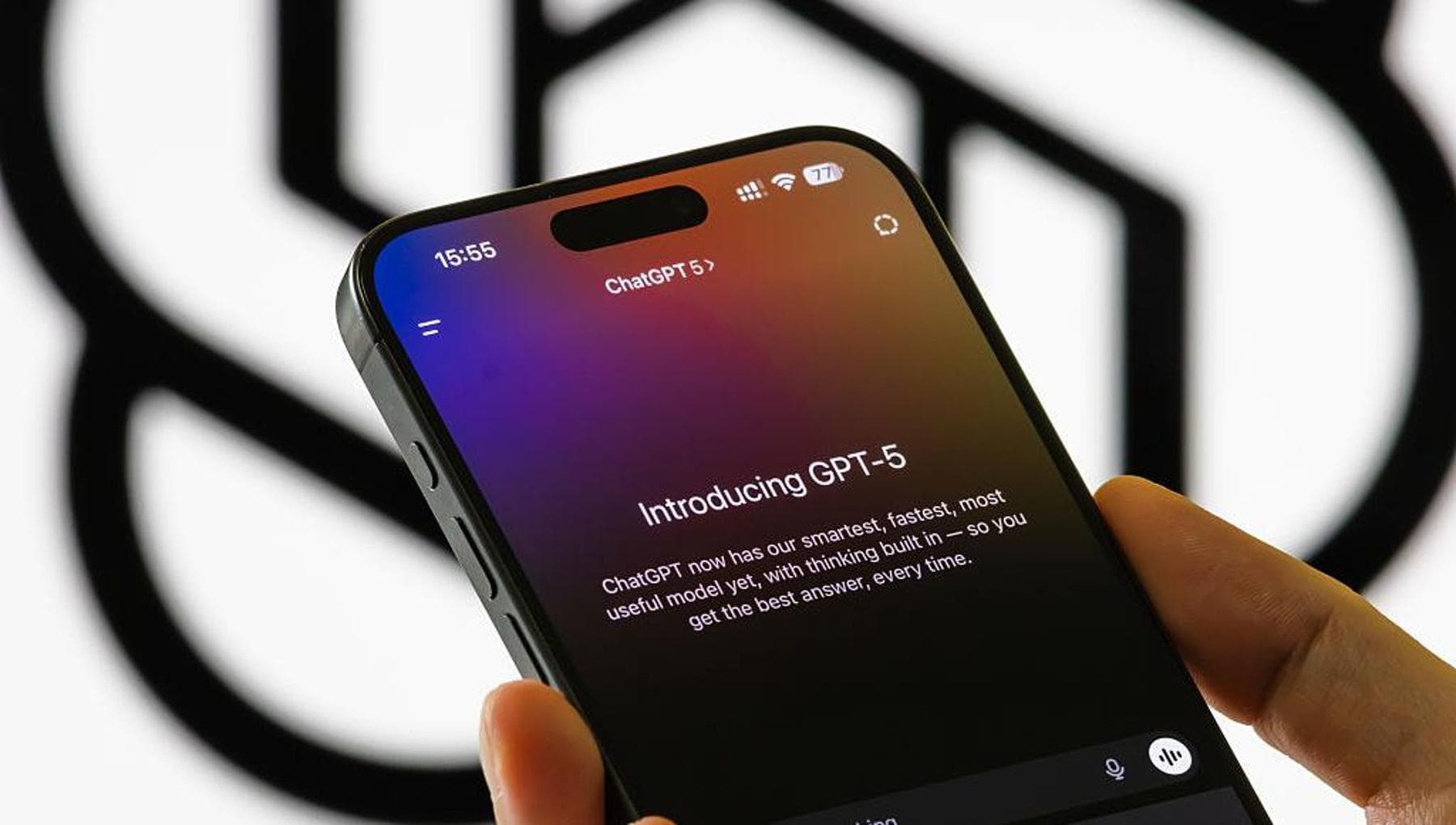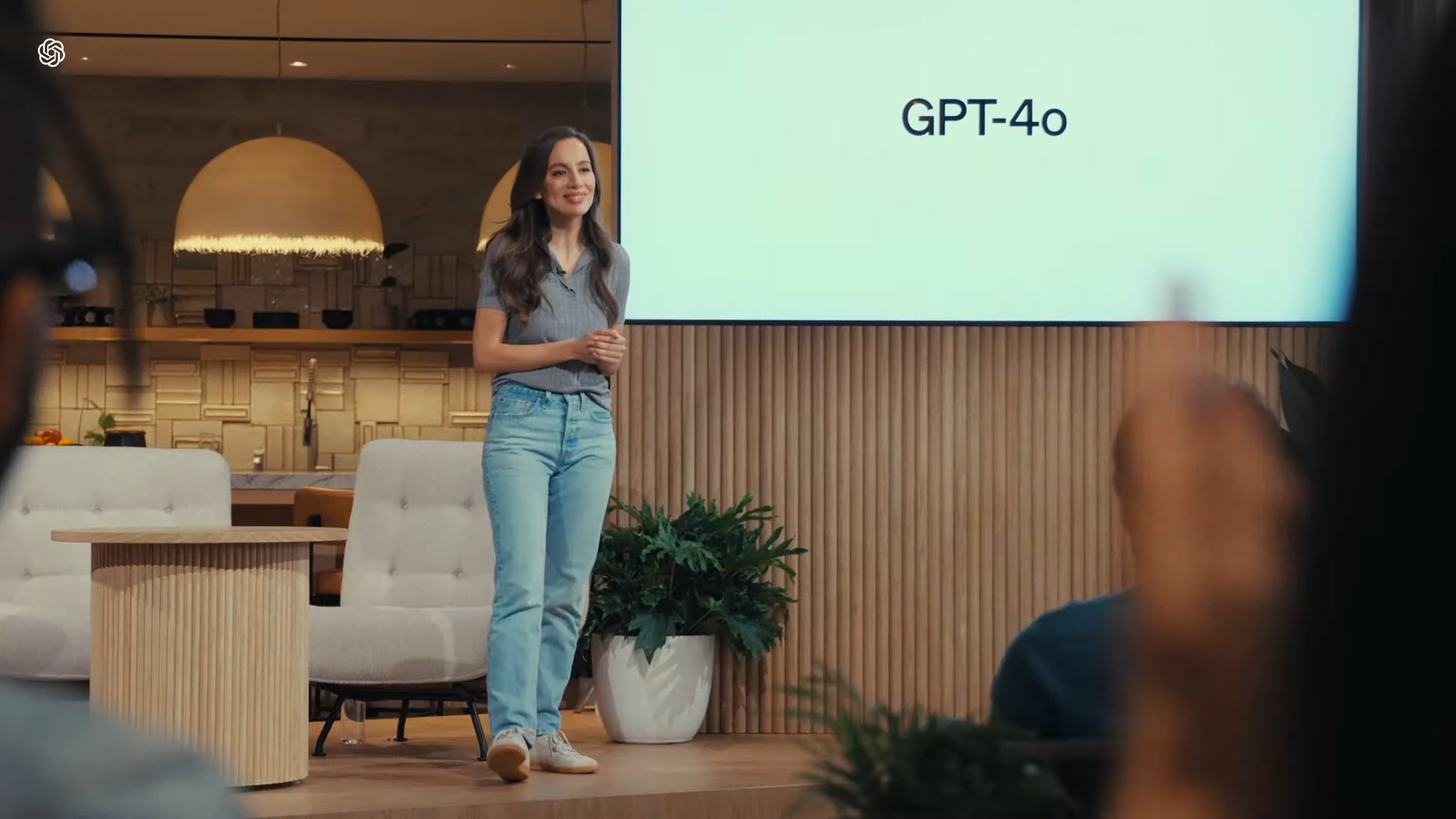
June had no idea that GPT-5 was coming. The Norwegian student was enjoying a late-night writing session last Thursday when her ChatGPT collaborator started acting strange. “It started forgetting everything, and it wrote really badly,” she says. “It was like a robot.” June, who asked that we use only her first name for privacy reasons, first began using ChatGPT for help with her schoolwork. But she eventually realized that the service—and especially its 4o model, which seemed particularly attuned to users’ emotions—could do much more than solve math problems. It wrote stories with her, helped her navigate her chronic illness, and was never too busy to respond to her messages. OpenAI’s decision to replace 4o with the more straightforward GPT-5 follows a steady drumbeat of news about the potentially harmful effects of extensive chatbot use. Reports of incidents in which ChatGPT sparked psychosis in users have been everywhere for the past few months, and in a blog post last week, OpenAI acknowledged 4o’s failure to recognize when users were experiencing delusions. The company’s internal evaluations indicate that GPT-5 blindly affirms users much less than 4o did. (OpenAI did not respond to specific questions about the decision to retire 4o, instead referring MIT Technology Review to public posts on the matter.)
Why GPT-4o’s sudden shutdown left people grieving
After an outcry, OpenAI swiftly rereleased 4o to paid users. But experts say it should not have removed the model so suddenly.
1,055 words~5 min read