Author Michael Grunwald reckons with the challenge of food-based climate emissions in his new book We Are Eating the Earth
R
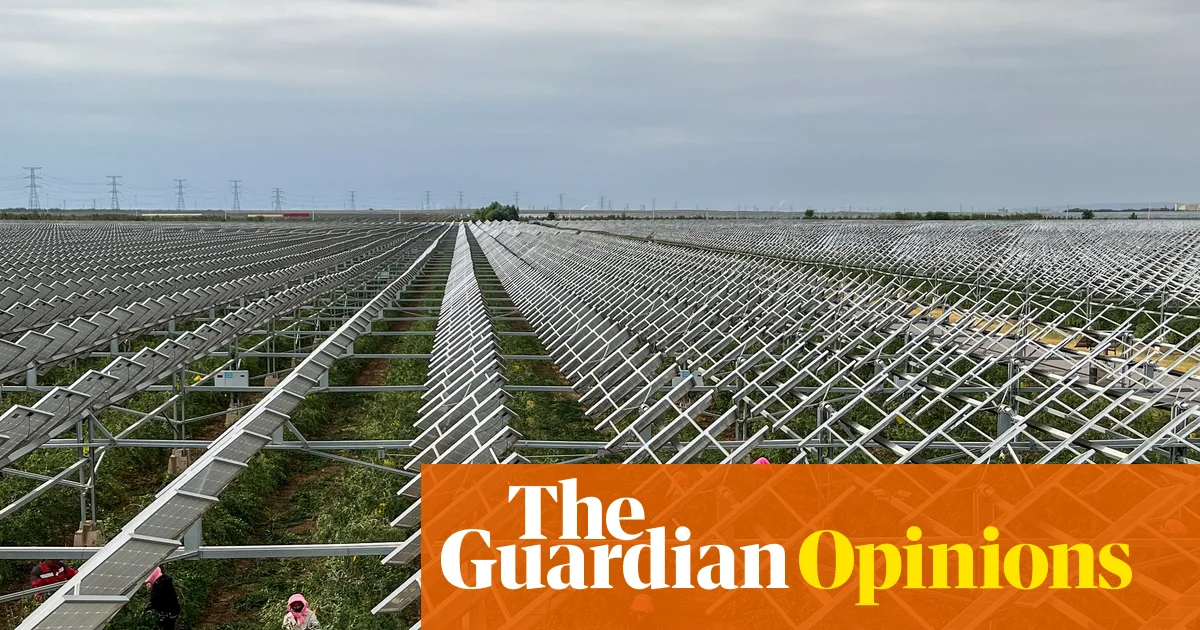
idding ourselves of fossil fuels has been a tortuously ponderous process and, in the current political era, one that can seem to be in full retreat. But we do have the tools to run our cities, vehicles and industries on clean energy and even through the murk of vested interest, the contours of a post-fossil world are becoming clearer.
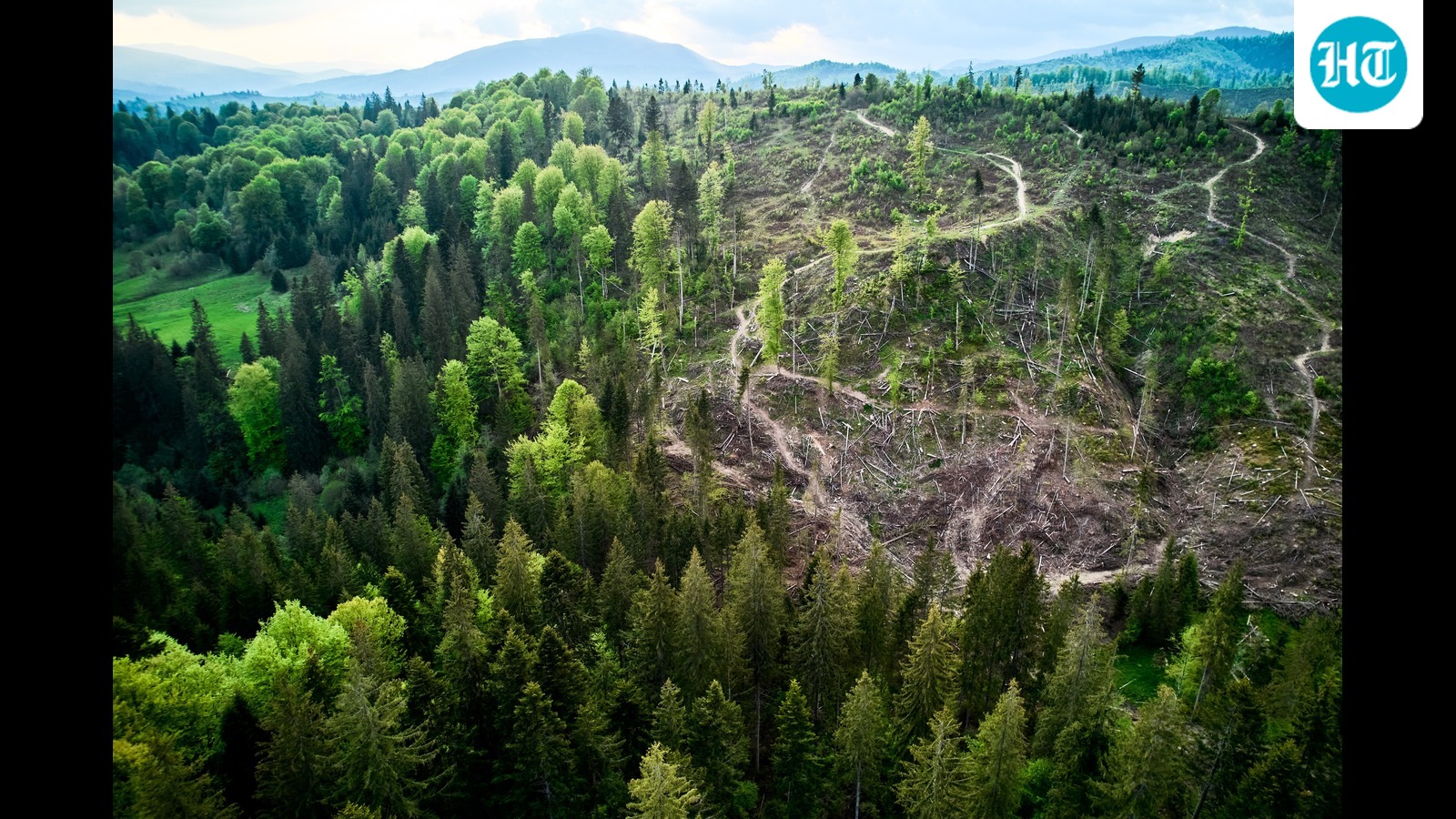
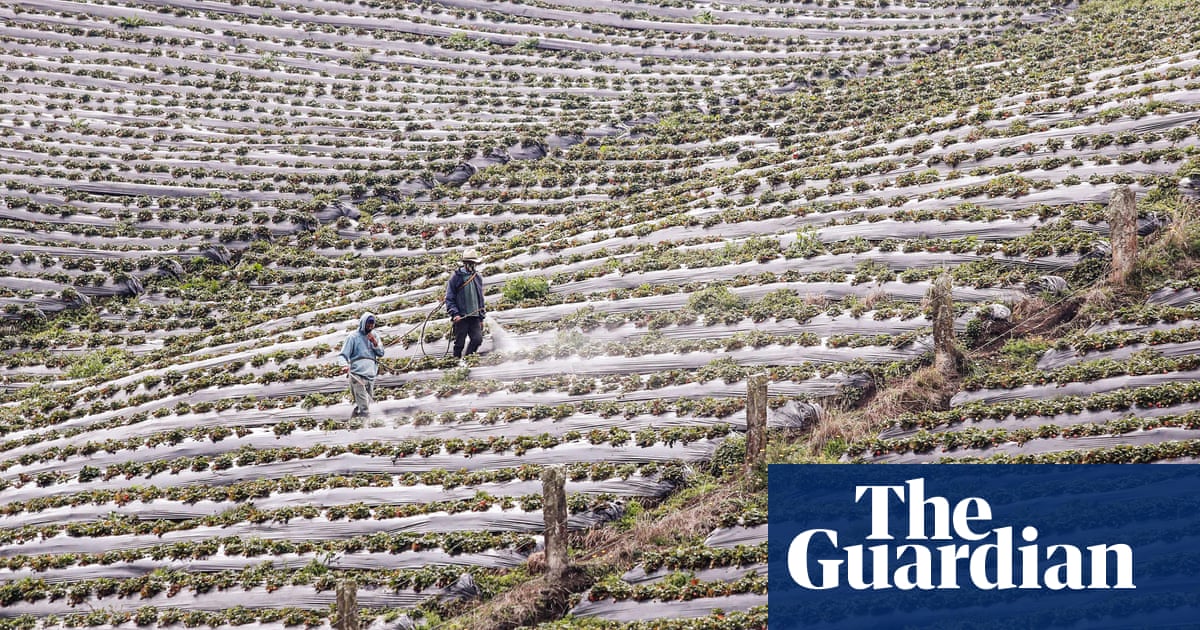
Our system of producing food, though, is in a relative stone age when it comes to the climate crisis. We continue to raze vast tracts of carbon-rich forests for crop and grazing land thereby creating, by some estimates, as much as a third of all global planet-heating emissions.
As parts of the developing world get wealthier, people eat more meat, meaning more forest and grassland is obliterated and greater emissions are belched out by livestock and its attendant machinery, feed and chemicals. Even if we do manage to kick the habit of coal, oil and gas, modern agriculture now has enough heft on its own to shove us headlong into environmental catastrophe.