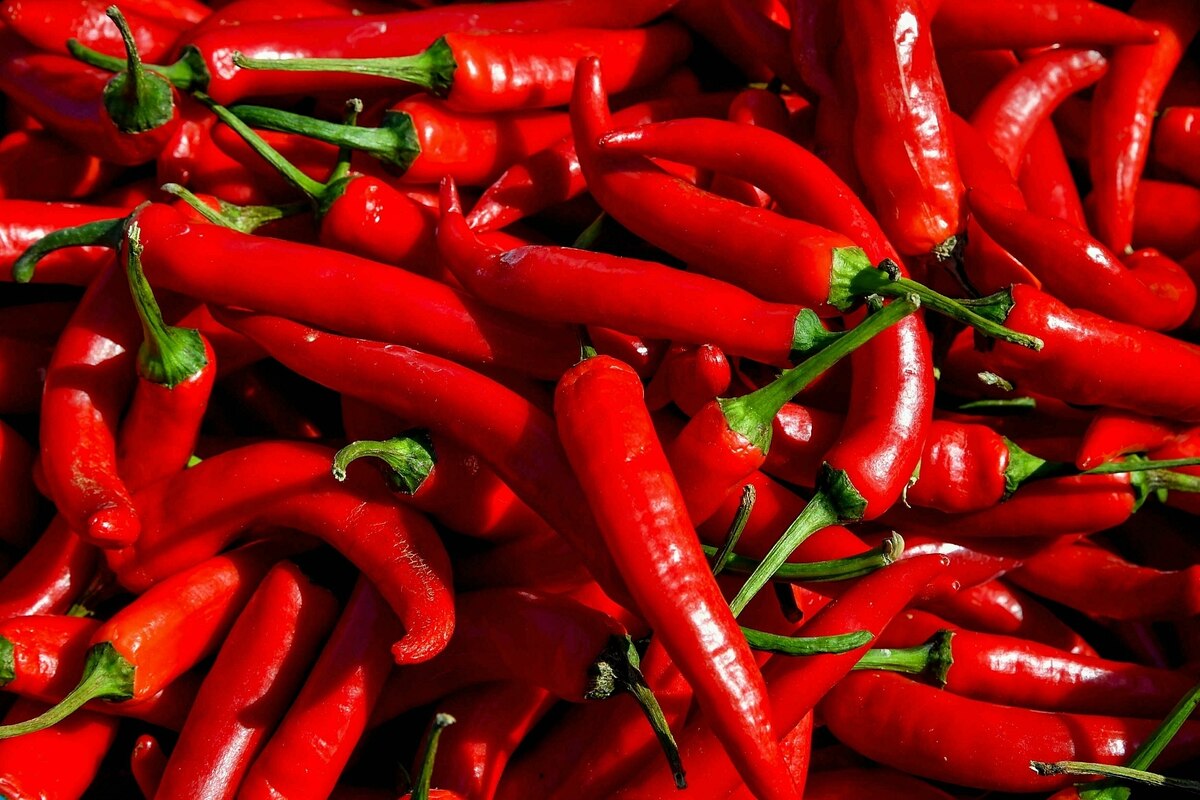
MARGILAN, Fergana Valley: Strung into garlands, hung above doorways, walls, and crafted into traditional textiles and ceramics, red hot chili peppers are a distinctive ornament in Uzbek culture: a legacy of ancient beliefs that made them amulets against the evil eye and demons.
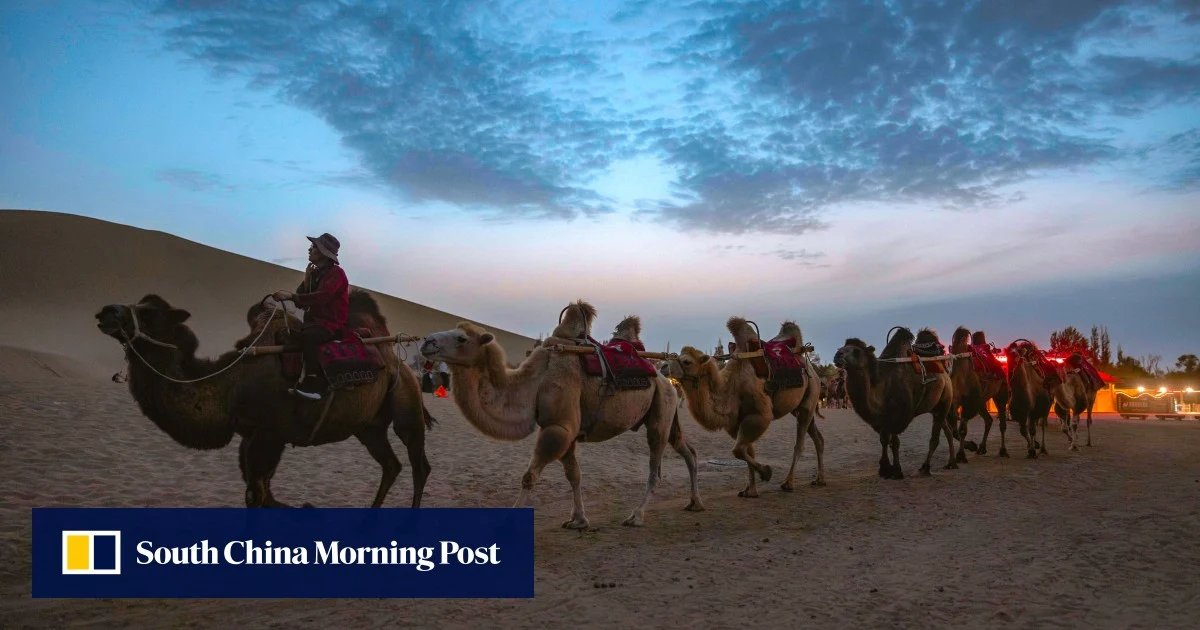
Chilies most likely arrived in Central Asia from China, brought by spice caravans that traveled the Silk Road — the ancient trade network that for hundreds of years linked East Asia with the Middle East, Africa, and Europe.
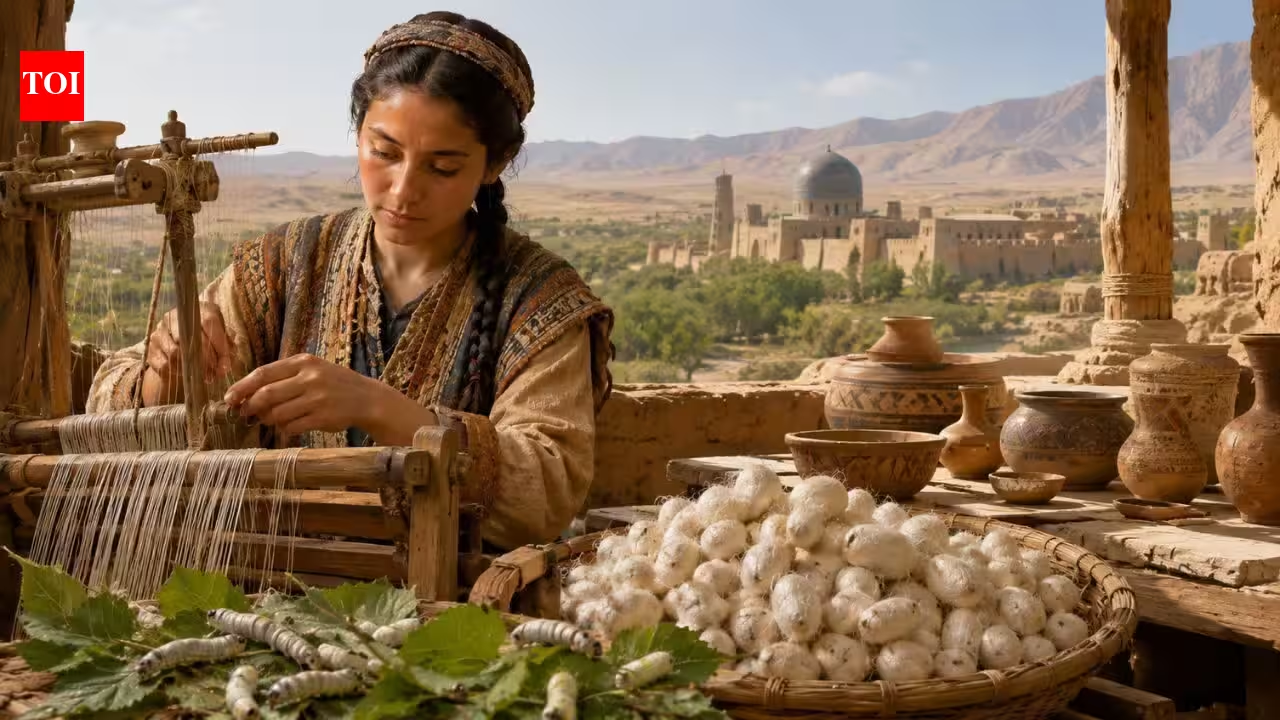
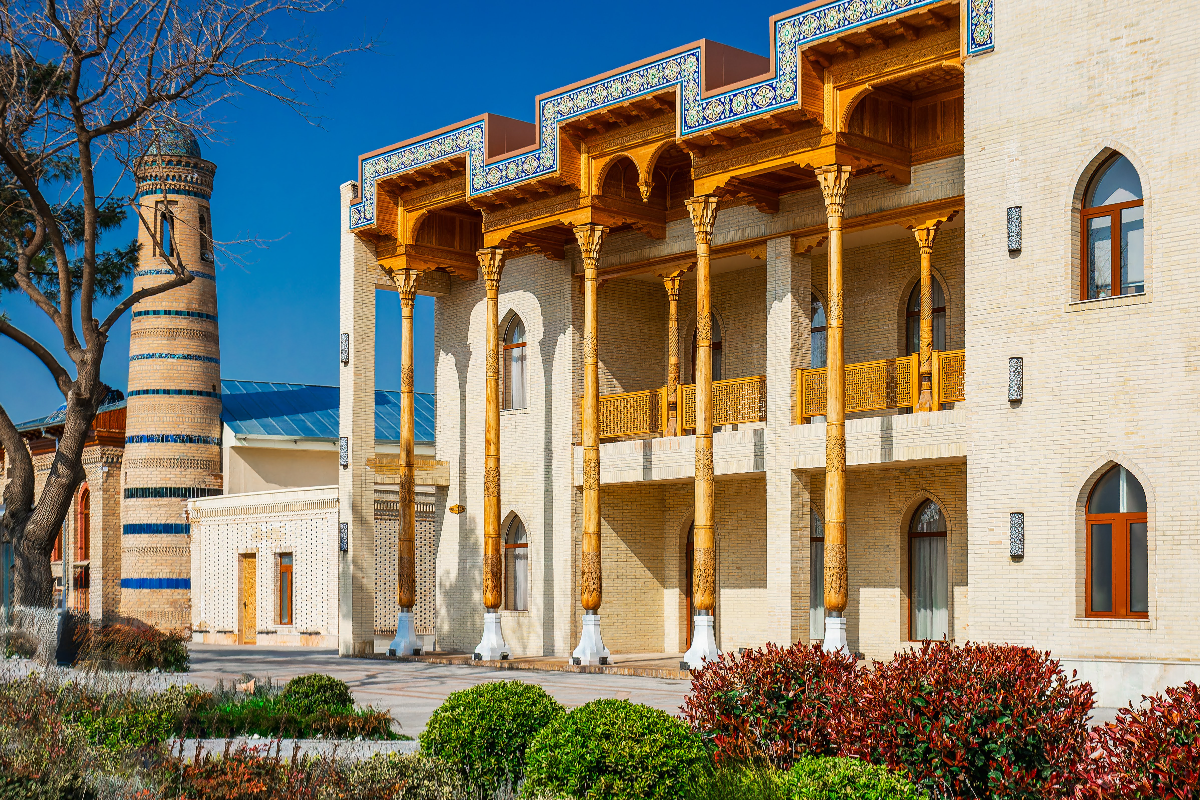
Present-day Uzbekistan was a major crossroads on this route, which passed through the Fergana Valley in the east to Samarkand, Bukhara, and Khiva in the southwest.
In the region’s hot climate, the properties of red chili, which in Uzbek is known as kalampir, were quickly noticed and became valued.
“It not only added flavor to food but also helped preserve it. People noticed that the spice protected products from spoiling. In folk medicine, it was used to warm the body, reduce inflammation, and ‘drive away’ illness,” said Prof. Elmira Gyul of the “Silk Road” International Research Institute, Uzbekistan’s leading center for the study of Silk Road history and material culture.