Increasingly bored of bland ‘white people food’, our palates crave more intense stimulation. But as I learned the hard way, you can have too much of a good thing
A
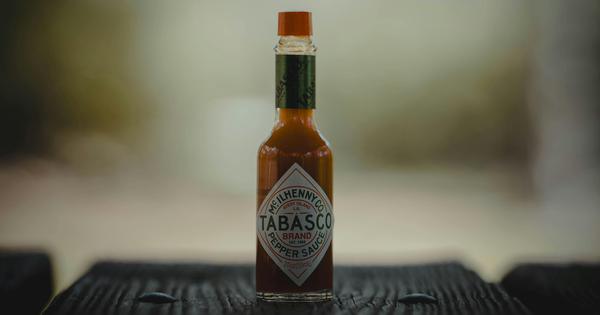
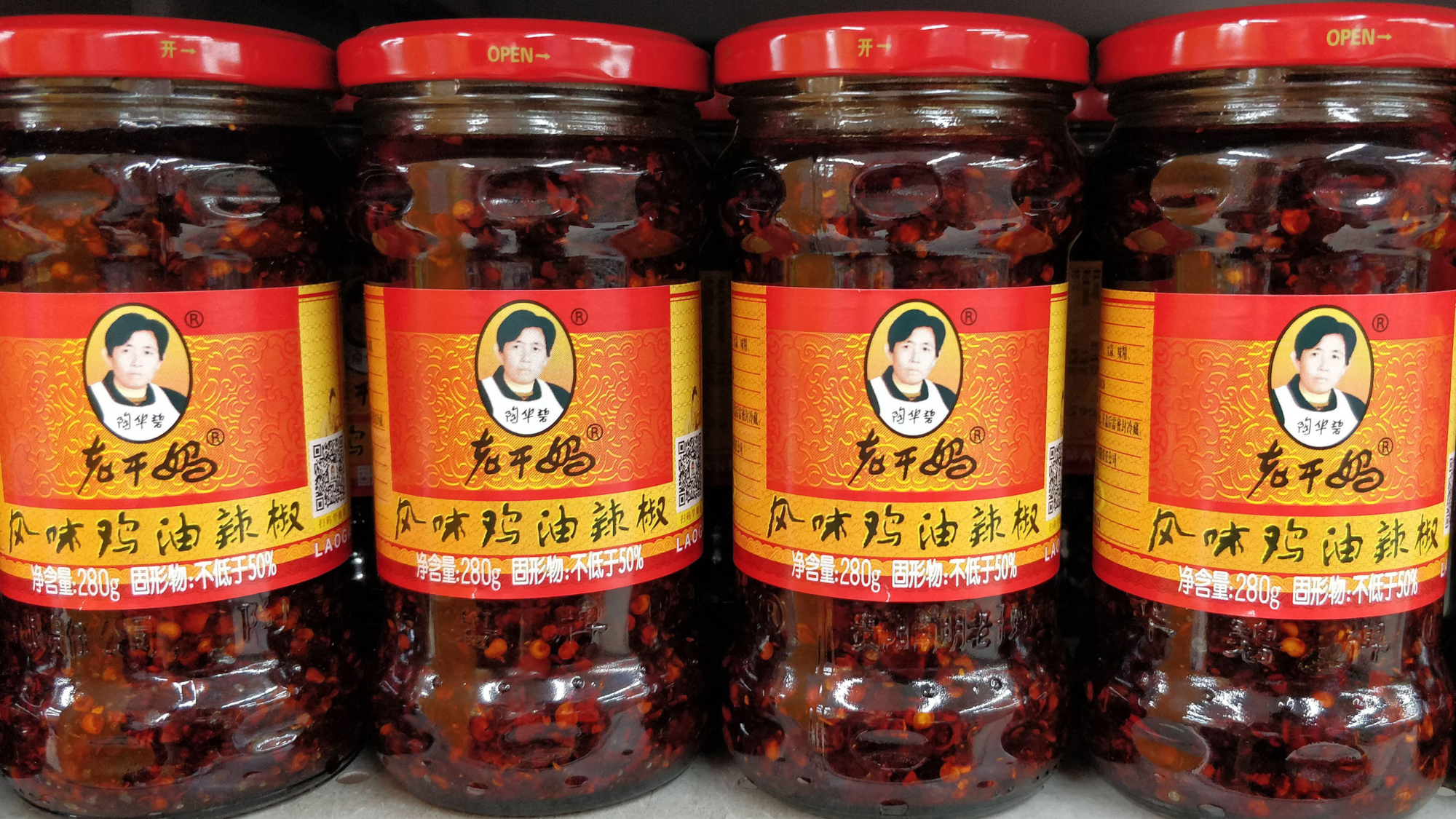
re we in a chilli arms race? The US is, according to the Atlantic, which recently explored the country’s growing enthusiasm for hot stuff (more than half of Americans in a survey said they were likely to buy an item described as “spicy”, up from 39% in 2015) and killer chillies. Americans have certainly thrown themselves into it – I spent an entertaining hour in a Brooklyn hot sauce emporium last year having tasting profiles of various skull-emblazoned, jokily named bottles earnestly sauce-splained to me by mulleted men– but it’s happened in the UK too. Our cupboards and fridges suggest “little treat” condiment culture has a masochistic edge: I just counted 19 bottles and jars of angry-looking red stuff in ours; I’m forever succumbing to the must-have small-batch chilli crisps the algorithm offers.
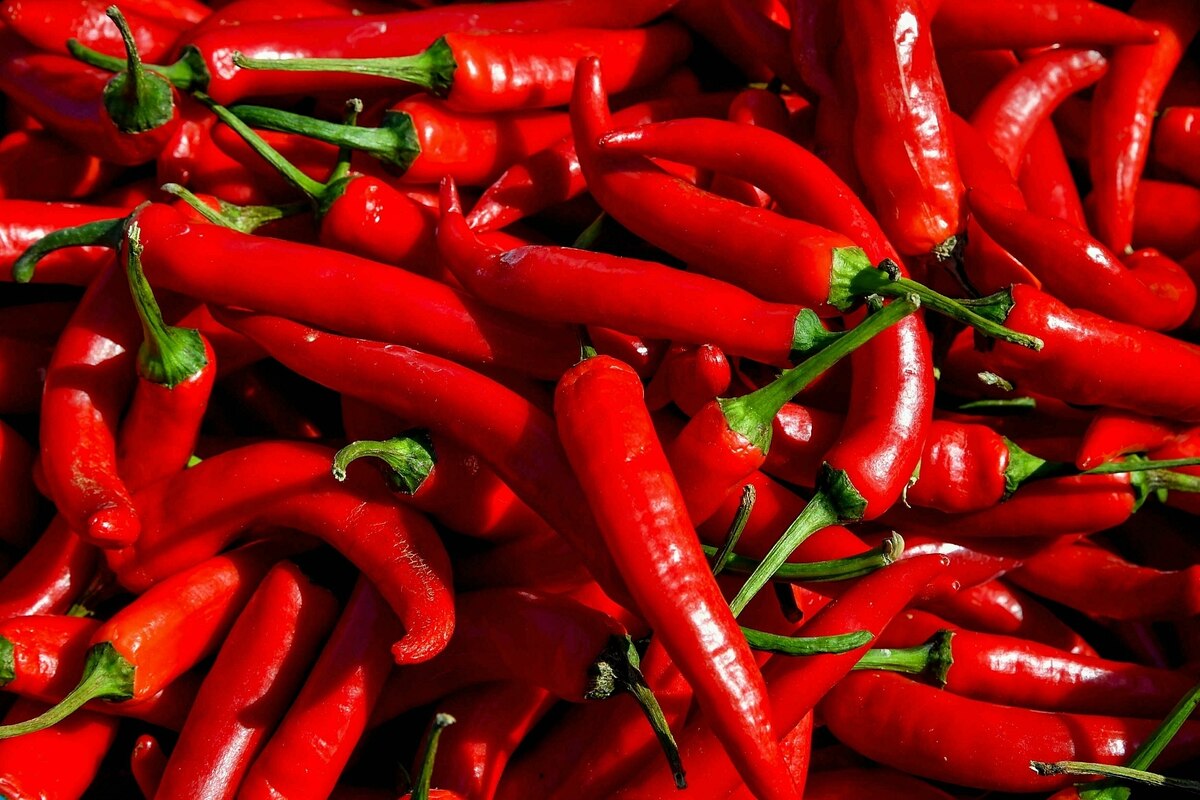
Why? Capsaicin, the active component of chilli peppers, supposedly delivers an endorphin buzz, but it’s surely more cultural than physiological. We’re all global culinary sophisticates these days – no one wants to admit to being the kind of wimp who craves flavourless “white people food”. Chilli’s expanding geographic penetration has probably been helped along by Hot Ones, the YouTube show where celebrities writhe as they submit to ever-spicier chicken wings; Demi Moore’s steely, unbothered performance on it merited many Oscars. I suspect mouth-boredom plays a part too – there’s so much flavour everywhere now it would give my Celtic ancestors heart failure, so our jaded palates crave more intense stimulation.