O
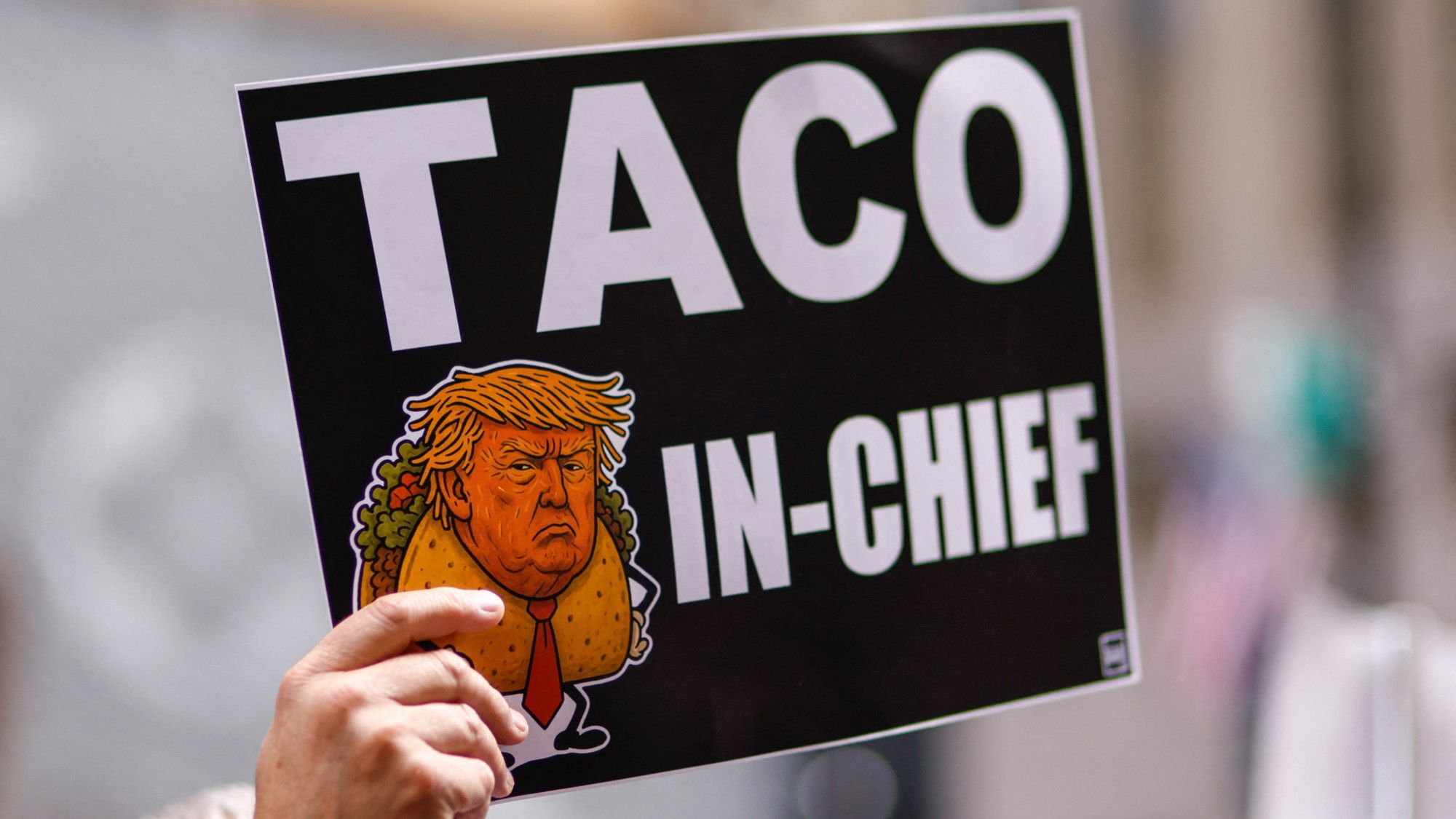
n May 2, Robert Armstrong, a journalist from the Financial Times, coined a phrase that quickly caught on to describe President Donald Trump's erratic approach to tariffs: TACO, an acronym for "Trump Always Chickens Out." Three months later, it is quite possible that the TACO theory also applies to the American president's policy toward China.
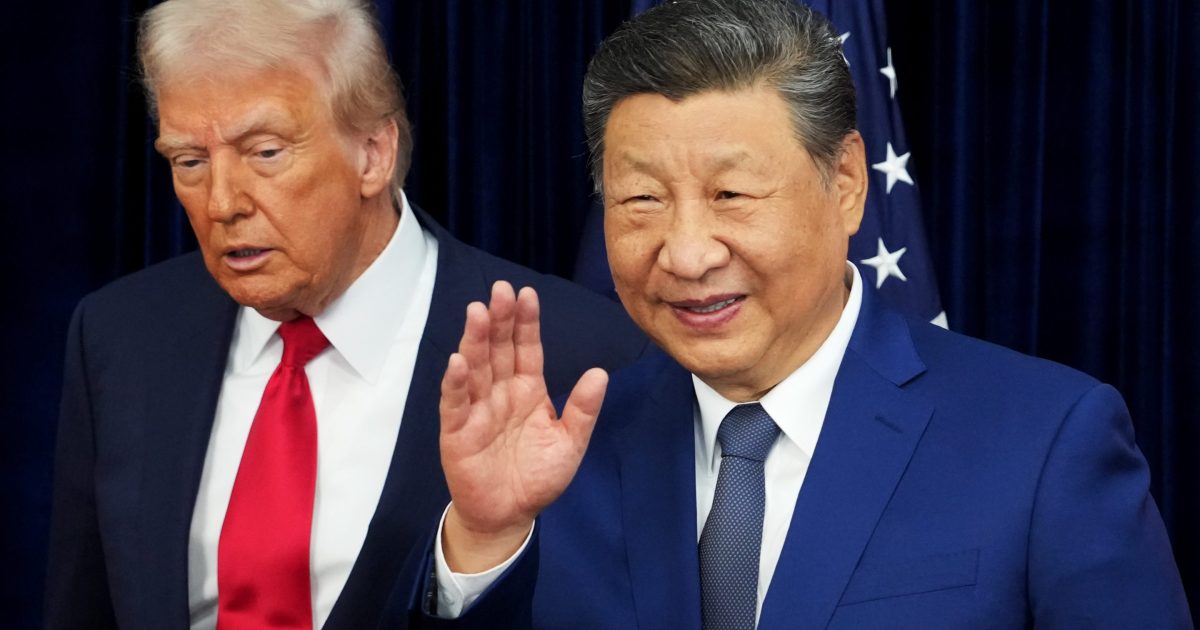
Wavering between trade sanctions against Beijing and declarations of friendship for his counterpart, Xi Jinping, Trump has continued to zigzag between strategies, push back deadlines he set for himself and make decisions that contradict the tough stance that had, until now, been the consensus in Washington.
Two examples from Monday, August 11, illustrate this confusion. In an unprecedented move, the president of the United States first reached an agreement with the CEO of Nvidia, the largest American microprocessor company with the world's top market capitalization, under which the firm would be authorized to export its H20 chips to China. In exchange, it would pay 15% of the resulting profits to the US Treasury. The agreement also applies to another chipmaker, Advanced Micro Devices.
Subscribers only