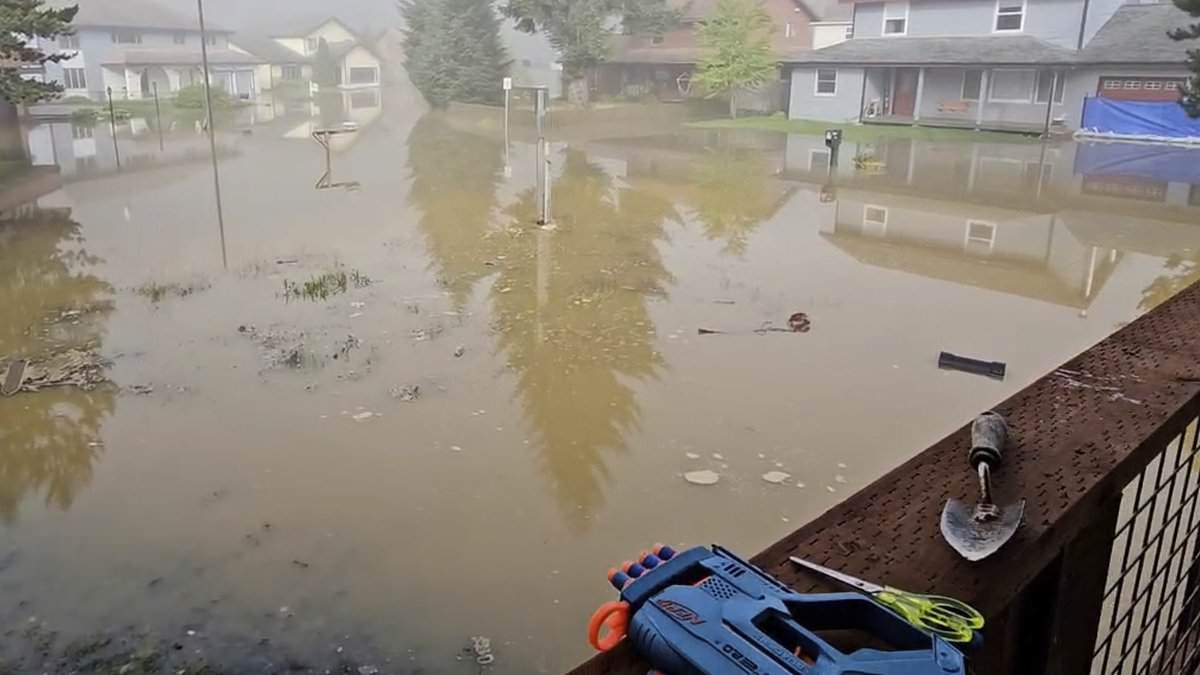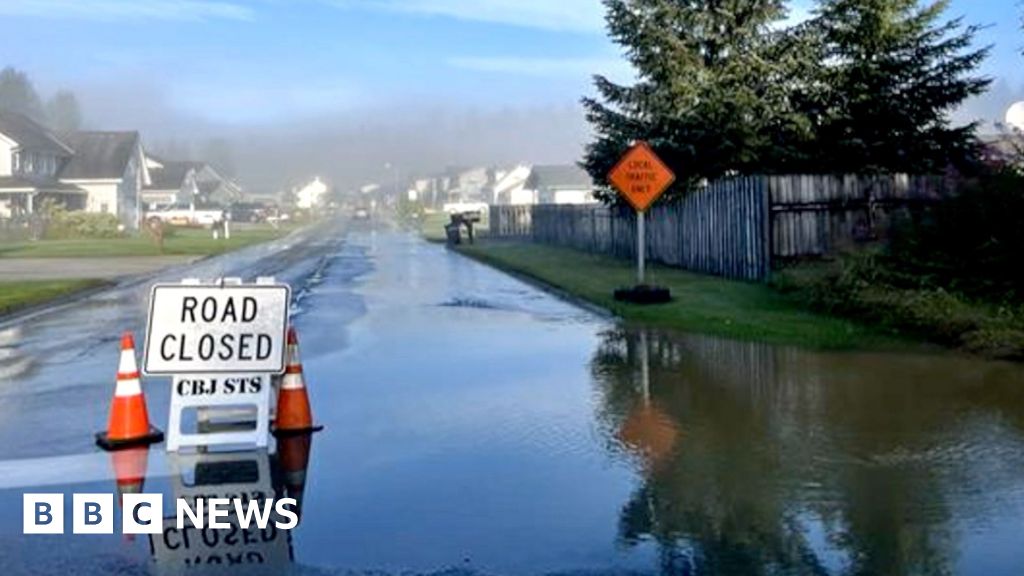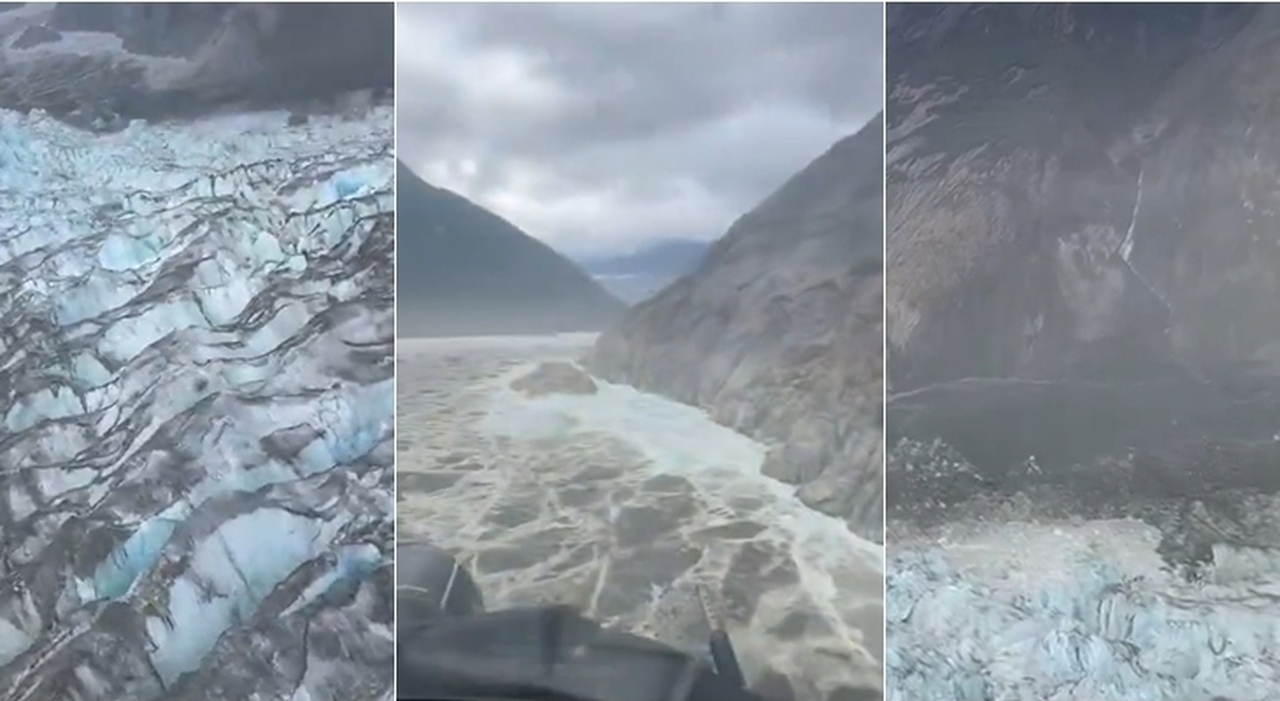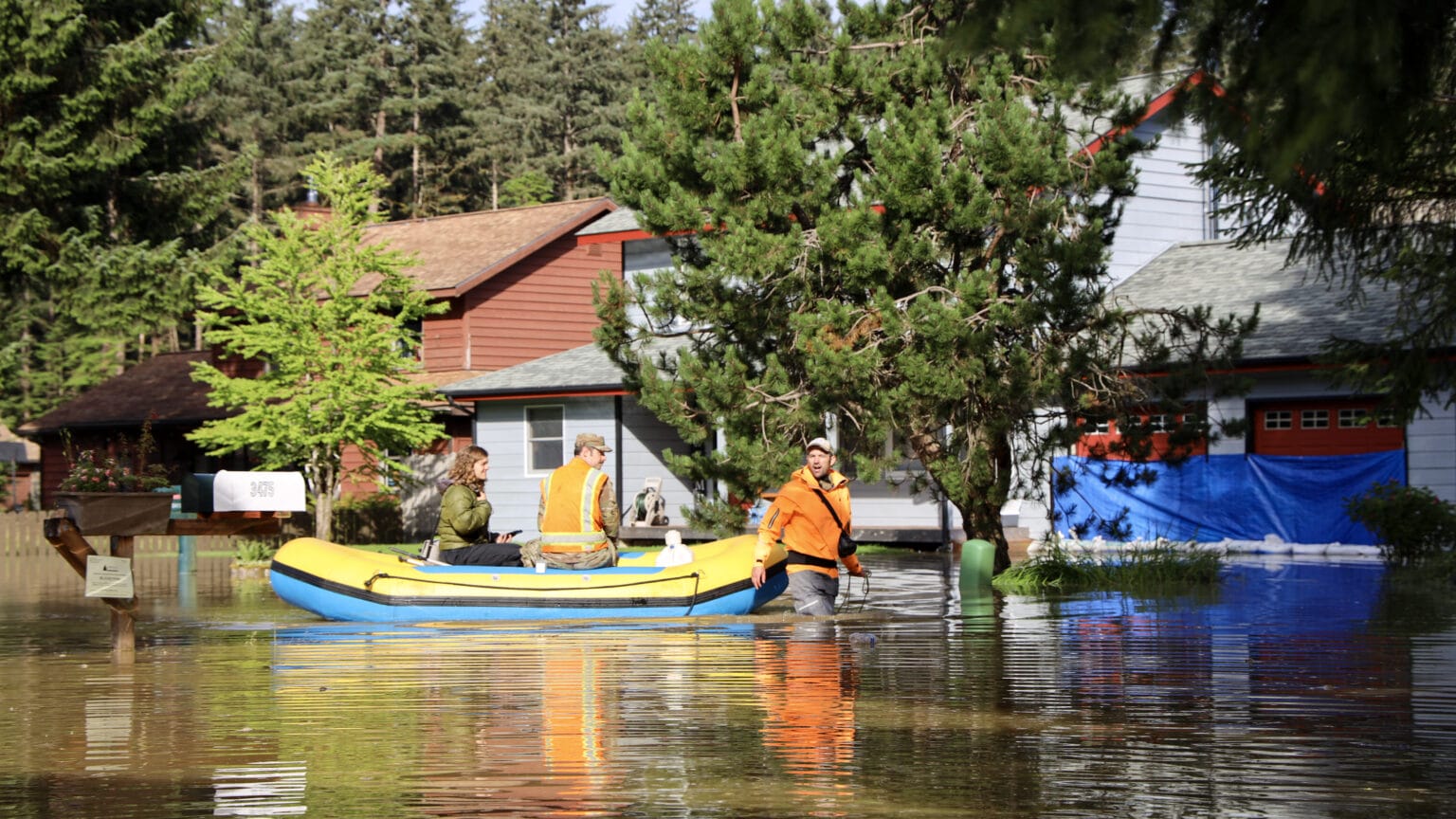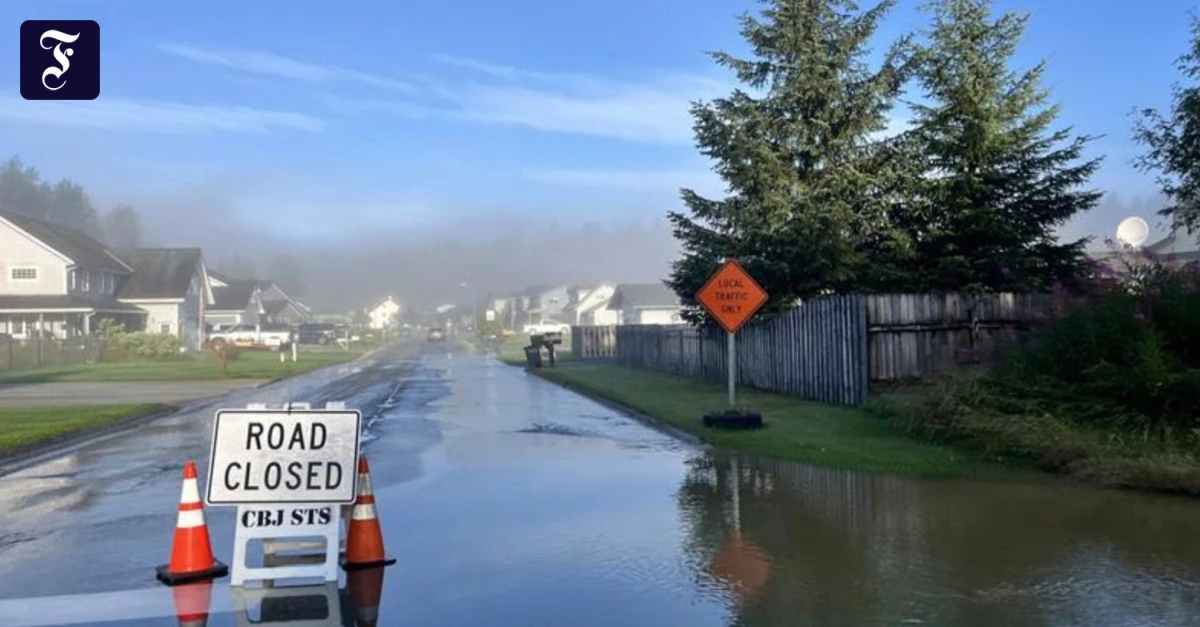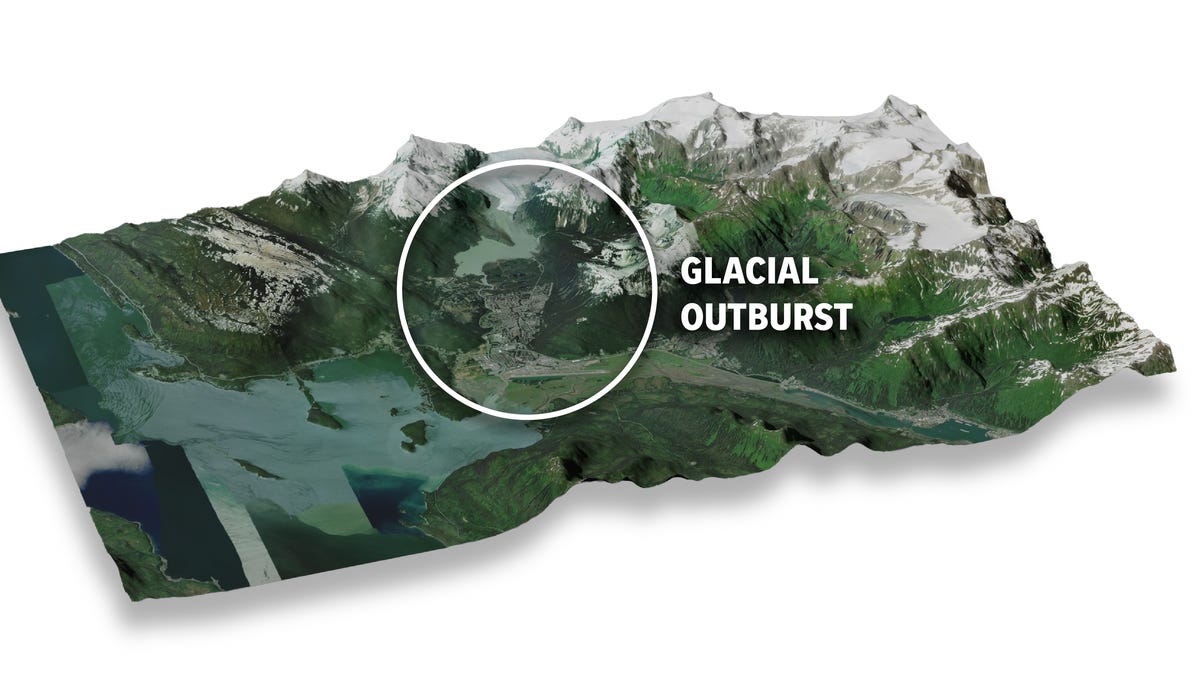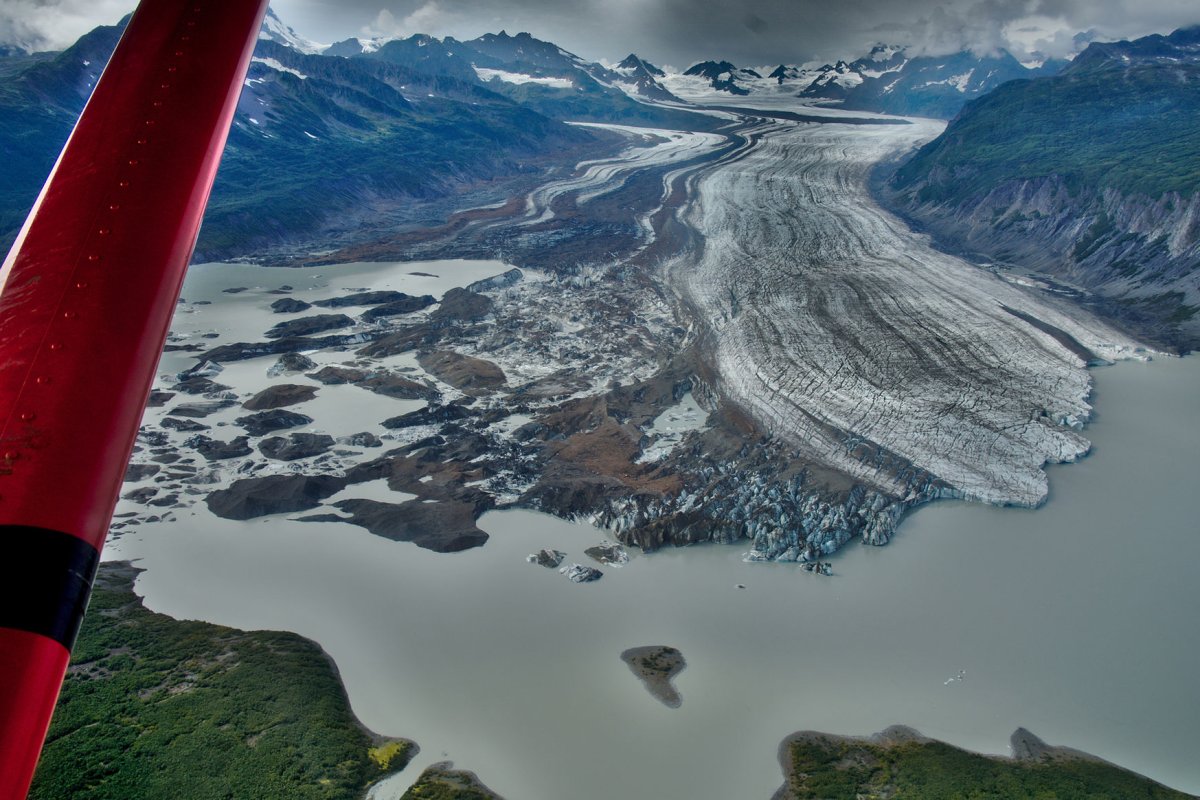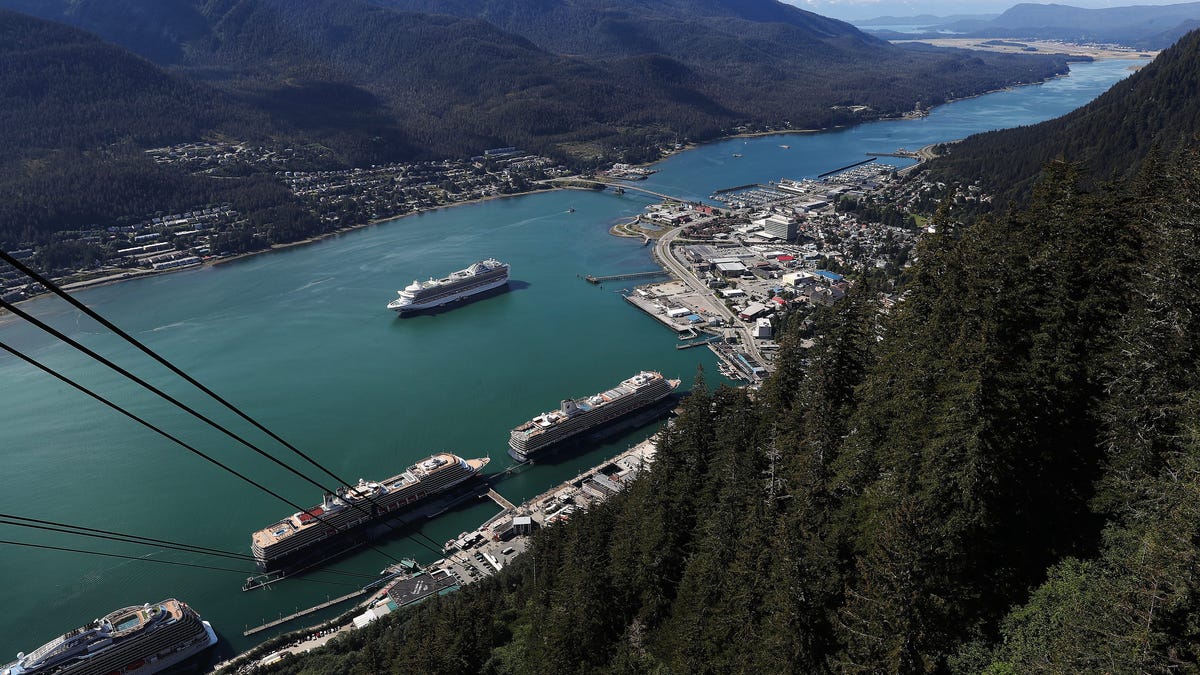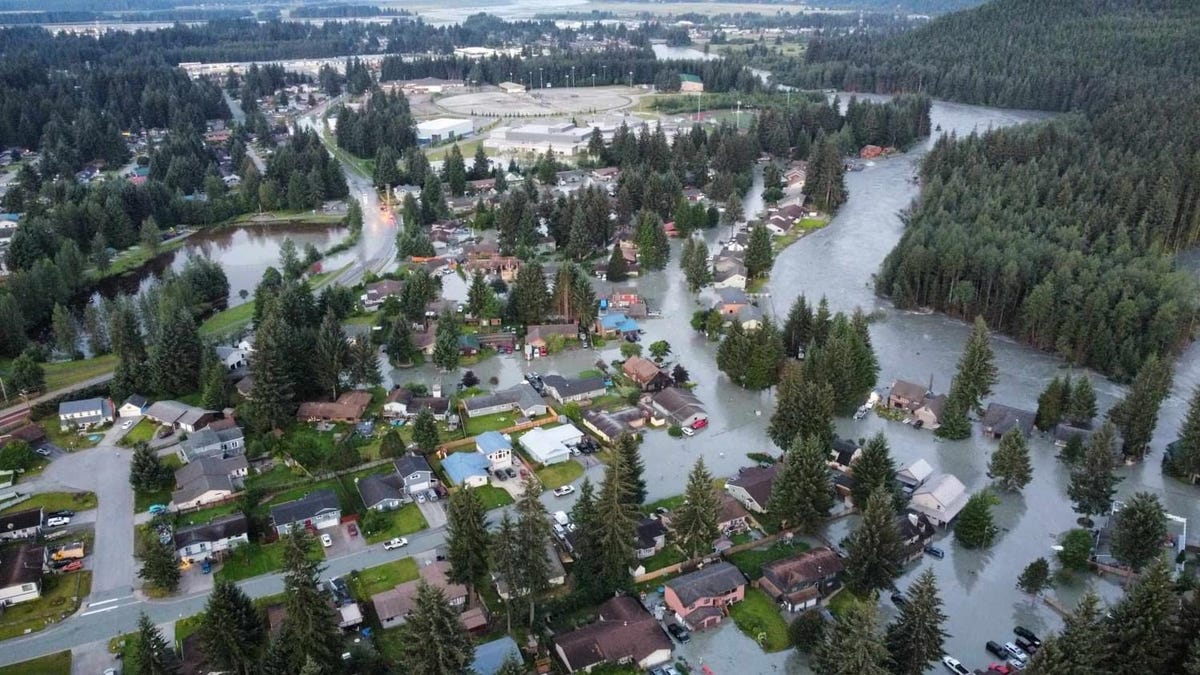
Water from a melting glacier has caused a river near Alaska's capital city of Juneau to swell to historic levels amid a "glacial outburst" event that has prompted flooding fears and evacuations.
On Aug. 13, emergency barriers protecting Juneau appear to be holding, but the risk from summer glacial flooding is on the rise as climate change increases temperatures, causing more ice melt.
Glacial lake outburst flooding is a flood that's produced by the quick, unexpected release of water from a glacial lake.
These lakes can exist behind unsteady dams made of ice or bedrock, and when these dams fail, the water rushes out, often resulting in catastrophic downstream flooding.
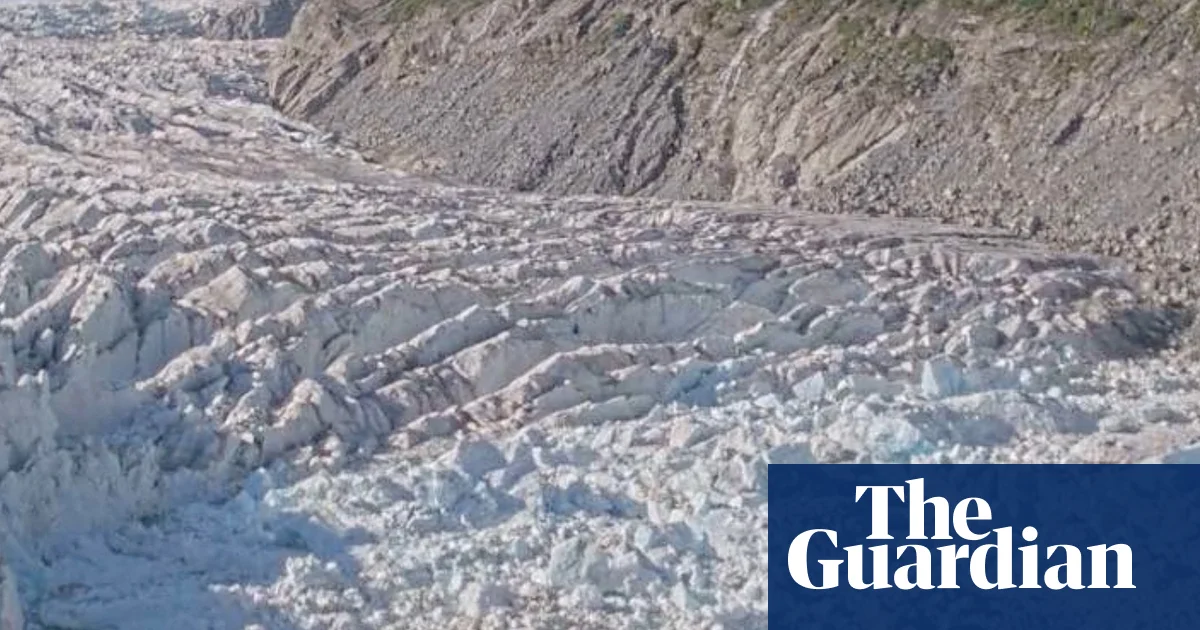
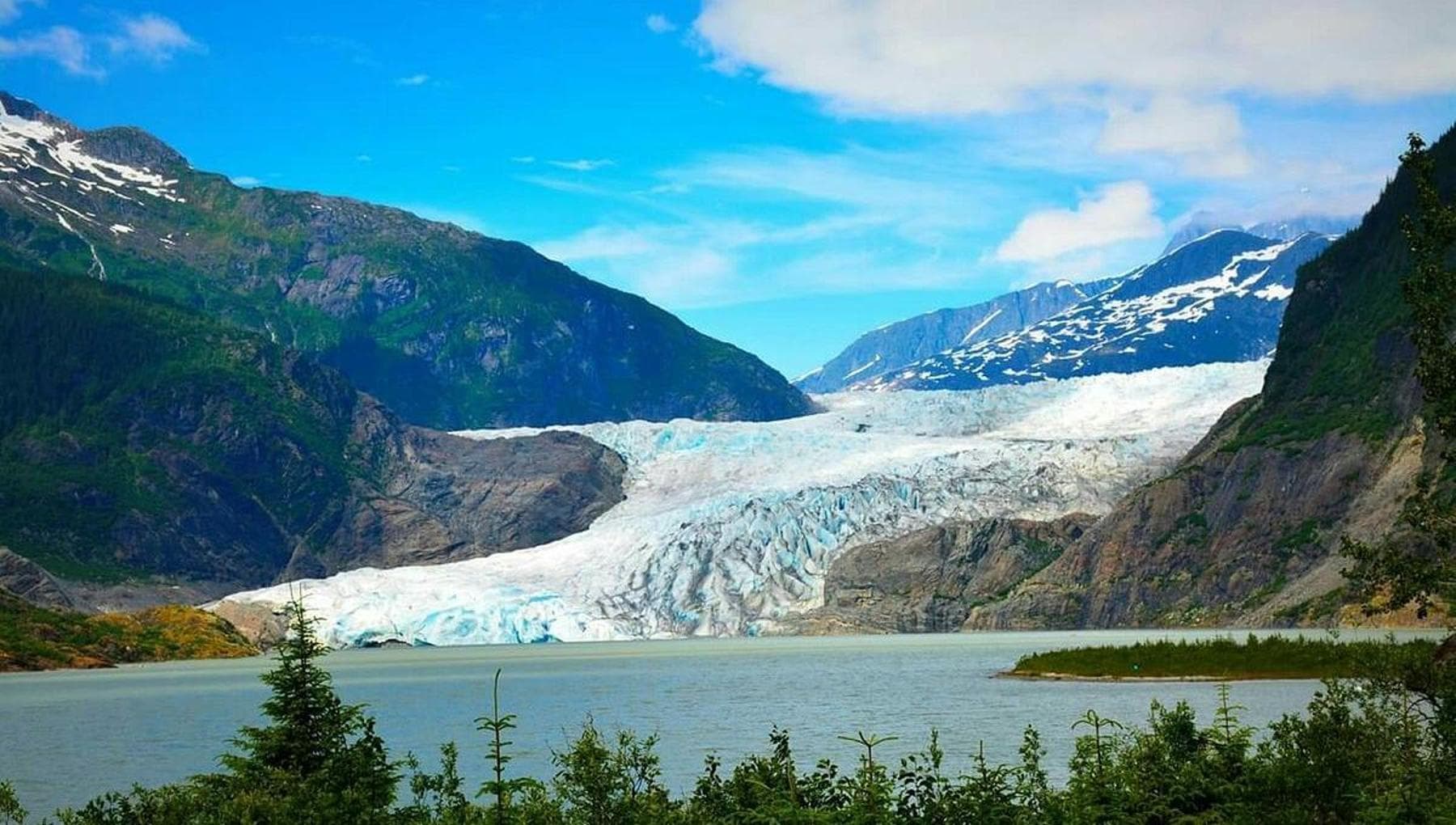
A glacial outburst like the one in Alaska this week occurs when an ice dam holding back a lake – in this case Suicide Basin – collapses amid summer heat, releasing the water in a short period of time. Suicide Basin is part of the Mendenhall Glacier.