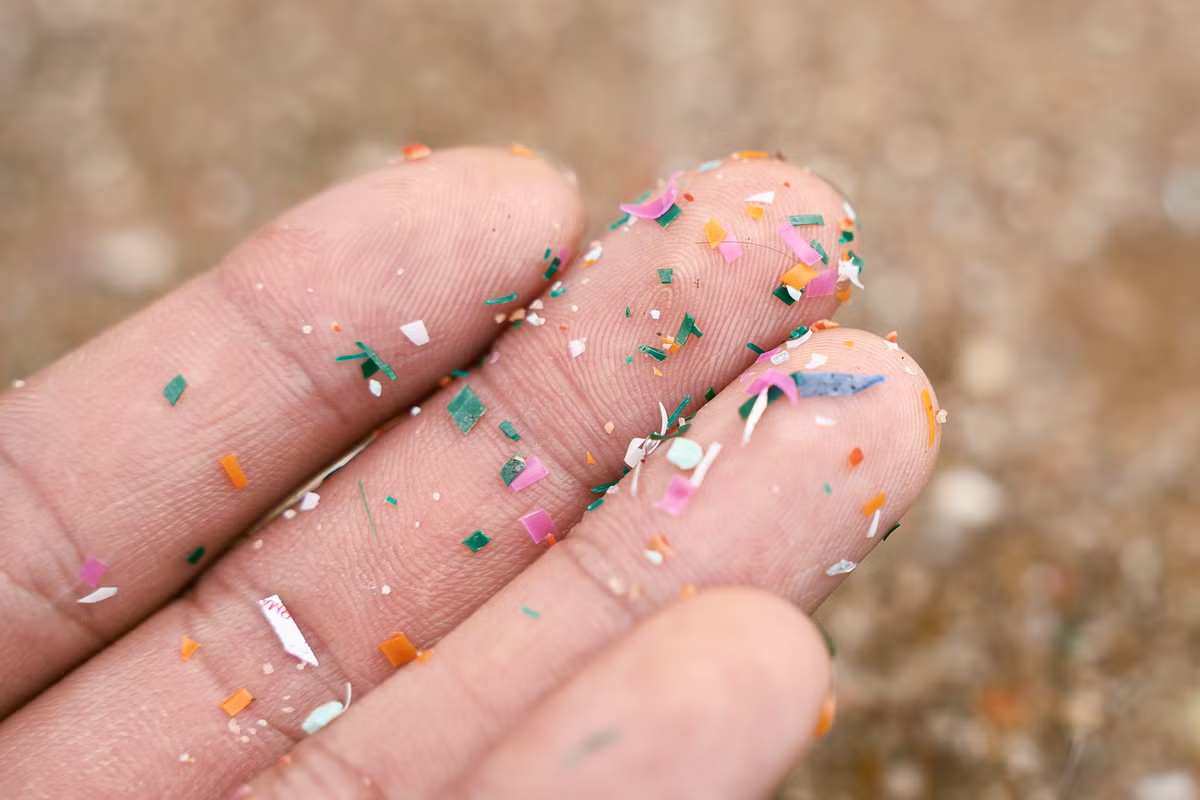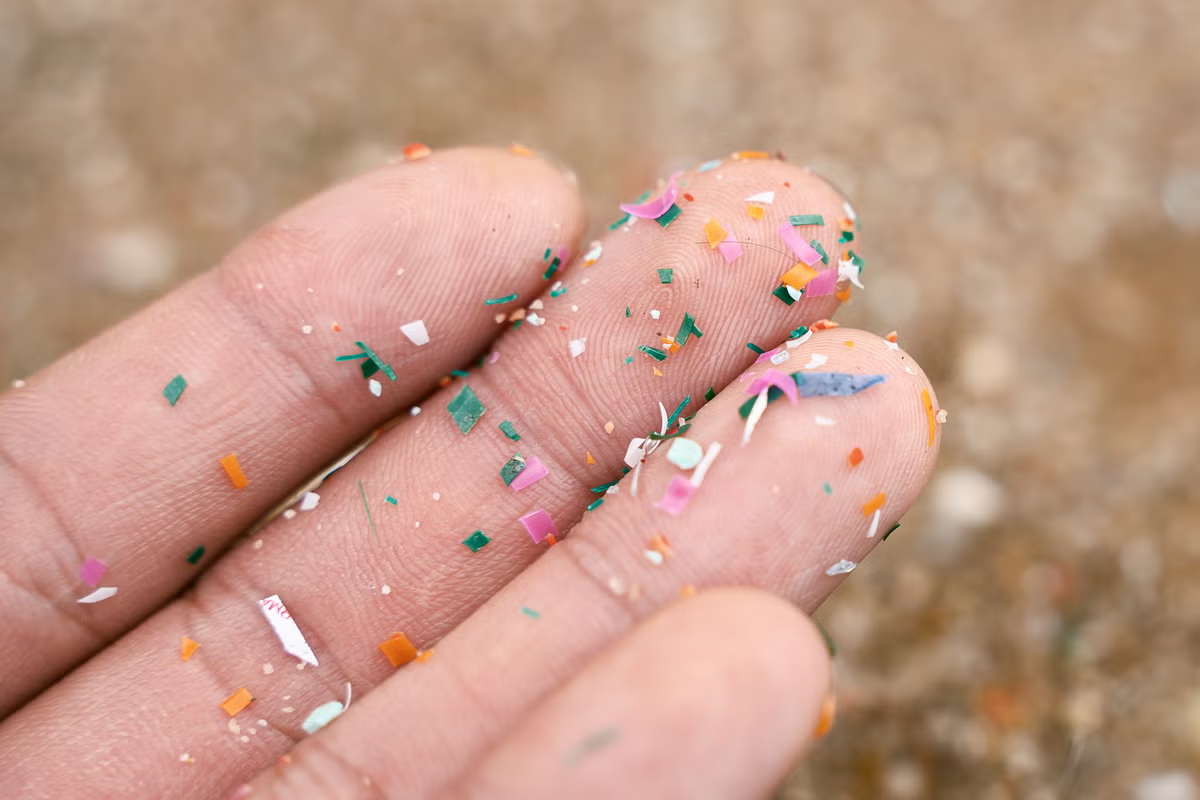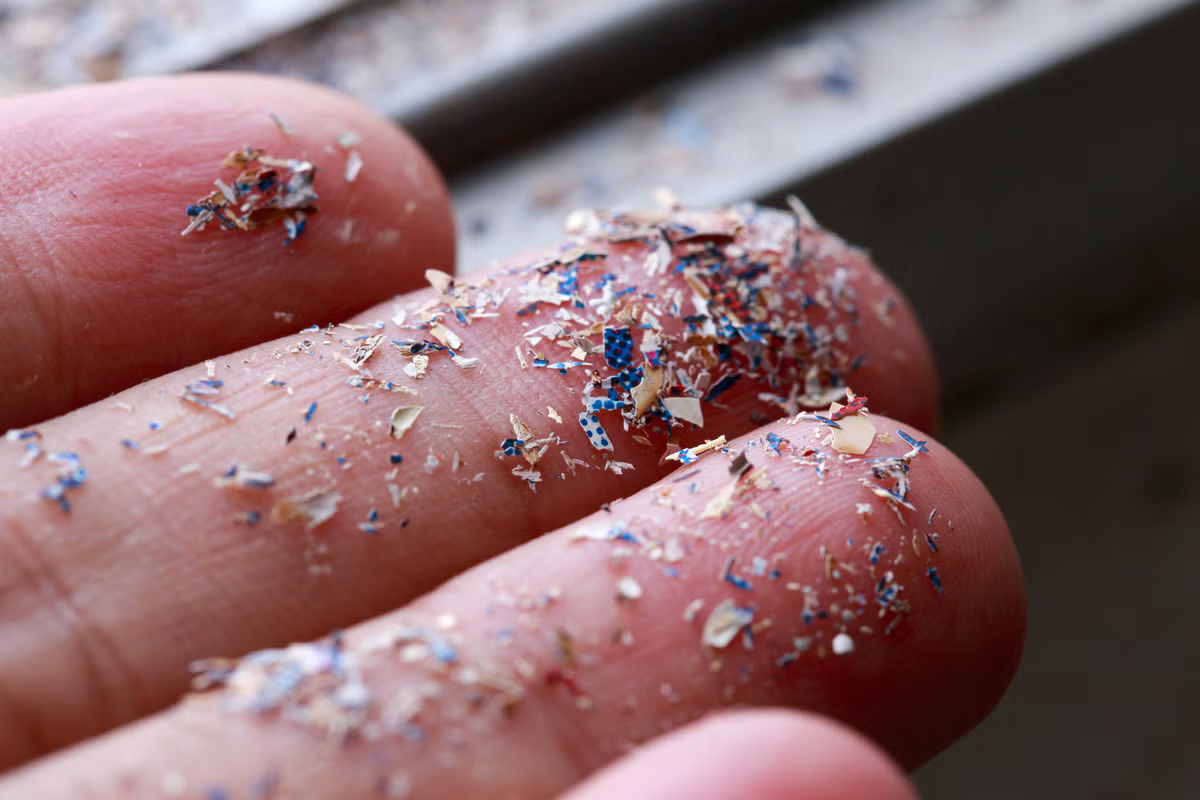
Stay up to date with notifications from The IndependentNotifications can be managed in browser preferences.Jump to contentThank you for registeringPlease refresh the page or navigate to another page on the site to be automatically logged inPlease refresh your browser to be logged inAllNewsSportCultureLifestyleNew research suggests hot drinks may be a more significant source of microplastics than previously realised. A University of Birmingham study found the highest concentrations of microplastics in hot tea and hot coffee among 155 common drinks tested. The research indicates that high temperatures and preparation processes for hot beverages contribute to increased microplastic levels. Hot tea in disposable cups contained the most microplastics, averaging 22 particles per cup, with more expensive teabags also leaching substantial amounts. The findings suggest that assessing microplastic exposure solely through drinking water may underestimate the overall risk, calling for more comprehensive dietary studies. In fullThe worst drinks for microplastic contamination revealedThank you for registeringPlease refresh the page or navigate to another page on the site to be automatically logged inPlease refresh your browser to be logged in
Scientists make microplastic discovery in hot drinks
Stay up to date with notifications from The IndependentNotifications can be managed in browser preferences.Jump to contentThank you for registeringPlease refresh the page or navigate to another page on the site to be automatically logged inPlease refresh your browser to be logged inAllNewsSportCultureLifestyleNew research suggests hot drinks may be a more significant source of microplastics than previously realised. A University of Birmingham study found the highest concentrations of microplastics in hot tea and hot coffee among 155 common drinks tested. The research indicates that high temperatures and preparation processes for hot beverages contribute to increased microplastic levels. Hot tea in disposable cups contained the most microplastics, averaging 22 particles per cup, with more expensive teabags also leaching substantial amounts. The findings suggest that assessing microplastic exposure solely through drinking water may underestimate the overall risk, calling for more comprehensive dietary studies. In fullThe worst drinks for microplastic contamination revealedThank you for registeringPlease refresh the page or navigate to another page on the site to be automatically logged inPlease refresh your browser to be logged in