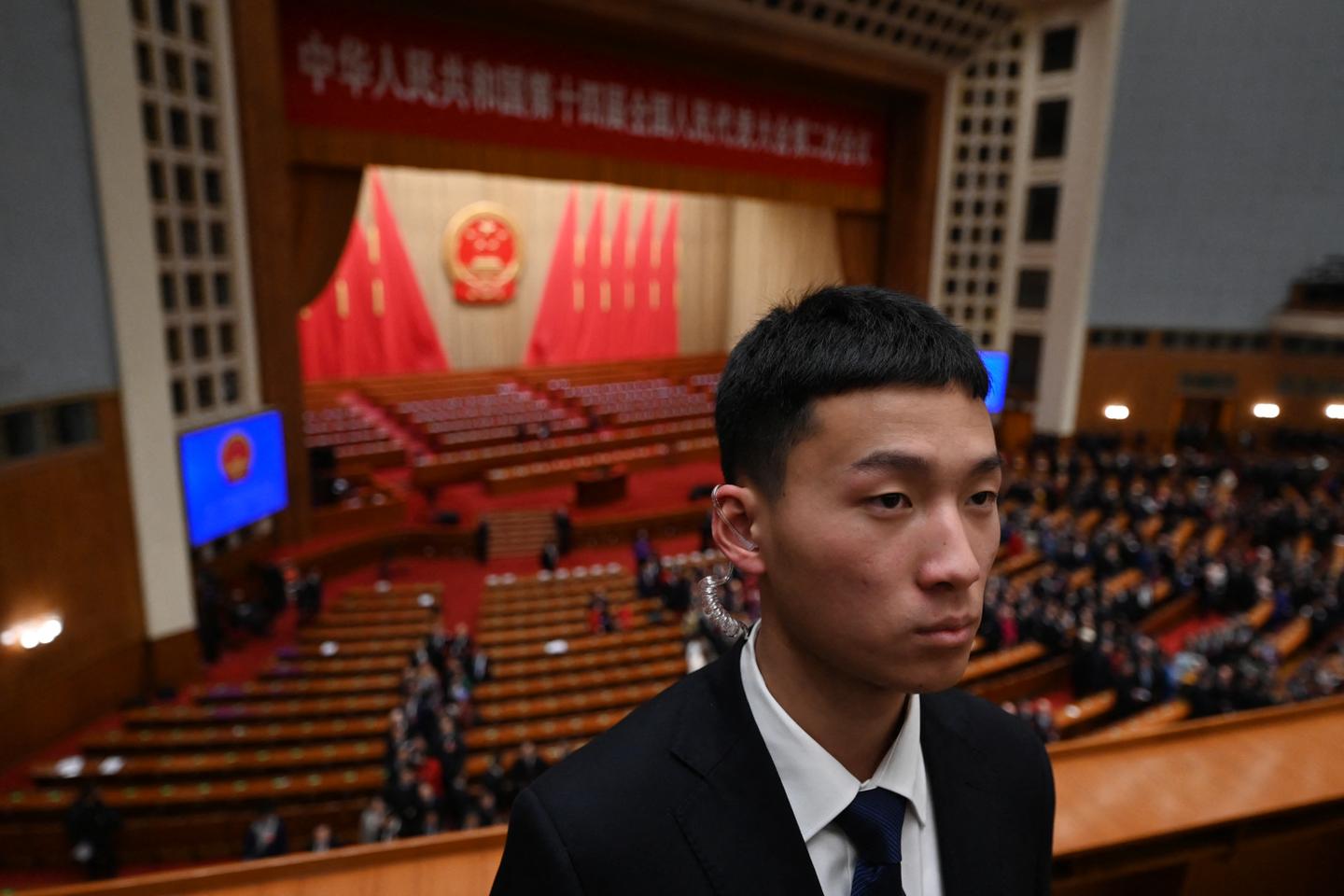
Updated regulations ban the country’s 40 million civil servants from lavish banquets, and restrict them from overseas travel for ‘personal leisure’
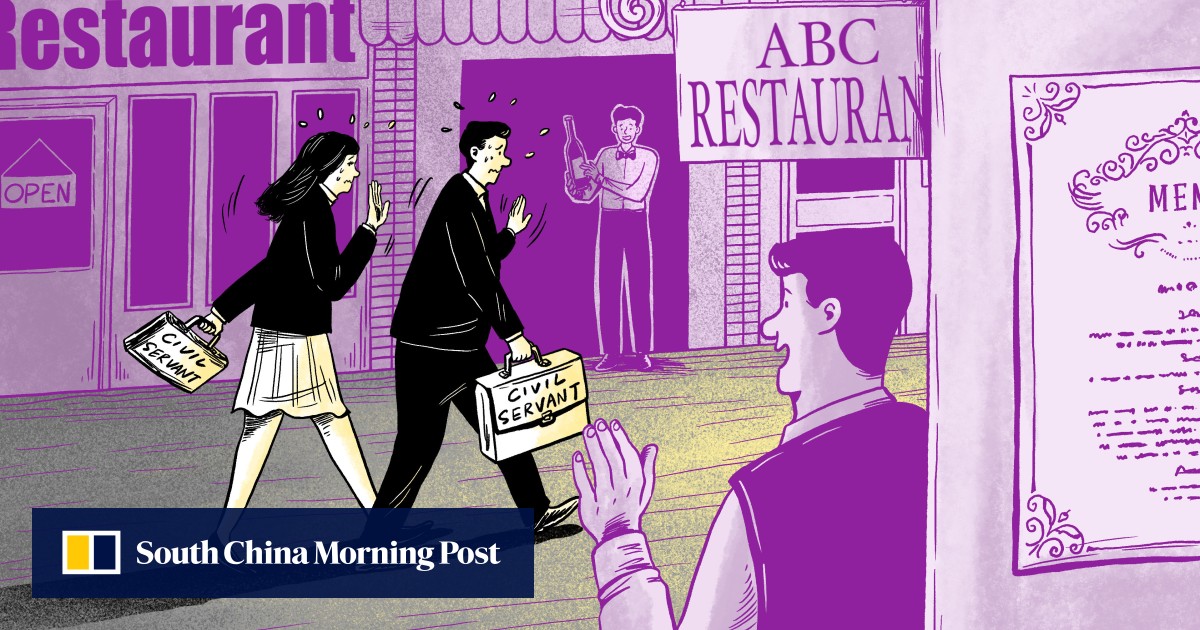
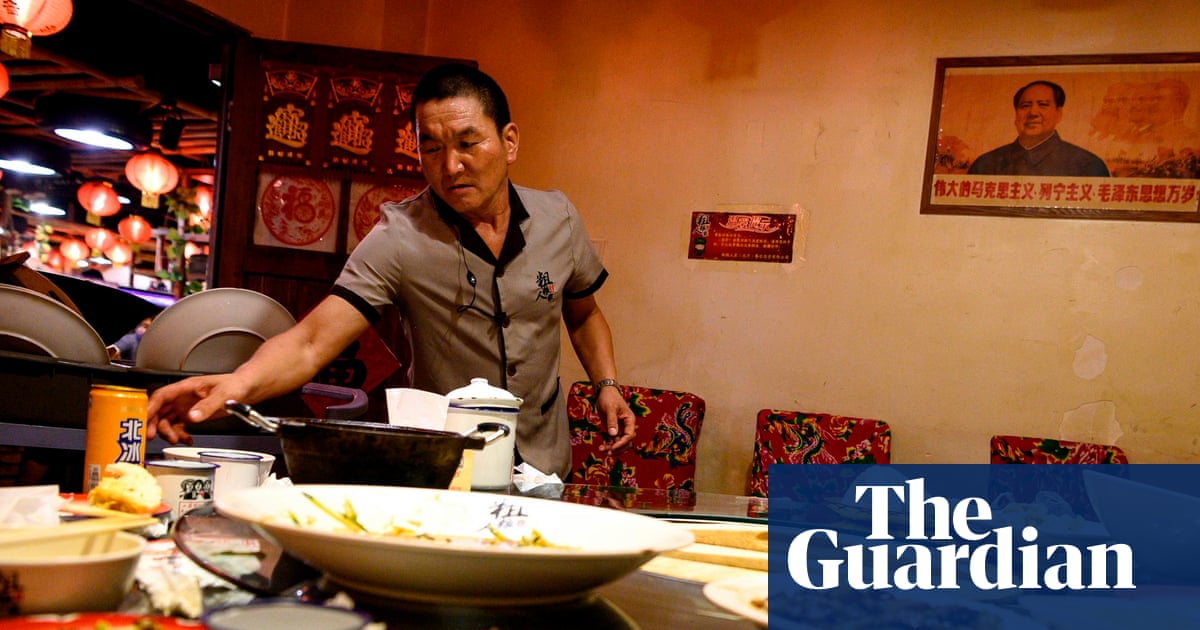
Adjacent to a municipal government building in Beijing, a normally bustling restaurant is now eerily quiet, at lunchtime most of its seats are empty.
The recent crackdown on civil servants frequenting restaurants – part of a government austerity drive intended to crack down on corruption – has likely affected business and caused liquor sales to plummet, admits one waitress who works in the opulent establishment.
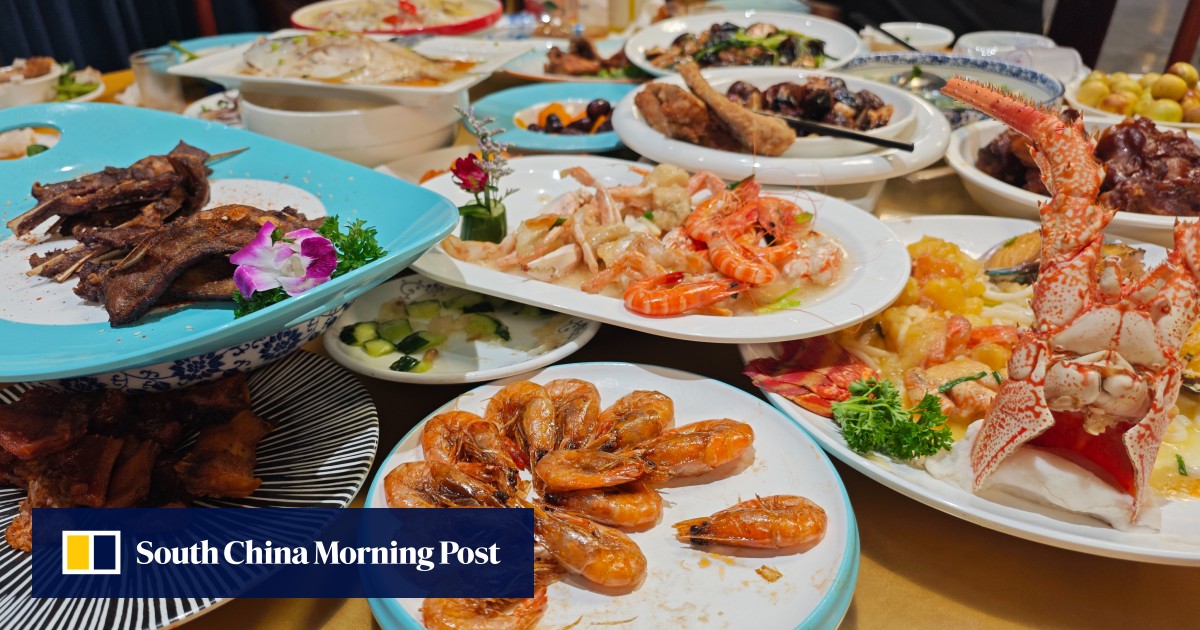
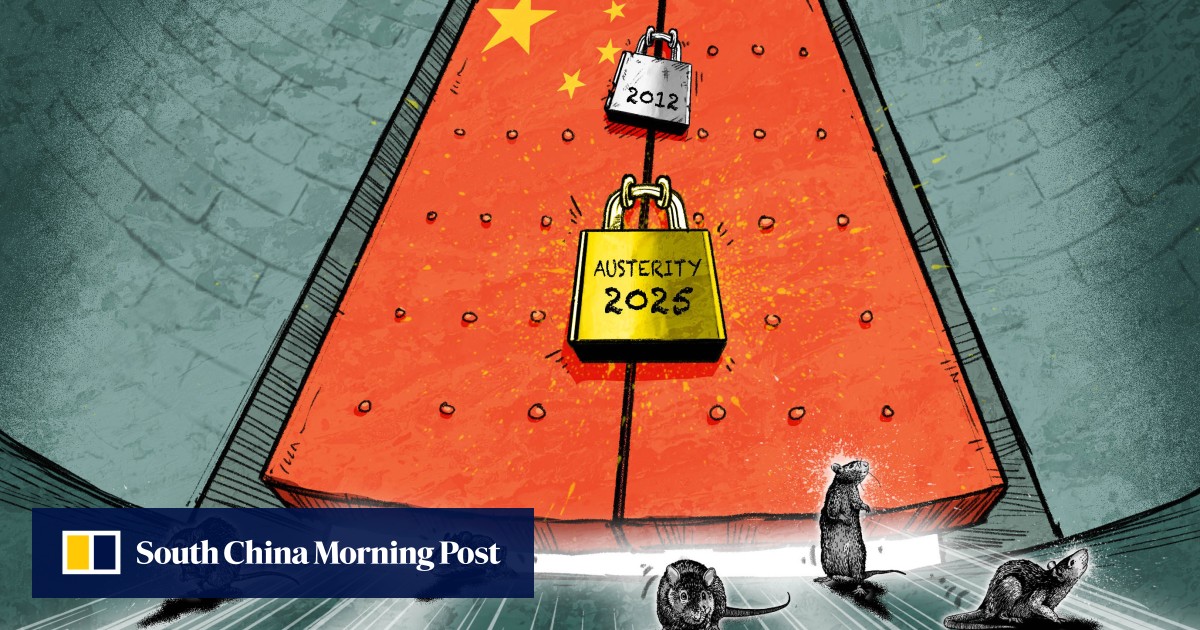
In May, China released updated regulations aimed at Communist party members and civil servants, banning them from lavish banquets and other visible trappings of extravagance. But with more than 40 million people employed in the public sector, some analysts predict the new rules will probably hamper economic growth.
The policy is “undermining the impact of other policies aimed at boosting domestic spending,” said Guo Shan, an economist at Hutong Research, an independent advisory firm based in Beijing and Shanghai. Guo predicts the drive could cause China’s retail sales growth to slow by around one percentage point in the second half of the year.