https://arab.news/rxm3q
Most countries and institutions have a checkered past that they often find difficult to deal with, first by admitting it and then apologizing, followed by learning the necessary lessons and eventually compensating those affected by their misdeeds, even generations later.
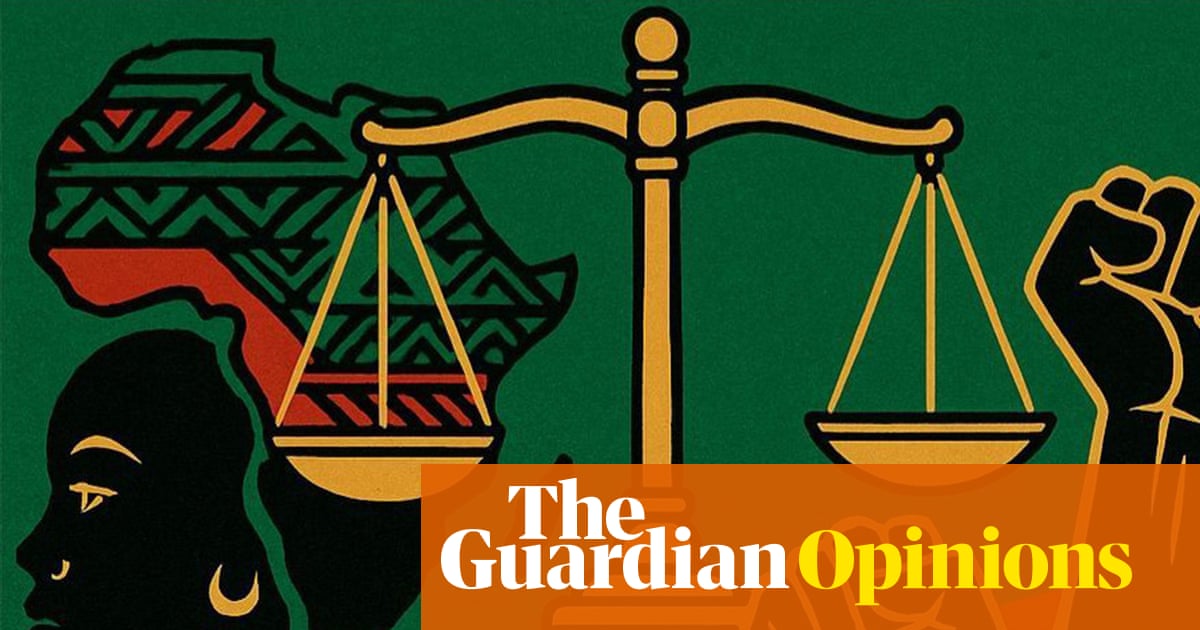
In the UK, the country is still haunted by the legacy of its involvement in the slave trade, including how it profited from it and how this still affects the descendants of slaves and their countries of origin, with many instances where even today individuals and institutions are still benefiting.
Back in 2007, Prime Minister Tony Blair, in a very welcome move, was the first British leader to express his “deep sorrow” for his country’s role in the slave trade. After the slave trade was abolished within the British Empire, it took 200 years for this sentiment to be expressed. But Blair was also criticized by Black rights and other organizations for not going further and issuing a formal apology. One is still yet to be made.
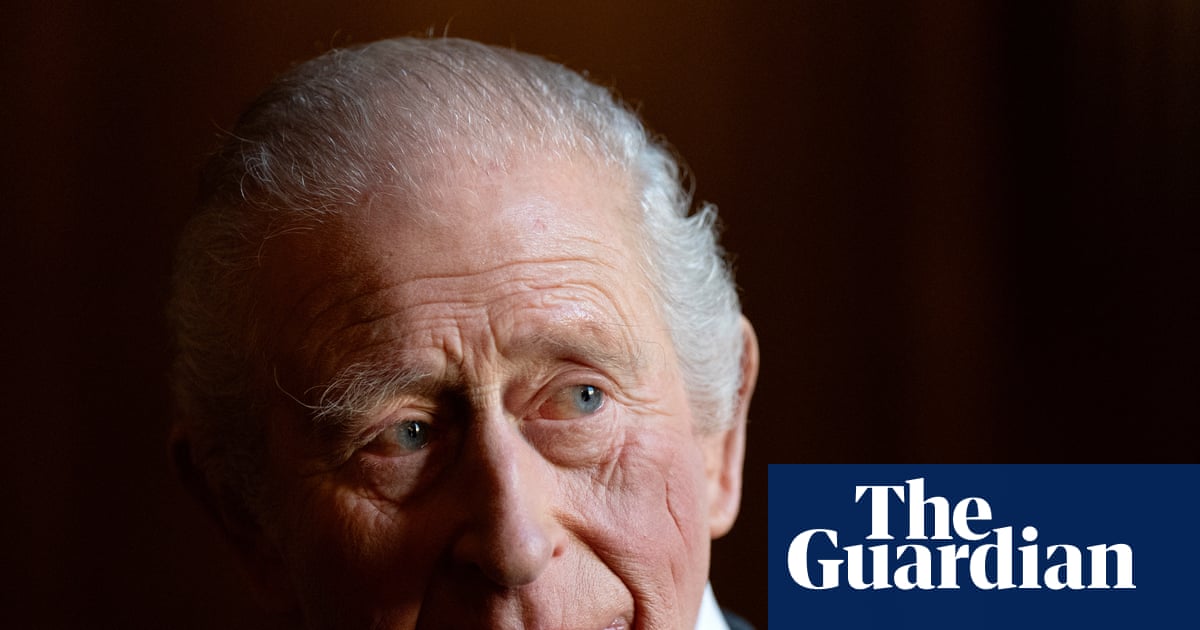
More recently, King Charles, during a visit to Kenya, repeated his “greatest sorrow and regret” at the “wrongdoings” of the colonial era, but stopped short of an apology. Ultimately, during the transatlantic slave trade, Britain transported and enslaved an estimated 3 million people from Africa. But the abolition of this trade was not the end of slavery, as the ownership of human beings was still permitted — only the trade from Africa to Britain’s colonies was abolished, which, although an important step toward the eventual liberation of all those who had been enslaved, saw no apology issued.