There’s a downward trend in violence in Washington DC in line with those in other cities – but that may not matter
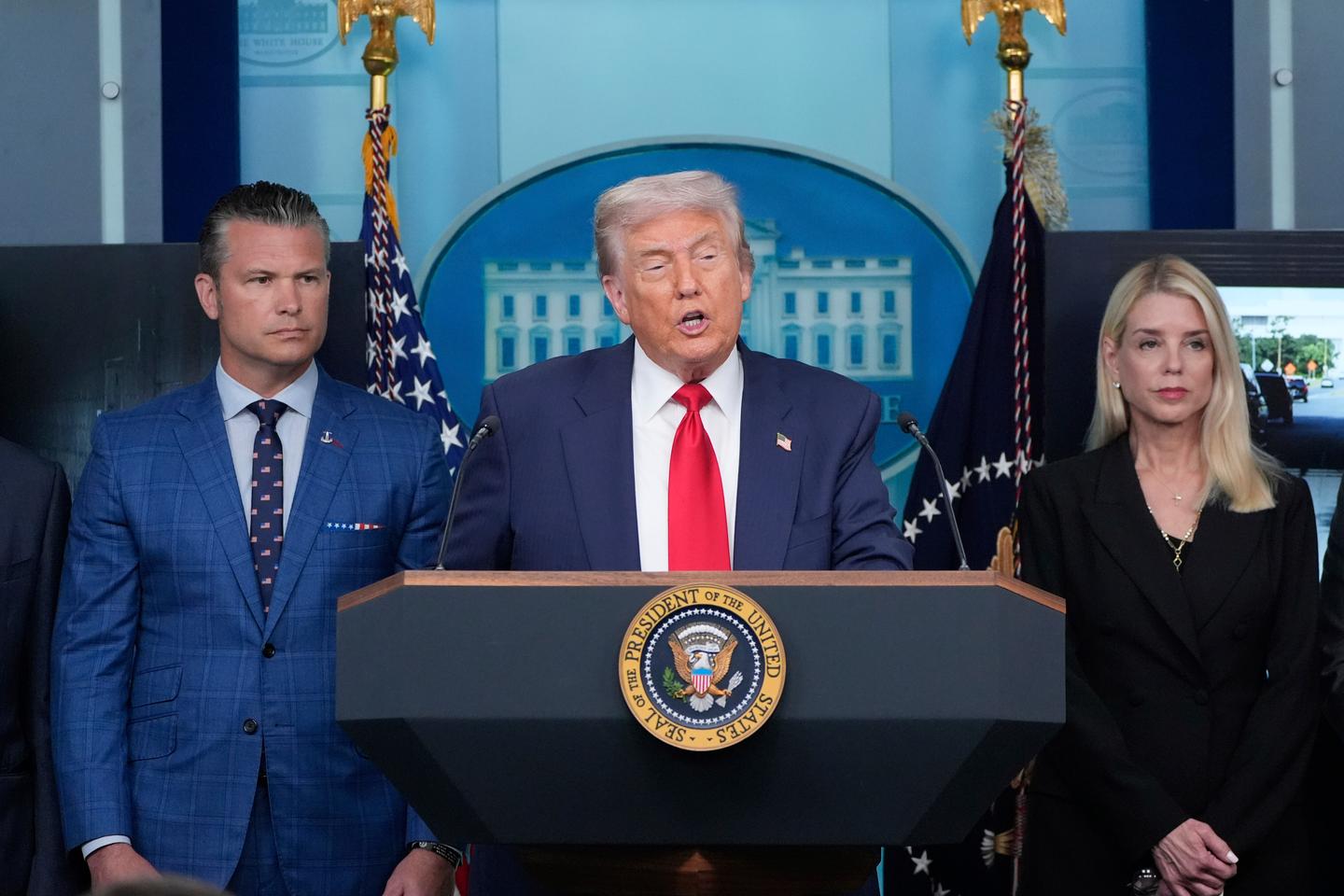
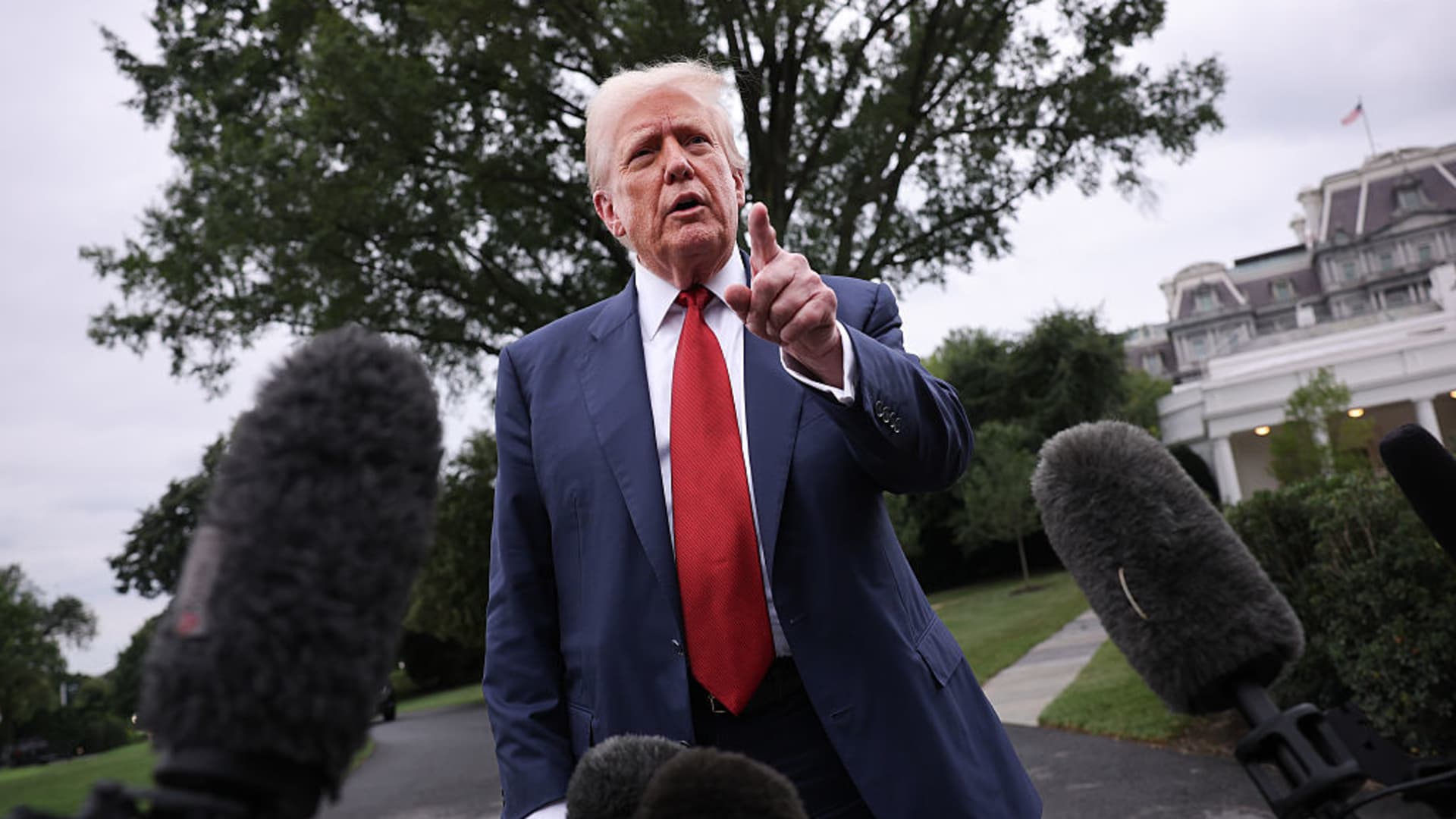
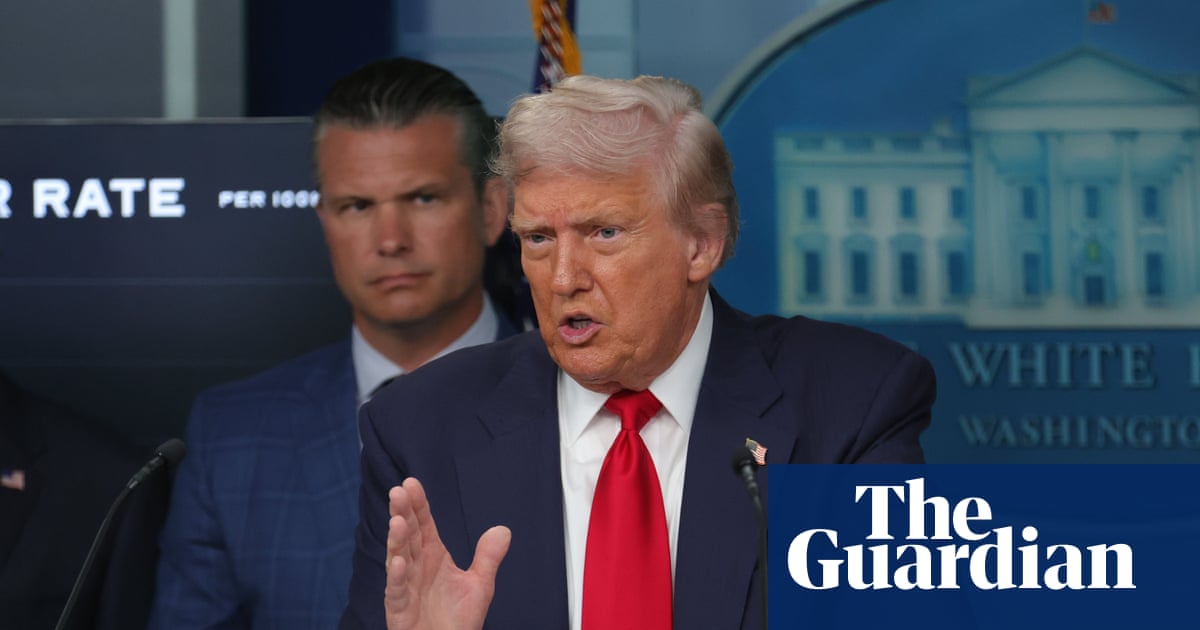
“They fought back against law enforcement last night, and they’re not going to be fighting back long,” Donald Trump said of young people on a “rampage through city streets” at his press conference this morning. “See, they fight back until you knock the hell out of them, because it’s the only language they understand.”
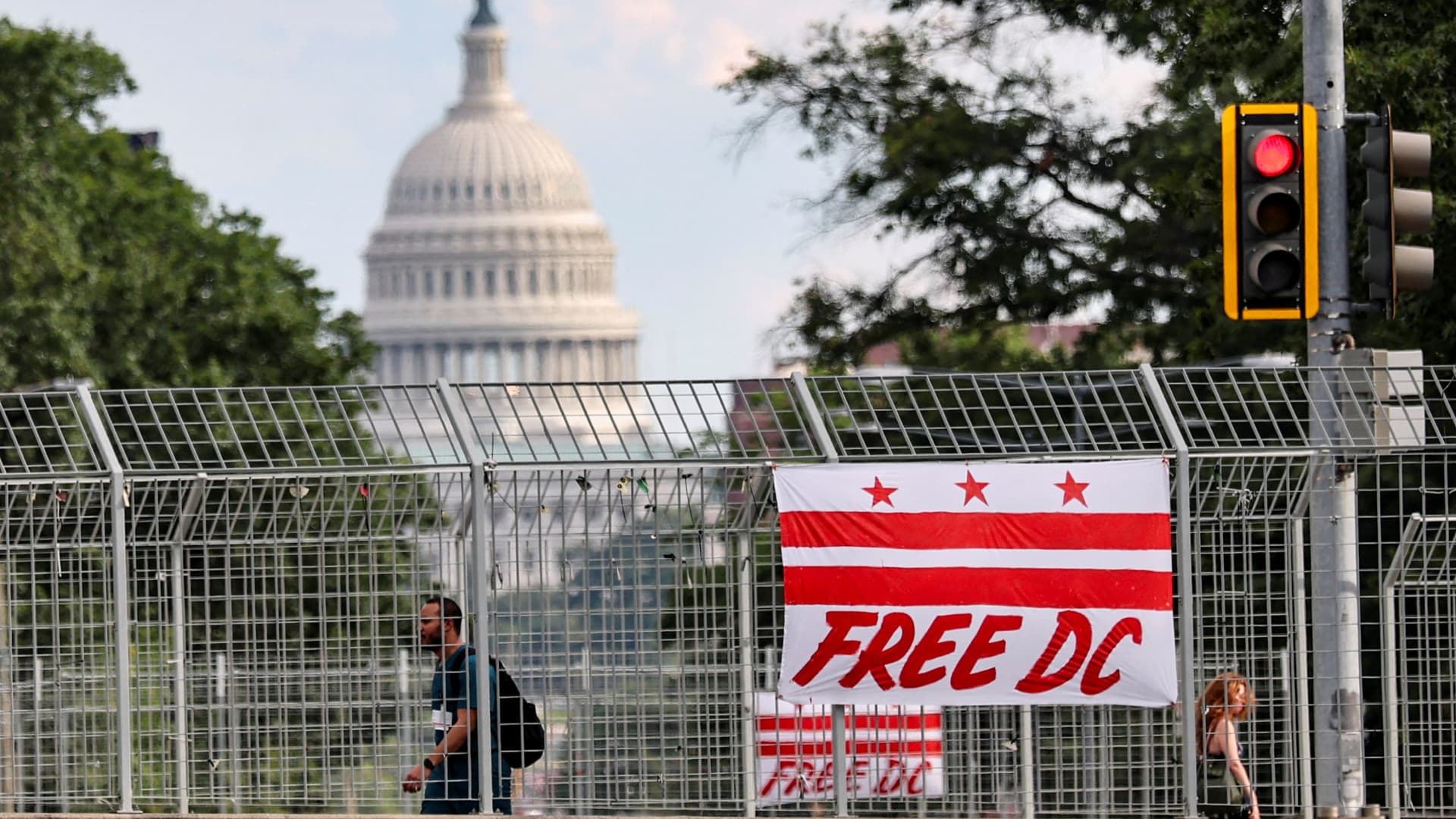
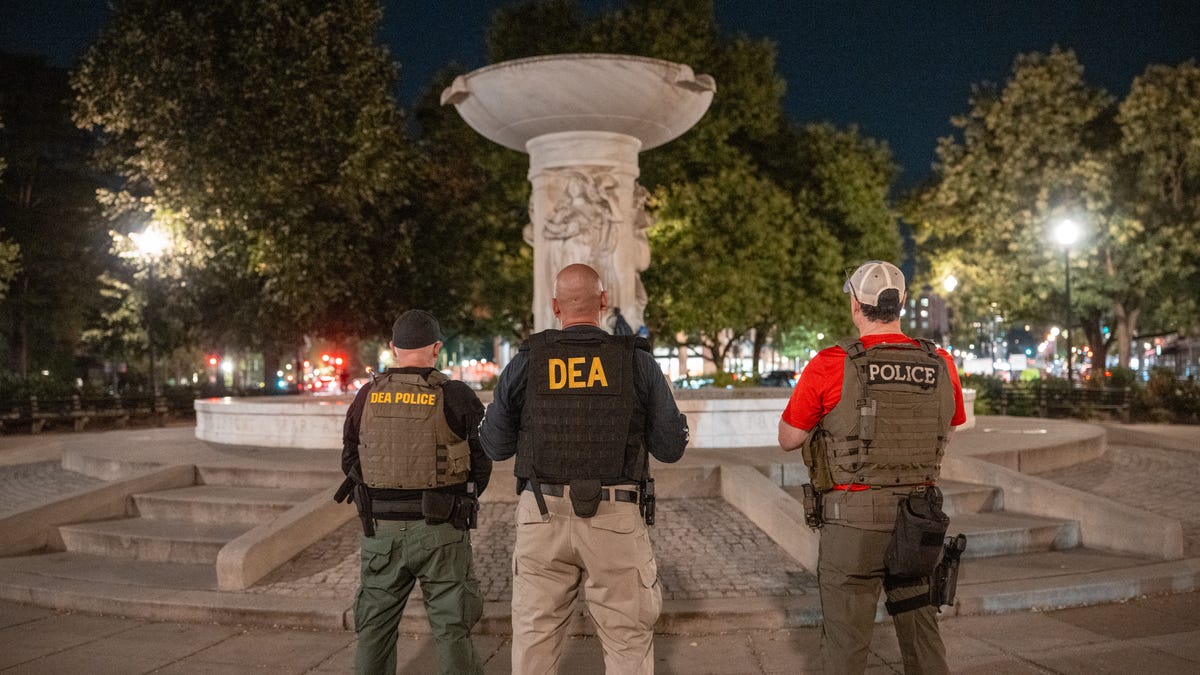
Lay this comment against a series of executive orders about law enforcement and civil rights that the president has issued over the last seven months, and one consequence of the federalization of police in Washington DC becomes evident: Trump will ignore measured effectiveness in reducing crime for the political value of a show of force.
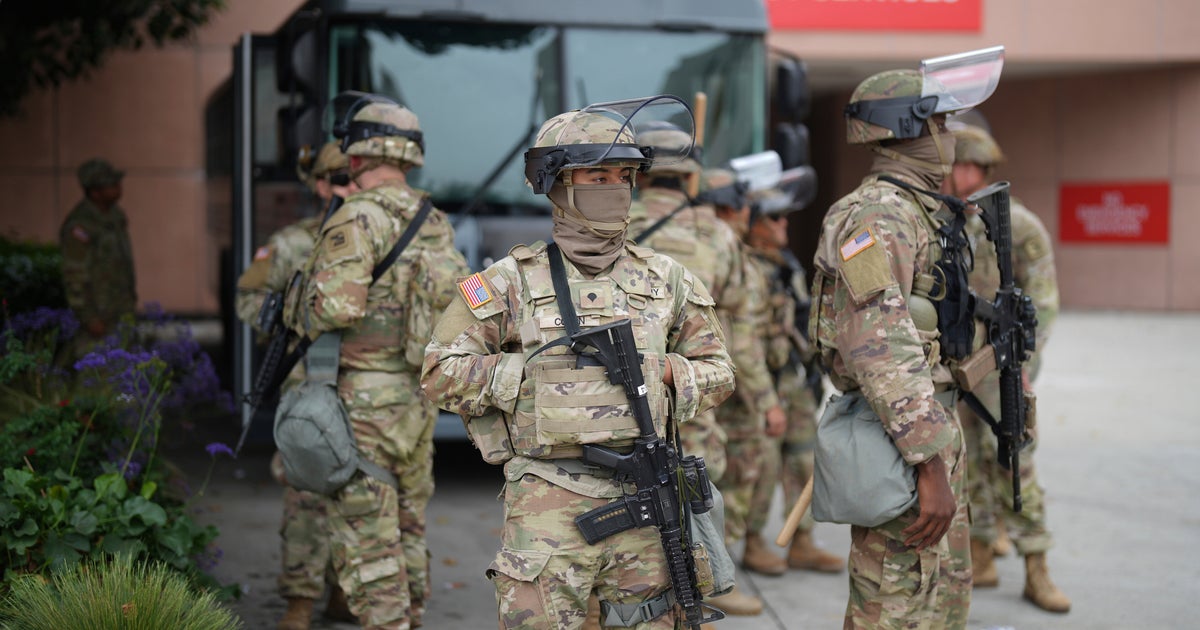
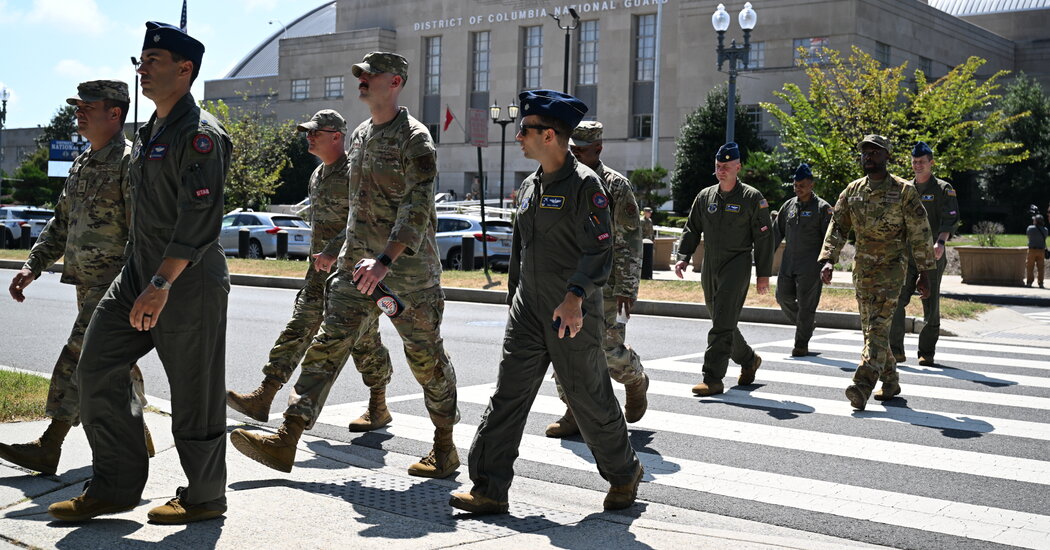
“There is no public safety emergency warranting the deployment of the national guard on DC streets or the federalization of the city’s police force,” said Ryan Downer, legal director of the Washington Lawyers Committee for Civil Rights and Urban Affairs, a Washington DC-based civil rights group that has litigated police brutality cases.
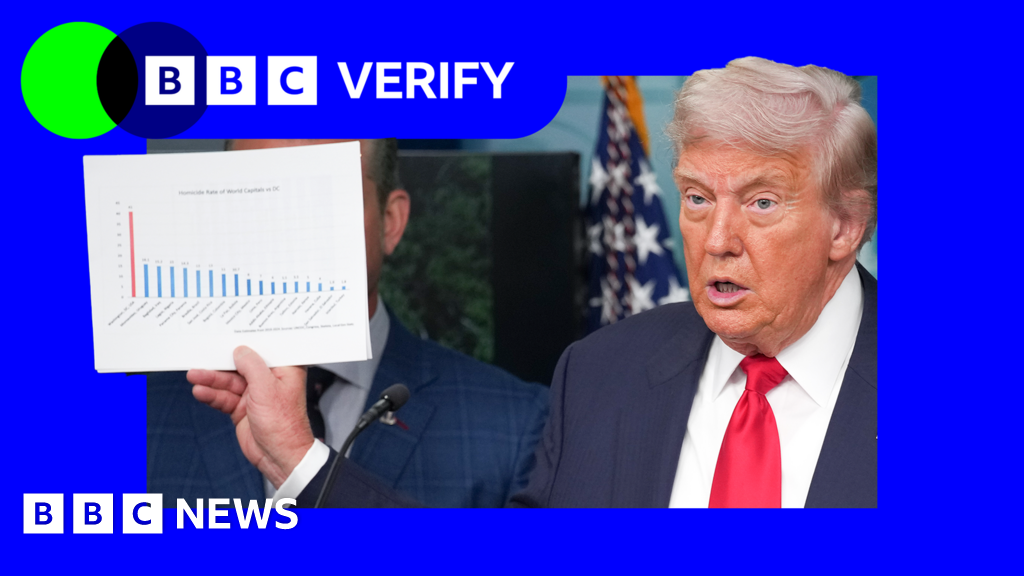
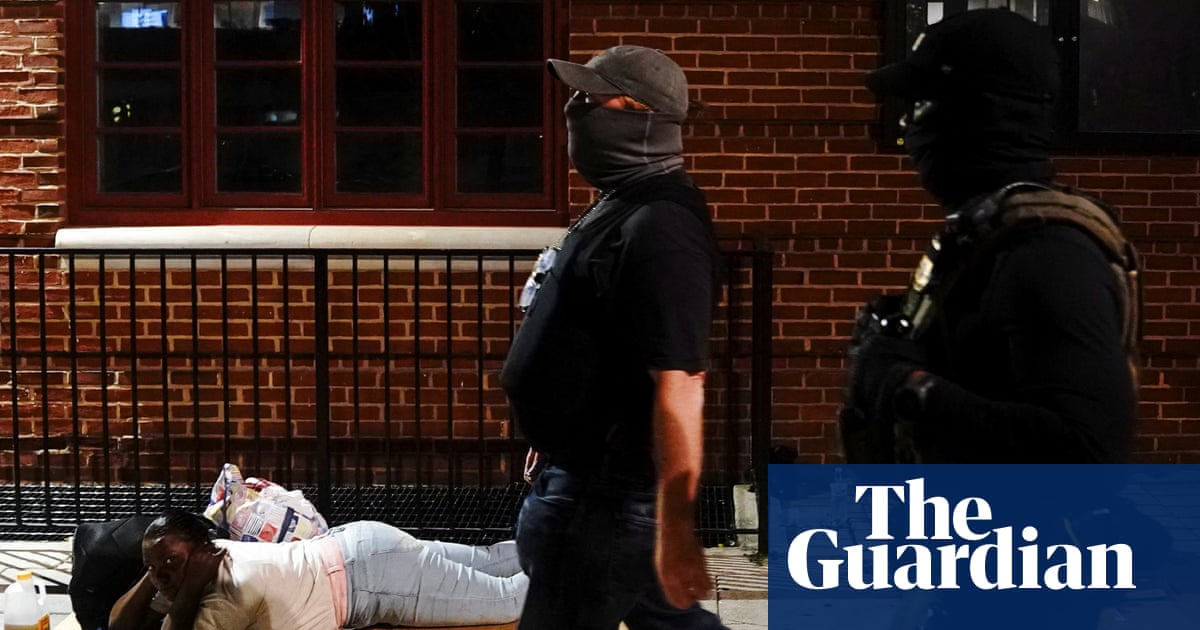
Noting a sharp decrease in violent crime – reaching a 30-year low this year – Downer said that federalizing control of the district “is an invitation for abuse. When you try to solve a problem of criminal behavior with overpolicing and harsher penalties … you see increases in police violence and police harassment. It’s a call at the highest levels for police lawlessness.”