T
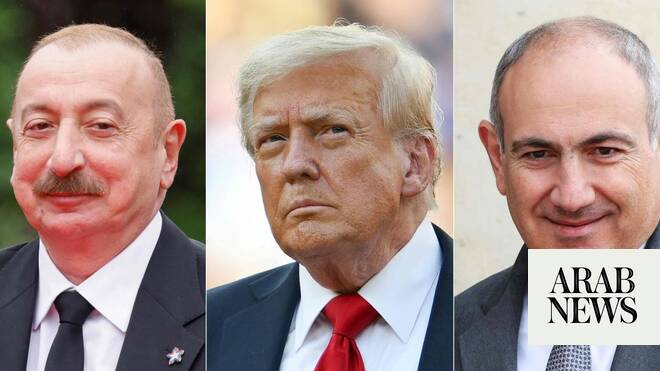
hat makes three! On Friday, August 8, Azerbaijani President Ilham Aliyev became the third head of state or government to come to the White House and call for the Nobel Peace Prize to be awarded to the American president, following Israeli Prime Minister Benjamin Netanyahu and Congolese President Félix Tshisekedi. Cambodian Prime Minister Hun Manet also endorsed Donald Trump for the prize from afar through a letter to the Nobel Committee in Oslo.
Is President Trump truly the "peacemaker" he claims to be, boasting of resolving half a dozen conflicts around the world in just seven months? That is for the Nobel Committee to decide. In the Indo-Pakistani conflict, New Delhi denied any American mediation, and fighting resumed in eastern Democratic Republic of the Congo despite the peace agreement signed in June in Washington by Tshisekedi and Rwandan President Paul Kagame.
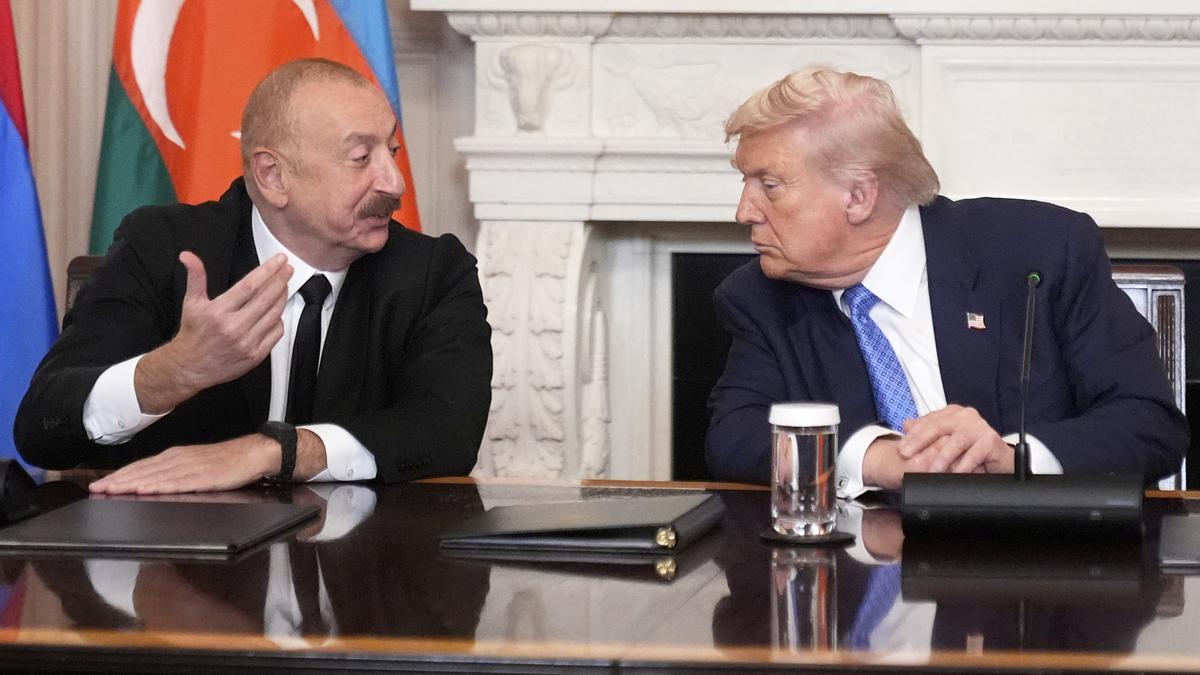
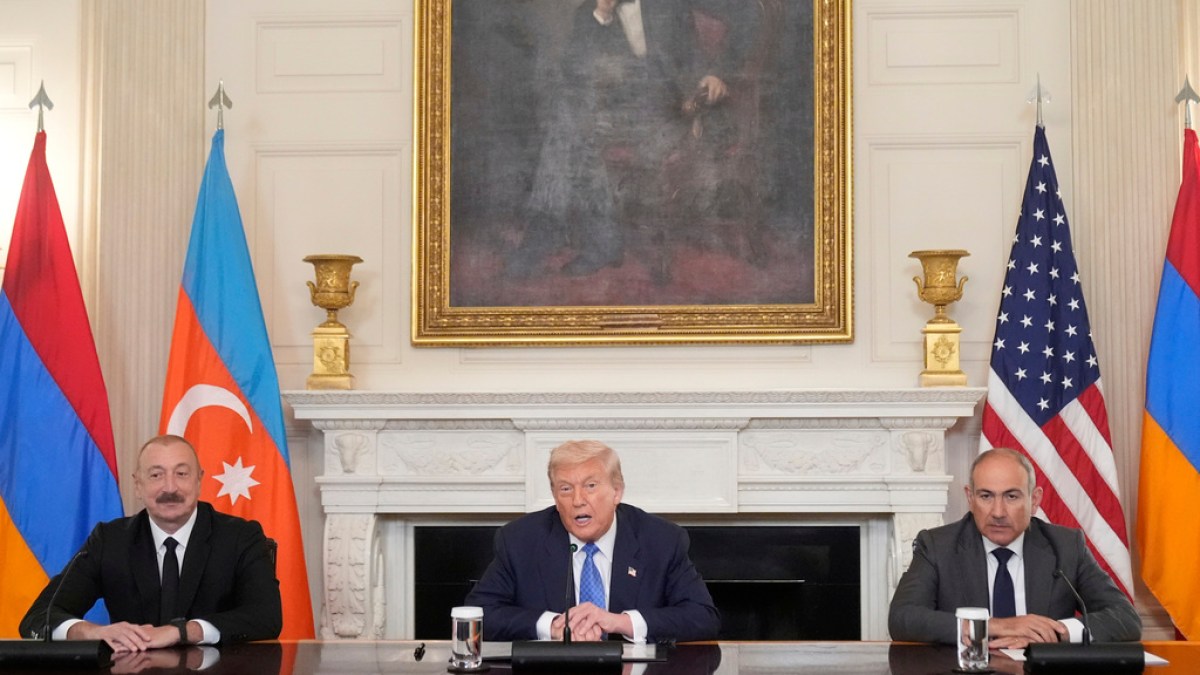
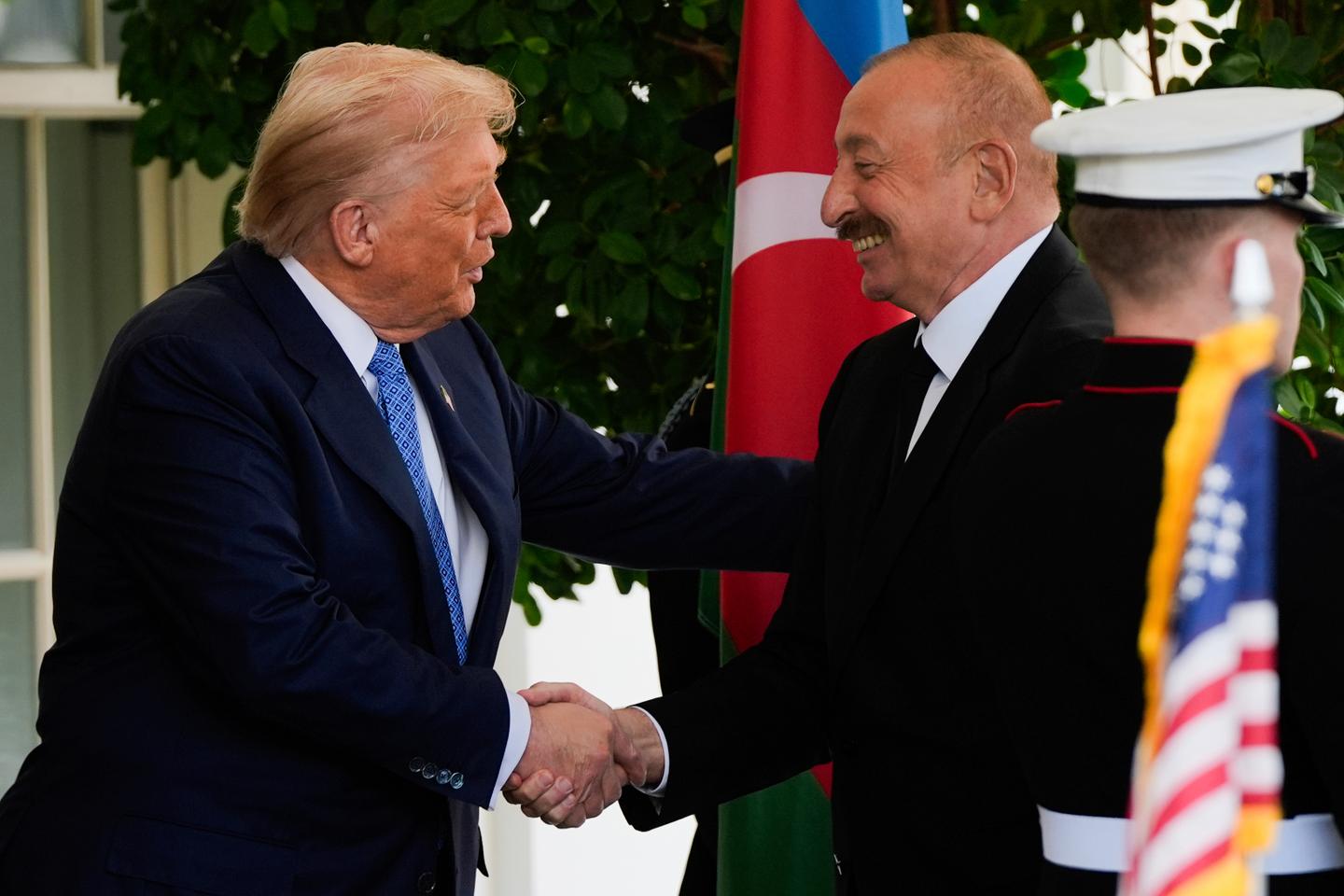
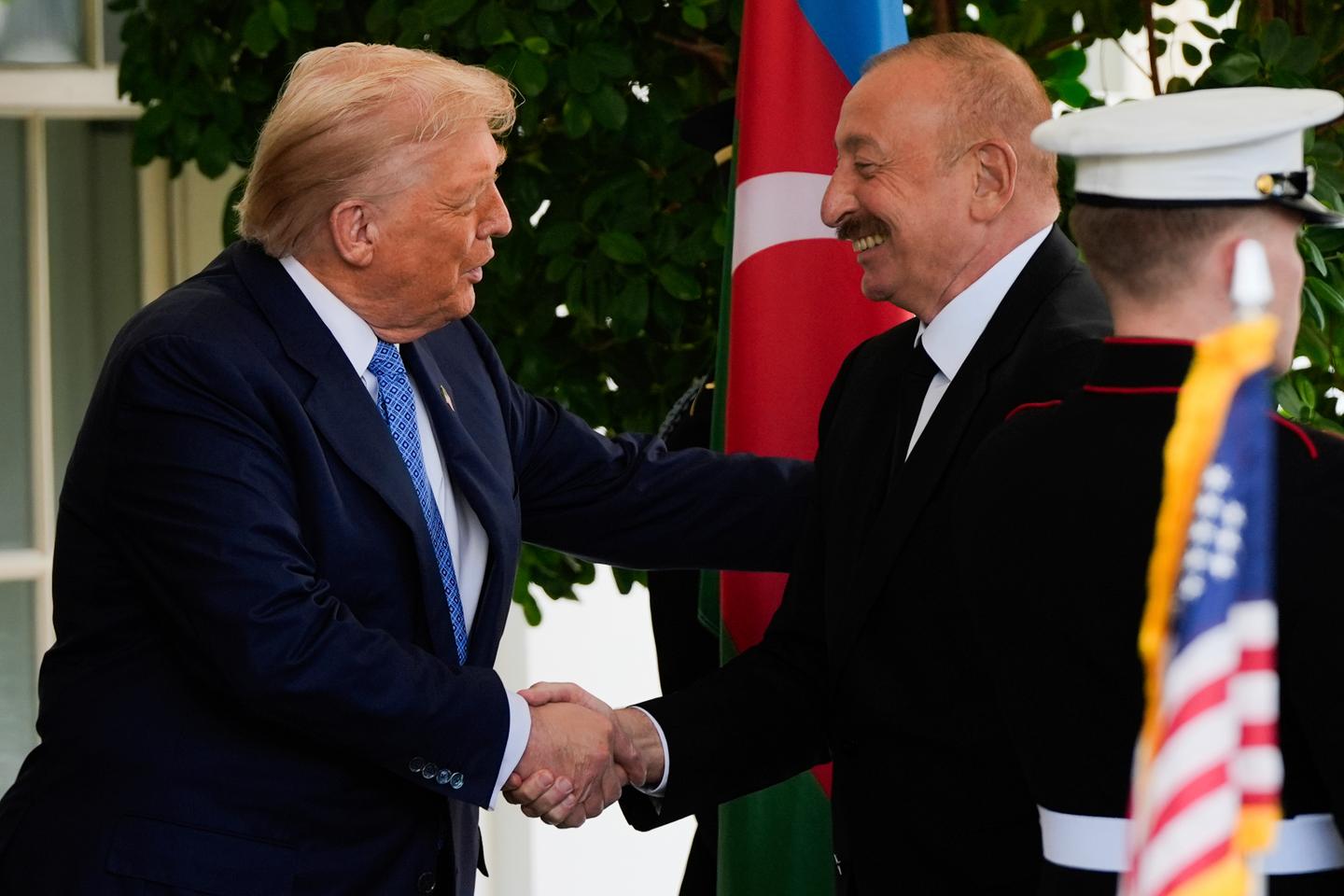
Donald Trump and Ilham Aliyev, the Azerbaijani president, at the White House in Washington, August 8, 2025. JULIA DEMAREE NIKHINSON/AP
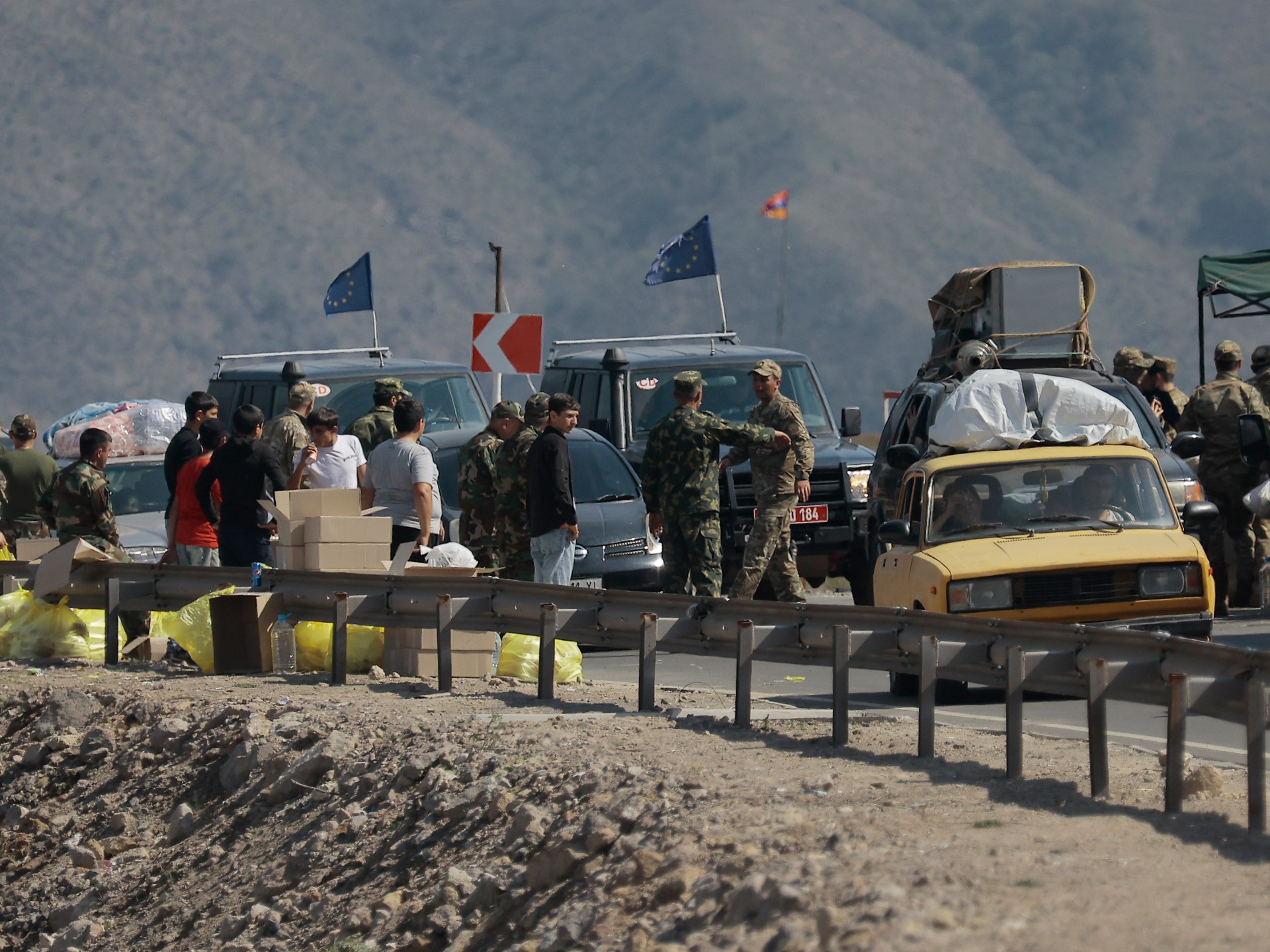
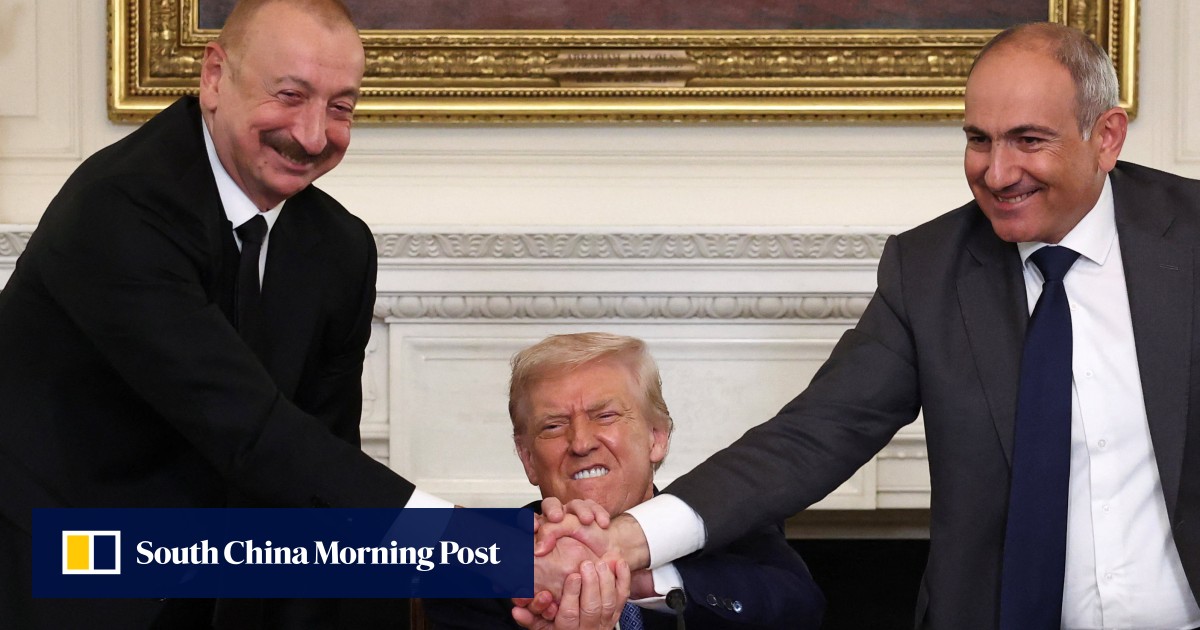
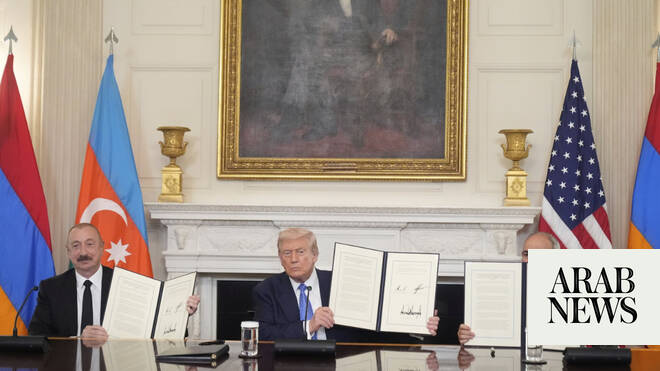
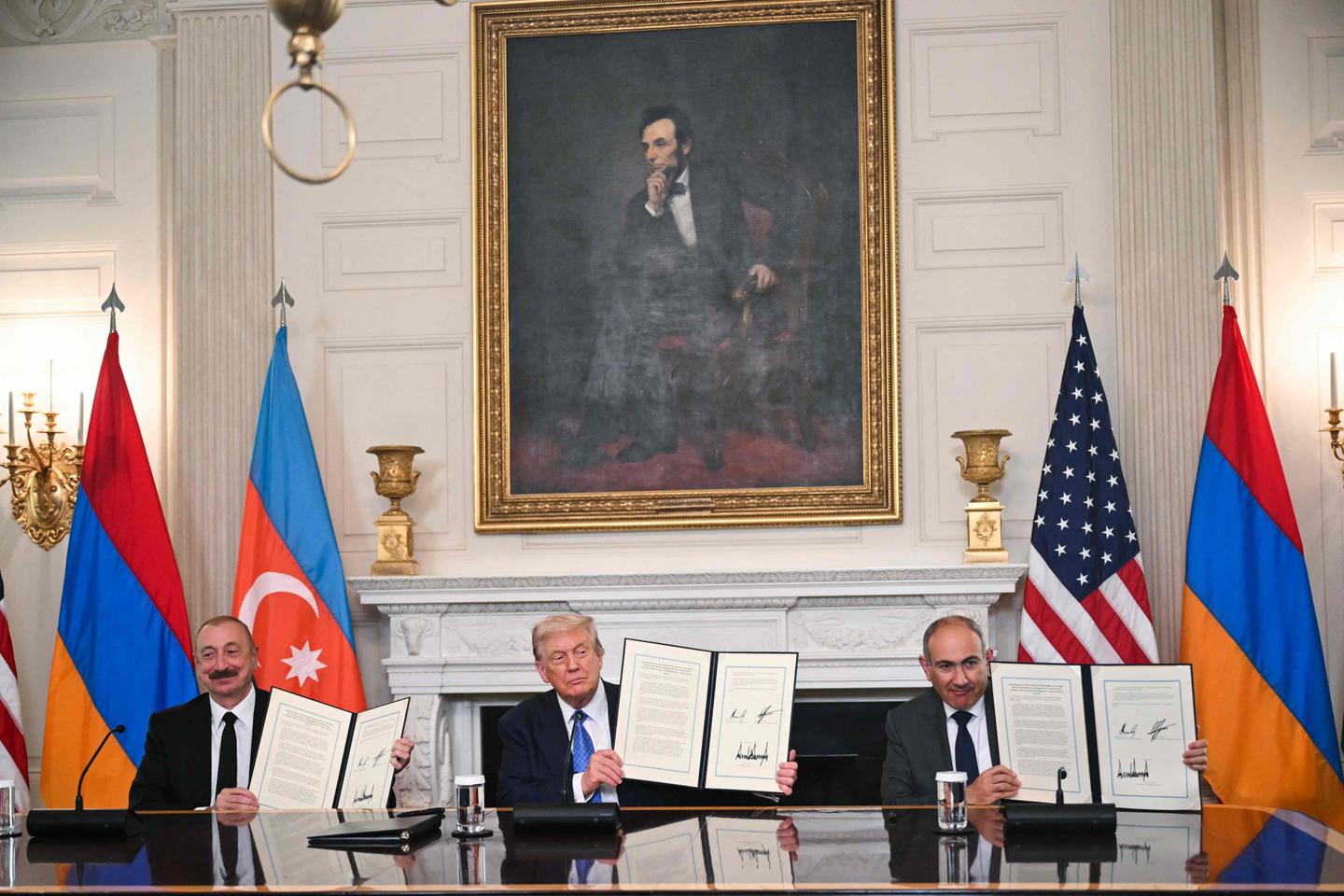
The August 8 draft agreement between President Aliyev and Armenian Prime Minister Nikol Pashinyan, reached alongside Trump, looks different. At first glance, it is a striking diplomatic success in a conflict that has pitted two countries in the South Caucasus against each other for 35 years and has already led to two wars. Multiple mediation attempts – led by Moscow, Brussels and the Organization for Security and Co-operation in Europe – failed. The dispute appeared unsolvable in this notoriously complex post-Soviet region. Enter Trump and his envoy, former real estate magnate Steve Witkoff, and suddenly a breakthrough was achieved.