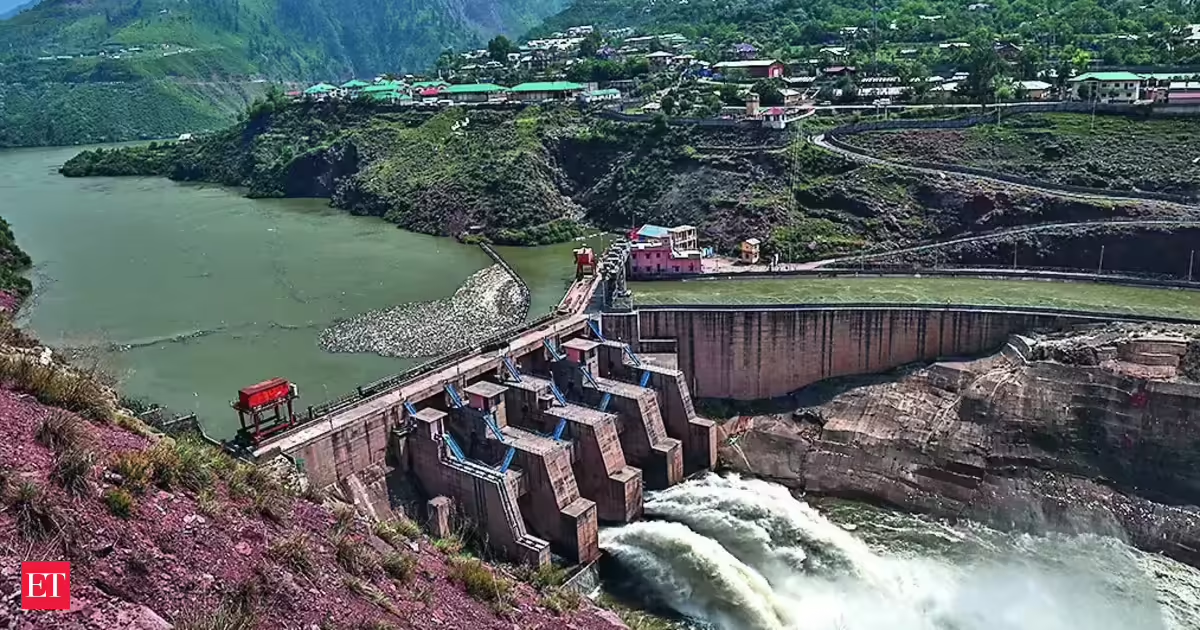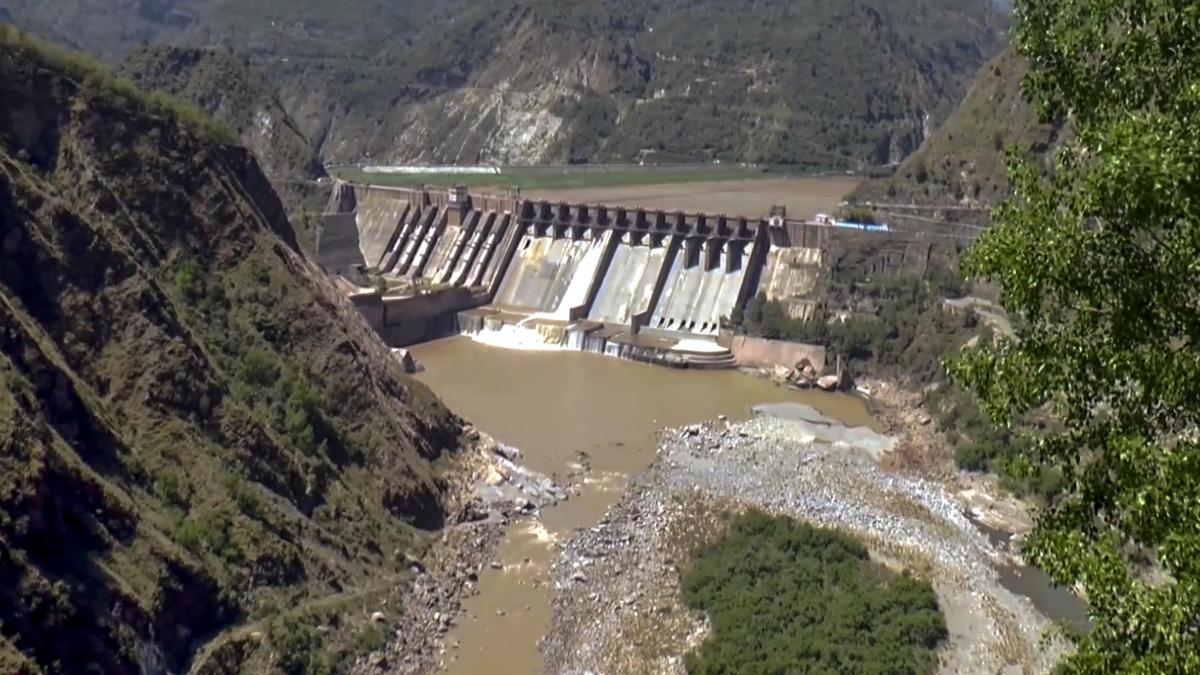
ISLAMABAD: Pakistan on Monday said the latest award on the Indus Waters Treaty (IWT), rendered by Court of Arbitration, is in line with Pakistan’s interpretation of the relevant provisions of the treaty, which India has threatened to put in abeyance.
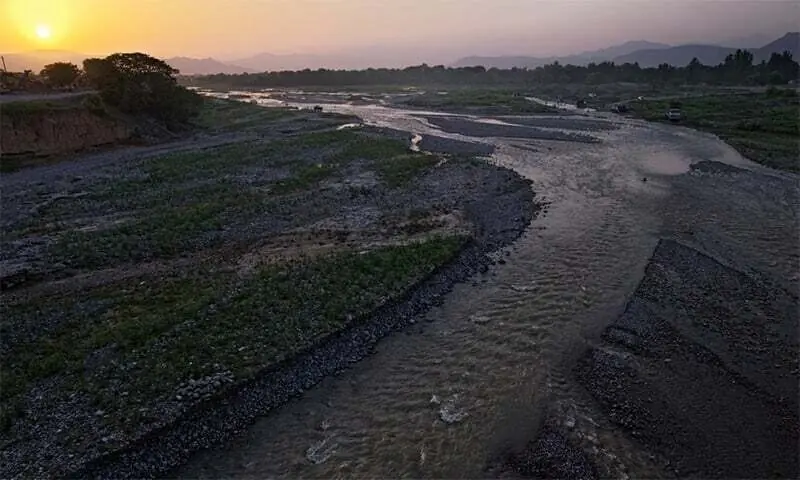
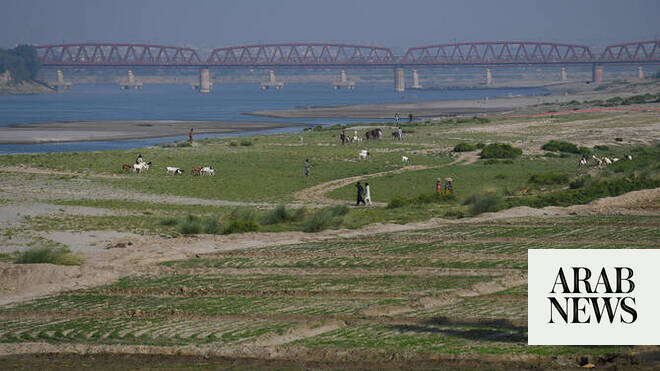
India announced in April it was putting the 1960 World Bank-mediated treaty, which ensures water for 80 percent of Pakistani farms, in abeyance a day after an attack in Indian-administered Kashmir that New Delhi blamed on Pakistan, an allegation Islamabad denies. Pakistan has previously said the treaty has no provision for one side to unilaterally pull back and that any blocking of river water flowing to Pakistan will be considered “an act of war.”
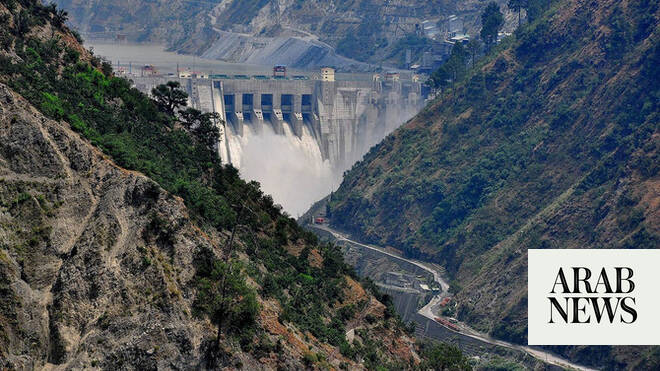
The IWT grants Pakistan rights to the Indus basin’s western rivers — Indus, Jhelum, and Chenab — for irrigation, drinking, and non-consumptive uses like hydropower, while India controls the eastern rivers — Ravi, Beas, and Sutlej — for unrestricted use but must not significantly alter their flow. India can use the western rivers for limited purposes such as power generation and irrigation, without storing or diverting large volumes, according to the agreement.
In a statement issued on Monday, Pakistan’s foreign office said it welcomed the award rendered by the Court of Arbitration on Aug. 8 on issues of general interpretation of the IWT, explaining the designed criteria for the new run-of-river hydropower projects to be constructed by India on the western rivers of Chenab, Jhelum and Indus. New Delhi has not yet commented on the development.