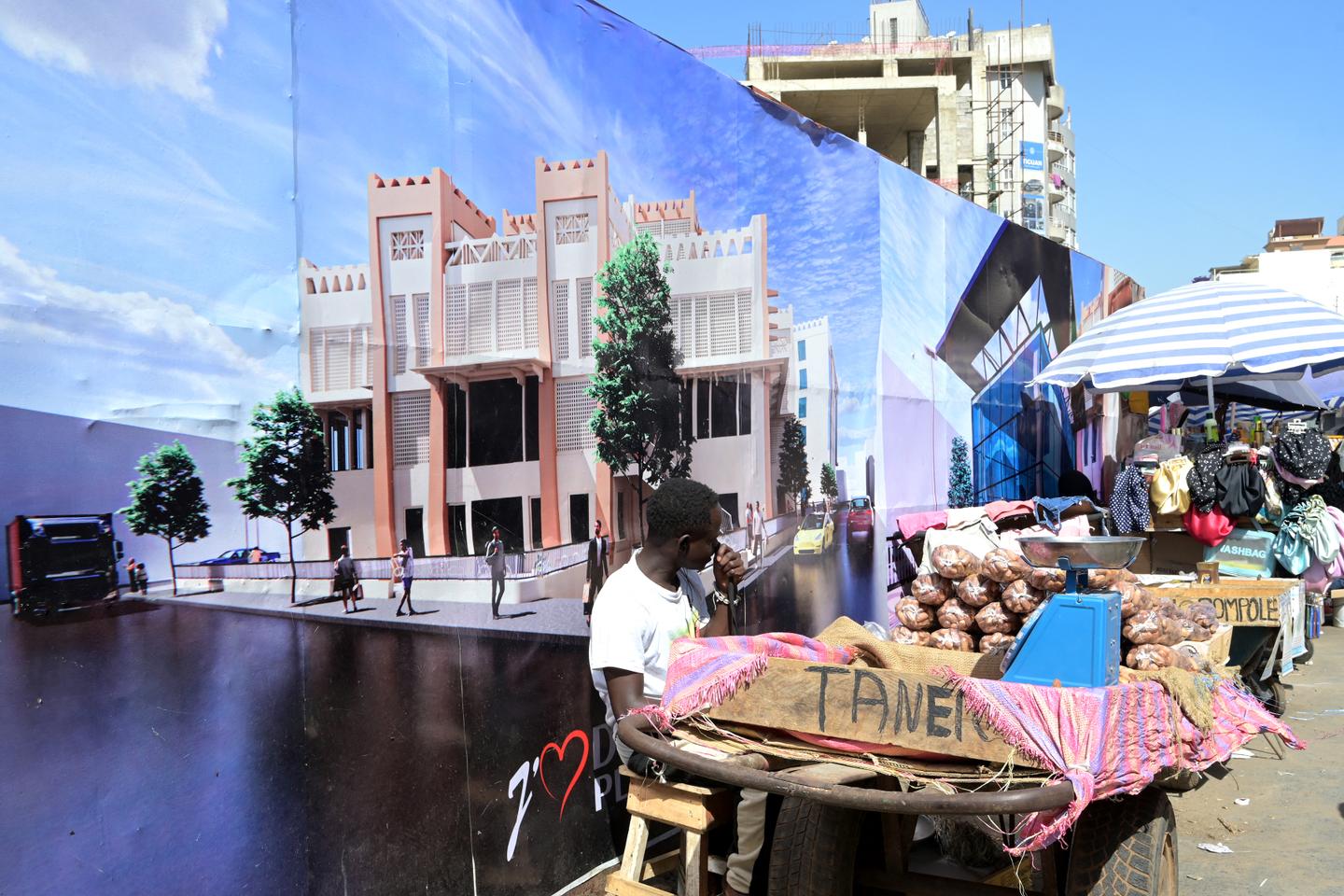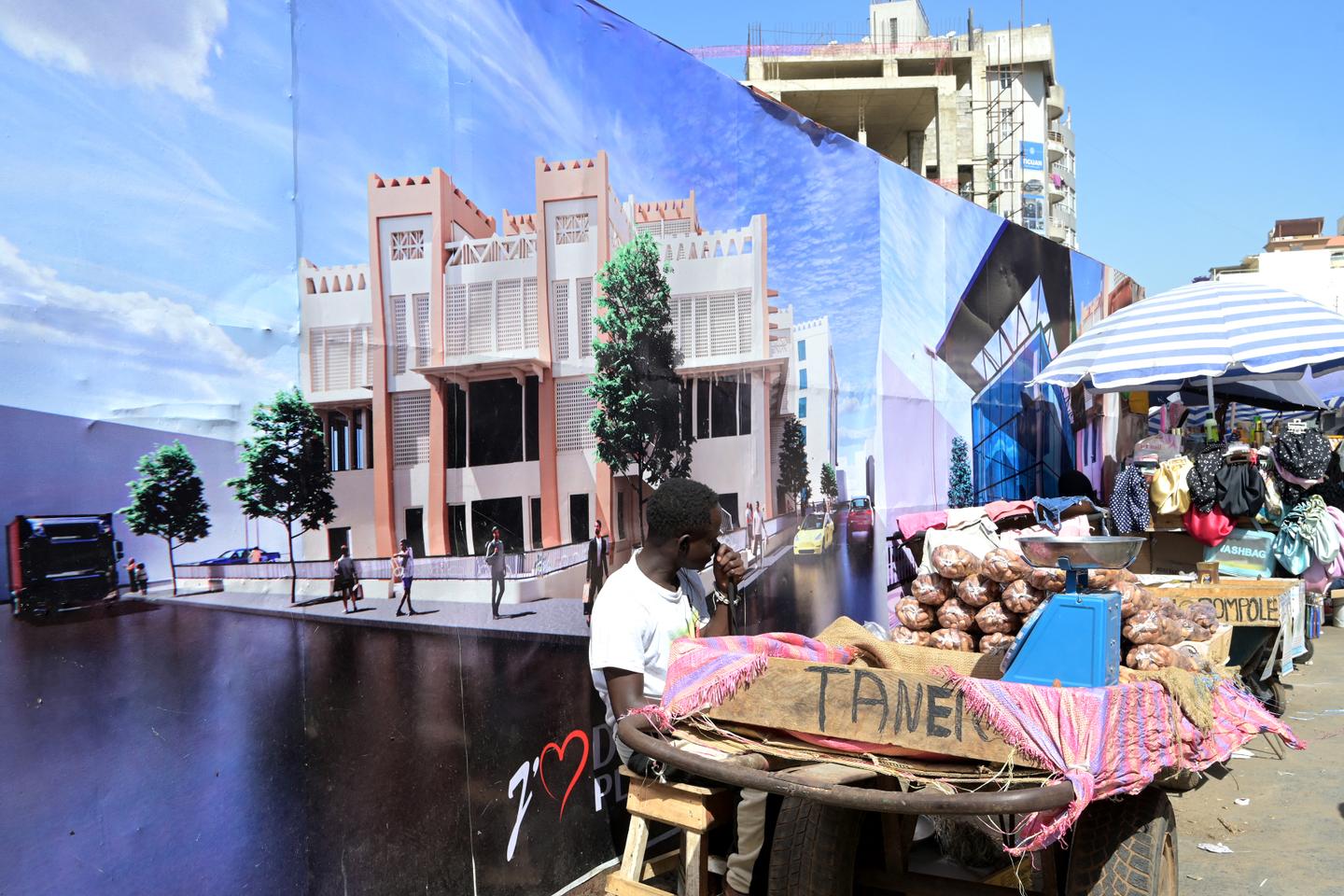
A construction site near the Sandaga market in Dakar, Senegal, on January 13, 2025. SEYLLOU/AFP
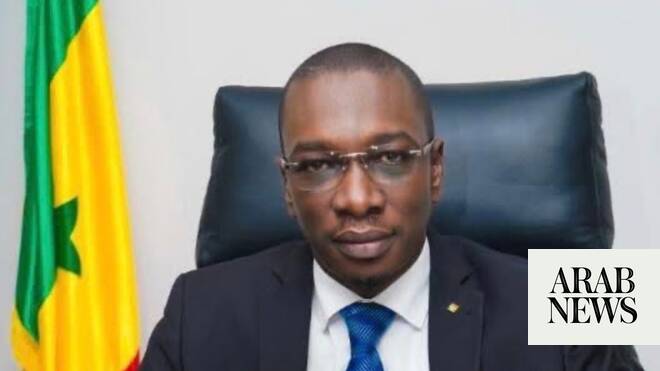
It is hard to hide a house in an offshore account or conceal it from the tax authorities. That is precisely why, in developing countries, governments pay close attention to property tax. "Real estate cannot be hidden from the tax administration, which makes it an ideal tax," said Bassirou Sarr, chief of staff at Senegal's Finance and Budget Ministry.
With public debt amounting to nearly 119% of its gross domestic product (GDP), according to Barclays Bank estimates, the most indebted country in Africa must urgently increase its tax revenue. Property tax holds significant potential. In Senegal, property tax generates only 0.3% of state revenue, compared to 2% across sub-Saharan Africa and about 6% in Organization for Economic Co-operation and Development (OECD) member states. As in other developing countries, Senegal's authorities had focused on taxes from large businesses, small and medium-sized enterprises (SMEs) and, finally, on employees in the formal sector – taxes that are easier to collect.
Subscribers only
Sub-Saharan Africa 'trapped' by insufficient growth