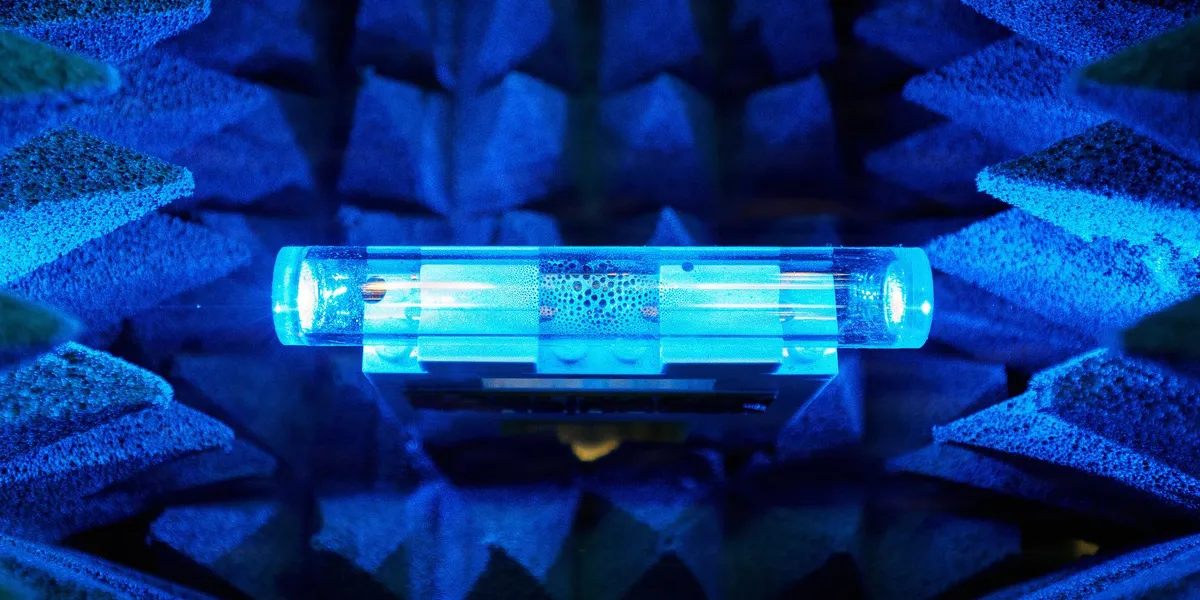
Physicists are exploring a quantum-mechanical approach to making smaller radio wave detectors.
Physicists have created a new type of radar that could help improve underground imaging, using a cloud of atoms in a glass cell to detect reflected radio waves. The radar is a type of quantum sensor, an emerging technology that uses the quantum-mechanical properties of objects as measurement devices. It’s still a prototype, but its intended use is to image buried objects in situations such as constructing underground utilities, drilling wells for natural gas, and excavating archaeological sites.
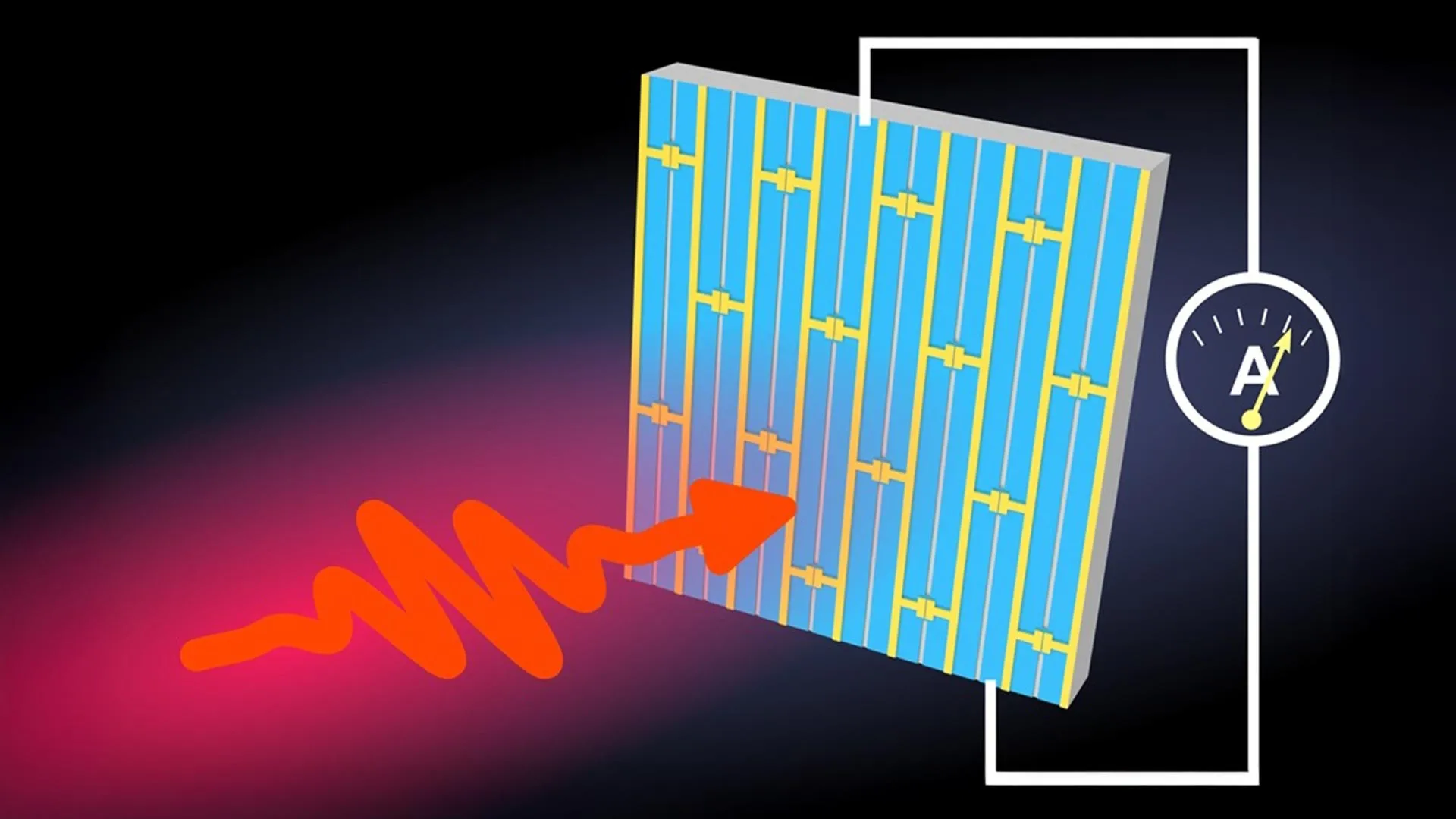
Like conventional radar, the device sends out radio waves, which reflect off nearby objects. Measuring the time it takes the reflected waves to return makes it possible to determine where an object is. In conventional radar, the reflected waves are detected using a large antenna, among other receiver components. But in this new device, the reflected waves are registered by detecting the interactions between the returning waves and the atom cloud.
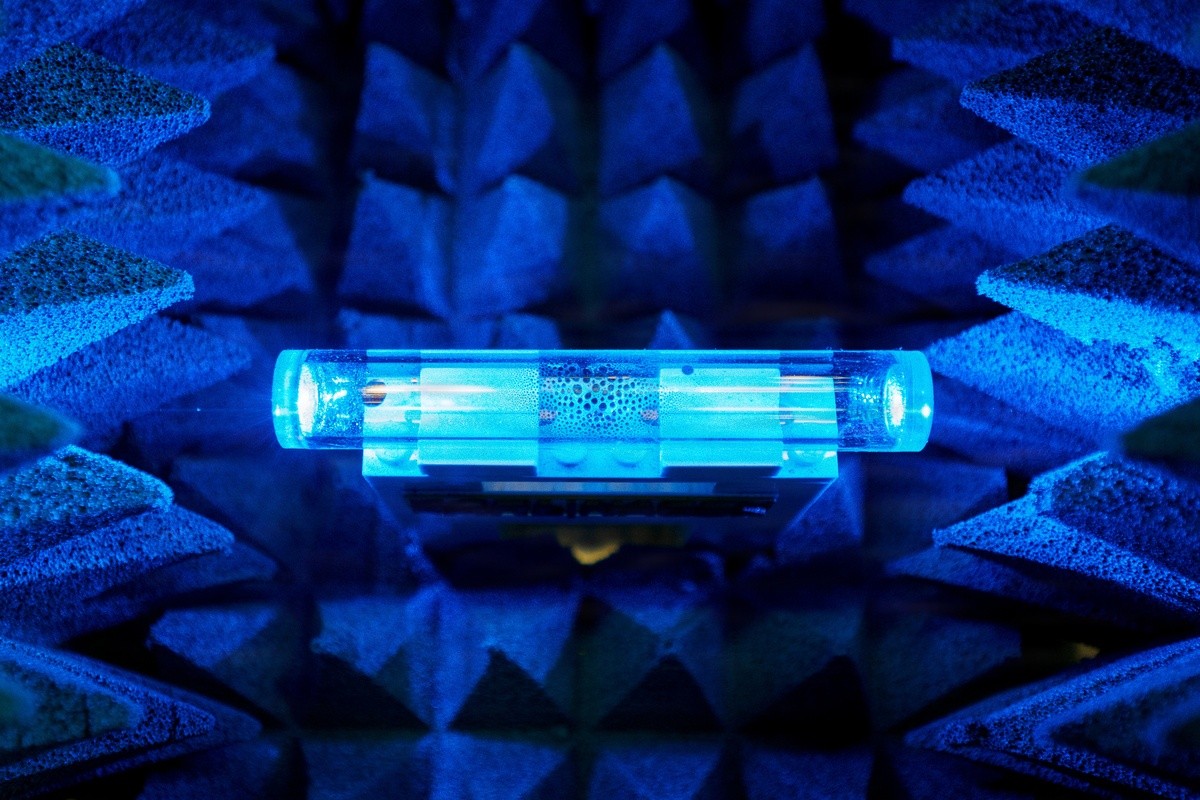
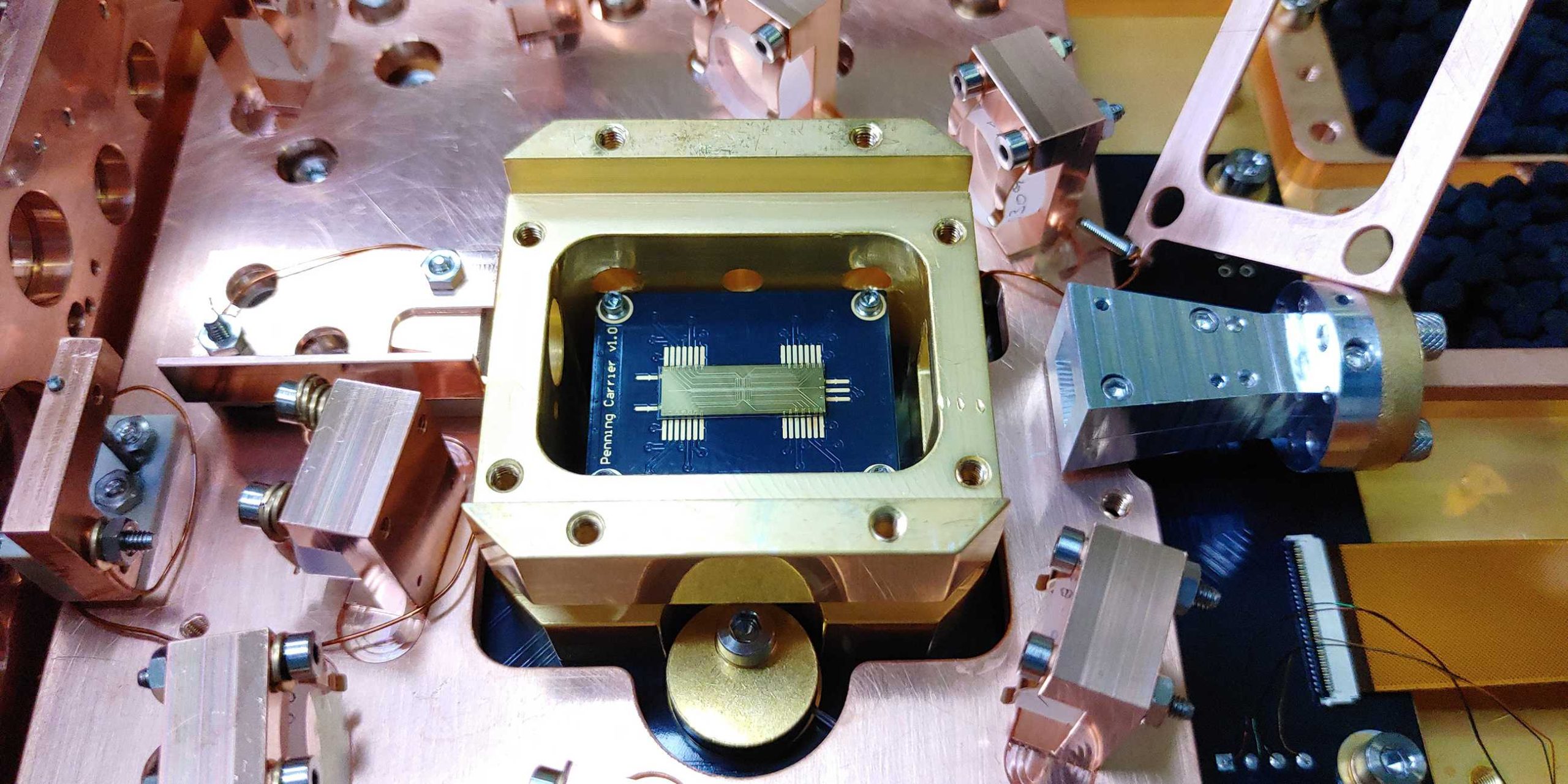
The current incarnation of the radar is still bulky, as the researchers have kept it connected to components on an optical table for ease of testing. But they think their quantum radar could be significantly smaller than conventional designs. “Instead of having this sizable metal structure to receive the signal, we now can use this small glass cell of atoms that can be about a centimeter in size,” says Matthew Simons, a physicist at the National Institute of Standards and Technology (NIST), who was a member of the research team. NIST also worked with the defense contractor RTX to develop the radar.