https://arab.news/yp5xt
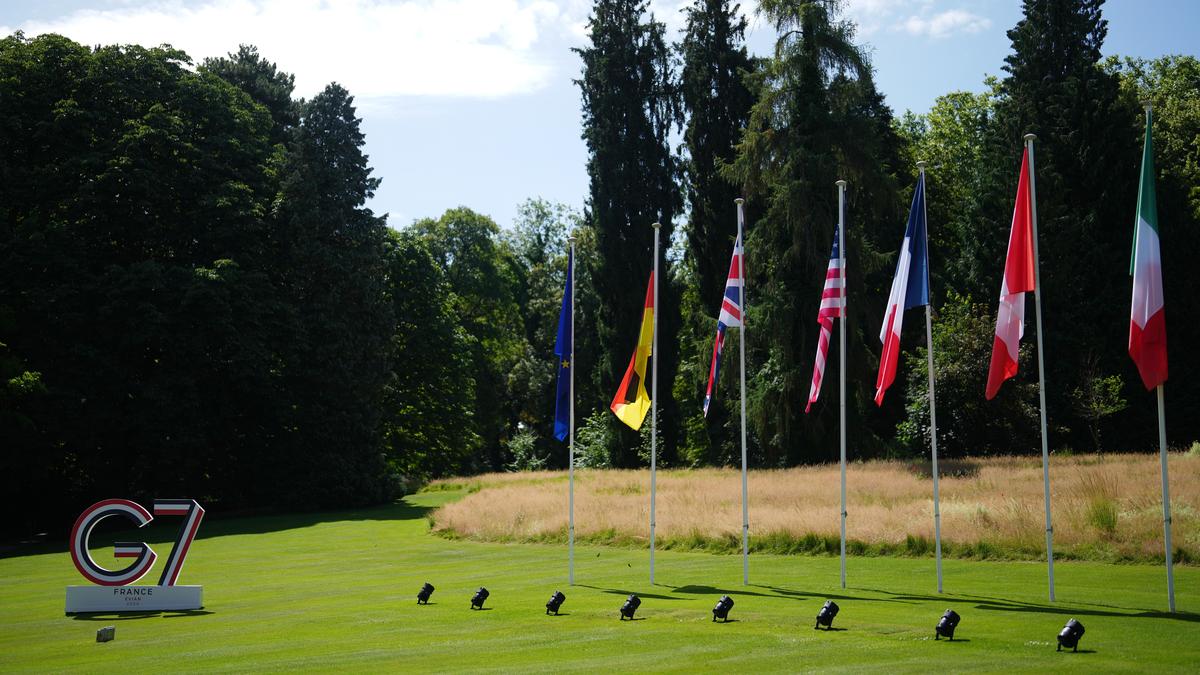
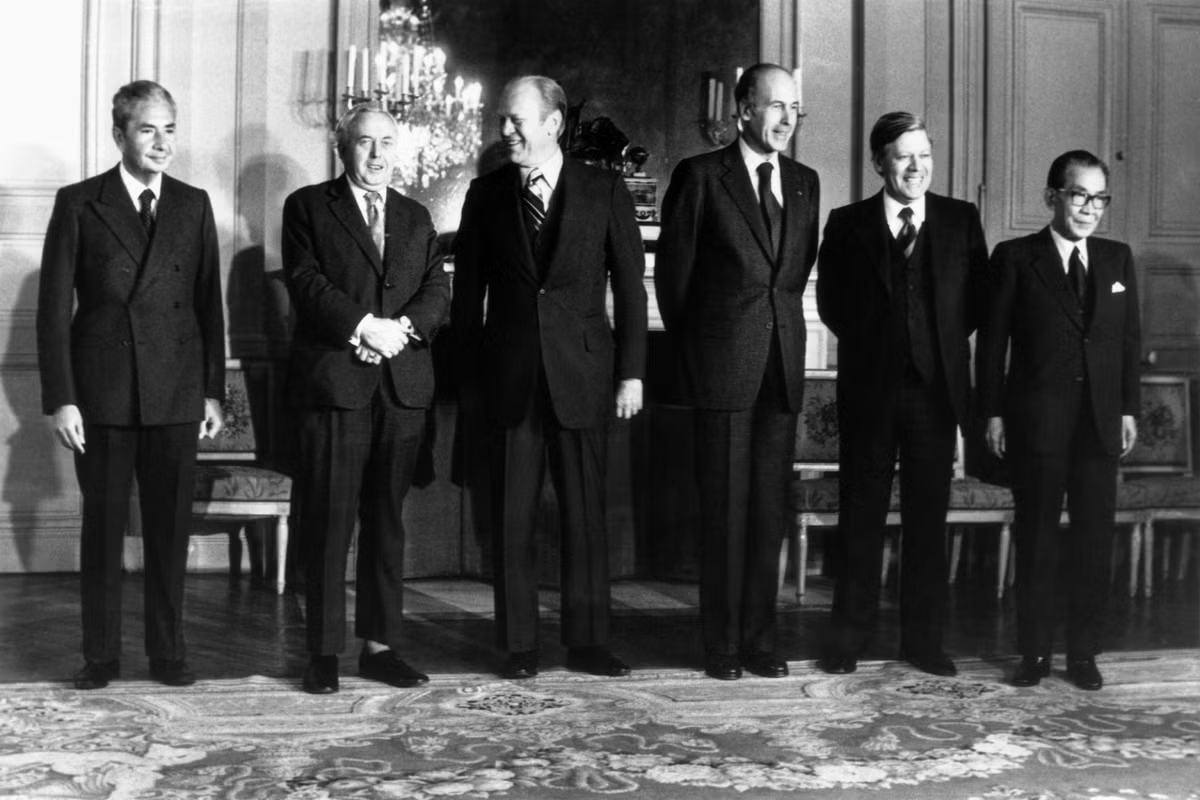
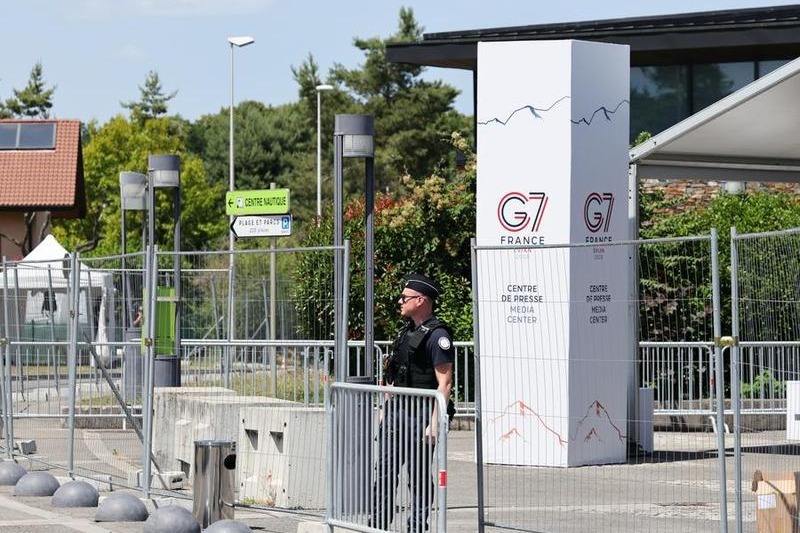
The international relations landscape this summer has been unusually busy — from the Trump tariffs to geopolitical tensions in the Middle East. Yet, underneath the global radar screen, one of the world’s longest-standing institutions, the G7, has celebrated the half-century of its founding.
While the G7 has its critics, in many respects it has been a successful institution during the five decades since the club’s first summit in 1975. Alongside other bodies, including NATO, it has helped underpin in the post-1945 era one of the longest periods of sustained peace in the West’s modern history.
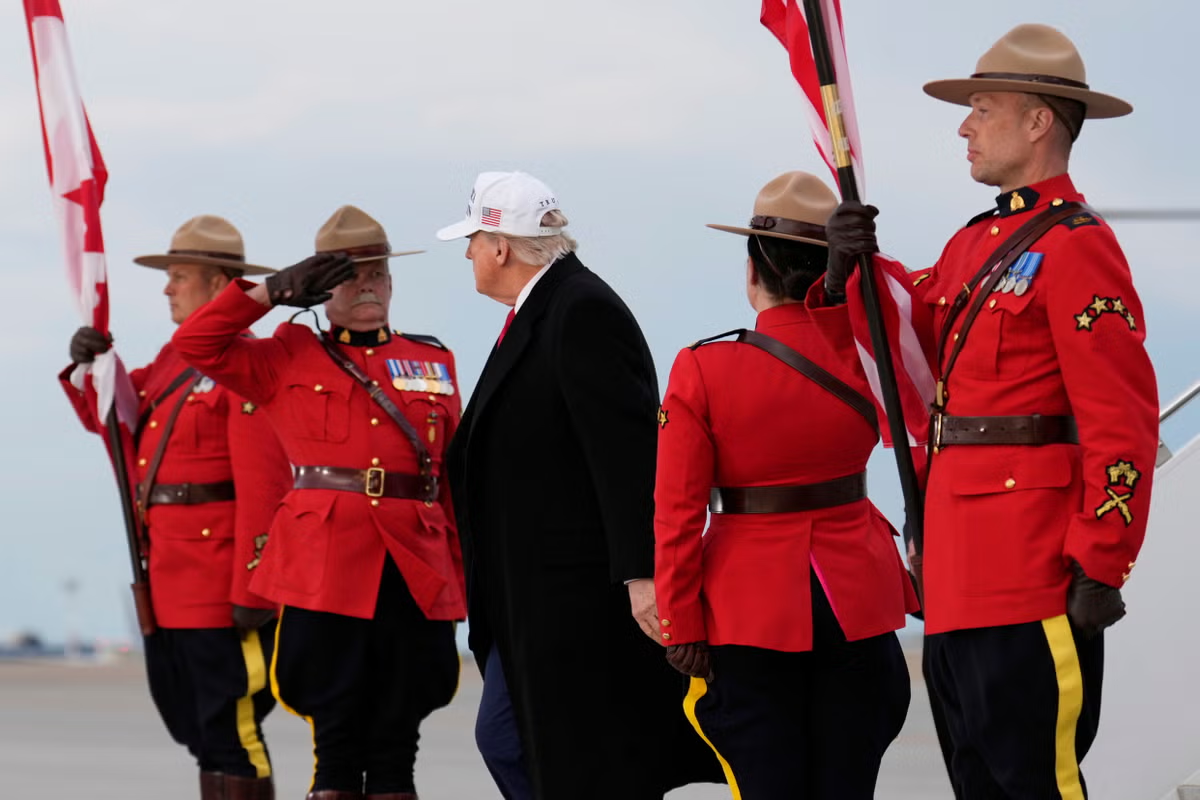
However, in the period since at least Donald Trump’s first US presidency from 2017 to 2021, tensions within the club have become more apparent, giving rise to the moniker of the “G6 plus 1.”
This was shown in 2018 when Canada hosted a hugely disruptive, tumultuous year of G7 diplomacy. In June that year at the club’s leadership summit, Trump refused to endorse the end of summit G7 communique, and called for Russia’s re-entry into the club of advanced industrial democracies when it was the G8.