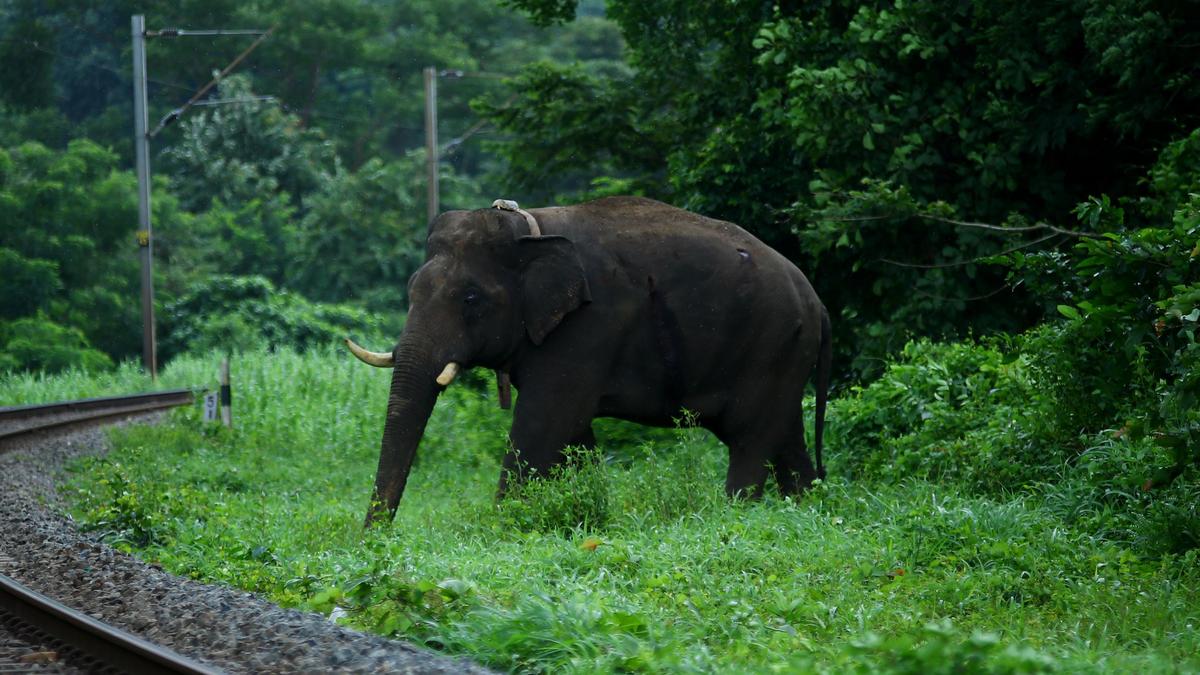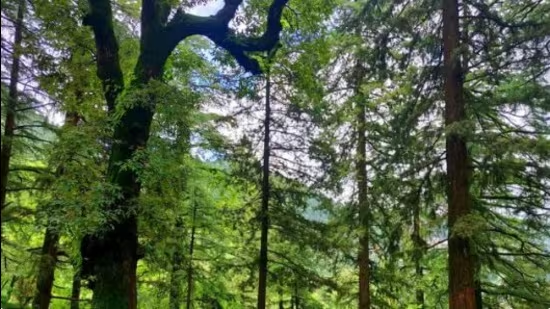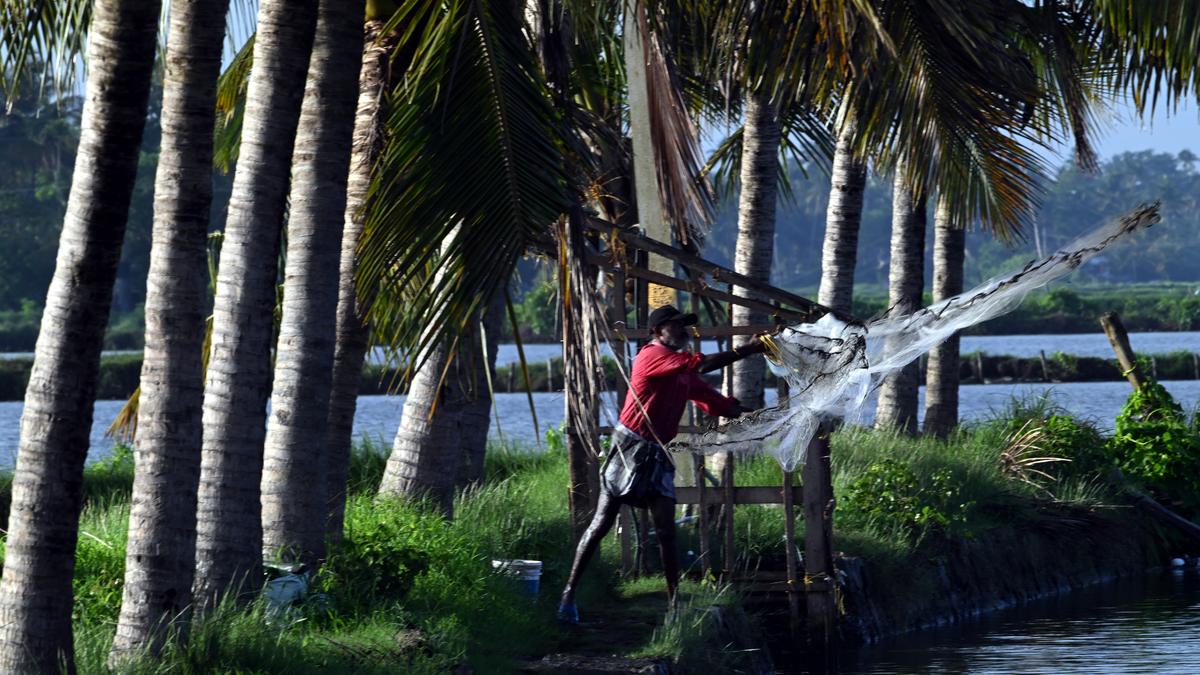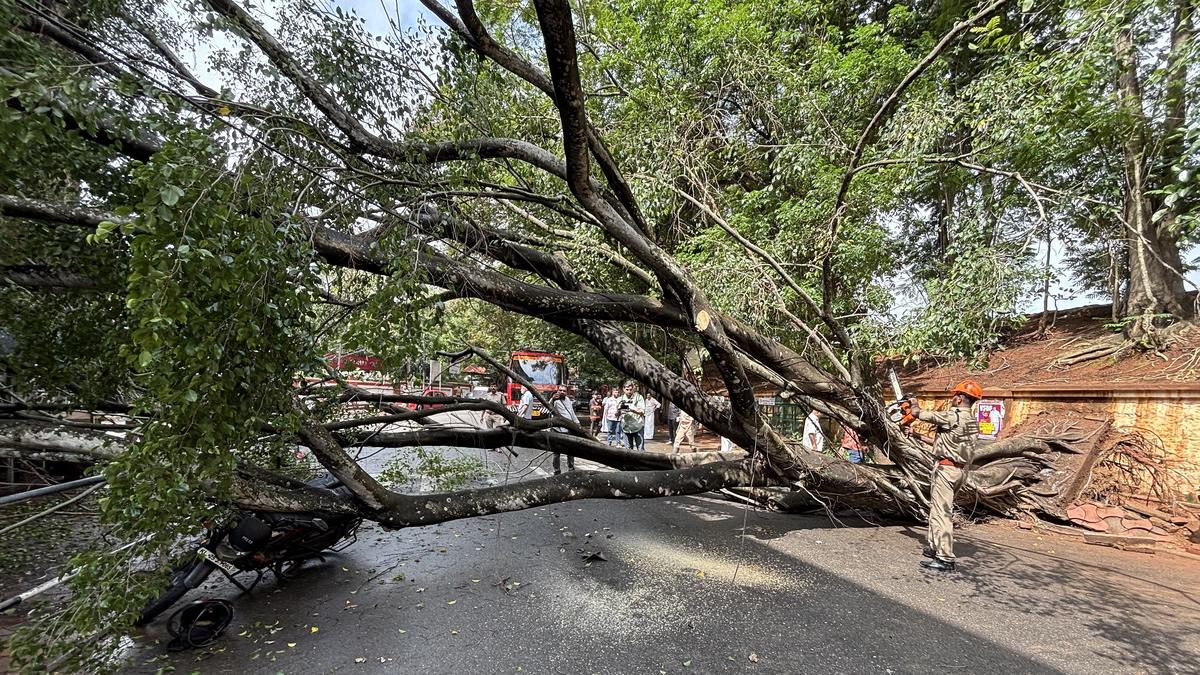
Scientists in a new study conducted in eight diverse forested landscapes in the States of Karnataka and Kerala have found that many households noted a decline in non-timber forest products (NTFPs) use over the last decade due to restricted forest access, decline in resource availability, and new livelihood opportunities.
The scientists interviewed 641 households across eight forested landscapes in southwestern India to understand the extraction patterns of NTFPs. “This study sheds light on the nuances of engagement in such activities, using empirical data from eight diverse forested landscapes in the States of Kerala and Karnataka,” CWS said.
The eight landscapes included Sirsi-Honnavara, Sharavathi, Mookambika, Someshwara, Kudremukh, Brahmagiri, Parambikulam, and Periyar.
According to the Centre for Wildlife Studies (CWS), NTFPs are a critical resource for rural communities in the Global South, supporting the lives of an estimated 2.77 billion people.
The researchers conducted semi-structured interviews with 641 households, and owing to the overlap in extraction for multiple purposes, they classified households along a four-tier scale of extraction engagement: 0 – Not involved in NTFP extraction (38.68%); 1 – Gather only fuelwood and leaf litter (8.73%); 2 – Extract NTFPs only for household/domestic use (24.80%); 3 – Extract at least one species for commercial sale (27.76%).