Four years ago, the party was the most popular in the country – but old rifts have fractured it. Now the time is ripe for a reset
T
he German Green party, Die Grünen, was once the envy of its sister movements across Europe. In the spring of 2021 it was the most popular party in the country, with a predicted vote share of close to 30%. The world’s press even began to ask whether the next chancellor would be Green. Fast-forward four years and you find a party in crisis: divided, out of power and stagnating at just above 10% in the polls after losing 33 seats in February’s federal election. The party is now searching for a path back to the mainstream – not a moment too soon given the rapid erosion of Germany’s political centre.
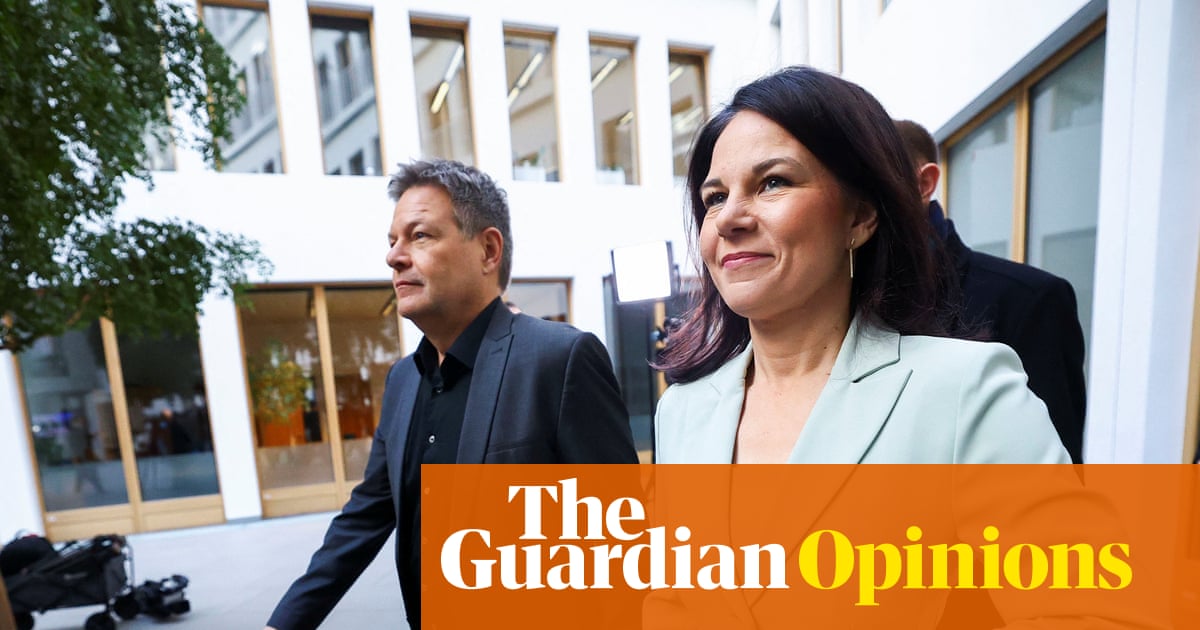
One of the Greens’ key problems is personnel. At their peak in 2021 they had two lead figures in Annalena Baerbock and Robert Habeck, who were widely regarded as pragmatists – a prerequisite for effective government in Germany’s compromise-oriented system. After the 2021 election, Baerbock became foreign minister in Olaf Scholz’s SPD-Green-liberal “traffic light coalition”, and Habeck vice chancellor and minister for economic affairs and climate action.
After the collapse of that government, the Greens lost a million votes and fell into fourth place in this year’s elections. Key personnel are departing en masse. Habeck wants to move to Denmark; Baerbock is now president of the United Nations General Assembly. Meanwhile the entire leadership board of the party’s Green Youth wing quit the party altogether. In theory, this should have opened an opportunity for a reset.