India’s stock market showed little sign of panic a day after the U.S. announced a 50% tariff on goods from the country and threatened secondary sanctions over its continued oil trade with Russia.
The Sensex, the benchmark index for India’s blue-chip stocks, was down 0.8% as of 1:50 p.m. Mumbai time (4:20 a.m. ET) on August 7.
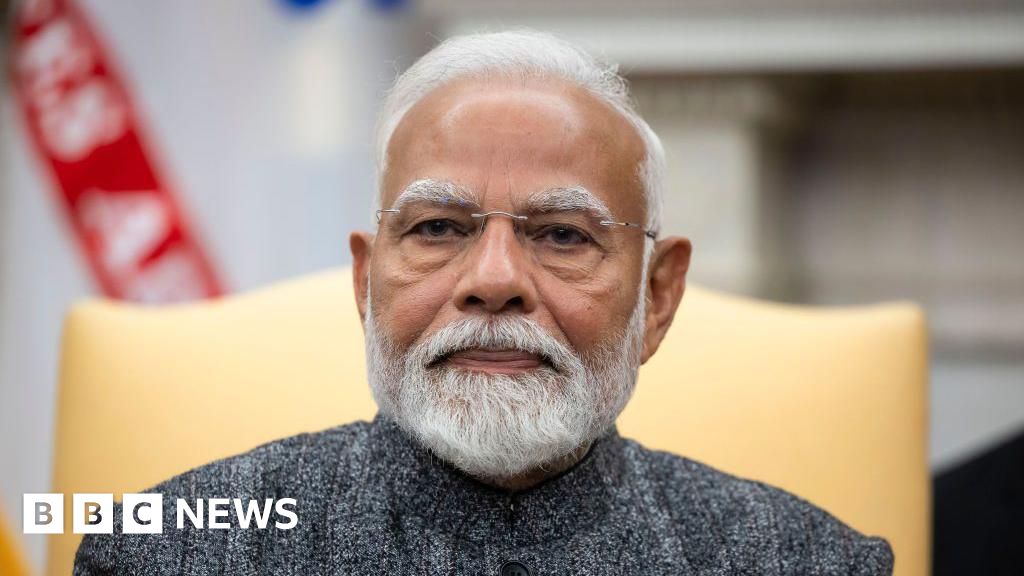
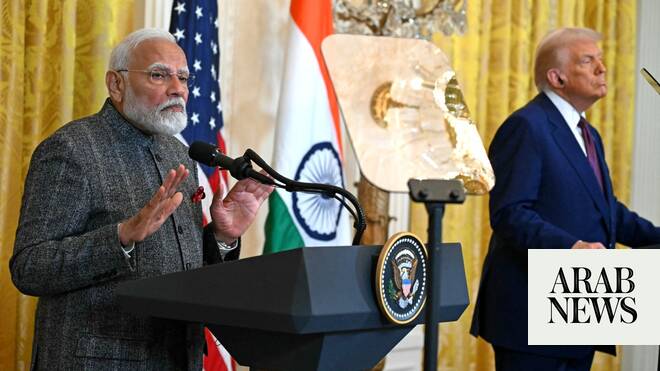
From bureaucrats to businesses, there’s a broad consensus in India that the latest escalation from the U.S. is only a pressure tactic to fast-track trade talks. However, Indian Prime Minister Narendra Modi now has something he didn’t have, even a day earlier: the support of the Indian opposition to push back.
Rahul Gandhi, the leader of India’s largest opposition party, the Indian National Congress, described the penalty for Russian oil purchases as “economic blackmail” by Trump, further reducing the political room for Modi to concede to American demands.
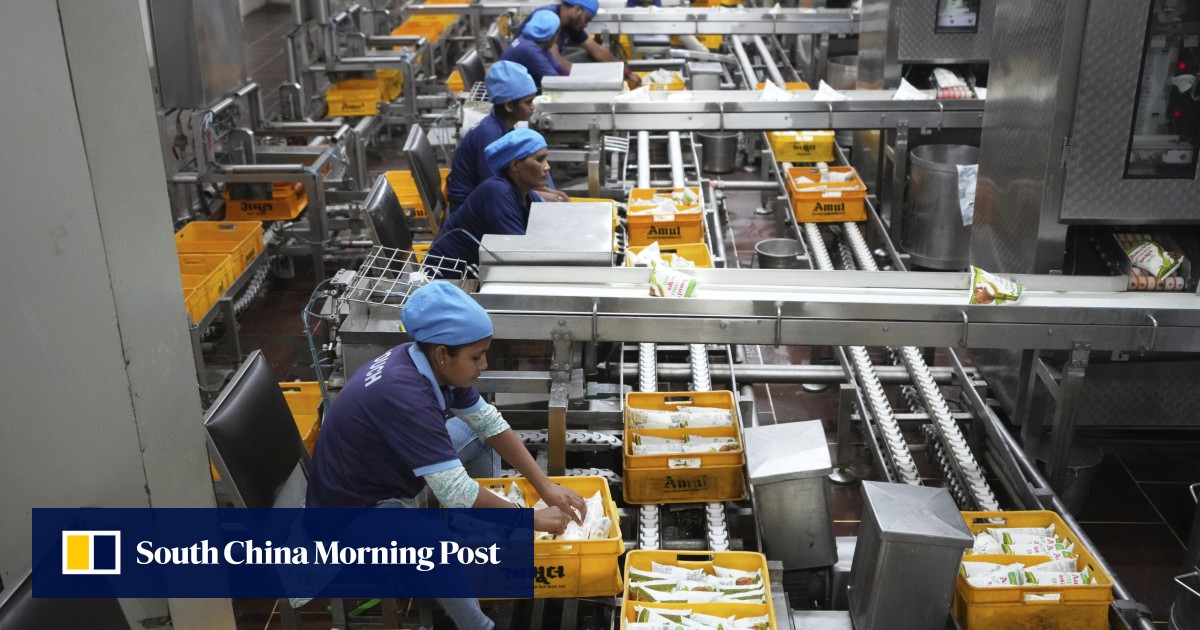
Consequently, the Indian negotiators’ resolve may only get stronger, especially in talks over areas that directly affect the country’s farmers.