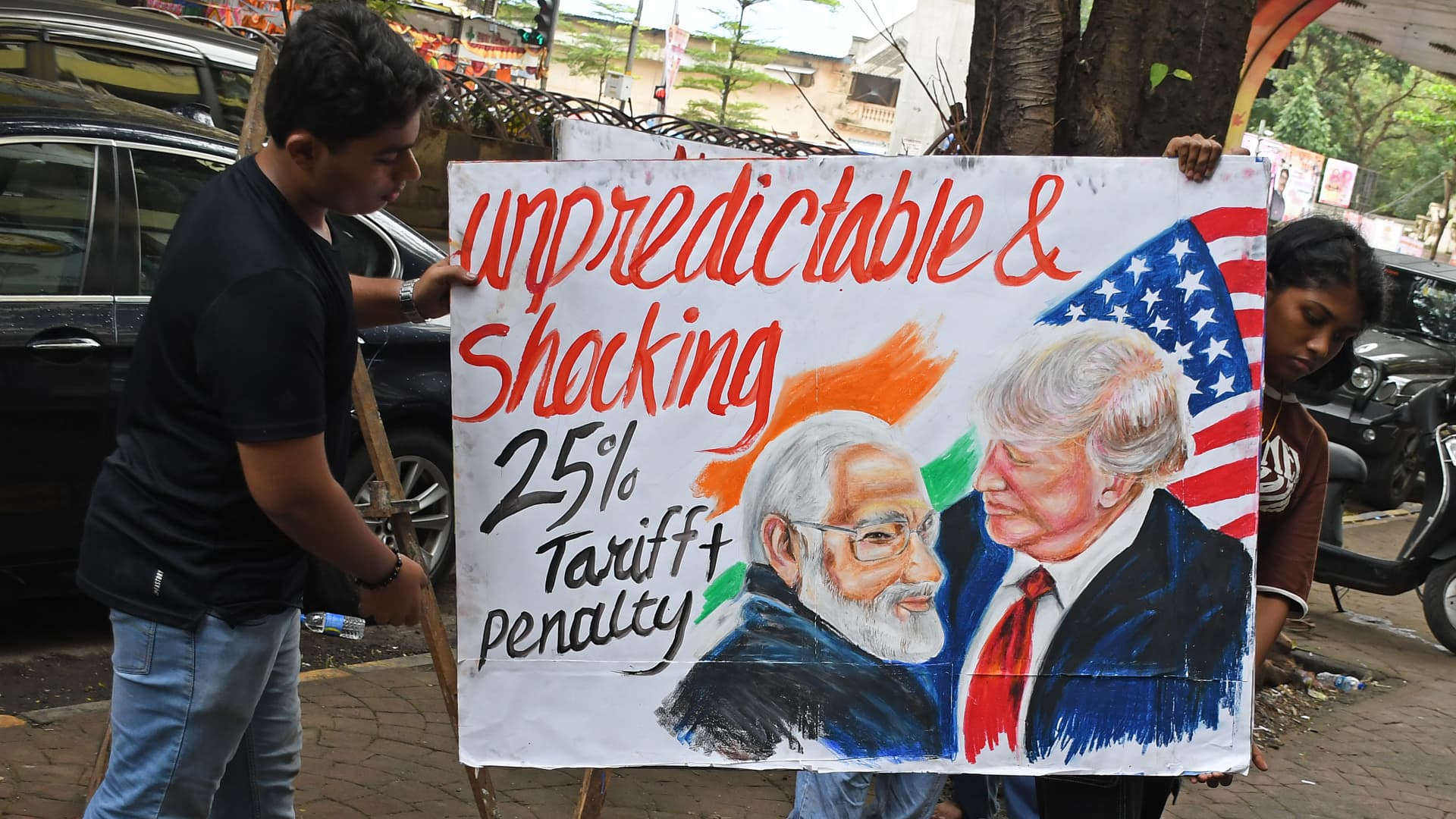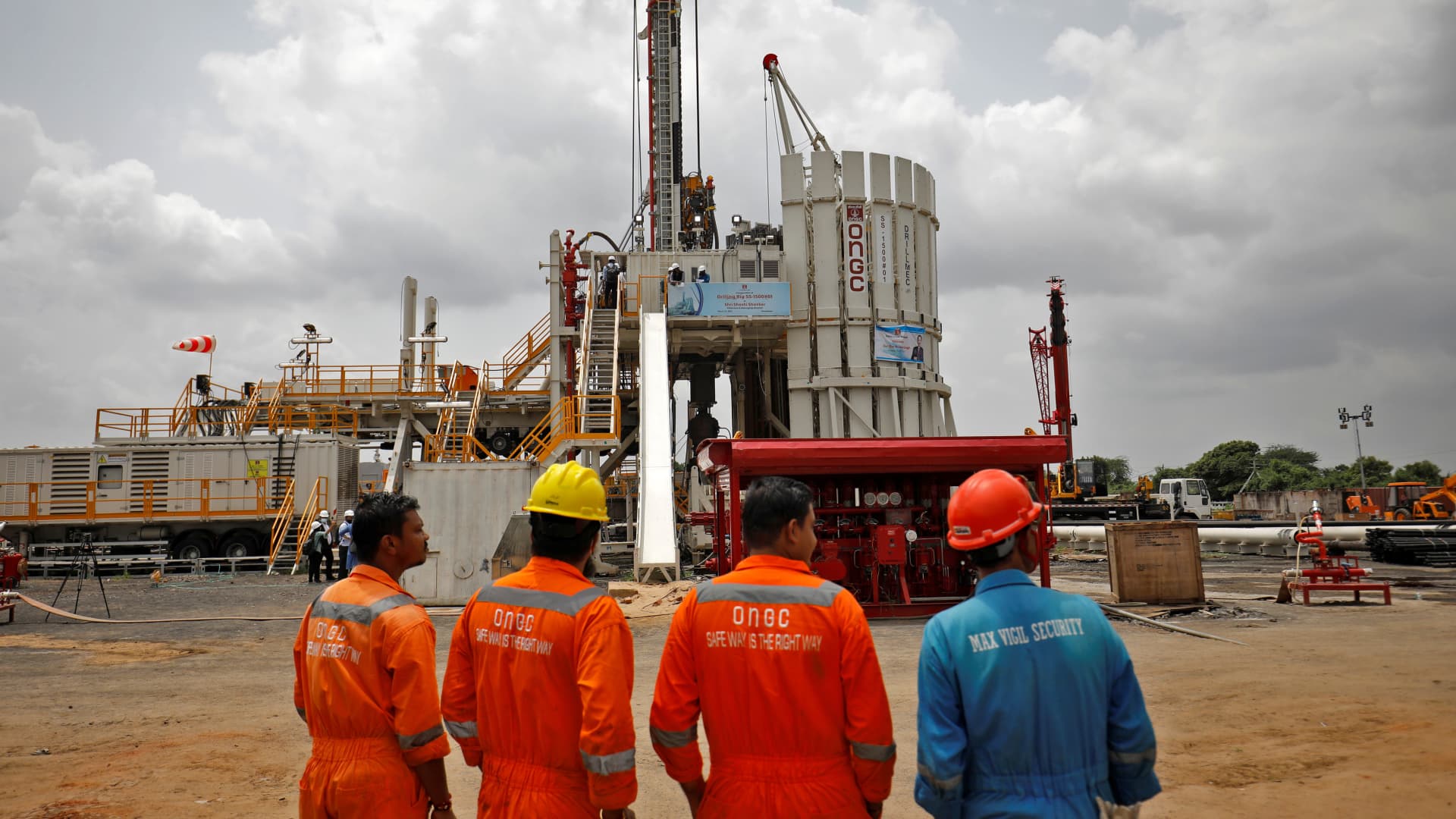
The story so far: On August 6, U.S. President Donald Trump announced a whopping 25% penalty tariff on Indian goods for India’s import of Russian oil. This was on top of the 25% reciprocal tariffs announced on July 31 after Indian and U.S. negotiators failed to reach a Free Trade Agreement (FTA).
How has India responded to the tariffs?
India has so far not announced any overt action against the U.S. for its tariffs. The 25% reciprocal tariffs went into effect on August 7, and the impact will unfold in the upcoming weeks. Already, reports suggest garment exporters are facing trouble with U.S. importers suspending orders, given that U.S. tariffs on Asian competitors in Vietnam, Pakistan, Bangladesh and Sri Lanka are much lower. Mr. Trump’s penalty tariffs, meanwhile, will go into effect on August 27, and New Delhi is hopeful that there will be some change in position.
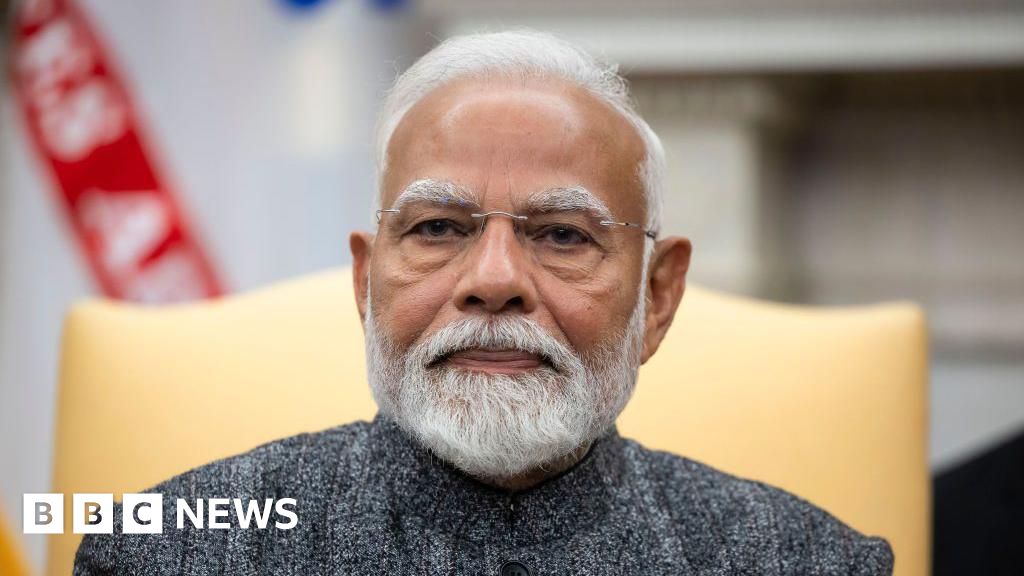
As a result, India’s response has been carried in three statements. On August 4, the Ministry of External Affairs (MEA) issued a release criticising both the U.S. and the European Union for “targeting” India over Russian oil imports, pointing out that they both continue to trade with Russia. While the U.S. procures critical minerals, chemicals and nuclear trade components, the EU countries continue to buy oil and LNG from Russia. On August 6, the MEA called the U.S. actions “extremely unfortunate” and “unfair, unjustified and unreasonable”, vowing to protect India’s national interests. On August 7, Prime Minister Modi said that he was ready to pay a price “personally” to protect the interests of India’s farmers, fishermen and livestock, and dairy keepers. This was an indication that India-U.S. trade talks had broken down over market access to the agricultural sector. Between giving in on market access or giving up Russian oil, India appears to be facing two ‘impossible’ choices.