Readers discuss the future of retail, the city’s red taxis, and how to respond to Trump’s disruption
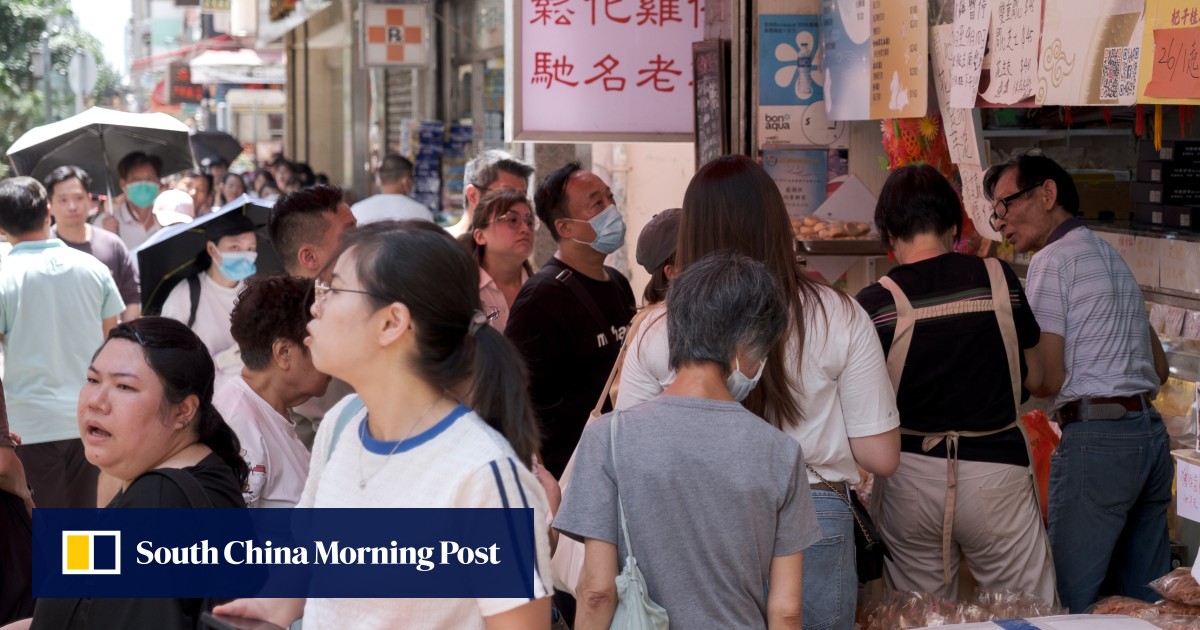
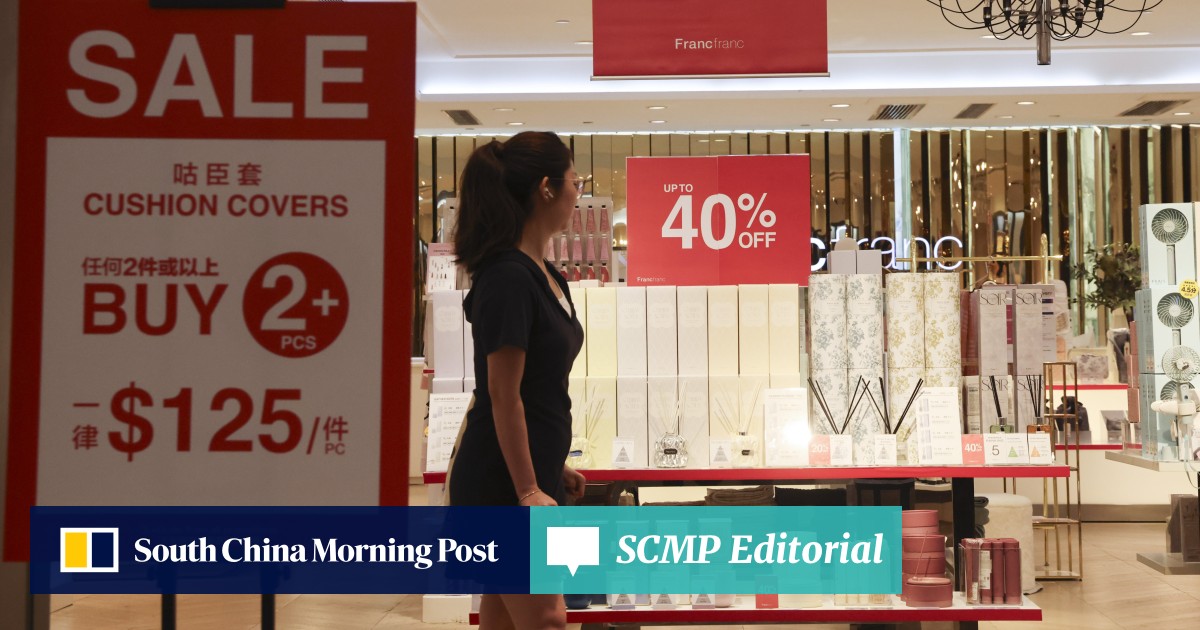
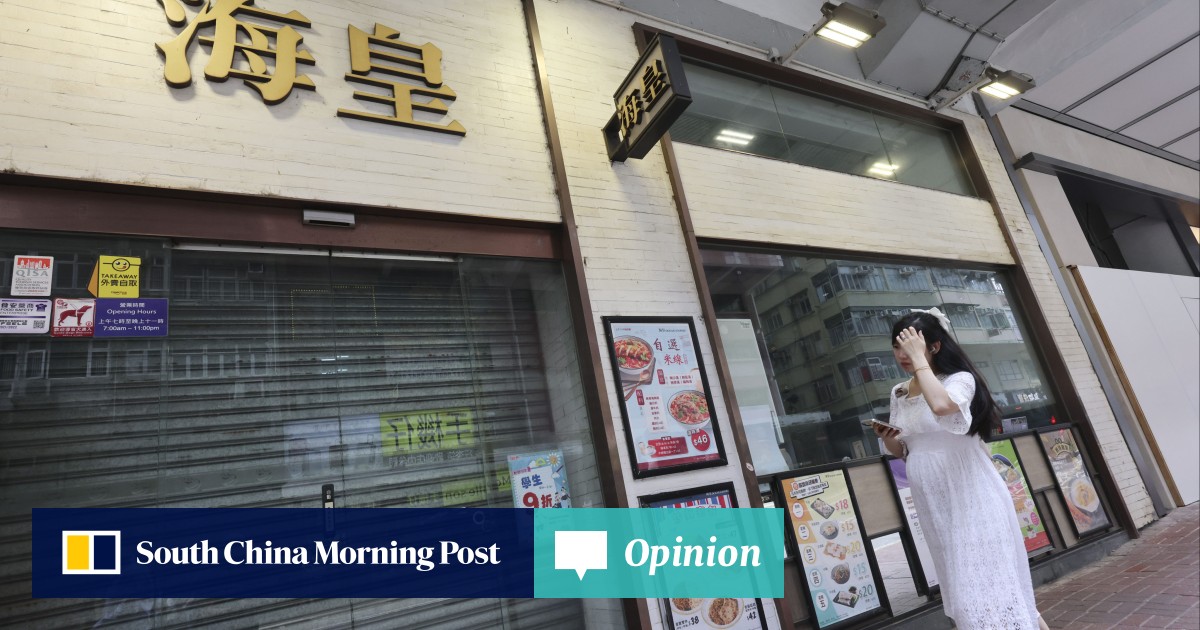
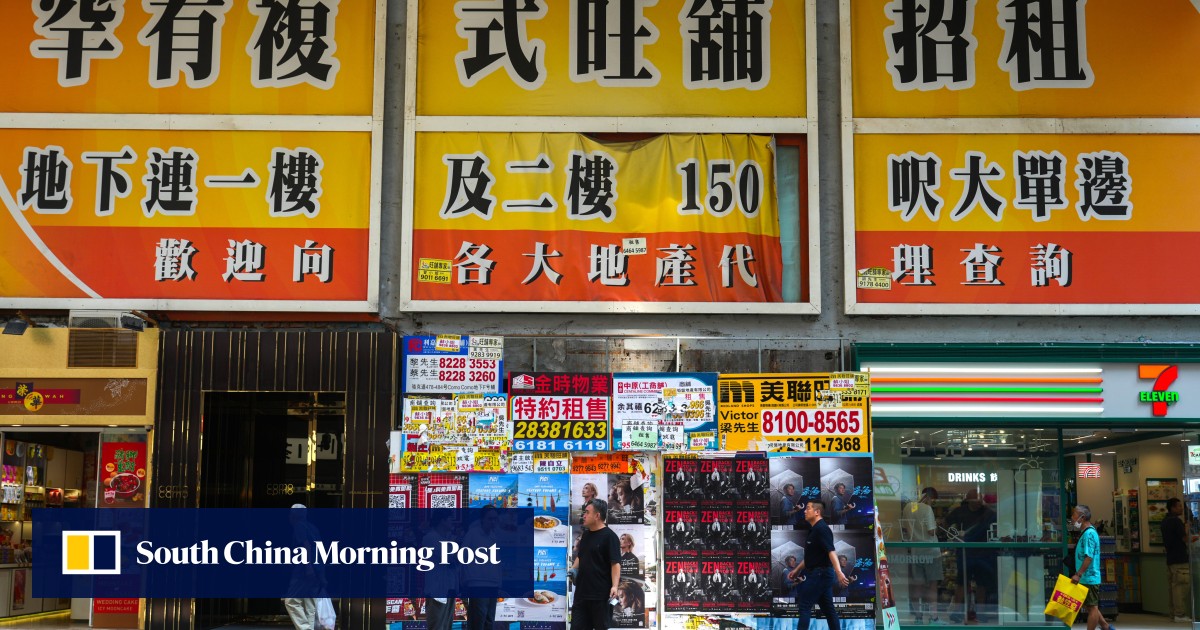
Hong Kong’s business environment is undergoing a profound transformation. Once defined by its buzzy street life and guaranteed foot traffic, the city now faces a new reality shaped by digital disruption and altered consumer behaviour.
The Hong Kong government can play a pivotal role in converting retail spaces in high-traffic areas into dynamic zones for rotating pop-up stores. Such a set-up would allow brands to test products, respond to seasonal trends and engage consumers without the burden of a permanent commitment.
To support this shift, the government might consider offering incentives to landlords – such as tax breaks, streamlined licences for short-term tenants or co-investment in infrastructure upgrades. Landlords, in turn, can curate clusters of complementary businesses – such as wellness, fashion and tech – to create synergy and attract diverse consumers.
Businesses should also explore hybrid models that combine services with product sales. A pop-up coffee bar could serve freshly brewed drinks while selling artisanal beans and coffee accessories. A temporary beauty lounge might offer express facials alongside seasonal skincare products. These combinations could enhance the customer experience and diversify revenue streams.