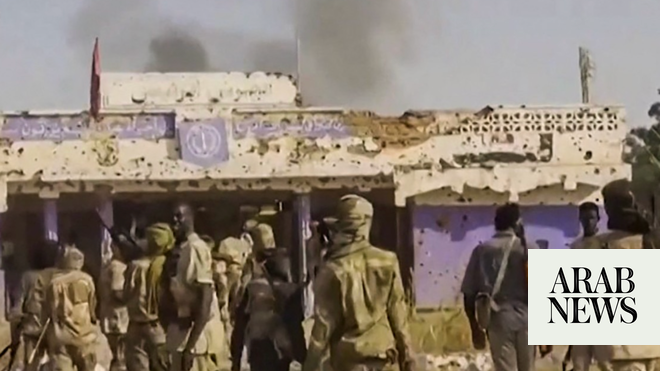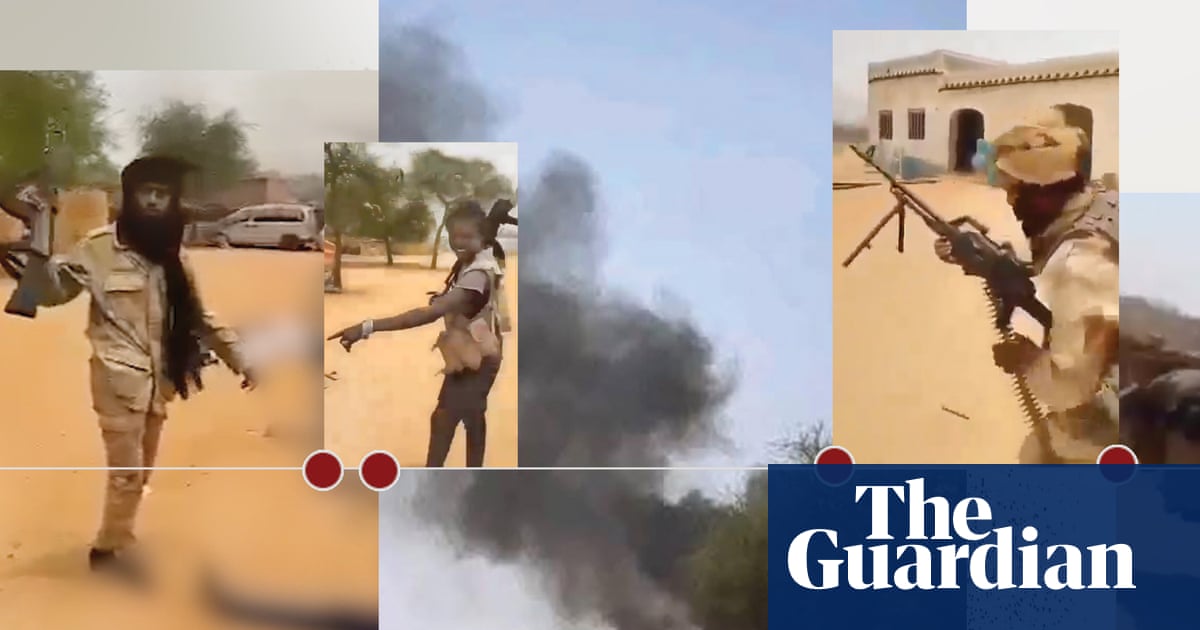
As the UK prepared to host a global summit on bringing peace to Sudan, the RSF paramilitary began a ‘genocidal’ massacre in Zamzam refugee camp. But when reports emerged of the killings, London held its silence. For the first time, using intelligence reports and witness testimony, we piece together what occurred during the April atrocity – and why it was not stopped
At just 22 years old, nurse Hanadi Dawood was an expert in the myriad ways poverty could kill. She knew straight away if a child would last the day; you learn such skills in a place where an infant dies every two hours.
Hanadi ran a small health centre in Zamzam, a sprawling displacement camp in Sudan’s Darfur region, the heart of the world’s largest humanitarian catastrophe.
Her clinic was already busy before breakfast on 11 April. But there was every chance it would get a lot busier. Outside Zamzam, the notorious Rapid Support Forces paramilitary group was massing on three sides, preparing for a possible ground assault.
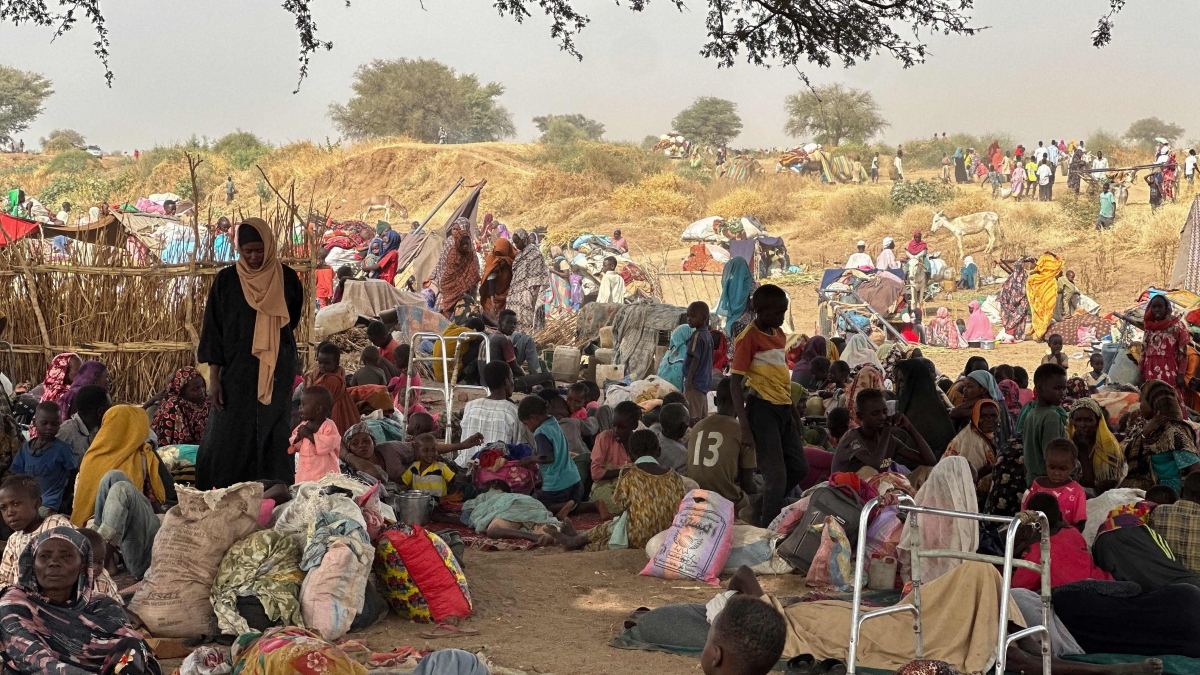
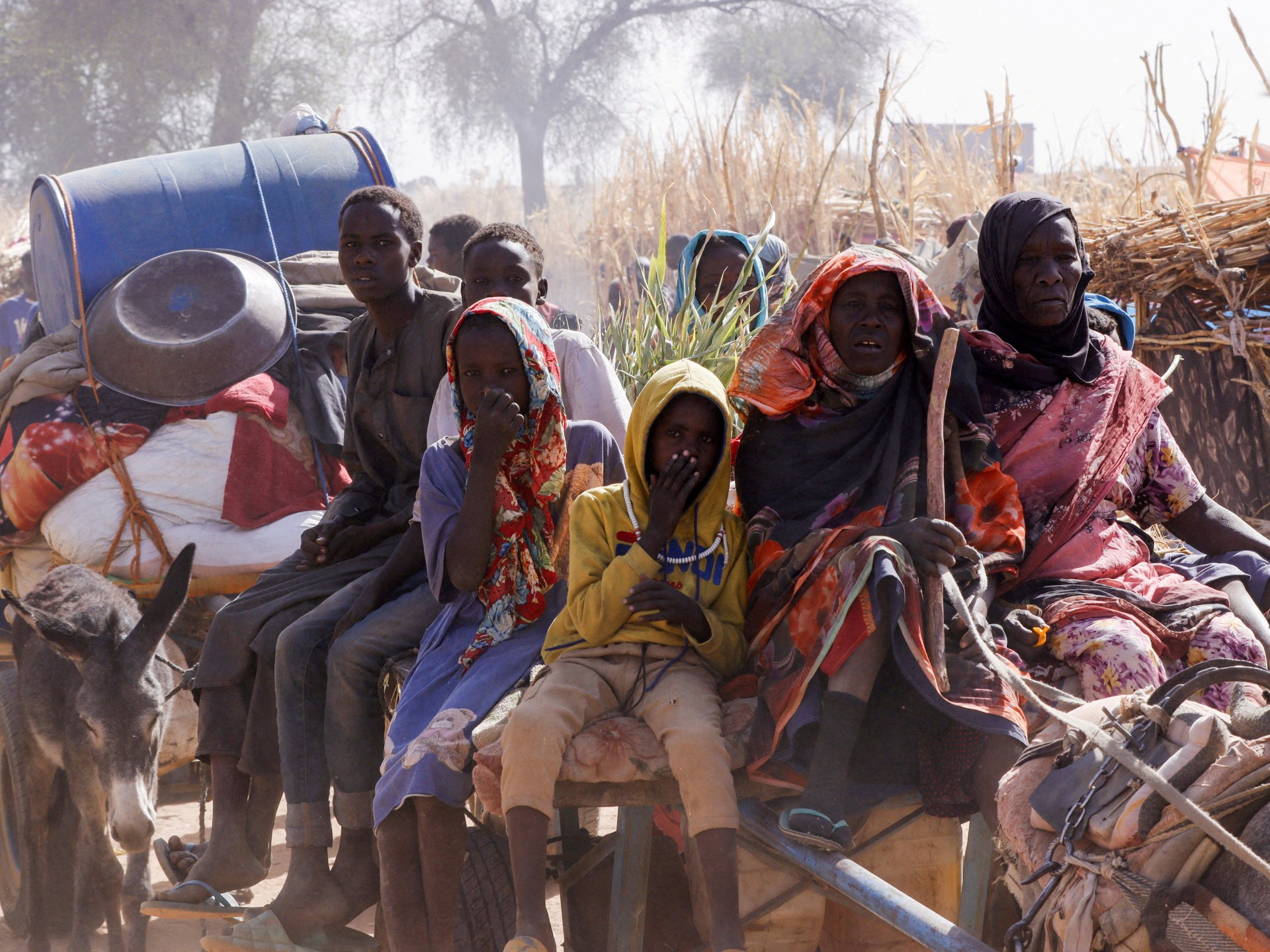
Some believed the RSF might hold off. Even for a group accused of genocide, Zamzam, they felt, was too soft a target. Its 500,000 residents – predominantly women and children – were virtually defenceless. They were also starving to death.