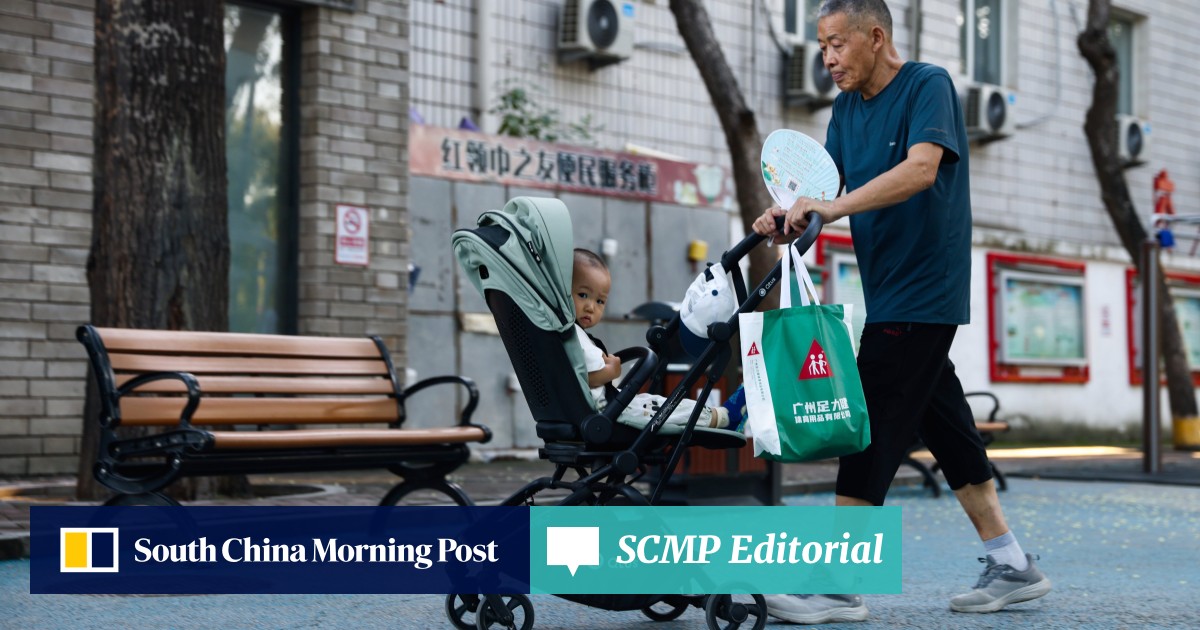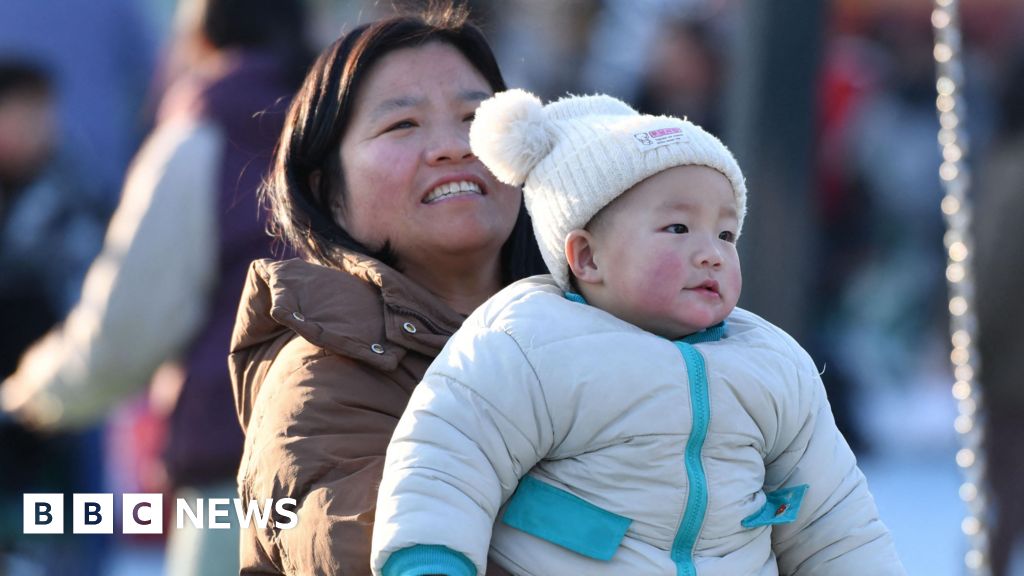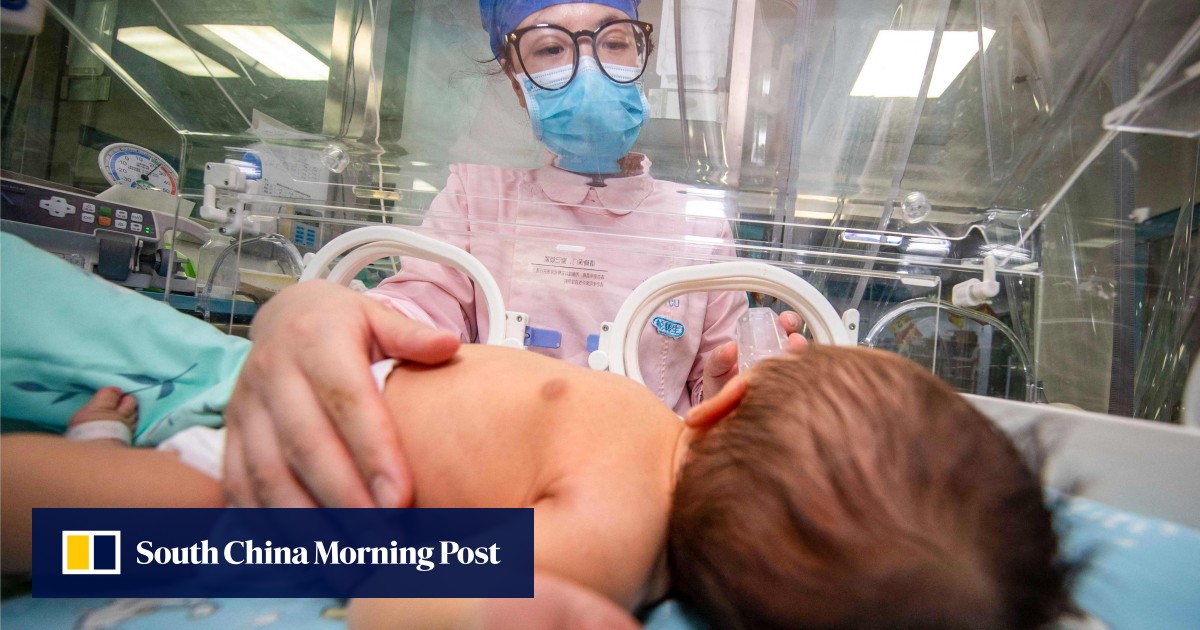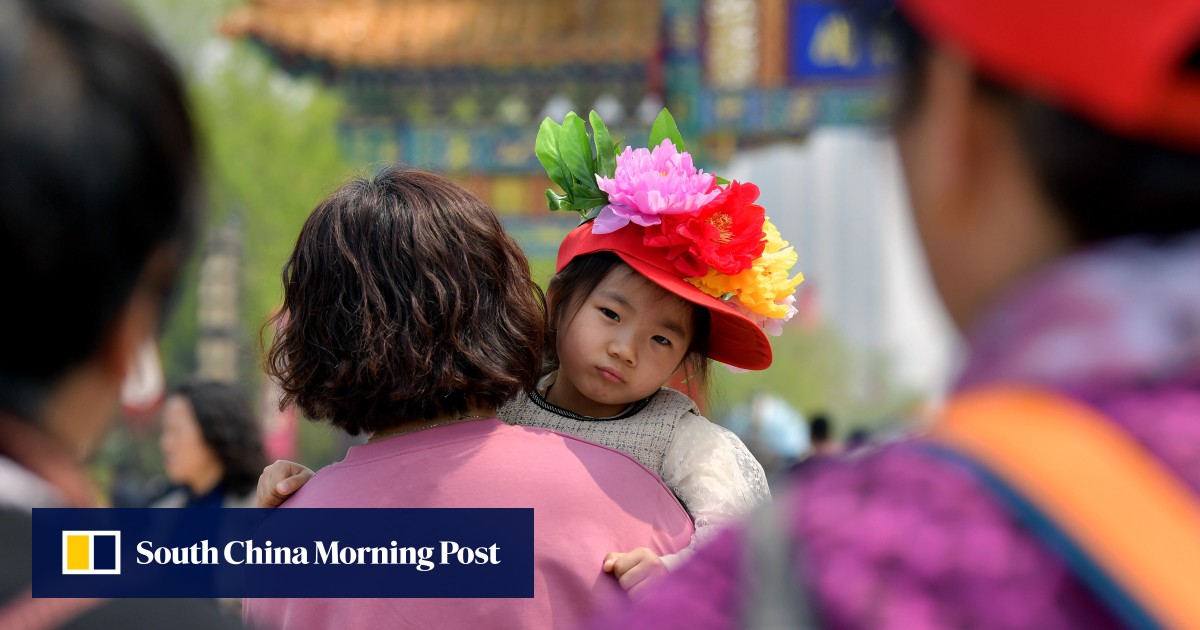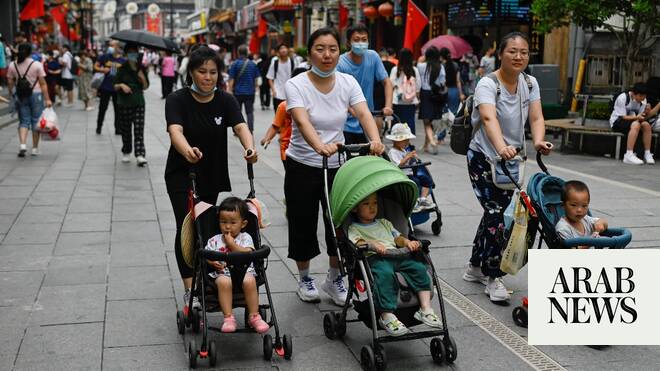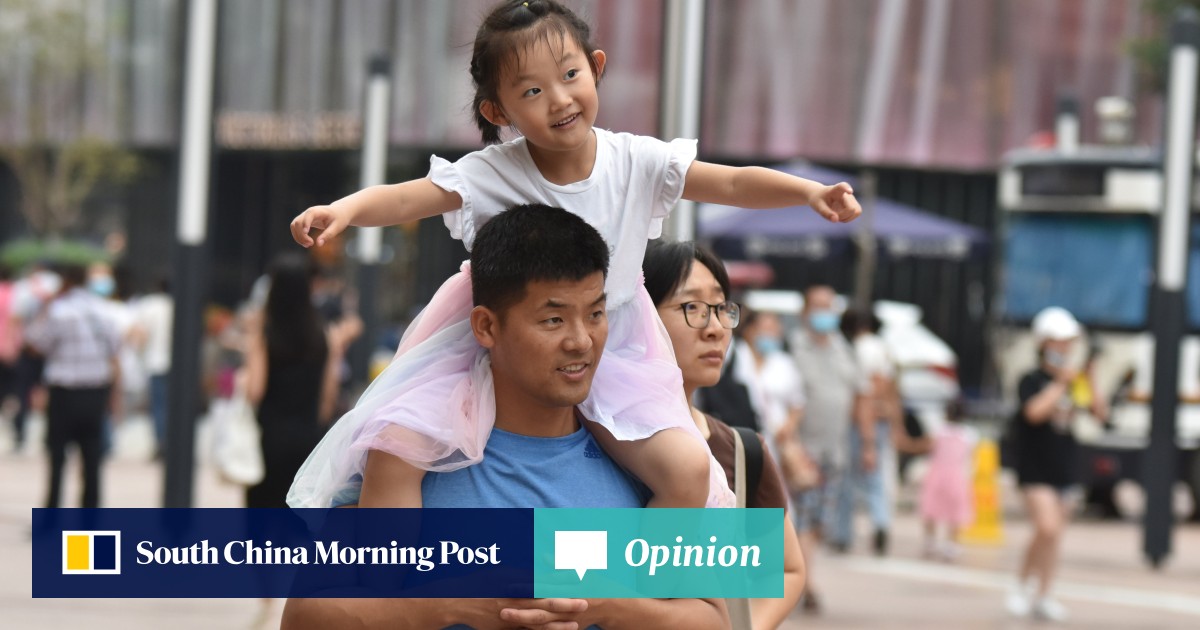
The country had implemented its infamous one-child policy for nearly four decades, covering about two generations of Chinese
The Chinese government’s decision to provide a monthly subsidy of 300 yuan (US$40) to every newborn baby for three years marks an extraordinary turn in Beijing’s population policy. In a historical sense, it should be remembered as one of the most important moments in China’s social and economic policymaking.
For many Chinese, memories of the state taking for granted China’s overpopulation problem are still fresh in their mind. After all, the country had implemented its infamous one-child policy for nearly four decades, covering about two generations of Chinese.
The Chinese government had in the past offered incentives for parents who followed the one-child policy, but the financial reward was often only a couple of dollars – or about 15 yuan per month. Instead, the family planning regime was largely designed to punish those who violated the one-child mandate. An “unauthorised” birth could lead to dismissal from jobs at government institutions, schools and hospitals.
Your personal data will be processed and information from your device (cookies, unique identifiers, and other device data) may be stored by, accessed by and shared with 88 TCF vendor(s) and 20 ad partner(s), or used specifically by this site or app.