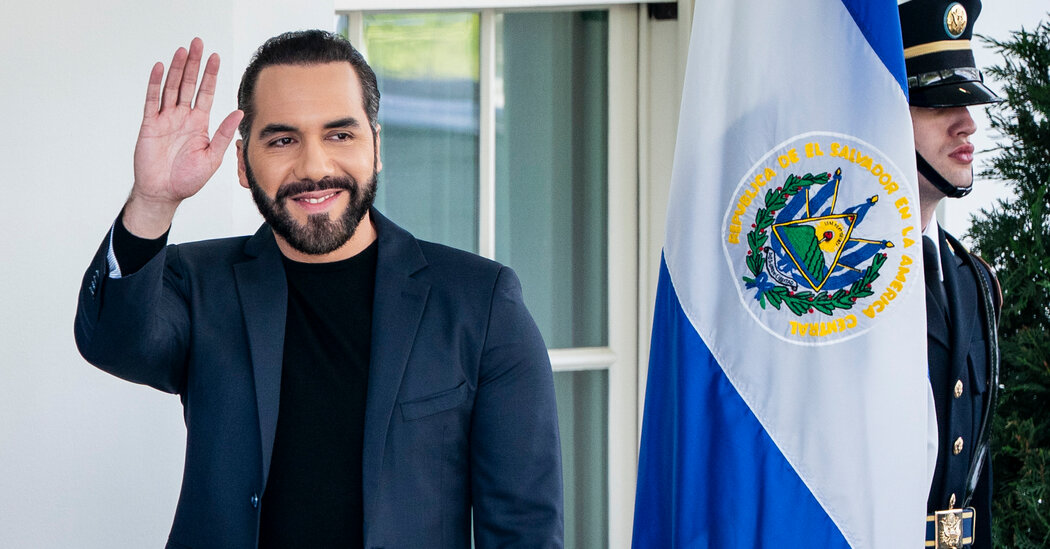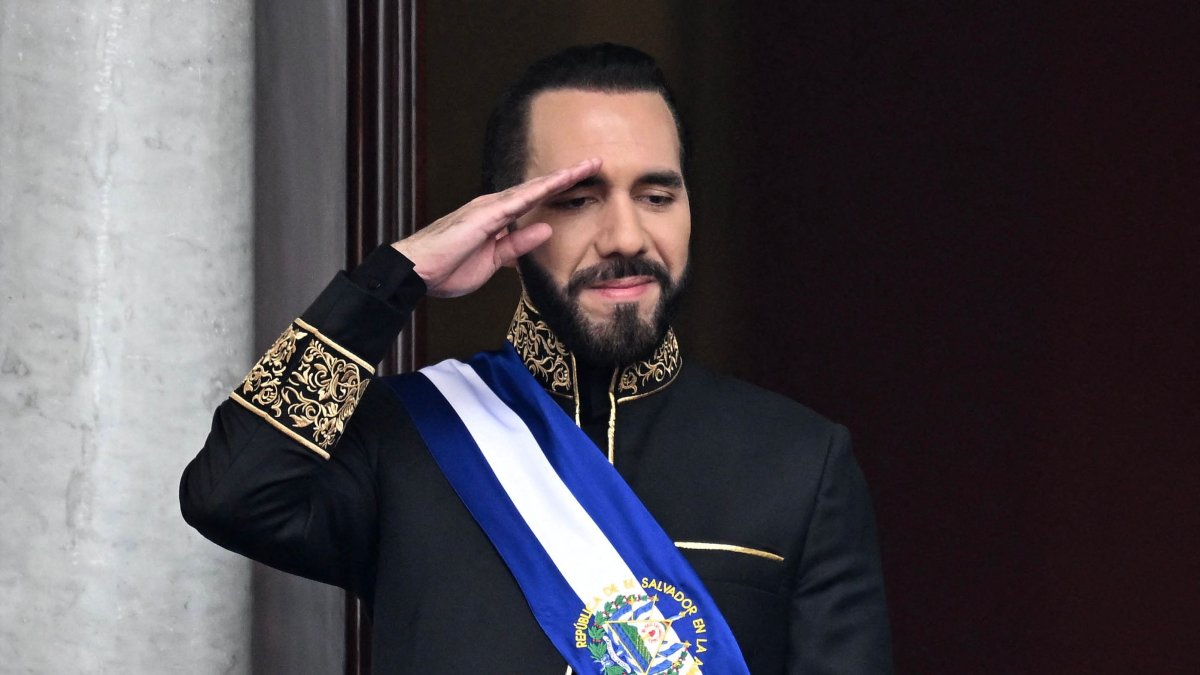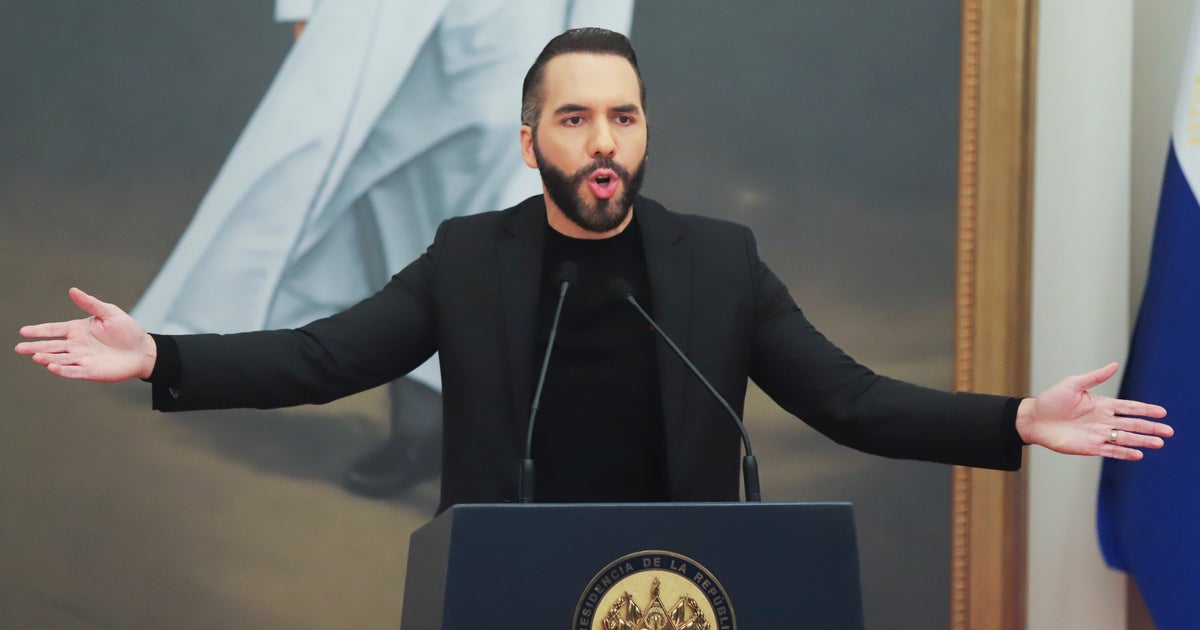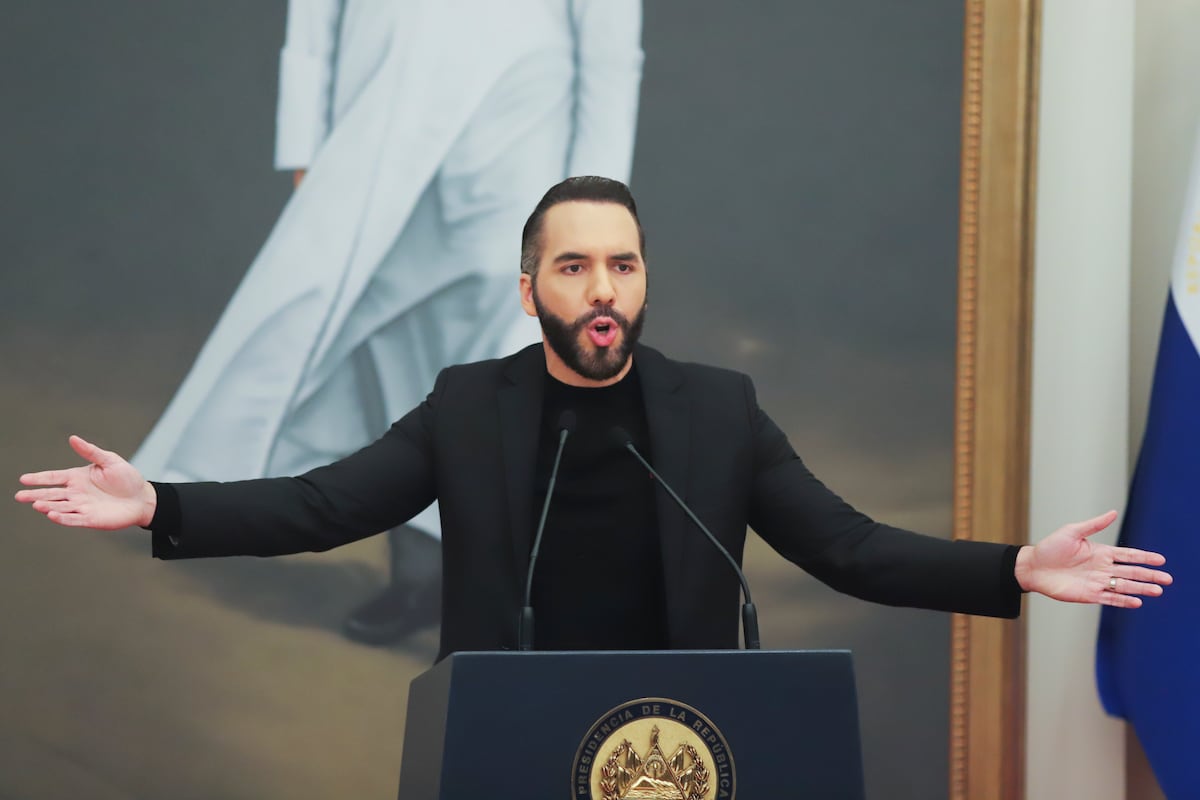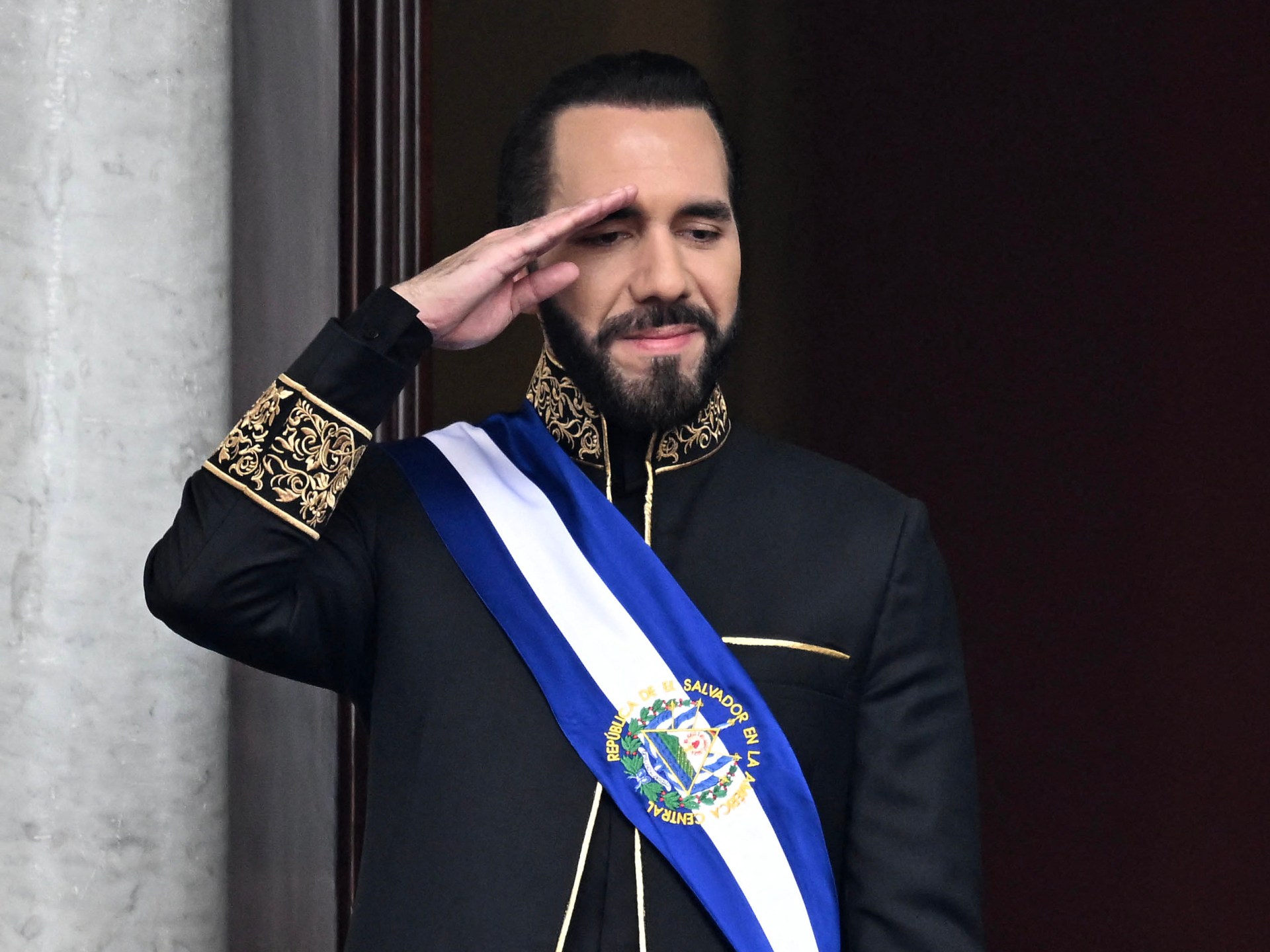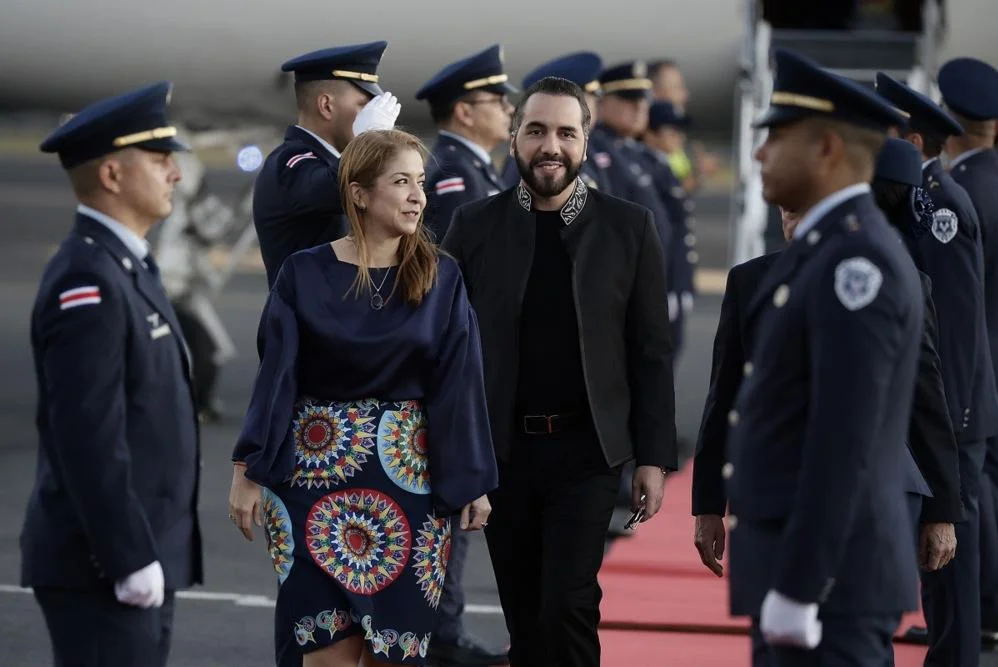
Aug. 4 (UPI) -- The decision by President Nayib Bukele's government to withdraw El Salvador from the Central American Parliament, or ParlaCen, not only marks a shift in the country's foreign policy, but also underscores the legitimacy crisis facing one of the region's most contested integration institutions.
The move, approved July 31 by the Legislative Assembly, is part of a broader constitutional reform that also allows indefinite presidential reelection and extends the presidential term to six years -- making El Salvador the first country to take formal legal steps to sever ties with ParlaCen.
Since its creation in 1991, ParlaCen has aimed to harmonize regional policies, promote democracy and foster political dialogue across Central America. But the institution has faced widespread criticism for its ineffectiveness, lack of binding authority and high operating costs.
"ParlaCen has achieved only minimal progress, reflecting the broader political stagnation in the region," Guatemalan academic and essayist Sergio Membreño Cedillo said. He said the institution needs reform and should be considered part of a broader framework of regional bodies.
Related