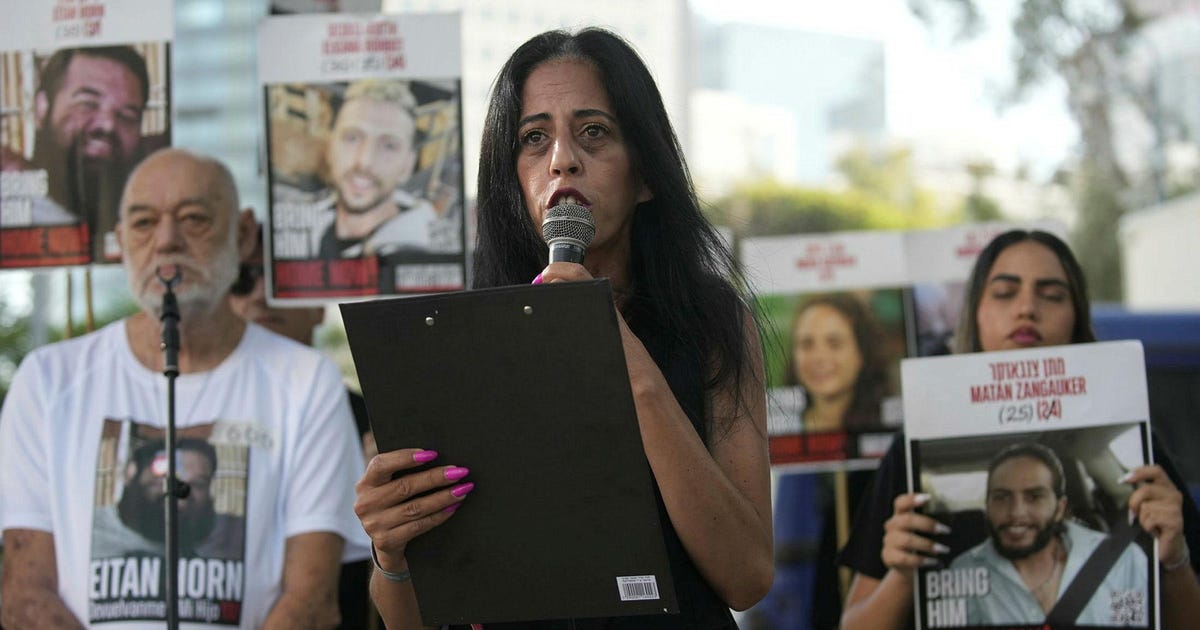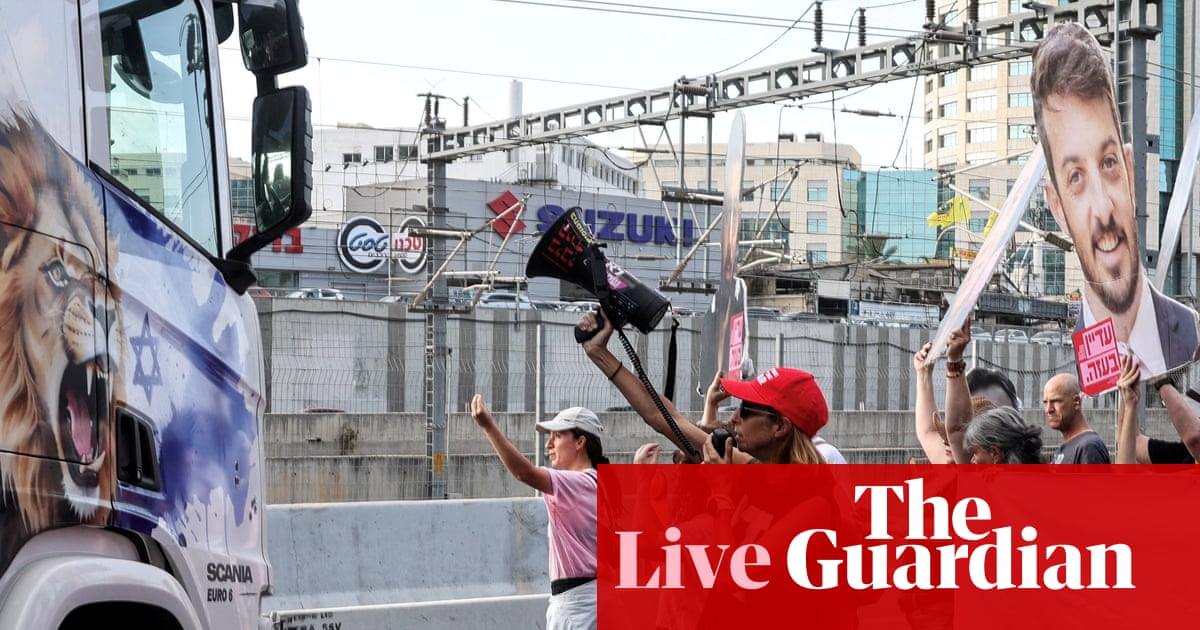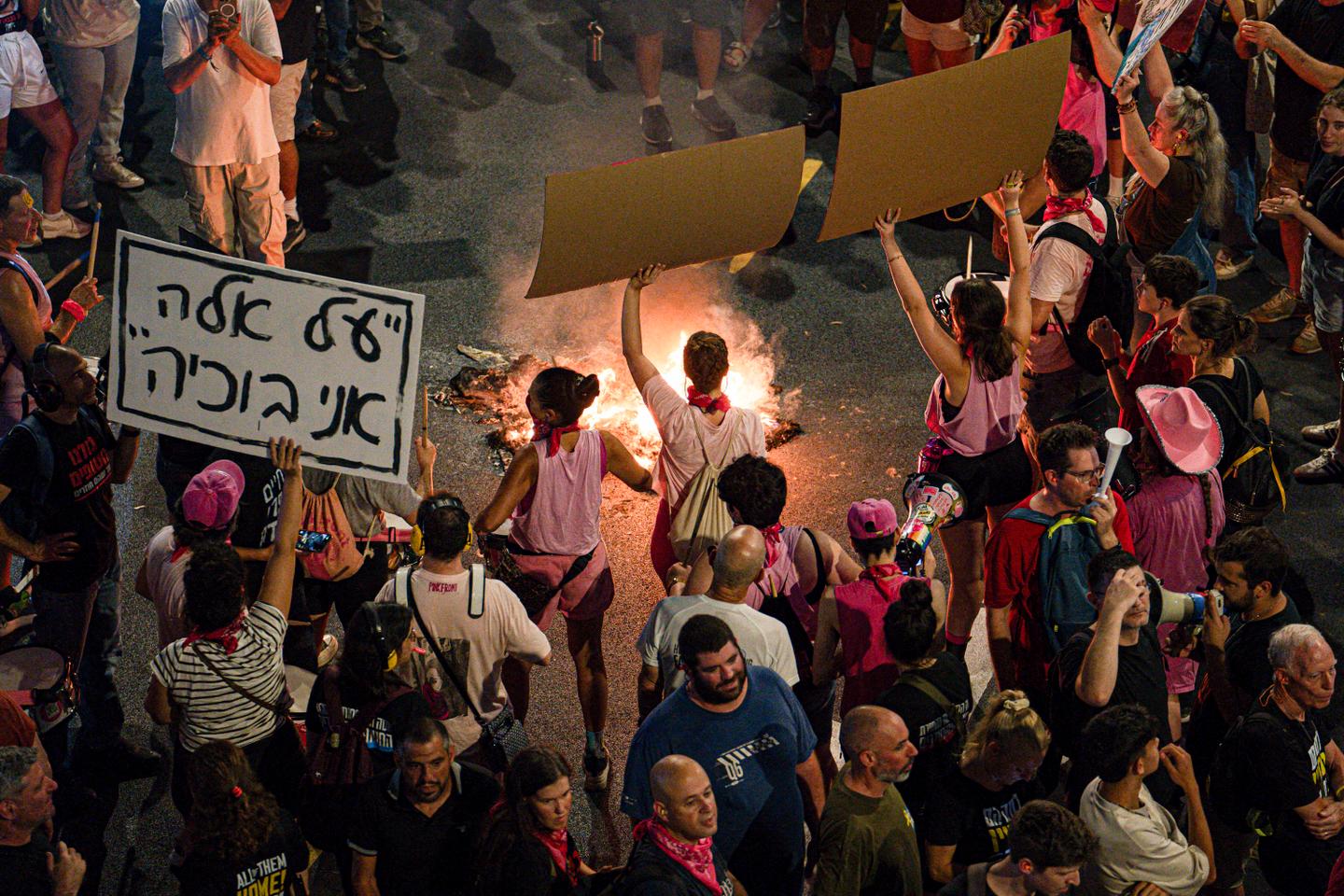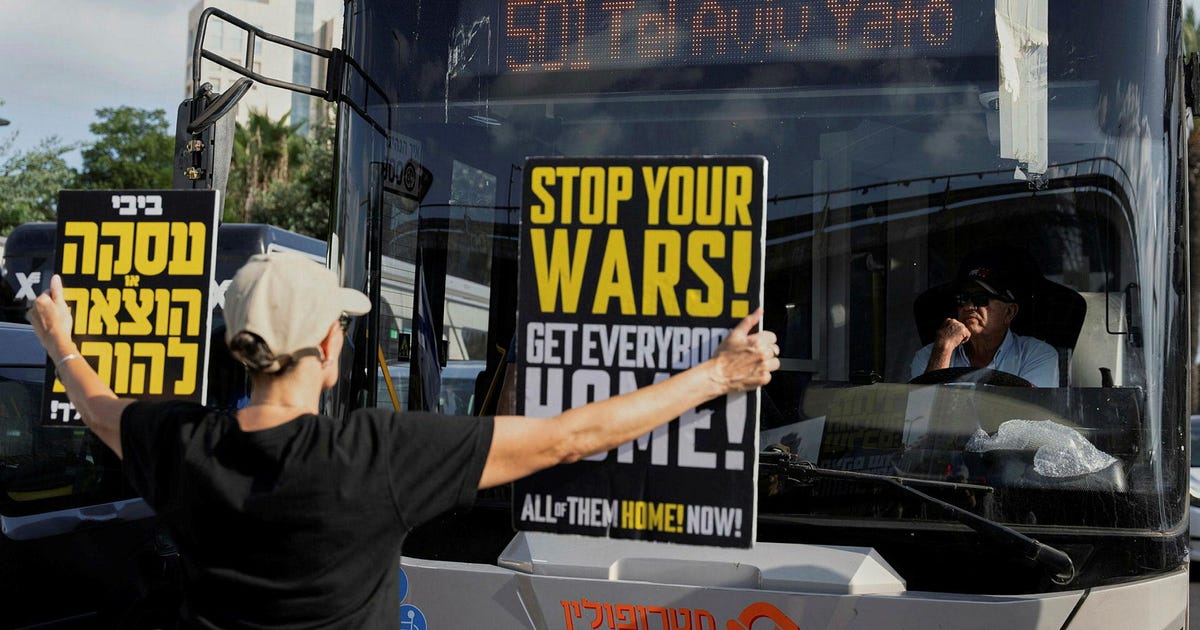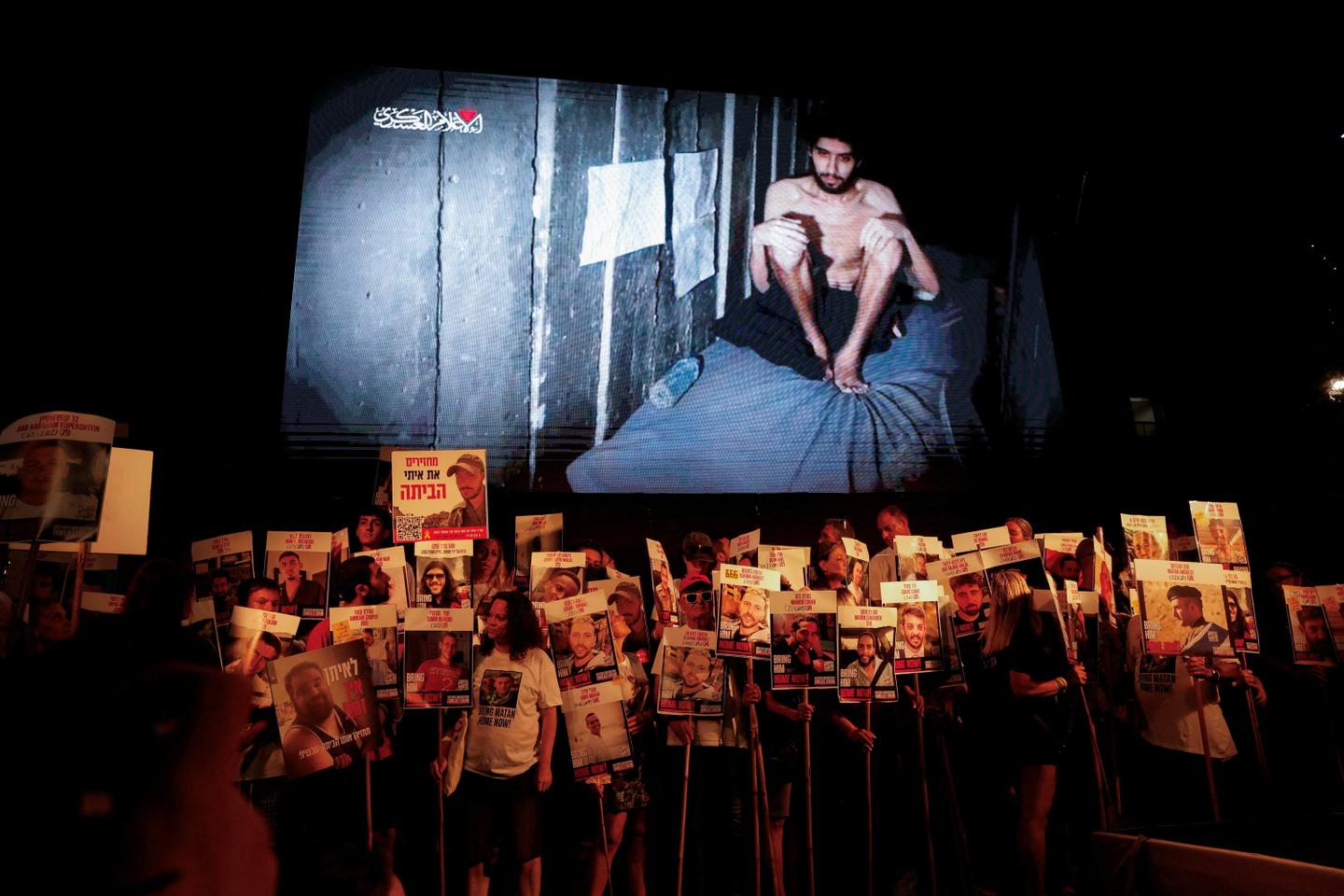
Gathering of Israeli hostages' families demanding a ceasefire and a release deal with Hamas, in Tel Aviv, August 2, 2025. In the background, one of the hostage videos released by Hamas is projected. AMMAR AWAD/REUTERS
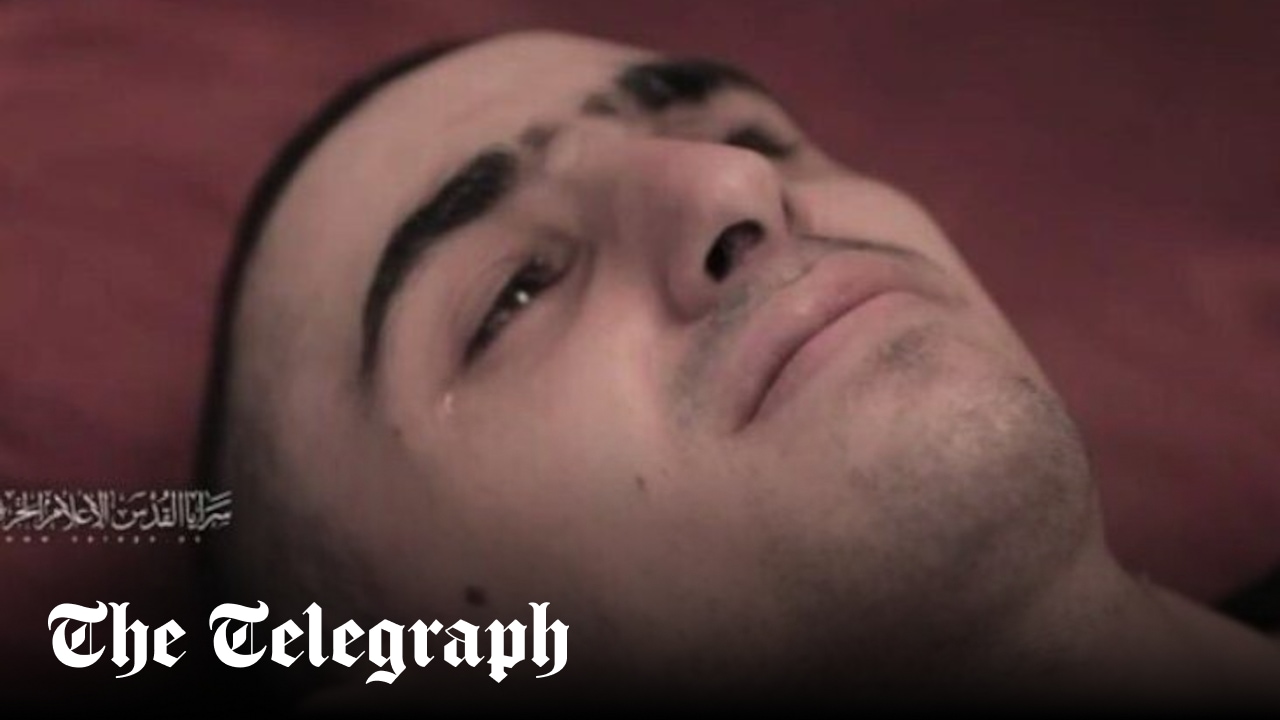
Hamas has once again sought to wound Israeli society, wielding its remaining weapon: the suffering of the last living Israeli hostages in Gaza. The scenes released Thursday and Friday by the group that carried out the October 7, 2023 terrorist attack were designed to shock, frighten and further fracture public opinion. The move succeeded, sparking horror – and at the risk of legitimizing the Israeli government's possible plan to expand ground operations into areas of the Palestinian enclave that have so far been less targeted.
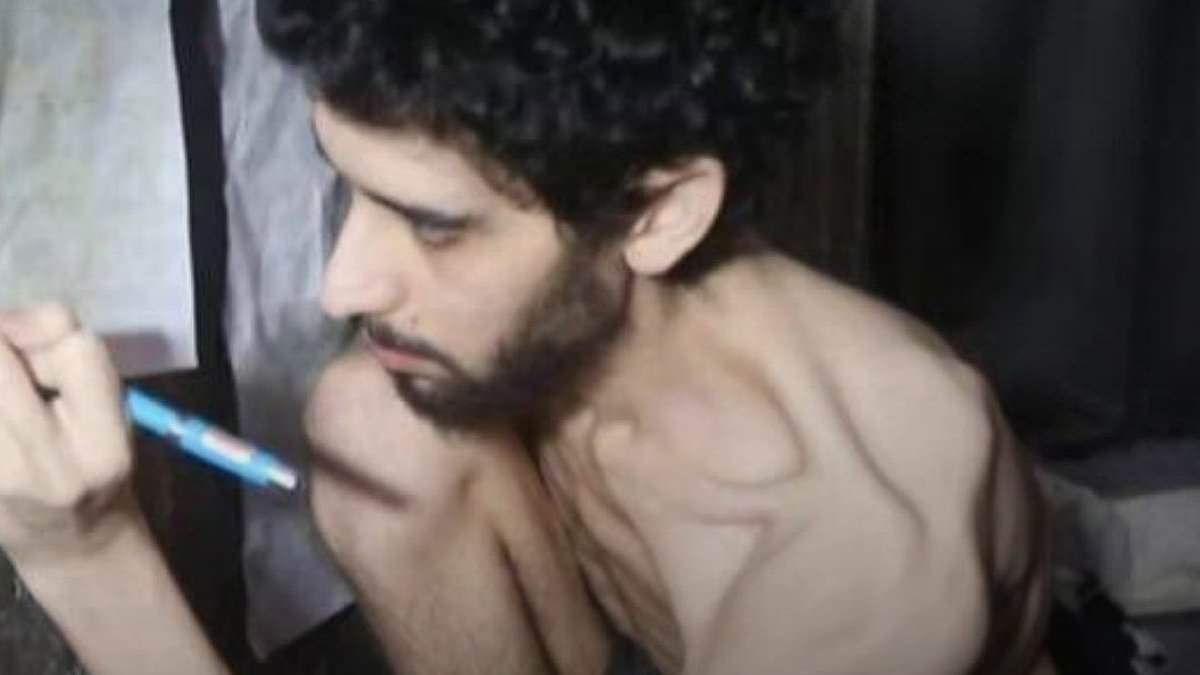
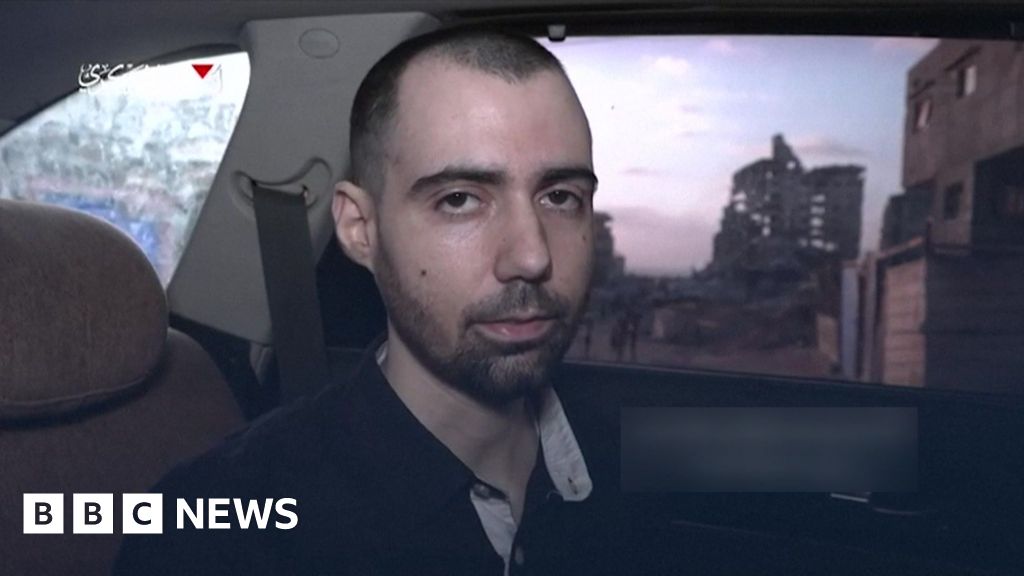
In the videos, Evyatar David, 24, one of the last 20 presumed living hostages in Hamas' custody − alongside the dead bodies of 29 others − was filmed by his captors. In the video, he is emaciated, with a gaunt face and pronounced bones, and describes the conditions in captivity. He was abducted while attending a music festival near Gaza. Later, his guards force him to dig a grave in the tunnel where he is being held. "I am digging my own grave, every day I am weaker," he says.