From Greek tragedy to Chekhov to Rosamund Pike in Inter Alia, handheld mics are everywhere on stage right now. Is this a thrilling innovation – or a pointless fad?
W
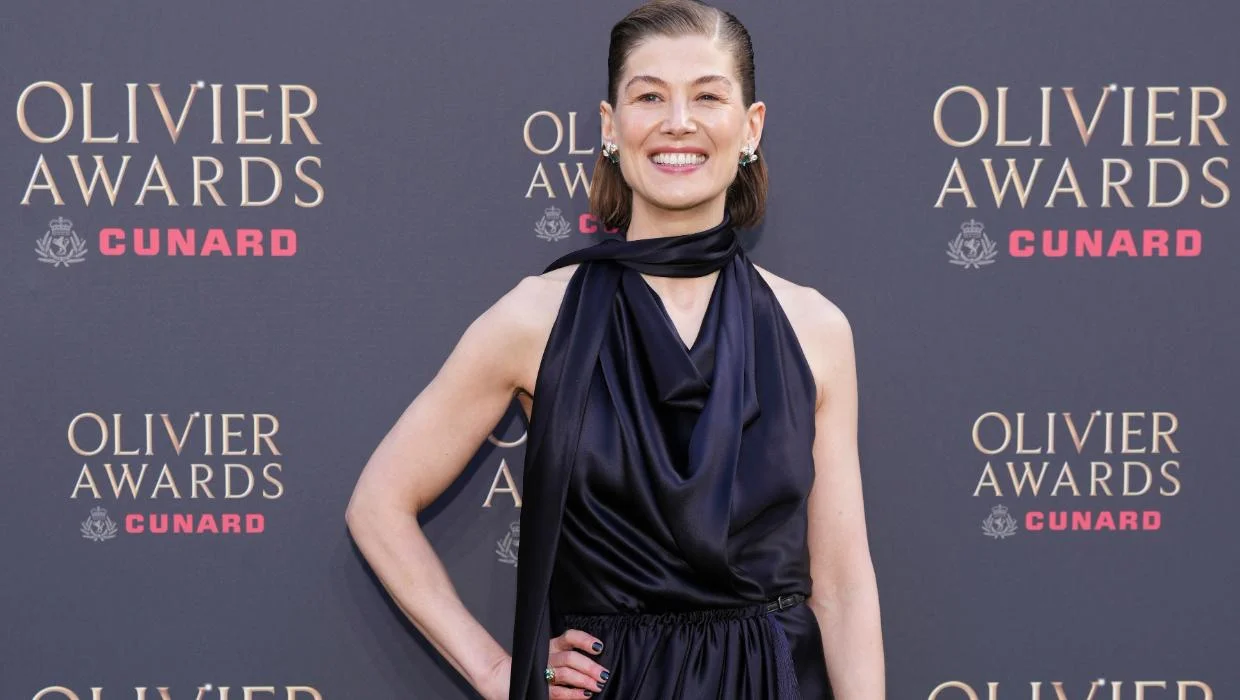
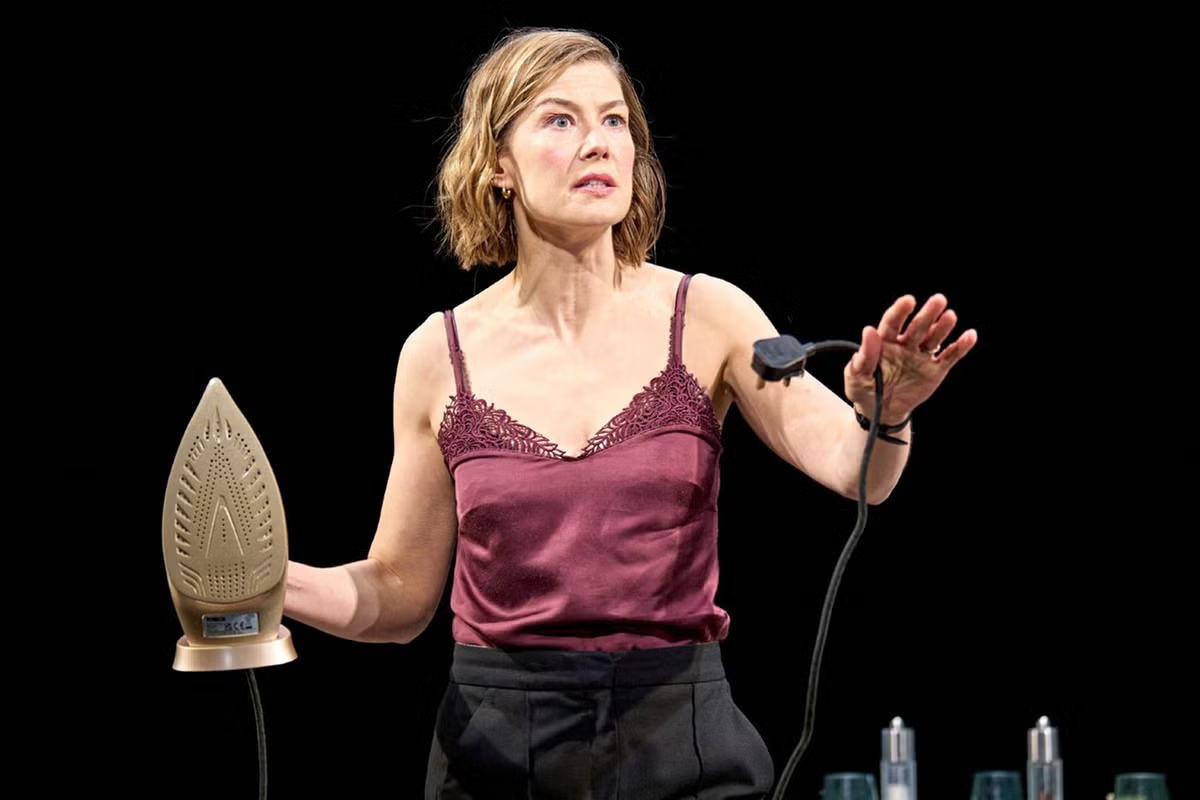
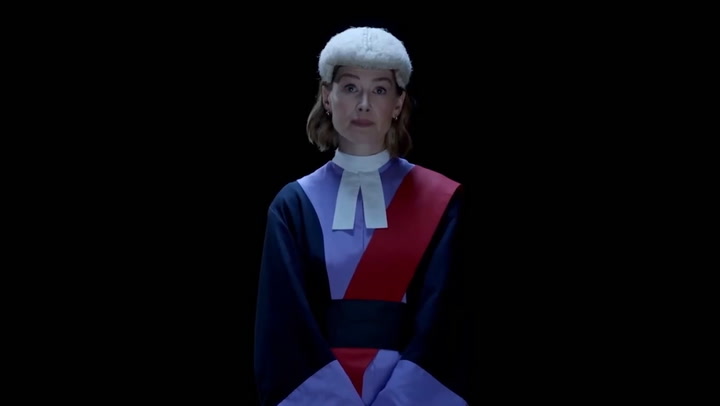
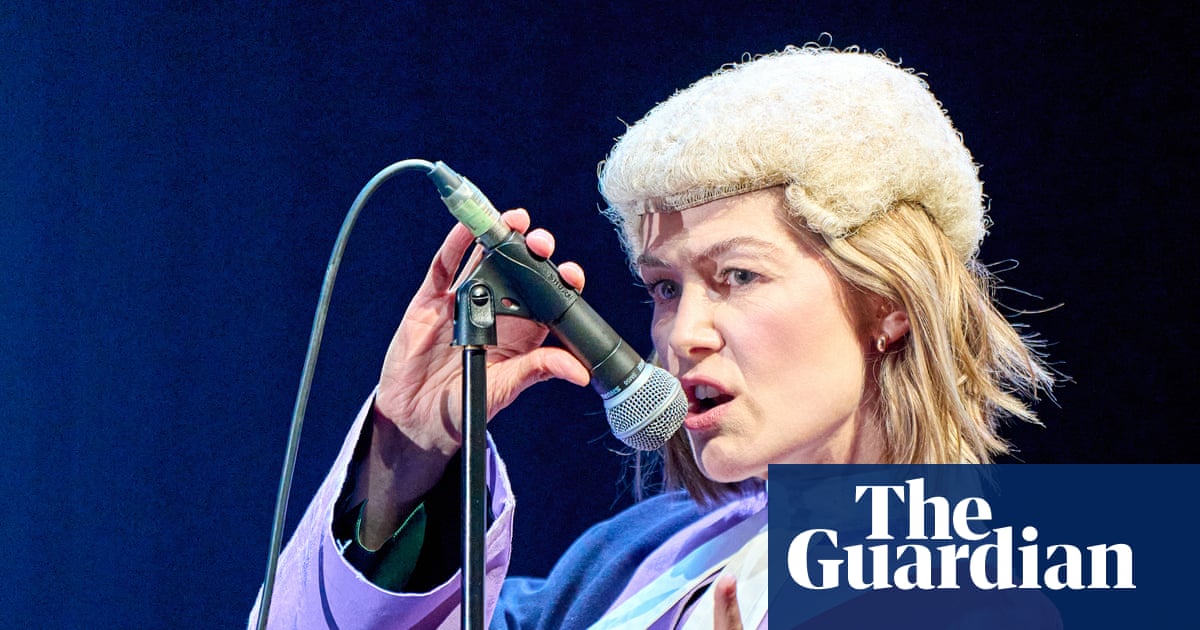
ig, robes and moves like Jagger. Rosamund Pike’s star turn as a crown court judge, at the National Theatre in London, has proved that there’s just one prop you need to turn even the most serious of subjects into a punk performance – a microphone. And Inter Alia is only the latest in a number of major openings to star the humble handheld: from Greek tragedy to Chekhov, the device seems to be increasingly common in West End productions.
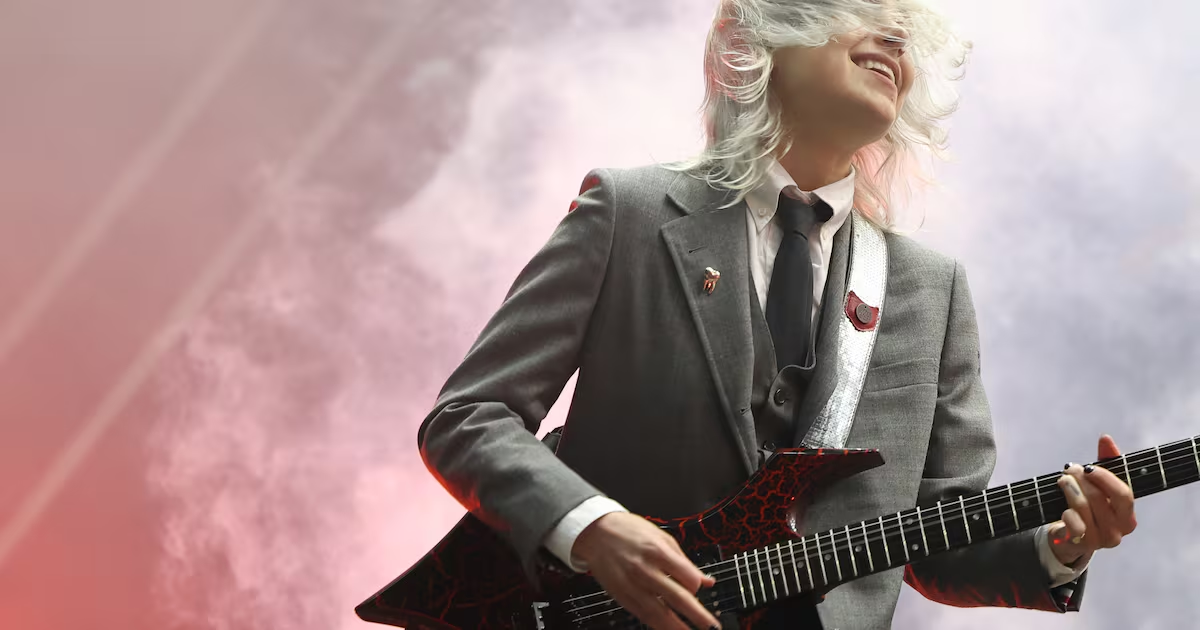
Microphones were integral to Thomas Ostermeier’s meta-theatrical production of The Seagull at the Barbican, and Jamie Lloyd – having used handhelds to transform James McAvoy into a rapping Cyrano de Bergerac three years ago – has deployed them in both Shakespeare (Much Ado) and Lloyd Webber (Evita). And no production used them more controversially than Daniel Fish’s Elektra, whose lead, Brie Larson, spoke her entire part into an on-stage amp, distorting her own voice with a range of effects pedals.
Microphones have been a source of contention in the theatre ever since Trevor Nunn introduced radio mics to the National in 1999. But a handheld isn’t something a director is trying to hide, unlike the miniature, hands-free microphones that audiences are now used to seeing actors wear. “Personally I think those things that sit on the top of people’s foreheads, like a bug, look silly,” says Fish. “But here the microphone becomes an instrument, right? It’s something that the actor can play with so it becomes a very dynamic thing.”