At a buzzing bus stand outside a shopping mall in Malviya Nagar, Rakhi Yadav glances intermittently at her wristwatch, waiting for a Delhi Transport Corporation (DTC) bus. For the 22-year-old sales assistant with a beauty brand, this hour-long daily commute is more than just a routine – it is a lifeline that once helped her save thousands in monthly transport costs.
However, that changed with the recent announcement of the Delhi government’s Saheli Smart Card scheme, which limits free DTC bus travel only to women and transgender persons who can prove Delhi residency. For Ms. Yadav, who works in south Delhi but lives just across the border in Noida, the decision has caused a significant dent in her disposable income.
“I never used DTC buses for comfort. I took them for the hour-long commute because they helped me save at least ₹3,000 a month,” she said.
Paper walls
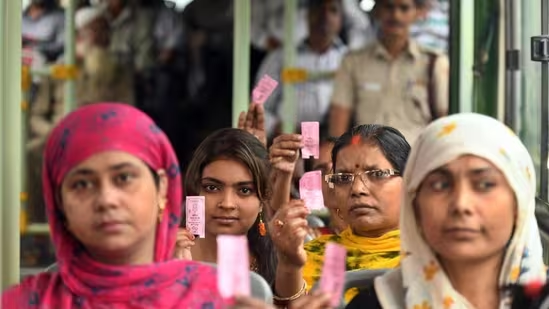
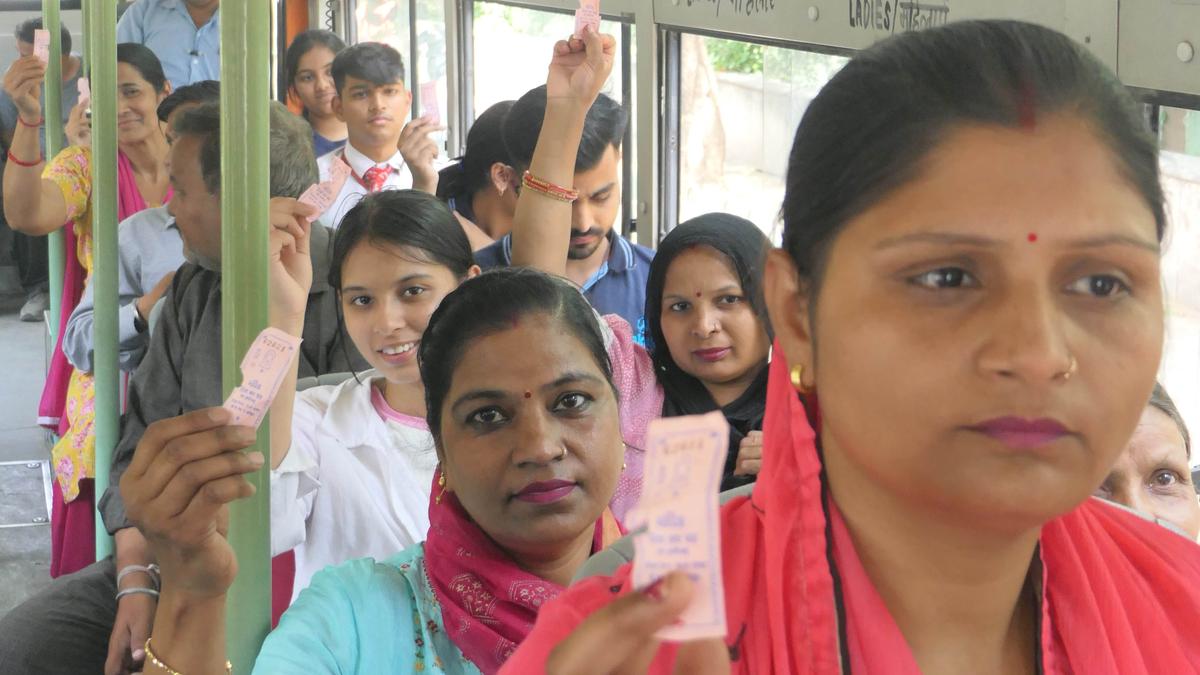
The Saheli Smart Card replaces the pink ticket system, introduced during the previous Aam Aadmi Party (AAP)-led government, where all women, regardless of their address, could travel for free. The cards, bearing the beneficiary’s name and photo, must be applied for online via the DTC website. They will be delivered by post after full KYC verification at the selected bank branch, which involves submitting documents such as Aadhaar card, PAN card, passport photos, and address proof.