Calls for a European fighting force grow louder, but decades-old divisions, political hesitancy and reliance on the US persist
T
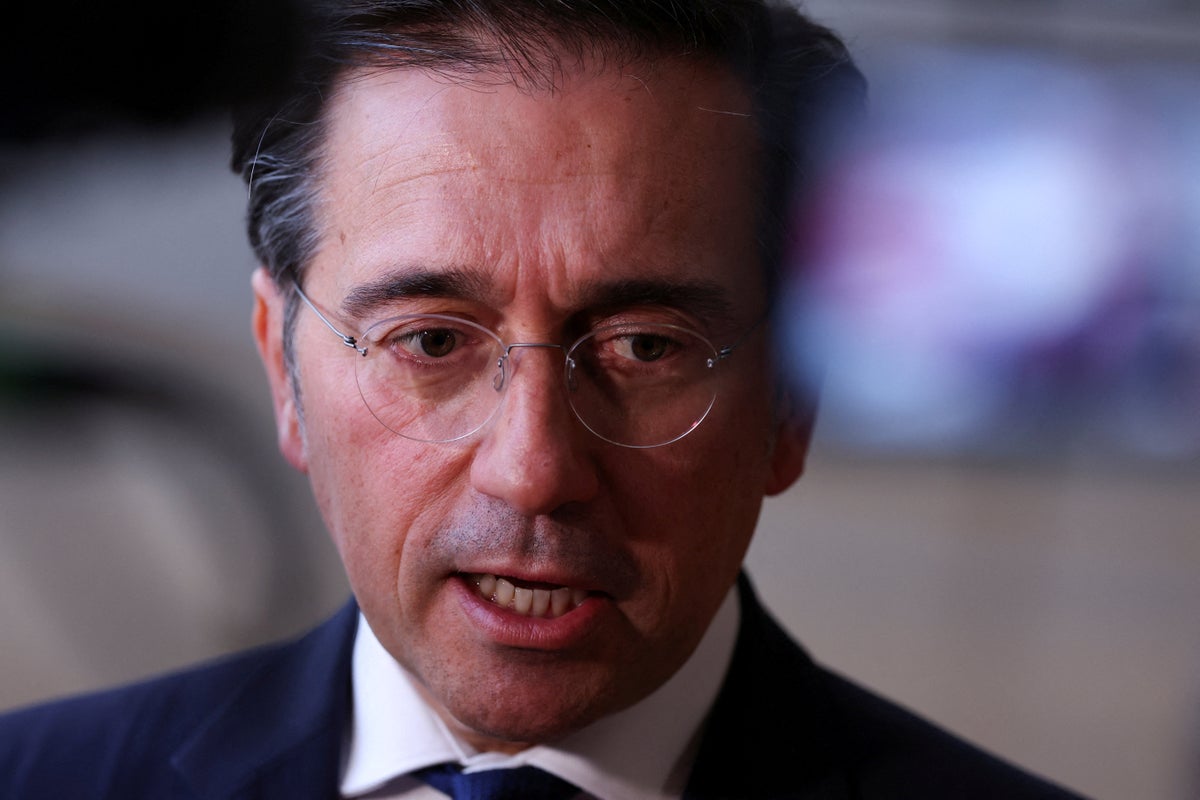
he Spanish prime minister, Pedro Sánchez, called for the creation of a European army earlier this year, suggesting that, this time, the continent might finally be serious. Defence budgets are rising. Threats are mounting. The US is distracted. Surely now is the moment. Except, of course, it isn’t.
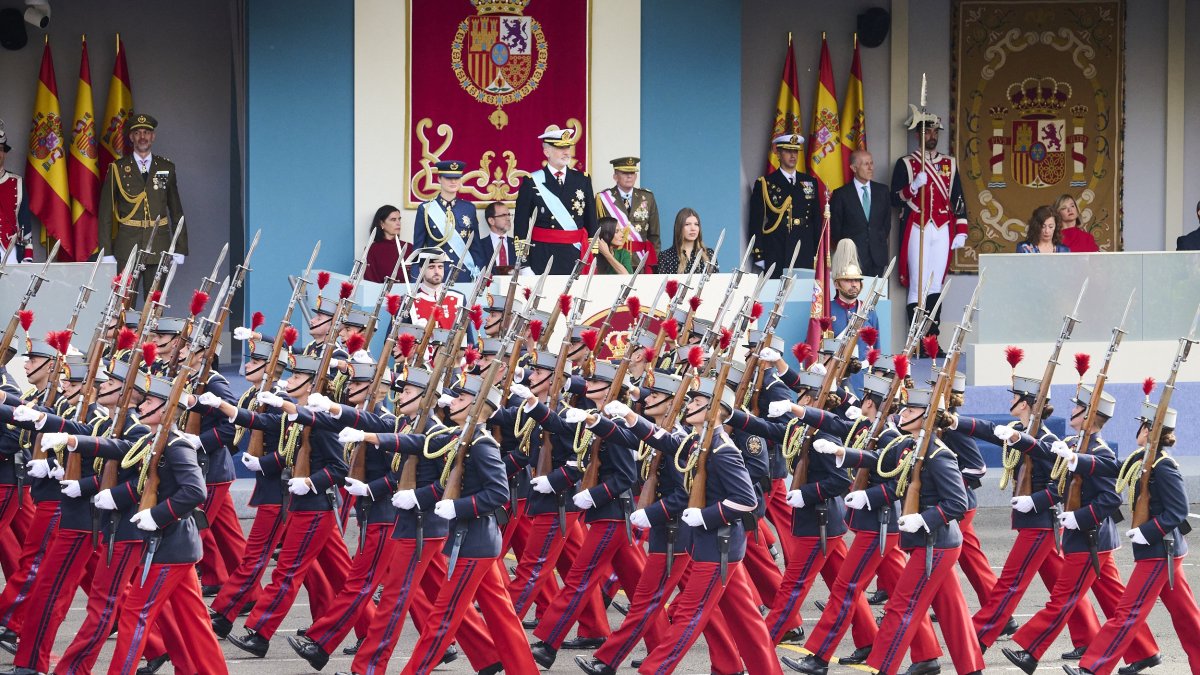
For all the political soundbites that rattle sabres with increasing confidence, Europe is probably no closer to fielding a unified military force than it was when the French rejected the European Defence Community in 1954. The problem is not one of capacity. Europe, including the UK, collectively boasts about 1.5m active military personnel, and some of the world’s most successful defence firms. The problem, as ever, is politics. Or more precisely: who leads?
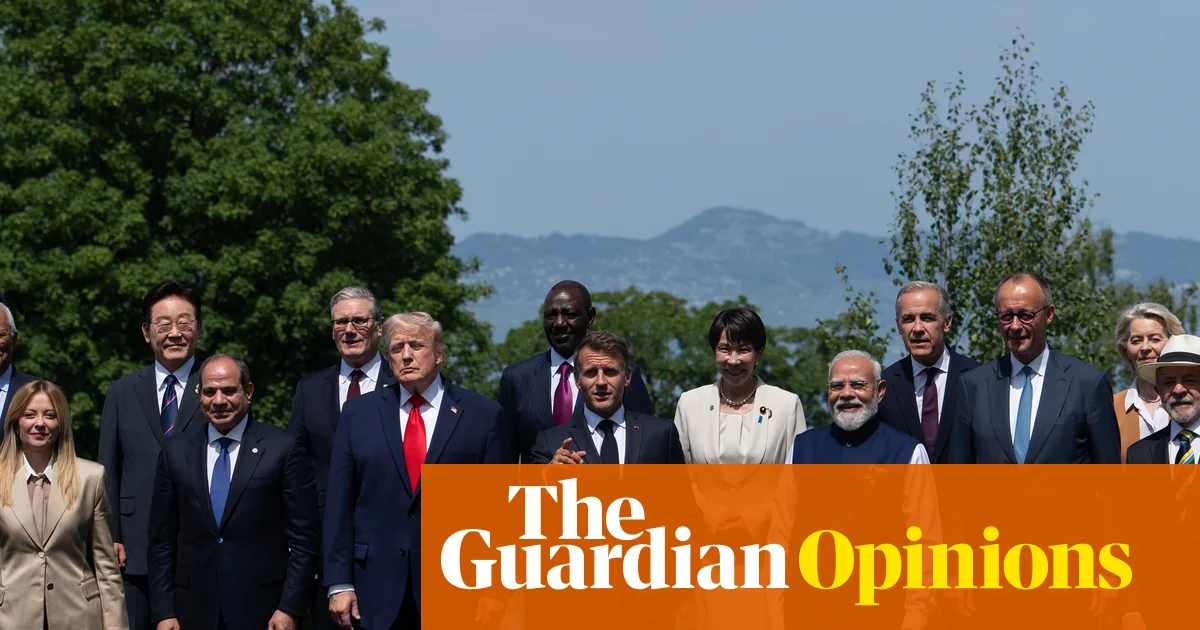
Germany, claiming a Zeitenwende (turning point), and asking the EU to exempt military investment from budget rules, might be the frontrunner. Poland is spending more as a share of GDP than anyone. The French would like to think they would be at the front of any queue. But their Gaullist, unilateral instincts run deep. Italy has industrial knowhow but lacks the economic heft. Post-Brexit, the UK is building bridges with the EU’s military powers but it still sees itself as Nato’s keystone. And the Baltic states? They want no European project that might scare off Washington.