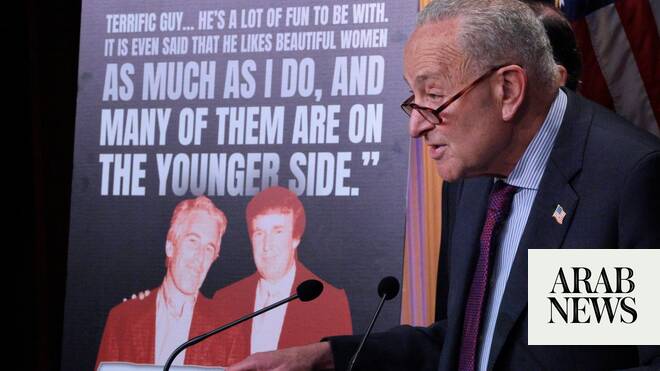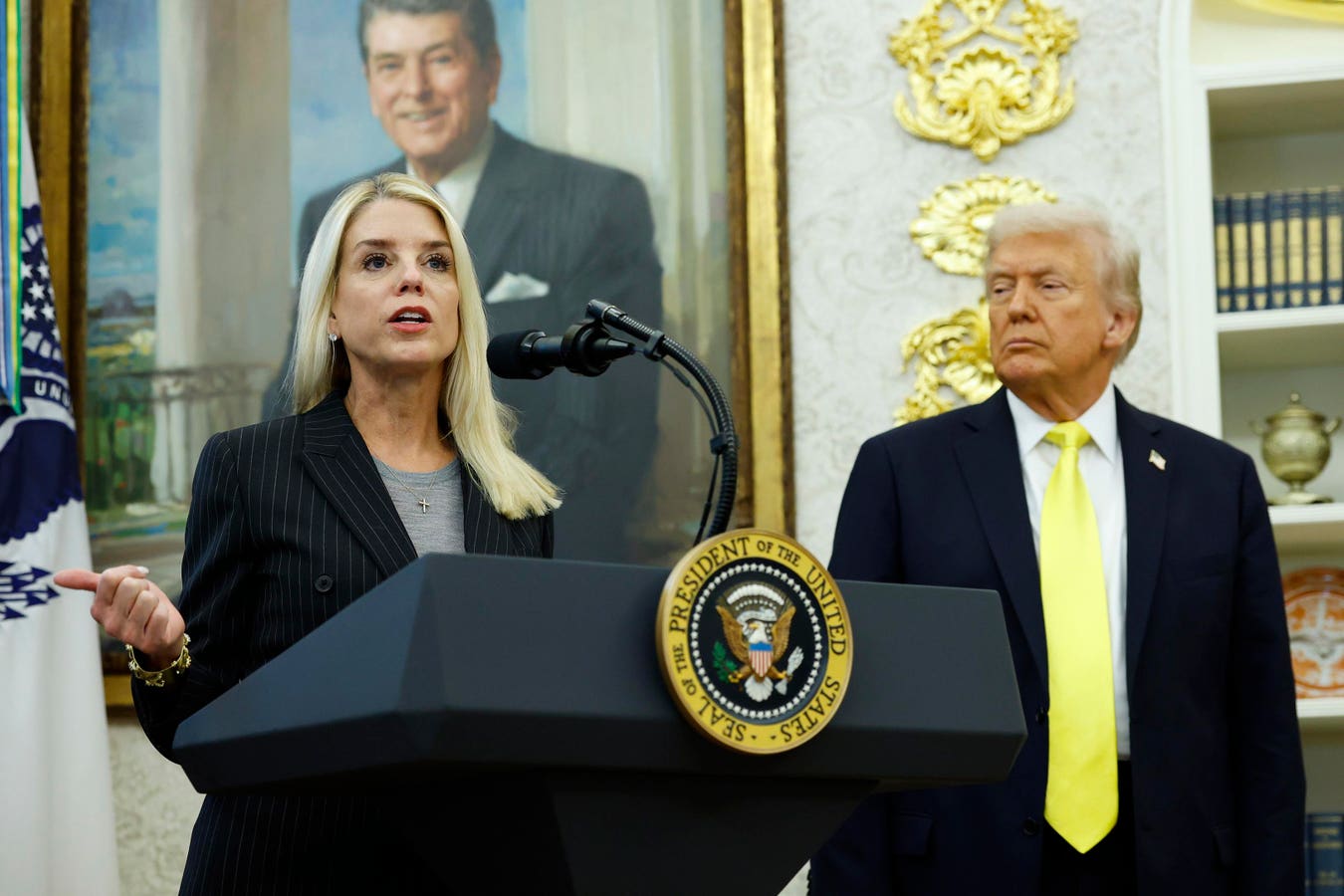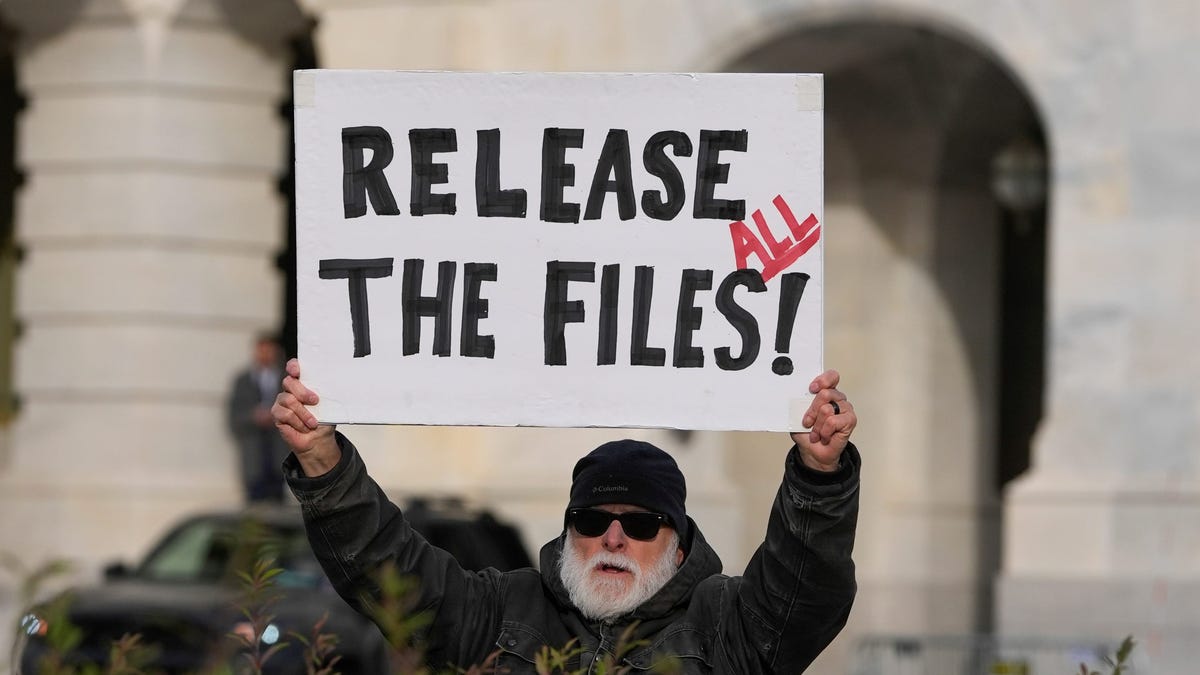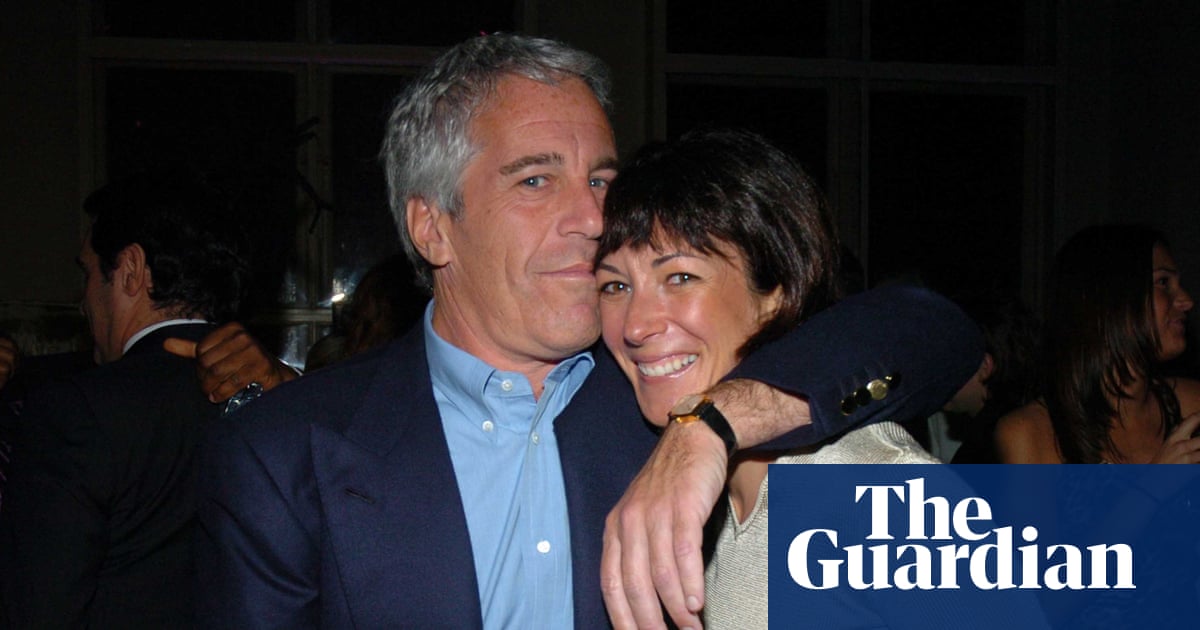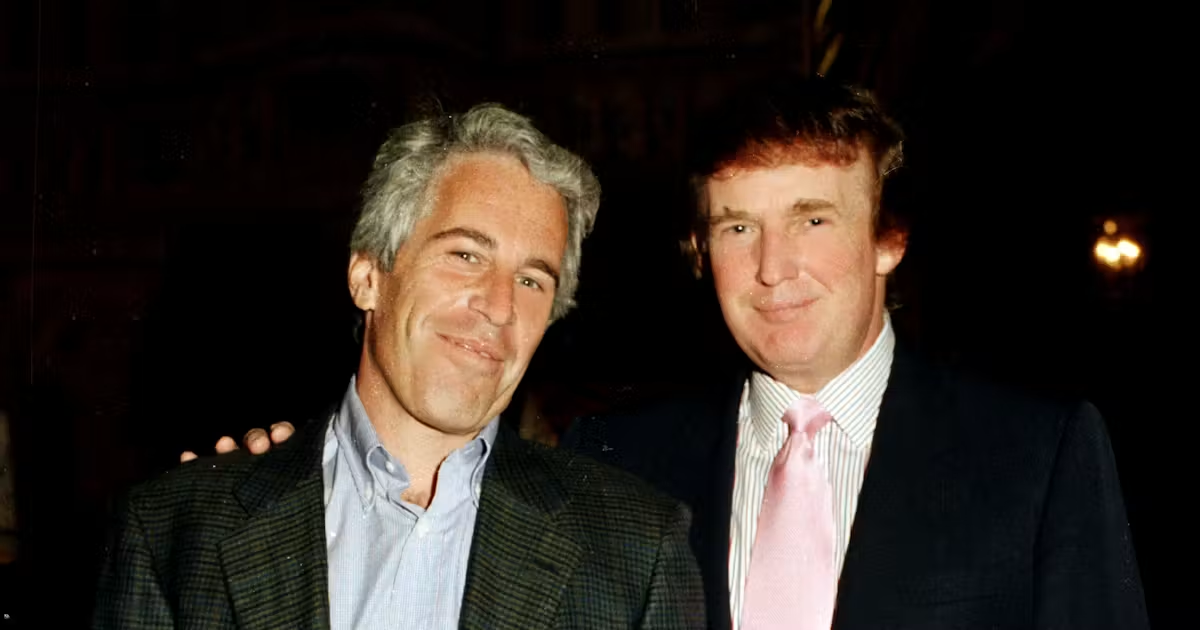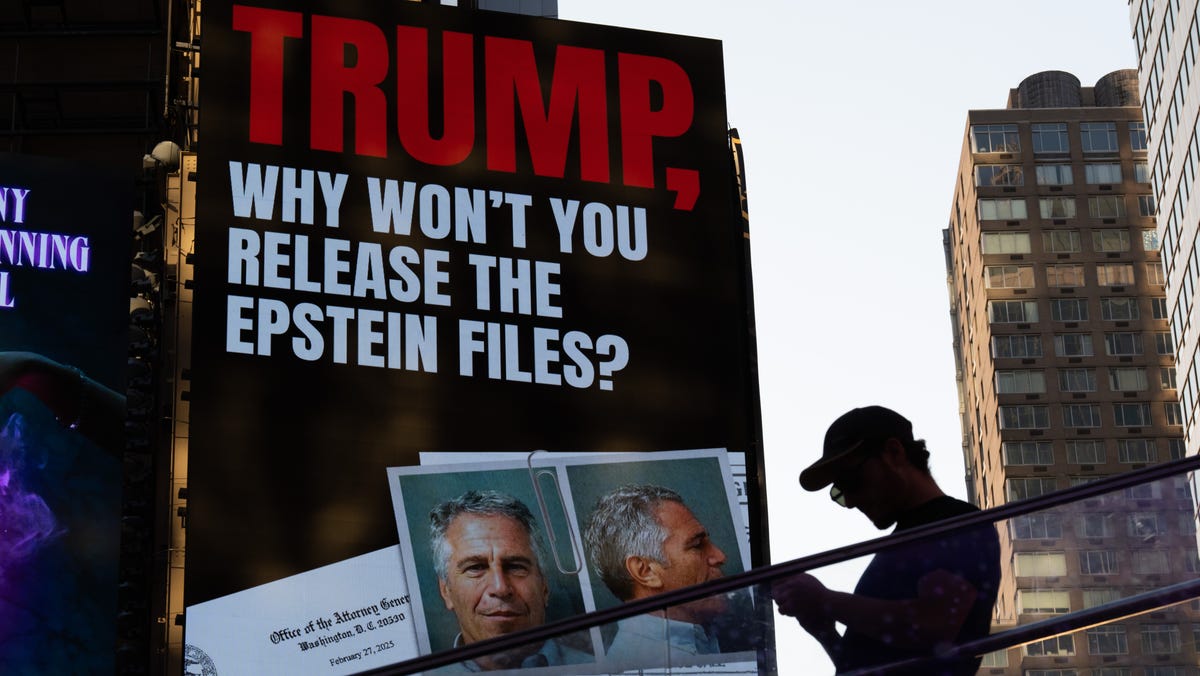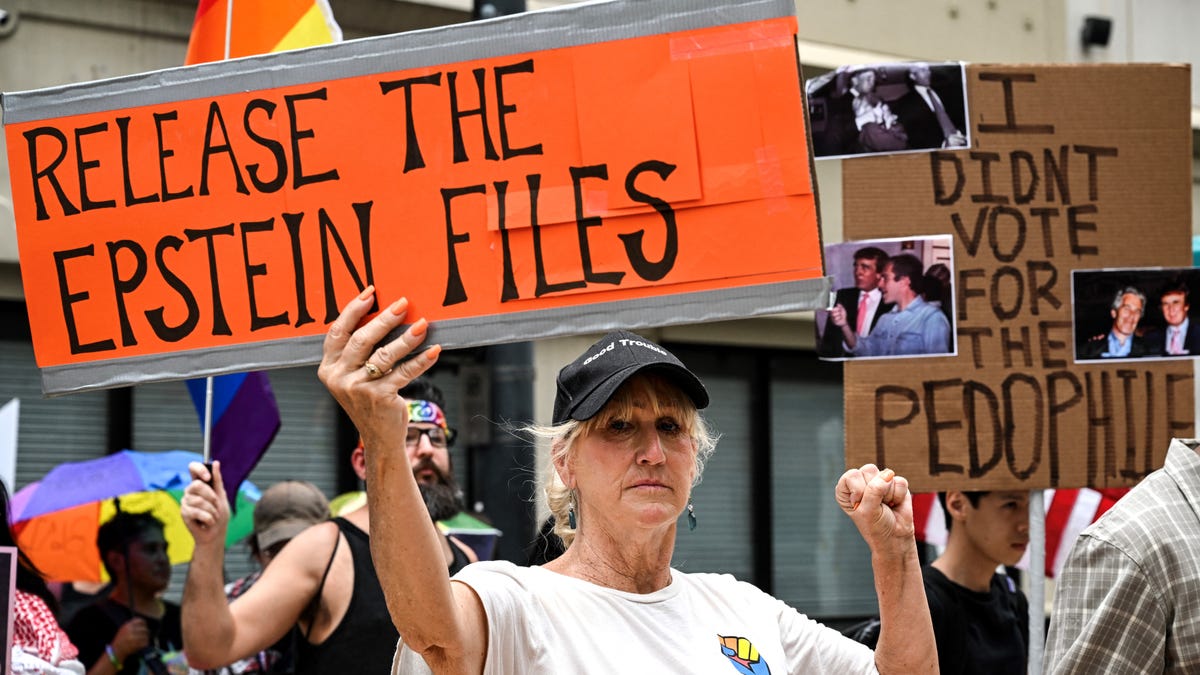
The White House has continued to resist calls from Congress and President Donald Trump's own base to release the FBI's investigative files on Jeffrey Epstein Instead, it has asked courts to release grand jury testimony and has interviewed convicted Epstein co-conspirator Ghislaine Maxwell to try to satisfy demands for transparency.
So far, those alternatives haven't satisfied conservatives who believe − as Trump allies suggested for years − that Epstein was involved in a sex-trafficking conspiracy with many other rich and powerful people. Top Trump officials came into office promising a new level of transparency in the Epstein case, and many Trump supporters maintain the administration should release all of the files it has.
But what exactly is in those sought-after files? What would the public learn from their release? To answer those questions, USA TODAY talked to former FBI agents and prosecutors. They said the files are likely to be much more expansive than what's in the grand jury testimony, including records on witness interviews and investigative trails.
"It could be an enormous universe of original documents, interview notes, memos of analysis," said Michell Epner, a former New Jersey federal prosecutor who handled sex-trafficking cases.