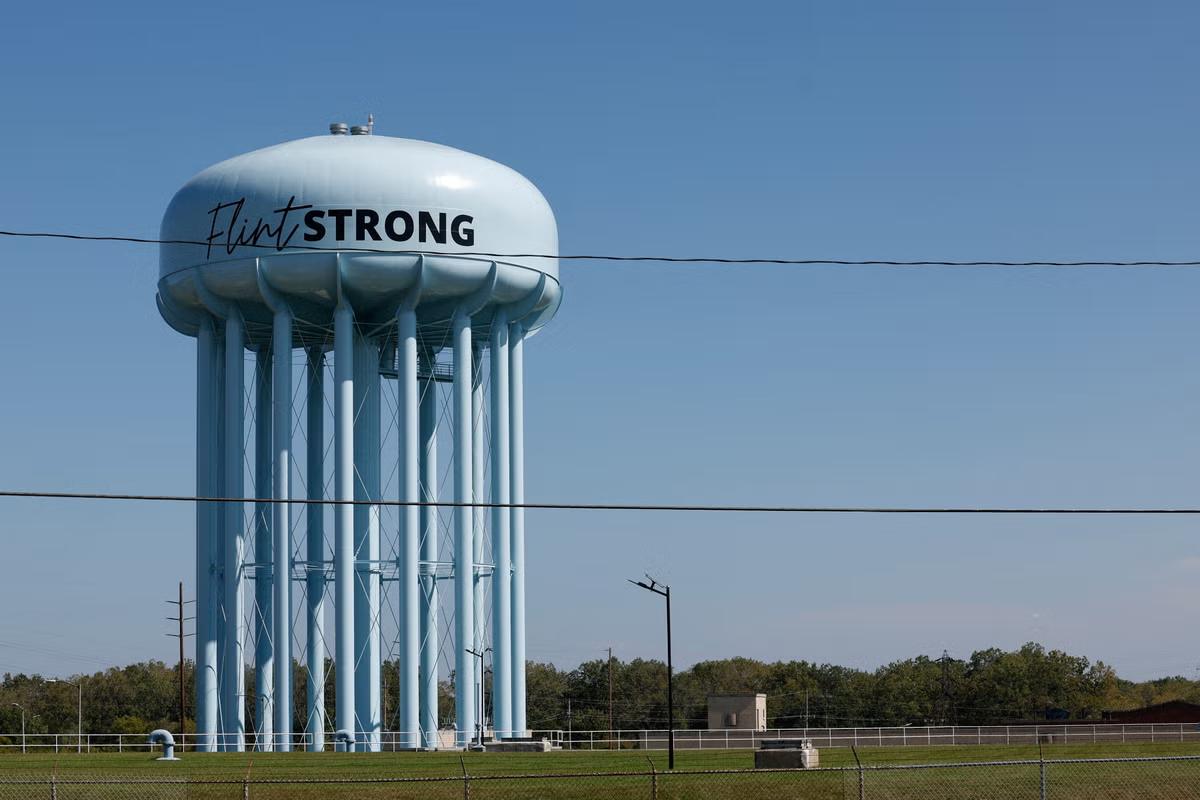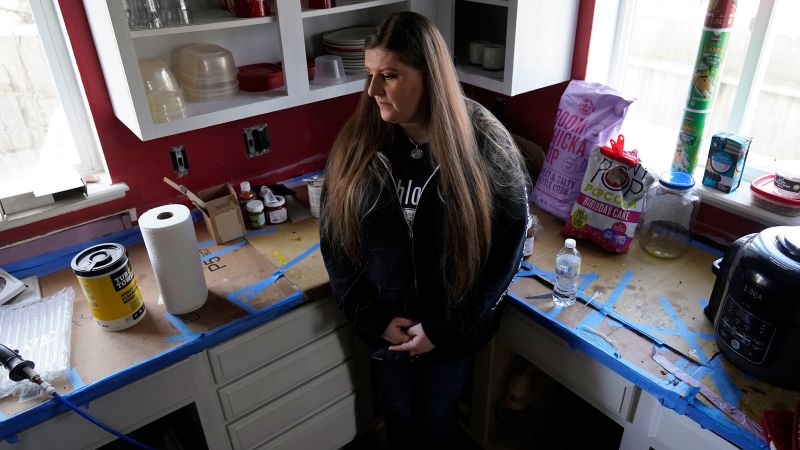
Melissa Mays said she may never trust the water from her Flint, Michigan, tap again.
In the 11 years since the city’s historic water crisis, Mays said she has battled Legionnaires’ disease, autoimmune and seizure disorders, high blood pressure, and other illnesses. Her youngest son, now 21, experienced speech delays as a child after unknowingly drinking lead-poisoned water, she added.
Mays still believes the plumbing lines in her neighborhood are contaminated. The water from her faucets is often yellow and has a foul smell unless it is filtered, she said.
So when Michigan submitted a progress report to a federal court in July stating it had completed the replacement of 11,000 lead pipes, restored 28,000 damaged properties, and the US Environmental Protection Agency lifted its emergency order on Flint’s drinking water earlier this year, Mays said she remained skeptical.
Mays is among many Flint residents who said they have lost faith in lawmakers and elected officials after the water crisis devastated their community in 2014, and they still refuse to drink or bathe in the water without a filter.