Scientist Bjorn Samset says discovery that clean-up may contribute to warming shows intricate nature of climate change and dynamics at play
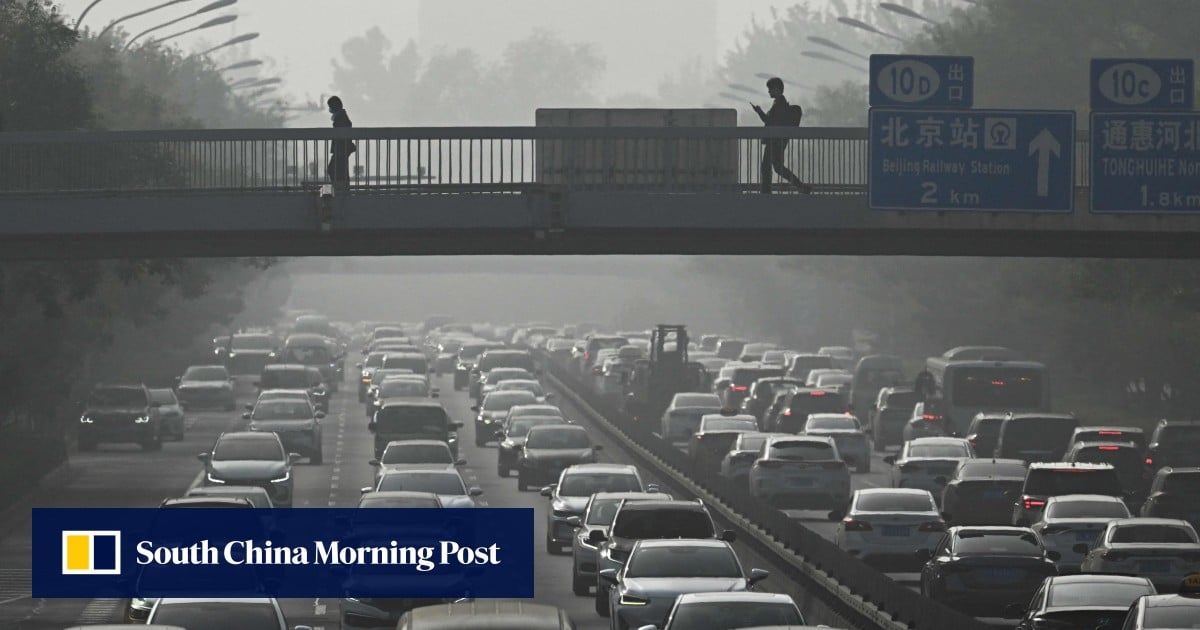
Over the past decade, clean-up efforts in East Asia have reduced air pollution significantly, improving quality of life and health in the region – but they may have inadvertently contributed to the acceleration of global warming by removing particles that helped cool the Earth.
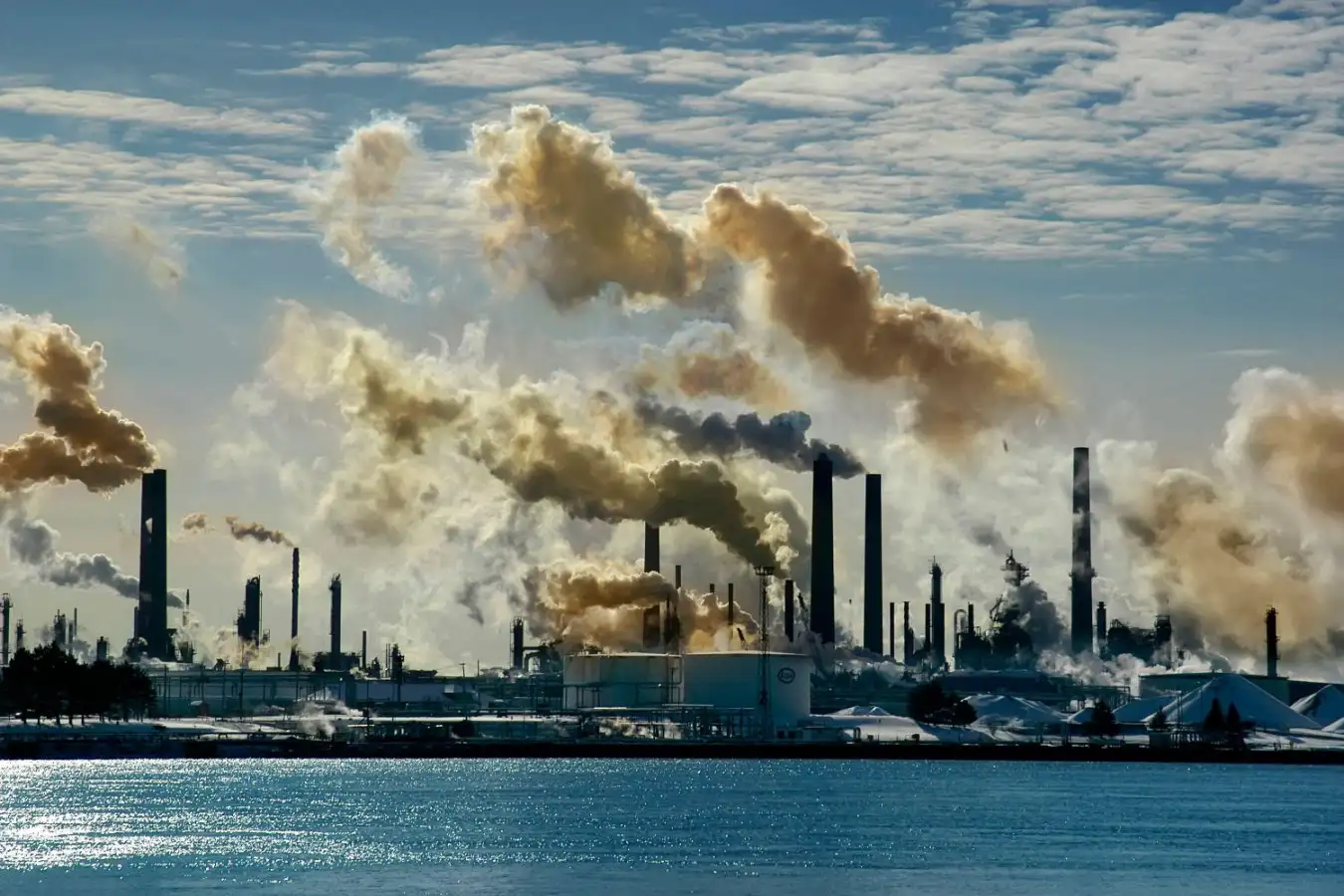
Pollutants are made up of aerosols, liquid and solid particles suspended in the air. Although good for health, their removal leads to less cloud and less ground protection from the sun and may have altered global climate and weather patterns – although how to quantify the impact is an ongoing debate among scientists.
A fresh start: Why is Indonesia building a new capital?
“Polluted air may have been masking the full effects of global warming”, said Bjørn Samset, a senior researcher in climate and atmospheric sciences at the Centre for International Climate and Environmental Research in Oslo and a contributing author to the study.