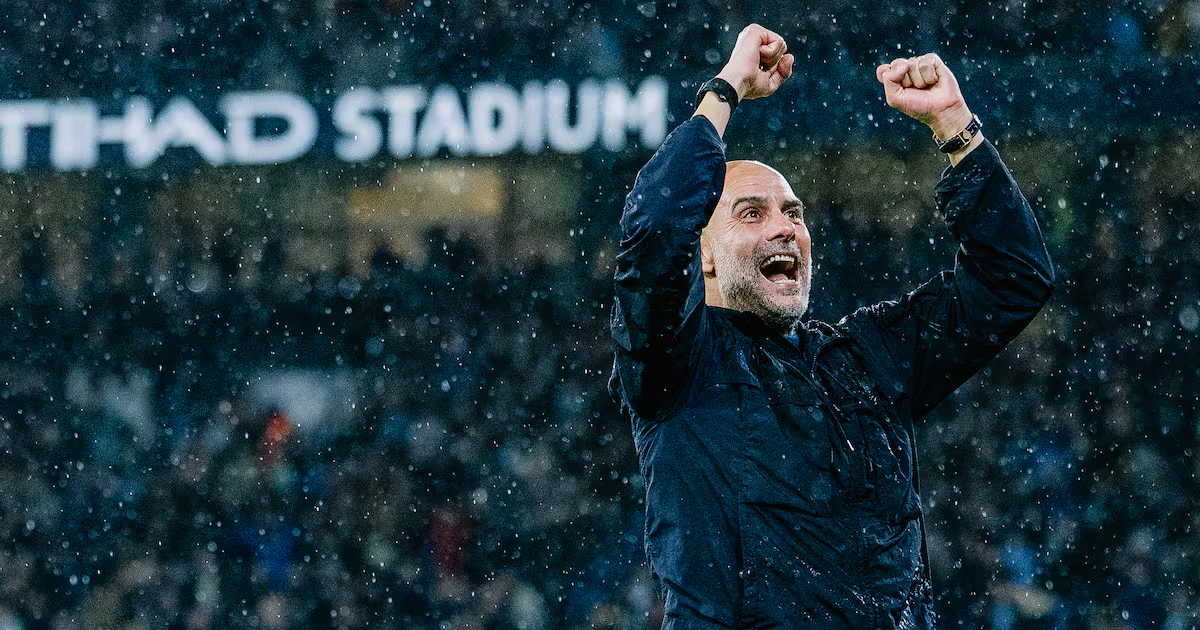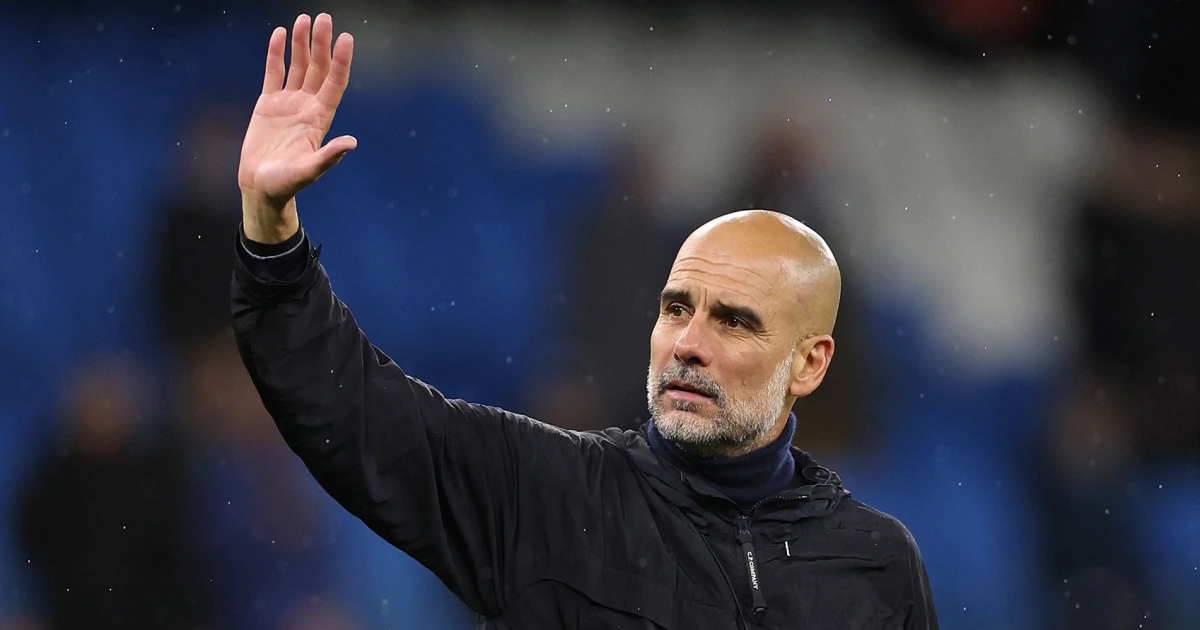
Manchester City manager may still relish a title chase but, as the declines of Mourinho and Wenger prove, nothing lasts for ever
P
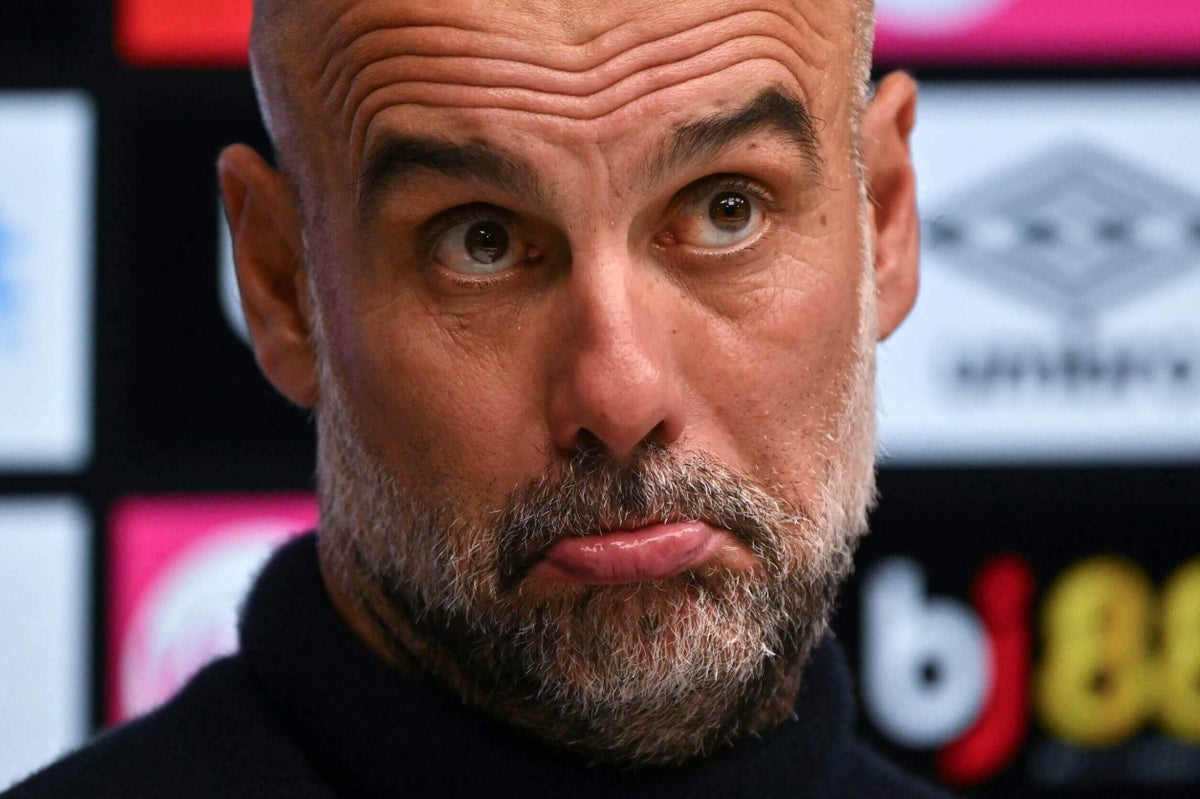
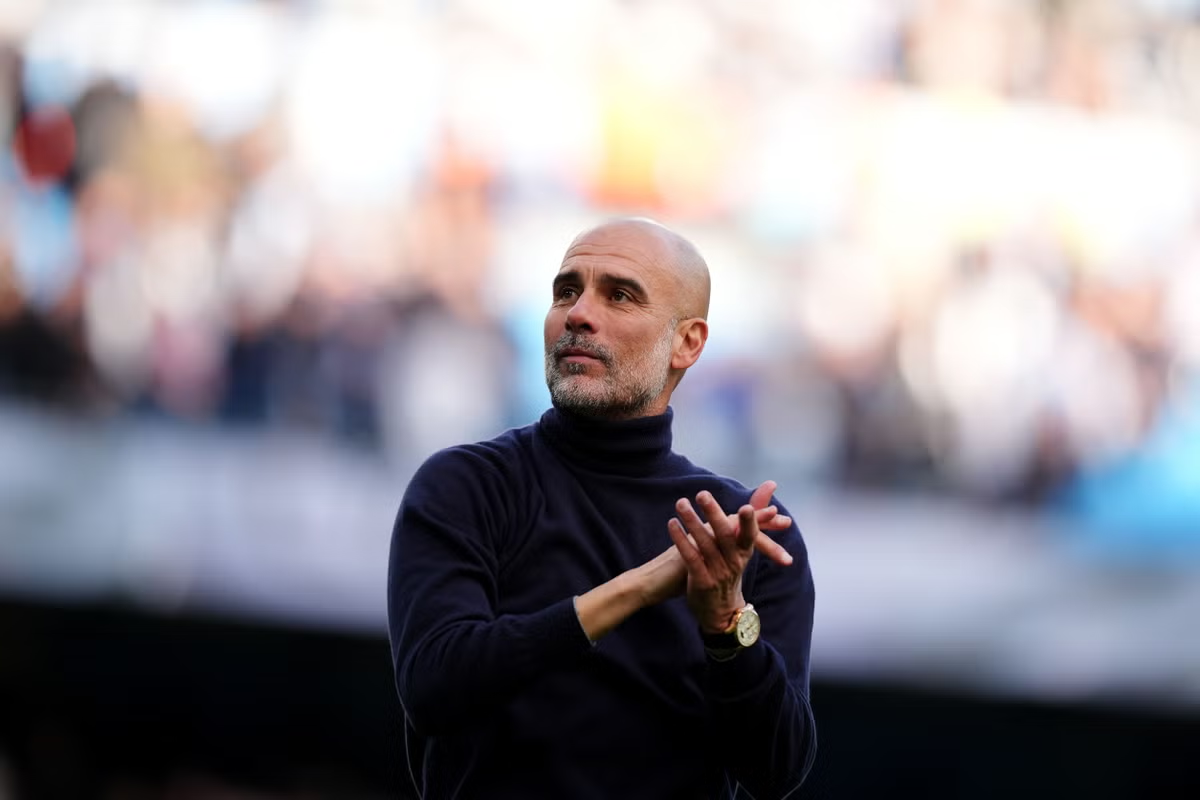
erhaps the most revealing aspect of the interview Pep Guardiola gave to GQ was how tired he sounded. The headlines that he was contemplating a 15-year break from the game didn’t entirely reflect what he said – “I don’t know how long I’ll stop for: a year, two years, three years, five, 10, 15, I don’t know. But I will leave after this spell with City because I need to stop and focus on myself, on my body” – but his weariness was clear.
To an extent it is not a surprise. Jürgen Klopp was exhausted (and self-aware) enough after almost 15 seasons at Dortmund and Liverpool (plus seven at Mainz) to quit last summer. There were times last season, particularly in that four-month spell either side of Christmas when City’s form dipped alarmingly, that Guardiola seemed shattered. By his own admission, his decision last November to sign a contract extension to summer 2027 was motivated in part by guilt at the downturn. “The problems we had in the last month, I felt now was not the right time to leave,” he said. The problems got much worse.
To which there can be two reactions. On the one hand, it is rare and admirable that a manager should feel such a sense of responsibility to his club. While many are sacked before they have a chance to resolve problems, there are also plenty happy enough to walk away with a pay-off and pass the crisis on to somebody else. But on the other hand, it probably is not a great sign if a manager with two years left on his contract is already looking forward to the extended holiday he is going to have when it is all over.